Club Rio Adventure Center
La Fortuna Travel Guide
140km (87 miles) NW of San José; 61km (38 miles) E of Tilarán
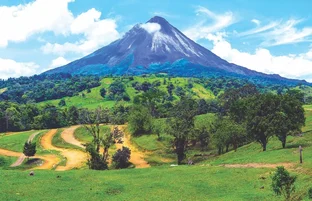
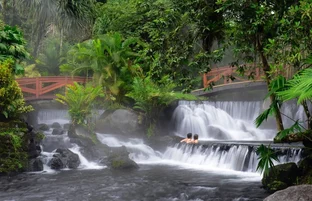
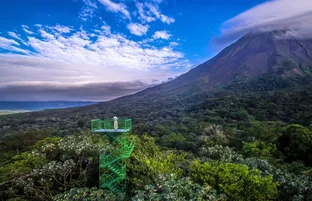
In July 1968, Arenal Volcano, which had lain dormant for hundreds of years, surprised everybody by erupting with sudden violence. The nearby village of Tabacón was destroyed, and nearly 80 of its inhabitants were killed. At 1,607m (5,271 ft.) high, Arenal was for many decades afterward one of the world’s most regularly active volcanoes. Sometime around December 2010, it entered into a relatively quiet phase. No one knows how long this will last. Still, rising to a near-perfect cone, the volcano itself remains majestic to gaze upon. And the area offers up a rich variety of primary rainforests, rushing jungle rivers and waterfalls, lush natural hot springs, and a wide range of adventure activities.
Lying at the eastern foot of this natural spectacle is the town of La Fortuna. Once a humble little farming village, La Fortuna has become a magnet for travelers from around the world.