


- Adelaide and South Australia
- Australia's Holiday Coast
- Blue Mountains
- Dandenong Ranges
- Fleurieu Peninsula
- Outback New South Wales
- Perth and Western Australia
- Port Phillip Bay
- Red Centre
- South of Sydney
- Tasmania
- The Bellarine Peninsula
- The Eyre Peninsula
- The Mornington Peninsula
- The South Coast
- The Swan Valley
- The Yarra Valley
- Top End
- Victoria, Australia

Wasiolka
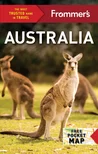
Australia Travel Guide
Australia is like nowhere else you’ve been. It has truly unique wildlife, some of the world’s best natural scenery, the most brilliant scuba diving and snorkeling, the best beaches, the oldest rainforest (110 million years and counting), the oldest human civilization (some archaeologists say 40,000 years, some say 120,000), the best wines, the best weather, the most innovative East-meets-West-meets-someplace-else cuisine—all bathed in sunlight that brings everything up in Technicolor. Prepare yourself for a lifetime of memories.
Scarcely a visitor lands on these shores without having a visit to the Great Barrier Reef at the top of their to-do list. So they should, because it really is a glorious natural masterpiece. Also high on most lists is Uluru, a sacred monolith that—rightly—attracts hundreds of thousands of tourists (including, in 2014, Britain’s Prince William and his wife Catherine, the Duchess of Cambridge). And it’s not just “The Rock” you should see; the vast Australian desert all around it is equally unmissable. The third attraction on most visitors’ lists is Sydney, Australia’s glittering harborside city.
Of course, there is much more to Australia than these highlights. Those who have more time will find that Tasmania, South Australia, Western Australia, and the Top End of the Northern Territory have much to offer as well. But you can’t do everything or go everywhere, so in this book I’ll introduce you to these three iconic attractions, as well as the places that are their gateways—Brisbane, Cairns, the coastal cities of Queensland that give you access to the Reef, and Alice Springs in the Red Centre—as well as Australia’s other major city, Melbourne, in Victoria.
In the listings throughout the book, NSW stands for New South Wales, QLD for Queensland, NT for the Northern Territory, and VIC for Victoria.
Start Exploring
Things To Do in Australia

A Nature Guide in Australia
Suggested Itineraries in Australia
In Depth in Australia
The Best of the Outback in Australia
The Best Native Cultural Experiences in Australia
The Best Outdoor Pursuits in Australia
The Best Small Towns and Villages in Australia
The Best Wildlife Watching in Australia
The Best Mid-Range Hotels in Australia
The Best Museums in Australia
The Best Luxury Hotels in Australia
The Best Dive Sites in Australia
The Best Hikes in Australia
The Best Inns and Bed & Breakfasts in Australia
Frommer's Favorite Experiences in Australia
Best Dining Bets in Australia
The Best Beaches in Australia
The Best Alternative Accommodations in Australia
By Car in Australia