
Konydigitaldesign
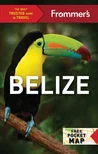
Belize Travel Guide
Squashed between Mexico and Guatemala in the luxuriantly green heart of Central America, Belize's natural beauty is staggering for a country of such tiny proportions. Whether you plan to hike the rainforest-draped mountains of Cockscomb Basin, scuba dive with sharks and kaleidoscopic fish in the world's second longest barrier reef, or unearth Mayan pyramids in jungly Caracol -- the toughest challenge, as every first-time visitor will tell you, is deciding what to do first.
Things to Do
Belize's cay-dotted barrier reef is a scuba-diving magnet, with the best action around Glover's Reef Atoll and Hol Chan Marine Reserve's famous Shark and Stingray Alley. Active types go caving in the limestone Cayo District, spot storks and kingfishers in Crooked Tree Wildlife Sanctuary's wetlands, and hike Cockscomb Basin Forest Reserve's mountains, home to endangered jaguars. Get in tune with the mysterious Mayan cosmos clambering over Caracol's jungle-draped pyramids to the backbeat of howler monkeys.
Shopping
Join cruise ship daytrippers in Belize City, browsing for art and Mayan-inspired jewelry at Fort Street or handicrafts like authentic stone and wood carvings at the National Handicraft Center. Laid-back shoppers pick up ceramics and bamboo crafts in San Pedro and Placencia. Buy a bottle of the ubiquitous Marie Sharp's Belizean Heat hot sauce for a lingering taste of Belize.
Nightlife and Entertainment
Belize is more famous for its raucous wildlife than nightlife, with its atolls attracting torch-bearing night divers. San Pedro is the exception with a string of beachfront cocktail bars and pumping clubs. Place your bets on where the chicken will make its next "drop" in Corona del Mar's Chicken Drop game (relocated from the Pier Lounge). There's gambling of a more glamorous kind at Belize City's Princess Hotel Casino. Placencia's barefoot bars are a relaxed place to kick back and try Belize's homegrown seaweed shake.
Restaurants and Dining
Belize's food is a cavalcade of Caribbean, African and Mayan influences. And as the country has become more popular with tourists, the variety of options for them has grown exponentially. Now when one visits San Pedro, Placencia, San Ignacio or Belmopan, the restaurant scene rivals what one would elsewhere in the Caribbean. That means a handful of affordable places geared towards locals, and two handfuls of pricier places whereincreasingingly accomplished chefs are helming the kitchen, and raising the standards of cuisine nationwide.
Start Exploring

Things To Do in Belize

Suggested Itineraries in Belize
In Depth in Belize
Active Pursuits in Belize
What's New in Belize
Frommer's Favorite Experiences in Belize
Best Dining Bets in Belize
The Best Hikes in Belize
The Best Views in Belize
The Best Natural Attractions in Belize
The Best Adventures in Belize
The Best Nightlife in Belize
The Best Ruins in Belize
The Best Family Vacations in Belize
The Best Bird-Watching in Belize
The Best Websites in Belize
The Best Scuba Diving in Belize
The Best Hotel Bargains in Belize
The Best Luxury Hotels in Belize
The Best Mid-Range Hotels in Belize