Lucky-photographer
Bermuda Travel Guide
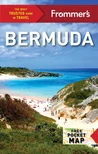
Set adrift in its own dreamy archipelago in the balmy Gulf Stream, this rich little oasis of pink-sand beaches and sparkling blue waters is simultaneously slightly British, slightly American, and very Bermudian. Whether you've come to unwind on Elbow Beach, shop among the pretty pastels and whites of historic Hamilton, or discover 400 years of history at Fort St. Catherine in St. George, you'll discover a pleasant mix of formal British culture dressed in a pair of Bermuda shorts.
Bermuda by the Numbers
Believe it or not, many visitors are surprised to learn that Bermuda is not anywhere near the Caribbean, even though its waters are turquoise in color. Located 665 nautical miles due east of Cape Hatteras, N.C., Bermuda is situated well within the mid-Atlantic Ocean, at a latitude and longitude of 34°N/64°W (common numbers that you’ll see on Lili Bermuda colognes and on novelty T-shirts). Another popular belief is that Bermuda is a singular island. Not so. An archipelago of more than 180 islands, islets, and cays, Bermuda is a nation connected by bridges and causeways and one that’s encircled by a thriving coral reef. Indeed, the reason why its waters are home to more than 400 shipwrecks. The most famous of them all is the Sea Venture, a three-masted schooner that crashed upon Bermuda’s shores in 1609, the year that English settlers first arrived on the island and a number you’ll spot nearly everywhere (like the Hamilton Princess restaurant simply named 1609 and the tiny jewelry shop, 1609 Design).
Things to Do
Sit by the bustling waterfront and take in the capital scene in Hamilton or step back in time in St. George. Take a morning swim with the kids at sheltered Tobacco Bay or a sunset dip at Elbow Beach. The clear waters and starched white coves of Warwick Parish are made for scuba diving and snorkeling. Marvel at the subterranean beauty of Crystal Caves. Away from the beach, discover the Verdmont Historic House Museum, with its period furnishings, or walk along the Bermuda Railway Trail for a closer look at the island's exotic wildlife.
Shopping
All sorts of shops are clustered along Front Street in Hamilton. Under the atrium in The Emporium, you can browse boutiques and jewelry stores, or stroll the Royal Naval Dockyard area on Ireland Island for crafts and island pottery. You can watch local artisans at work at the Bermuda Arts Centre.
Nightlife & Entertainment
Many of Bermuda's bars and clubs hug the busy waterfront at Front Street in Hamilton, where Victorian-era balconies offer Atlantic views. The nightlife scene continues in the streets leading uphill from the harbor. Many hotels host steel-drum or calypso bands, or you can head to LV's Piano Jazz Lounge, where live jazz is performed nightly. The little port of St. George and adjoining St. David's Island are loaded with pubs. Enjoy a pint at White Horse Tavern, the oldest pub in St. George.
Restaurants & Dining
Bermuda embraces a wide swath of American and European cuisines, but fresh seafood is still the default -- and best -- choice. Savor spiny lobster and wahoo steak in the elegant dining rooms of Sandys Parish or sink your teeth into shark hash and Bermudian rockfish in the restaurants along Hamilton's Front Street. For a cool treat, try the ice cream at island favorite Bailey's Ice Cream & Food D'Lites Restaurant in Hamilton Parish.