
Sergii Figurnyi / Shutterstock
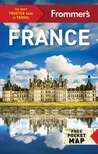
France Travel Guide
France presents visitors with an embarrassment of riches -- you may find yourself bewildered by all the choices. We've tried to make the task easier by compiling a list of our favorite experiences and discoveries. You'll find the kind of candid advice we'd give our closest friends.
To get to our advice on various regions of France, including cities, national parks, and important towns, scroll down this page. On the left side of the page, we list some of our favorite experiences and venues in the country.
If you click around, you should be able to find usable, smart advice for all parts of this enchanting country. Vive La France!
Start Exploring
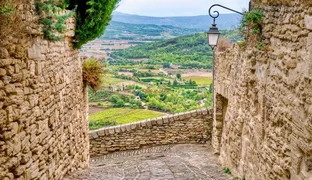
Things To Do in France
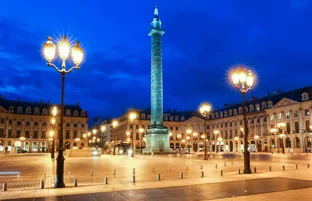
Suggested Itineraries in France
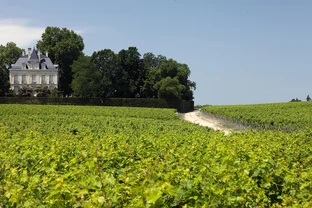
The Best Driving Tours in France
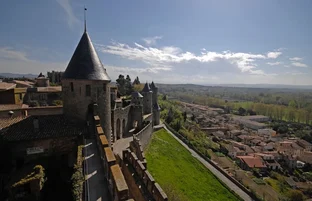
Frommer's Favorite Experiences in France
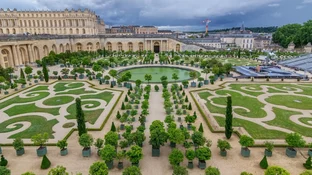
The Best Castles, Palaces and Historic Homes in France

What's New in France
In Depth in France
Undiscovered France
Best for Families
Best Beaches
Best Free Things to Do
The Best Museums in France
The Best Romantic Getaways in France
The Best Wines and Vineyards in France
The Best Historic Places to Stay in France
The Best Hotel Bargains in France
The Best Luxury Hotels in France
The Best Cathedrals in France
Best Dining Bets in France