| Home > Destinations > Middle East and Africa > Israel > Jerusalem > Attractions > Israel Museum |
|
|
||||||
![]() |
||||||
FREE Newsletters! |
Win a FREE Trip! |
|||||
|
|
||||||
|
|||||||||||||||||||||||||||||||||||||||||||||||||||||||||||||||||||||||||||||||||||||||||||||||||||||||||||||||||||||||||||||||||||||||||||||||||||||||||||||||||||||||||||||||||||||||||||||||||||||||||||||||||||||||
Israel Museum
|
|||||||||||||||||||||||||||||||||||||||||||||||||||||||||||||||||||||||||||||||||||||||||||||||||||||||||||||||||||||||||||||||||||||||||||||||||||||||||||||||||||||||||||||||||||||||||||||||||||||||||||||||||||||||
| Hours | Mon, Wed, Sat 10am-4pm; Tues 4-9pm; Thurs 10am-9pm; Fri 10am-2pm | ||
| Location | Ruppin St | ||
| Transportation | Bus: 9, 17, 24, or 99 | ||
| Phone | 02/670-8811 | ||
| Web site | www.imj.org.il | ||
| Prices | Admission NIS 40 ($8.80); special 2-time and multiple-entry tickets available for NIS 60 ($6.60) | ||
| Season | Closed Sun | ||
Frommer's Review
Note: This museum will be undergoing renovations until 2009. Some exhibits may not be open at all times. Call ahead.
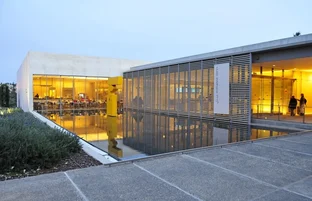
Opened in May 1965, this complex is an outstanding example of modern Israeli architecture. There are five main components: the Bezalel Art Museum, the Samuel Bronfman Biblical and Archeological Museum, the Billy Rose Art Garden, the Shrine of the Book, and the always lively and fascinating Children's Wing. All sections of the museum are worthy of a world-class institution, but the Shrine of the Book (containing the Dead Sea Scrolls); the Judaica Wing; and the Archeological Museum are totally unique and laden with treasures not found anywhere else in the world.
The Bronfman-Bezalel complex, in the main building and adjoining wings, houses a bookstore and gift shop in its lower level, as well as a snack bar and auditorium. Outside, to the left of the stairs, is the moderately priced museum cafeteria.
In this part of the museum, you'll find the Judaica Wing, composed of an unequaled collection of ceremonial artifacts from Jewish communities throughout the world. In one gallery, there are scores of fascinating Chanukah lamps from Europe, Asia and North Africa, each reflecting the architecture and design traditions of their places of origin. There are also silver Torah finials from around the world, ceremonial spice boxes; beautifully ornamented plates and trays for the Passover Seder; and containers for the etrog, a citron fruit that is part of the Succot tradition. Other rooms contain illuminated manuscripts from Iran, Poland, and Italy, a vast exhibit of costumes worn by Jews in the lands of the Diaspora, all displayed among the artifacts and elements of architecture that surrounded the daily life of each community. There is an entire, reconstructed interior of a 17th-century Italian synagogue from the Veneto region, as well as a delicately painted German succah (temporary harvest structure) from the 18th century in which a wealthy family would have dined outdoors, according to tradition, during the harvest festival of Succot. The recently transferred interior of a synagogue from Cochin, India, is one of the museum's newest treasures. Adjacent to the Judaica wing, the museum also exhibits European period rooms, and beyond that, rooms devoted to European art and contemporary Israeli art.
The Archeology Wing contains the world's largest collection of objects found in Israel. Among the most dramatic highlights drawn from thousands of years of history and prehistory are powerful stone and clay masks from Neolithic through early Canaanite periods; the mysterious and elegantly wrought hoard of copper wands, scepters, crowns and other objects (possibly ceremonial maces) from the Chalcolithic (Copper Age) sanctuary of a forgotten people (ca. 3500 B.C.), uncovered in the 1960s, where they were hidden in the depths of a cave overlooking the Dead Sea; and the illustrated mosaic floors and architectural elements of ancient Byzantine-era Jewish and Samaritan synagogues ranging from Hebron to the Galilee, including a delicately carved stone chancel screen, and a massive stone seat reserved for the most honored member of an ancient Jewish congregation.
Other important galleries expand the scope of the museum, and are very worth visiting. One contains a beautifully chosen collection of pre-Colombian Central American art from 2000 B.C. to A.D. 1550; another is an exceptional collection of Primitive and Tribal Art. A gallery adjacent to the Archeology wing houses a beautiful collection of ancient glass; in addition, there is the Walter and Charlotte Floersheimer Pavilion for Impressionist and Post-Impressionist Art with works by Corot, Monet, Renoir, Degas, Gauguin, Matisse, and others. The new Weisbord Pavilion, just across the walk from the museum's entrance building and gift shop, houses a small collection of works by Rodin as well as visiting exhibits of modern art.
Another remarkable part of the museum is an archaeological garden between the Shrine of the Book and the Youth Wing complex. It contains classical Greco-Roman sculptures, sarcophagi, and mosaics, most of which were discovered and excavated in Israel.
The Billy Rose Art Garden, on a 20-acre plot, has been impressively landscaped by the renowned Japanese-American artist, Isamu Noguchi. In the garden of semicircular earth-and-stone embankments is a 100-piece sculpture collection, which contains both classical and modern European, American, and Israeli works. Artists represented include Rodin, Zorach, Henry Moore, Picasso, Maillol, and Israeli sculptors, such as Channa Orloff.
Then there's the Shrine of the Book, with its distinctive onion-shaped top, contoured to resemble the covers to the clay containers in which the Dead Sea Scrolls were discovered. In addition to housing the prized Dead Sea Scrolls and the Bar Kochba letters, the underground shrine is the exhibition site for additional finds from Masada and other sites around the Dead Sea in which Jewish fugitives from the wars against Rome hid their most precious possessions.
On Saturday or holidays, you have to buy your tickets just outside the museum, from a local ticket agent. The museum is located south of the Knesset.
Note: This information was accurate when it was published, but can change without notice. Please be sure to confirm all rates and details directly with the companies in question before planning your trip.
| Back to Top |
| RSS | |||||||
|
Frommer's Israel, 5th Edition
Author: Robert Ullian |
Related Titles:
|
|||||||||||||||||||||
| Home | Destinations | Hotels | Trip Ideas | Deals & News | Book a Trip | Tips & Tools | Community | Bookstore | ||||||||||||||||||||||||
| About Frommer's | FAQ | Contact Us | Help | Site Map | Privacy Policy | Terms of Service | Advertise With Us | Frommers.biz | ||||||||||||||||||||||||
|
||||||||||||||||||||||||
| © 2000-2008 by Wiley Publishing, Inc. All rights reserved. | ||||||||||||||||||||||||
| Home > Destinations > Middle East and Africa > Israel > Jerusalem > Attractions > Israel Museum |