Pauline Frommer
Los Angeles Travel Guide
The allure of Los Angeles is undeniable. Angelenos know L.A. will never have the sophisticated style of Paris or the historical riches of Rome, but they lay claim to the most entertaining city in the United States, if not the world. It really is warm and sunny most days of the year, movie stars actually do live and dine among regular folk, and you can't swing a smartphone without hitting an in-line skater at the beach.
Things to Do
If you're going to spend any amount of time in Los Angeles, you'll need a car. How else are you going to squeeze in everything from window shopping on Rodeo Drive to cruising Pacific Coast Highway to exploring the historic buildings of downtown L.A. to visiting world-class museums like the Getty Center and LACMA?
Relaxation
L.A. can feel like one big amusement park, as the line between fantasy and reality is often obscured. Get out among the tanned and toned at Surfrider Beach in Malibu, or check out the Santa Monica Pier on a Segway.
Restaurants and Dining
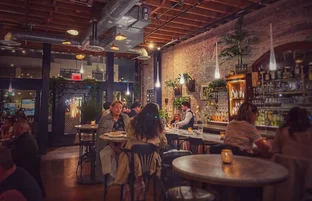
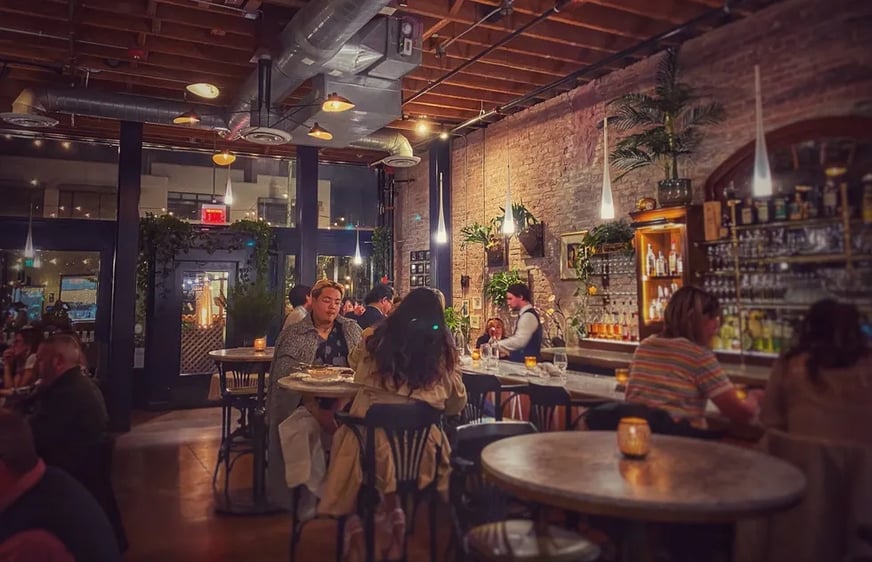
Los Angeles is an international atlas of exotic cuisines: Armenian, Chinese, Japanese, Lebanese, Persian, Peruvian, Thai, Vietnamese, and more. Like everything else in the city, much of L.A.'s dining culture revolves around celebrity-spotting, and places like The Ivy at lunch and Koi for dinner are usually safe bets. But in SoCal, sometimes it's the chefs themselves who are the real celebrities. Wolfgang Puck makes the rounds at Spago Beverly Hills and his other fine-dining restaurants when he is in town.
Nightlife and Entertainment
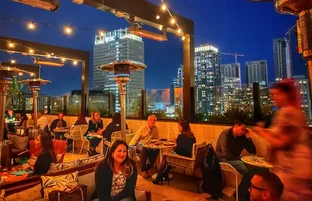
Nightlife in Los Angeles is hopping. Specifically, Hollywood is the happening place to be for drinking and dancing. Storied live music venues like the Roxy on the Sunset Strip, the Troubadour, and the Whisky A Go-Go continue to build new legacies nightly. Hotel bars across the city, from the Standard Downtown to the Mondrian's Skybar, still lure locals along with regular guests.