Mia2you / Shutterstock
Miami Travel Guide
Like Cher, you’d never know that Miami was over 130 years old and yep, both beauties have had some major work done. The Magic City has stayed magical all these years thanks to money—lots of it. As another ageless beauty, Dolly Parton, once said, “It costs a lot to look this cheap.”
But neither Dolly nor Miami look or are cheap, and it’s not just money keeping them in the headlines. Like that classic song that you can’t get out of your head, Miami’s beauty is beyond compare, an unforgettable, sexy seaside megapolis of magnificent architecture, arts, culture, couture, and controversy. It’s also a magnet for billionaires and people with backgrounds shadier than the ground under a palm tree canopy, but one thing it’s not? Boring. The surreal, Fellini-esque world that exists way down here at the bottom of the map is a colorful cocktail of seeing, being scene, and, at times, the obscene. But never the obvious. Nothing in Miami is ever what it seems.
The only thing you can’t do in Miami is snow ski. Not yet anyway. AI is probably taking care of that as you are reading this, but seriously, there is so much to do in Miami if you’re up for it—pools, beaches, water sports, land sports, biking, skating, scootering, Olympic-level people watching, shopping, fab dining, boating, celeb spotting, hotel, art gallery and museum hopping.
Bargain hunting, now that’s a toughie, but it is do-able. Pretty much anything is doable in Miami, even, yes, on a bit of a budget. Then again, Miami is also an ideal place in which to do absolutely nothing, which is the best free activity we can recommend. Doing nothing on a beach, at a pool, in a bustling Brickell café (ok, the coffee will cost you), with the backdrop of this bustling boomtown? Priceless.
Things to Do
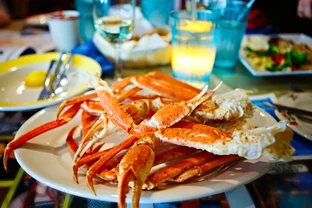
From water sports and sunbathing on Miami Beach to alligators in the Everglades, Miami lives outdoors. Play golf at Crandon Park, watch manatees on Coconut Grove's waterfront, scuba dive off Jupiter Beach or simply soak up the sun. On rainy days, you can visit one of the city's superb museums, head out for some retail therapy, or have a long lunch or dinner. Traditional Cuban meets spicy Caribbean and an ocean of seafood to create Floribbean cuisine, which is served at many Miami restaurants.