
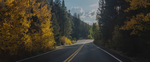



The Cascade Range, in many stretches of its span, receives significant visitation, but here in the northern reaches lies the largest wilderness in the state of Washington. Here gray wolves and grizzly bears still roam, and human encroachment is limited.
The North Cascades National Park Service Complex is at the heart of this region. Note the name; this is not just a park, but a complex, which includes the national park as well as Ross Lake and Lake Chelan national recreation areas. A 1988 act of Congress designated about 93% of the acreage of the entire complex the Stephen Mather Wilderness. Unlike many national recreation areas, both Ross Lake and Lake Chelan are wild and remote, with minimal development.
A trip beyond the highway corridor is a true wilderness experience. Hiking here takes time and preparation. Although there are several shorter trails, many attract the most rugged outdoorspeople to spend a few days or weeks to get reacquainted with the natural state of things. If you're prepared, there's nothing else like it in the continental United States.
Geologically speaking, the North Cascades are some of the most complex and least understood mountains in North America. These peaks were formed over millions of years as a tectonic plate drifting northward from the South Pacific slammed into the North American coast, causing the area's sedimentary rocks to buckle, fold, and transform. In some areas, the rock in the North Cascades is obviously the result of this collision and subsequent metamorphosis. In other areas, there is rock that predates the tectonic collision -- one upthrust mountain is believed to be 10 million years old.
Glaciation both past and present has further augmented geologic complexity in the North Cascades. In past ice ages, both alpine glaciers and the continental ice sheet covered this region. The visual legacy of this activity endures today in the wide U-shaped valleys carved out by the ice sheet. The single most fascinating legacy of this glaciation is Lake Chelan, which lies in the heart of the North Cascades southern section.
Note: This information was accurate when it was published, but can change without notice. Please be sure to confirm all rates and details directly with the companies in question before planning your trip.