radekcho / Shutterstock
Palma de Majorca Travel Guide
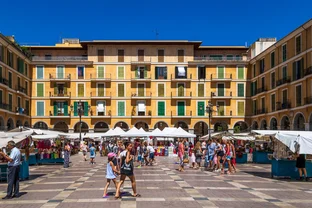
Palma, on the southern tip of the island, is the seat of government and has the lion’s share of hotels, restaurants, and nightclubs. Nearly half the island’s population lives in Palma (islanders call Palma simply Ciutat [City]). It’s the largest of the Balearic ports, its bay often filled with yachts and ocean liners. Arrival by sea is the most impressive, with the skyline characterized by Bellver Castle and the cathedral’s bulk.
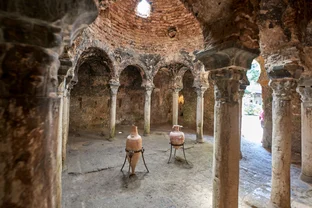
The Moors constructed Palma in the style of a Casbah, or walled city. Its foundations are still visible, although obscured by the high-rise hotels that have cropped up. Old Palma is typified by the area immediately surrounding the cathedral. Mazes of narrow alleys and cobblestone streets recall the era when Palma was one of the chief ports in the Mediterranean.
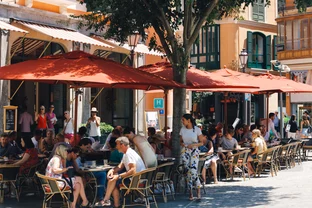
Today Palma is a bustling city whose massive tourist industry has more than made up for its decline as a major seaport. It's estimated that nearly half the island's population lives in Palma. Majorca attracts the largest number of visitors of any place in the Balearics.