
Zeluloidea / Shutterstock
Panama Travel Guide
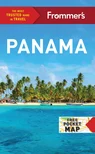
Panama has been called Central America's next must-see destination. Long stifled by the oppressions of the Noriega dictatorship, Panama has worked tirelessly to shake off a scarring reputation. Good thing: The political instability of the Noriega years obscured the country's enviable assets, including a kaleidoscopic landscape with some of the region's most glorious Caribbean beaches, pristine rainforests, and peaks blanketed in cloud forests. In Panama City alone, modern skyscrapers contrast with 18th century architecture, and a 10-minute cab ride from downtown puts you deep into rainforest teeming with wildlife. From the cool, fertile highlands in the Chiriquí region to the thick lowland jungle and white-sand beaches of Panama’s tropical islands, this tiny nation packs fun and adventure into a small package. In addition, Panama boasts a rich history and a melting pot of cultures, including seven indigenous groups, many of whom maintain their customs today. Best of all, the country is gloriously free of tourists. But get here soon—Panama is far too attractive to stay a secret for long.
Cities
Panama City bustles as a thriving commercial hub where modern skyscrapers and architect Frank Gehry's Biodiversity Museum share sightlines with 18th-century architecture. Colón is a large duty-free zone, but the city struggles with poverty and crime. Opt instead to see El Valle de Antón, a locale abloom with flowers nestled in the crater of the world's second-largest extinct volcano and ringed by steep, verdant peaks.
Countryside
The jungles of Panama's lowland rainforests harbor a sweltering tropical ecosystem. East of the canal, the Darien covers an untouched expanse of pristine forest, pure rivers, and intricate ecosystems. The Chiriqui Highlands and the Valle de Anton nurture dense cloud forests. Along the Pacific Coast where the mouths of rivers meet the ocean, extensive mangrove forests and swamps provide rich breeding grounds for marine wildlife.
Eating and Drinking
Panama melds Afro-Caribbean, indigenous and Spanish traditions in a fusion of tropical flavors. Look for the plump, juicy fruit of guava, pineapple, papaya and banana. It's a casual dining scene of beachfront cafes, diners, and roadside stands, or fondas. Platters are typically anchored by servings of rice cooked with coconut milk, beans, and fried green plantains. The national dish, sancocho, is a starchy chicken stew seasoned with cilantro. Indulge in the greasy goodness of empanadas: crunchy cornmeal pastries stuffed with meat.
National Parks
Much of the country's complex ecosystem of rainforests, virgin beaches, rugged peaks and underseas coral-reef gardens lies in protected national parkland less than two hours from the capital. Soberania is the diverse rainforest home of more than 500 bird species, the coatimundi and the three-toed sloth. Coiba is a gem of a coral reef rimmed in white-sand beaches. Isla Bastimentos blends virgin rainforest and turquoise seas with two castaway islands complete with sugary sand and excellent snorkeling.
Start Exploring

Things To Do in Panama

Suggested Itineraries in Panama
Active Pursuits in Panama
In Depth in Panama
What's New in Panama
The Best Destinations for Families in Panama
The Best Inns and Bed & Breakfasts in Panama
The Best Luxury Hotels in Panama
The Best Natural Attractions in Panama
The Best Bird-Watching in Panama
The Best Day Hikes & Nature Walks in Panama
The Best Ecolodges & Wilderness Resorts in Panama
Frommer's Favorite Experiences in Panama
Best Dining Bets in Panama
The Best Adventures in Panama
The Best Beaches in Panama
Best Authentic Experiences