Catarina Belova / Shutterstock
Paris Travel Guide
Paris is a magnificent city, worthy of all the superlatives that have been heaped upon it for centuries. Its graceful streets, soaked in history, really are as elegant as they say. Its monuments and museums really are extraordinary, and a slightly world-weary fin-de-siècle grandeur really is part of day-to-day existence. But Paris is so much more than a beautiful assemblage of buildings and monuments. It is the pulsing heart of the French nation.
When you look beyond its beautiful facade, however, you’ll see that this is a city where flesh-and-blood people live and work and a place with a palpable urban buzz. Not only is Paris the nation’s capital; if you include the suburbs, it is home to 20 percent of the country’s population and the source of most French jobs. For the best in art, culture, and business, all roads lead to Paris.
Not all that long ago, Paris was not only the navel of France but also the shining beacon of Europe. All the continent’s greatest minds and talents clamored to come here: The city seduced Nietzsche, Chopin, Picasso, and Wilde, and then in the 1920s it drew Hemingway and the Lost Generation of American writers and artists. After World War II, it became the iconic backdrop of a new form of cinema: La Nouvelle Vague (the French New Wave), with many cineastes engaging with the political and social unrest of the time.
It is true: From before the French Revolution to the terrorist attacks of 2015, Paris has played center stage to turmoil—much of it romanticized (think “Les Misérables”), some of it too recent to properly put into perspective. But one thing is certain: Upheaval has always been as much a part of its urban makeup as the Seine—which is why Paris’s coat of arms features a boat and the motto FLUCTUAT NEC MERGITUR (“She is tossed by the waves but does not sink”), a reminder that no matter what happens, Paris will prevail and protect those within her walls.
And it’s true. Despite the heartache of recent years, the Covid-19 pandemic included, Paris is still a bastion of the best of French culture. The culinary legacy alone is enough to fill several books. You can eat your way to nirvana in the city’s restaurants, gourmet food stores, and bakeries. The architecture ranges from the lavish opulence of Place Vendôme to the contemporary quirkiness of the Fondation Louis Vuitton. The city is also home to some of the world’s greatest museums, including the legendary Louvre. And let’s not even get into the city’s concert halls, nightspots, parks, gardens, and cafes—at least not just yet. Even if you have time to see only a fraction of what you’d like to see, in the long run, it really won’t matter. What counts is that you’ll have been to Paris, sampled its wonders, and savored the experience—and that counts for a lot.
Things to Do
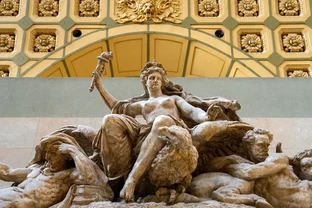
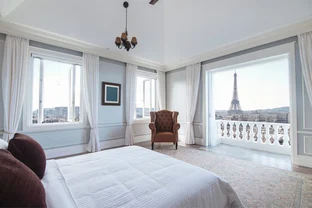
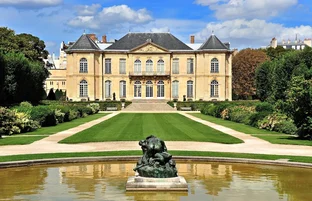
Comfy shoes are essential for this city of a thousand walks, landscaped gardens, and cavernous galleries. Reserve your ticket for speedy access to the Louvre (see above), which sidles up to the sculpture-dotted Jardin des Tuileries. Across the Seine on the Left Bank, take your pick from Impressionist hangout Musée d'Orsay, Notre-Dame's Gothic grandeur (seen from afar, for now, thanks to a devastating fire in 2019) and Musée Rodin's Kiss sculpture. Okay, you really can't leave without seeing Paris light up from the Eiffel Tower, open till midnight.
Restaurants and Dining
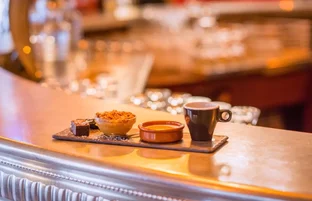
Good food is a birthright and its appreciation a rite of passage in Paris, where a meal — sometimes even coffee — can last hours. For a memorable splurge, book one of the city's opulent three-star palace restaurants, like Le Grand Véfour or L'Astrance, or book ahead for a table at one of the trendy bistronomiques that combine gastronomy with bistro pricing.
Shopping
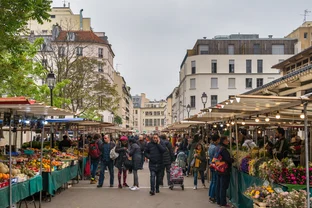
Parisians luxuriate in shopping — bidding shopkeepers bonjour and pausing to lèche-vitrines ("lick the windows," or window shop). Saunter the boutiquey Marais for home-grown fashion, or voguish rue Saint-Honoré, for more high-end labels. Where else can you find such palatial department stores as chic Le Bon Marché, Art Nouveau Printemps, or monumental Galeries Lafayette? Antiques, bric-a-brac, vintage Chanel — it's all at the charming Porte de Vanves weekend flea market; arrive early for bargains and stay for brunch.
Nightlife and Entertainment
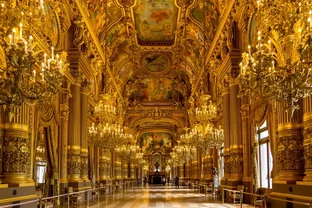
Ballet and opera at the glittering Opéra Garnier, Molière classics at the Comédie Française, and cancan at the (in)famous Moulin Rouge — Paris nightlife reaches from sublime to borderline sleazy. A young, trendy crowd parties around the Bastille, gay Marais, and the effortlessly hip bars in Oberkampf, where DJs play at industrial-chic Nouveau Casino. Dress to the nines to slip past picky doormen in clubs around Champs-Élysées, and rock the Seine dancing to techno on moored party boat Batofar.