Travel Coffee Book/Pixabay
Rome Travel Guide
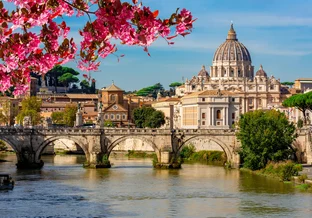
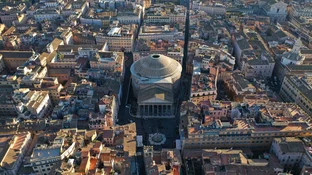
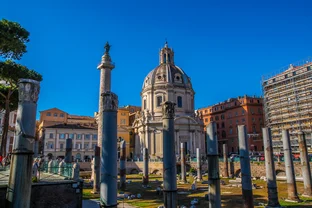
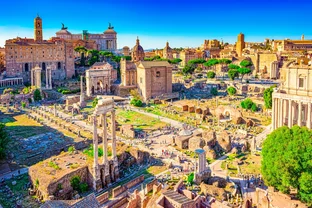
Once it ruled the Western World, and even the partial, scattered ruins of that awesome empire, of which Rome was the capital, are today among the most overpowering sights on earth. To walk the Roman Forum, to view the Colosseum, the Pantheon, and the Appian Way—these are among the most memorable, instructive, and illuminating experiences in all of travel. To see evidence of a once-great civilization that no longer exists is a humbling experience that everyone should have.
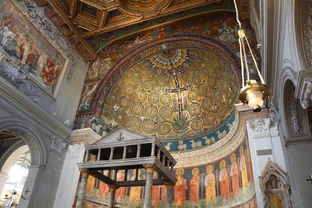
As a visitor to Rome, you will be constantly reminded of this city’s extraordinary history. Take the time to get away from the crowds to explore the intimate piazzas and lesser basilicas in the back streets of Trastevere and the centro storico. Indulge in eno-gastronomic pursuits at coffee bars, trattorias, enotecas and gelaterias. Have a picnic in Villa Borghese or climb to the top of the Gianicolo for million-dollar views. Rome is so compact that without planning too much, you’ll end up stumbling across its monuments its simpler pleasures.
Walk the streets of Rome, and the city will be yours.
Strategies for Seeing Rome
With so many sights to see in Rome and so many people trying to see them, you need to plan your days efficiently in order to save time, avoid long lines, and get the most for your money. These insider tips will help you spend your time in Rome wisely and well.
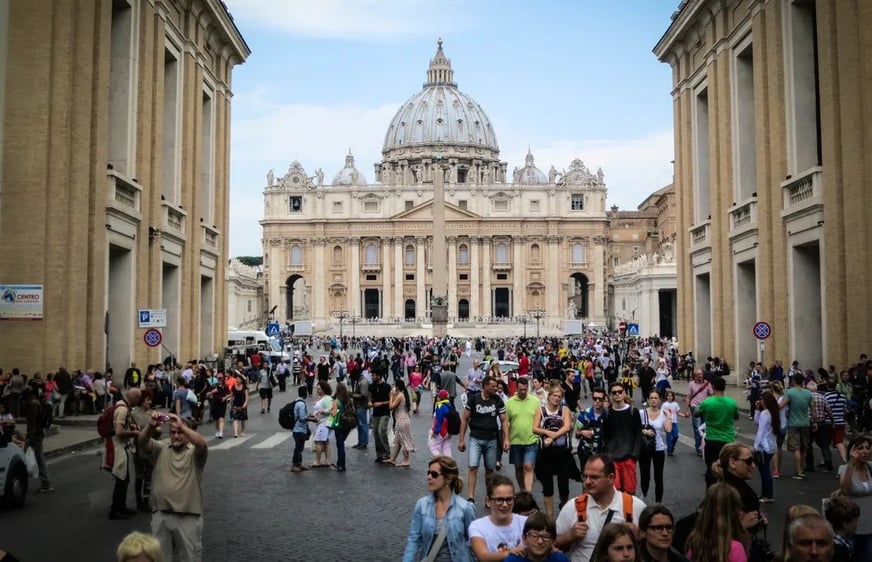
Bypass the lines. Advance tickets are sold online for the Colosseum and the Vatican Museums, and are required for the Galleria Borghese. Absolutely buy ahead. That means picking an exact date and time slot for entry, but that won’t feel so onerous when you skip past the long queues of tourists who didn’t plan ahead. An Omnia card also includes skip-the-line privileges for the Vatican Museums. Alas, unless you book a private tour, there’s no way to jump the line to enter St. Peter’s Basilica; arrive early in the morning, before the basilica opens, or late in the afternoon for the shortest wait.
Avoid ancient overload. Even though they’re all included on the same ticket, the Colosseum, Roman Forum, and Palatine Hill are a lot to take in on a single day, particularly in the heat of a Roman summer. Take advantage of the 2-day window your ticket allows. See the Forum and Palatine on your first day, then on the second day hit the Colosseum right when it opens, before the crowds pile in. Be sure to buy your timed-entry tickets well in advance of your visit.
Pick a less popular time slot. When buying a timed ticket to the Vatican Museums, Galleria Borghese, or elsewhere, pick a lunchtime or late-afternoon slot, when you’re likely to encounter fewer crowds. Or consider seeing the Vatican Museums on a Friday night or on an early-bird tour, which includes breakfast.
Walk the side streets. On a day when Rome is packed with tourists, avoid Via del Corso and the narrow arteries linking the Pantheon and Trevi Fountain—they’re crowded with slow-moving tour groups, unlicensed vendors, and, alas, pickpockets. You can cover the same ground much more pleasantly if you navigate along the side streets and alleys that take you to the same place. Just keep your map or GPS handy.
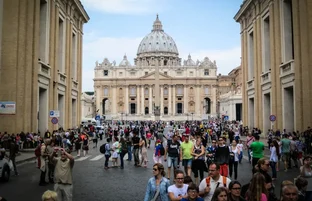
Plan around Sunday closures. The Vatican Museums and the catacombs of the Appian Way are closed on Sundays. St. Peter’s remains open, but be aware that crowds descend for the Pope’s noontime blessing on St. Peter’s Square. The Campo de’ Fiori market and other produce markets are closed on Sunday as well.
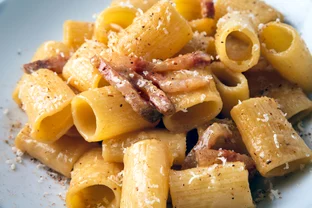
Don’t dine in the shadow of monuments. With few exceptions, dining with a view of Piazza Navona, the Pantheon, or Campo de’ Fiori means unforgettable photo ops and overpriced, absolutely forgettable cuisine. Head instead for any of the hidden trattorie of Rome’s cobbled side streets. When in doubt, follow the Italians—they always seem to know where to eat well!