Saintdags / Shutterstock
San Jose, Costa Rica Travel Guide
Although most tourists enter Costa Rica through the international airport just outside this city, few travelers take the time to soak in San José’s gritty charm. Costa Rica’s bustling capital and population center is not a bad place to hang out for a few days, or to get things done that can’t be done elsewhere, but it isn’t a major tourist destination. Still, that lack of tourism makes the city feel uniquely Tico. And because San José is the country’s biggest urban center, it has varied and active restaurant and nightlife scenes, museums and galleries worth visiting, and a steady stream of theater, concerts, and other cultural events that you won’t find elsewhere in the country.
Yes, San José can come across as little more than a chaotic jumble of cars, buses, buildings, and people. The central downtown section of the city exists in a near-constant state of gridlock. Antiquated buses spewing diesel fumes and a lack of emission controls have created a brown cloud over the city’s sky. Sidewalks are poorly maintained, narrow, and overcrowded, and street crime is a perennial problem.
Founded in 1737, San José was a forgotten backwater of the Spanish empire until the late 19th century, when it boomed with the coffee business. At 1,125m (3,690 ft.) above sea level, San José enjoys springlike temperatures year-round and its location in the Central Valley—the lush Talamanca Mountains rise to the south, the Poás, Barva, and Irazú volcanoes to the north—makes it both stunning and convenient as a base of exploration
The Best San José Experiences
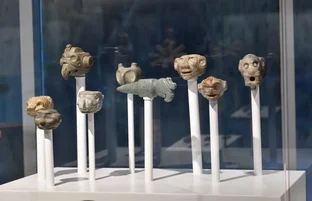
* Taking In the Riches at the Gold Museum: With more than 2,000 pieces spread over three floors, the Gold Museum provides a fascinating look into the pre-Columbian artistry that inspired colonial-era quests, conquests, and excesses.
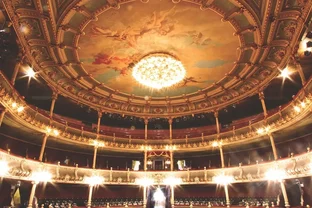
* Catching a Show at the National Theater: Completed in 1897, and fronting the downtown Plaza de la Cultura, the National Theater is beautiful and well-preserved. It features a stunning marble entryway, a series of marble sculptures, and intricate paintings and murals throughout. It also hosts concerts, theater performances, and special events.
* Basking in Tropical Opulence at a Boutique Hotel: Throughout the late 18th and early 19th centuries, newly rich coffee barons built beautiful mansions around downtown San José. Today, many of these have been converted into charming boutique hotels.
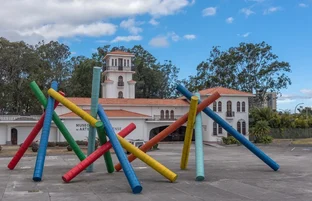
* Visiting the Costa Rican Art Museum and La Sabana Park: Inhabiting the country’s first airport terminal building, the Costa Rican Art Museum houses the country’s greatest art collection—from colonial times to the present. Just outside its doors lies La Sabana Park, where you can spend the afternoon relaxing in the grass or practicing any number of sports and activities, alongside some newly made Tico friends.
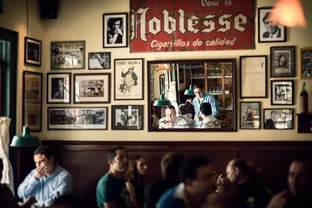
* Sampling the Food and Nightlife of Barrio Escalante: San José is Costa Rica’s culinary capital. Period. The country’s best restaurants are here, serving progressive Costa Rican fare you won’t find elsewhere, and the majority of them are located in an around happening Barrio Escalante. There are a variety of different types of eateries, plus wine bars, brew pubs, and bustling food halls setting it apart from the touristy eating scenes on the coast.