Ayman Haykal / Shutterstock
St. Augustine Travel Guide
105 miles NE of Orlando; 302 miles N of Miami; 39 miles S of Jacksonville
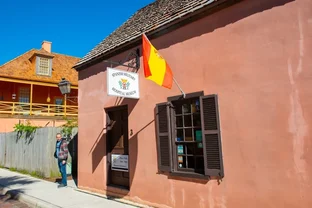
America’s oldest permanent European settlement, St. Augustine draws history buffs and romantics to its Colonial Spanish Quarter and 18th-century buildings. With its coquina buildings and sprawling, moss-draped live oaks, visitors can do more than just museum hop. St. Augustine encourages guests to sit down for a while, and to drink in scenes from the past along with a chilled glass of sweet tea.
Tourism is St. Augustine’s main industry these days. However, despite the number of visitors, it’s an exceptionally charming town, with good restaurants, a small-town nightlife, and shopping bargains. Give yourself 2 days to tour the magnolia-lined streets of old St. Augustine, longer to fully savor this historic gem.
Things to do in St. Augustine, Florida
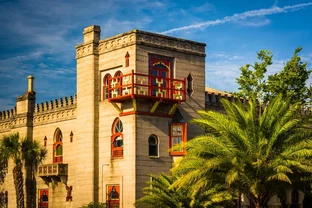
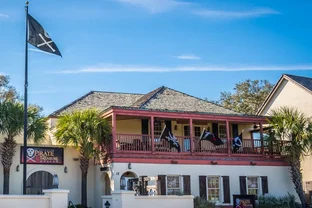
Historic sites top the list in this 16th-century town. The top attractions include the Oldest House Museum Complex and Gardens, the Oldest Wooden Schoolhouse from the earliest days of Florida, and the amazing Lightner Museum, a Victorian-era mansion packed with all kinds of curios and memorabilia.
Shopping in St. Augustine, Florida
Spanish-influenced home decor and furniture fill the antique shops and galleries in the historic district. Glossy oak tables, Mediterranean-style tiles, and silver bric-a-brac fill display windows along Aviles Street and St. George Street.
Nightlife and Entertainment in St. Augustine, Florida
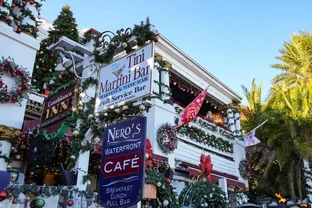
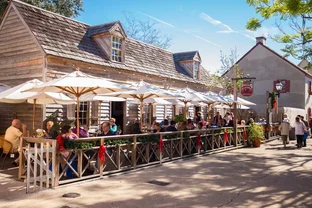
Old Town St. Augustine amps it up on weekends and it’s five o’clock always at the beach bars of St. Augustine and Ponte Vedra Beach. Check out the Mill Top Tavern and Listening Room, a warm and rustic bar housed in a 19th-century mill building (the water wheel is still outside), the Tini Martini Bar at the Casablanca Inn, and the very cool Ice Plant Bar, housed in a 1927 industrial warehouse.
Top Restaurants in St. Augustine, Florida
Spicy food lovers, St. Augustine has something special for you: the Datil, one of the hottest peppers you’ll ever find. Restaurants across town add whole and ground Datils to their menus. August Heat Co. sells an assortment of Datil delicacies you can take home with you. The gaudy neon stripes covering its exterior are just the beginning at Gypsy Cab Company, where the inventive menu constantly changes.