Caterina Belova/Shutterstock
Venice Travel Guide
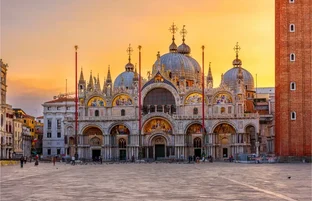
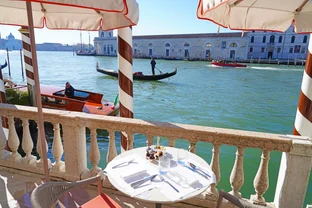
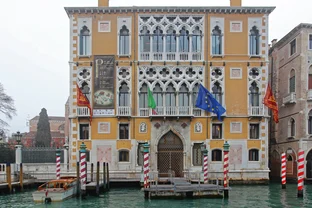
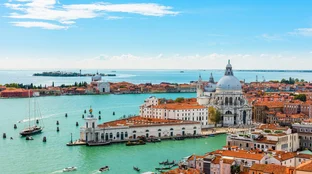
Lord Byron called Venice (Venezia) "a fairy city of the heart." La Serenissima, "The Most Serene," is an improbable cityscape of stone palaces that seem to float on water, a place where cats nap on Oriental marble windowsills set in colorful plaster walls. Candy-striped pylons stand sentry outside the tiny stone docks of palazzi whose front steps descend into the gently lapping waters of the canals that lace the city.
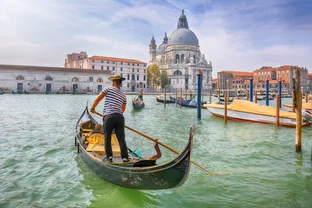
In Venice, cars are banned -- every form of transportation floats, from water taxis and vaporetti (the public "bus" ferries) to ambulance speedboats and garbage scows. Venice is a place where locals stop at the bacaro (wine bar) to take un ombra (literally "a little bit of shade," in practice, a glass of wine) and munch on cicchetti (tapaslike snacks) or linger over exquisite restaurant seafood dinners.
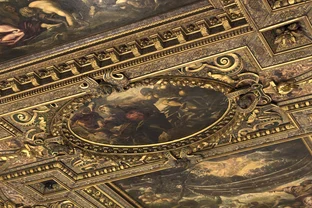
It is also a city of great art and grand old masters. Venetian painting featured early masters such as the Bellini clan -- Jacopo from the 1420s, sons Giovanni and Gentile from the 1460s. By the early 1500s, Venice had taken the Renaissance torch from Florence and made it its own, lending the movement the new color and lighting schemes of such giants as Giorgione, Tiziano (Titian), Paolo Veronese, and Tintoretto.
So much for Venice the Serenissima. There's also Venice the insanely popular and overcrowded. Certainly, the tourists can seem inescapable, and prices can be double or triple here what they are elsewhere in Italy.
But visitors flock to this canalled wonder for very good reason: Venice is extraordinary, it is magical, and it is worth every cent. Its existence defies logic, but underneath its otherworldly beauty and sometimes-stifling tourism, Venice is a living, breathing, singular city that seems almost too exquisite to be genuine, too fragile to survive the never-ending stream of visitors who have been making the pilgrimage here for 1,500 years.
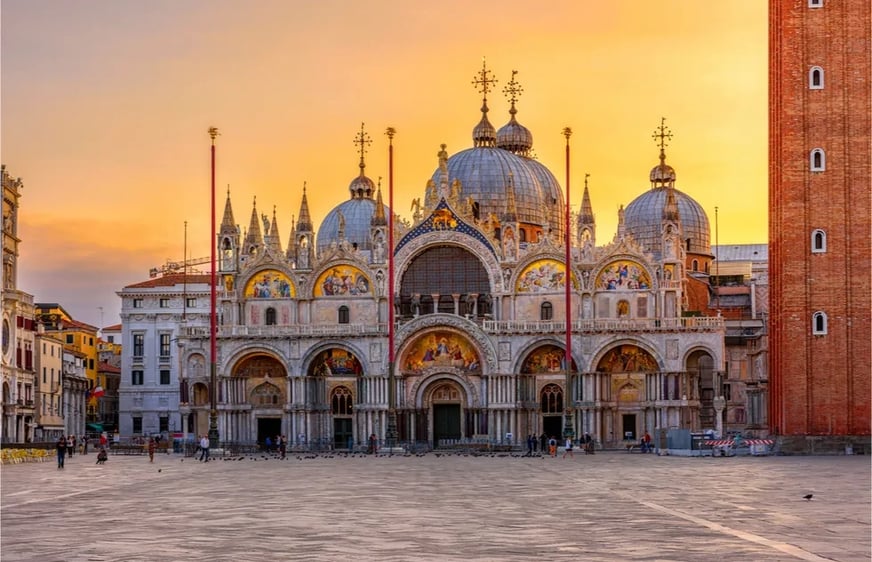
In its position at the crossroads of the Byzantine and Roman -- later Eastern and Western -- worlds, Venice, over many centuries, acquired a unique amalgamated heritage of art, architecture, and culture. And although hordes of traders and merchants no longer pass through as they once did, Venice nonetheless continues to find itself at a crossroads: an intersection in time between the uncontested period of maritime power that built it and the modern world that keeps it ever-so-gingerly afloat.
It is a great disservice to allot Venice the average stay of 2 nights and 3 days (it sometimes takes the better part of a day just to find your hotel). If you can, stay at least 3 nights and preferably longer -- Venice has the potential to be the highlight of your travels through Italy.
Leave your heels and excess luggage at home, and make sure to toss the map and this guide in your daypack for at least an afternoon, turn left when the signs to the sights point right, and get lost in the back calli (streets) and uncrowded campi (squares) where tourists seldom tread, and you will encounter the true, living, breathing, gloriously decaying side of this most serene city.