Sergey Novikov / Shutterstock
Vienna Travel Guide
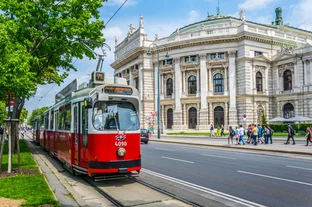
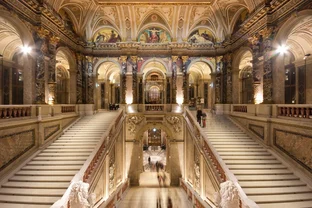
A whirl of gilded Hapsburg palaces and regal parks on the banks of the blue Danube, Vienna is a fine romance of a city. Tradition and innovation walk hand in hand: Strauss waltzes are still hip to 20-something ball-goers and even the imperial stables have been born again as the surprising and vibrant Museum Quarter. The Viennese love Gemütlichkeit (relaxation), so this city is to be savored not rushed, whether you're indulging in a dark chocolate Sachertorte in a chandelier-lit coffee house or rising gently above the twinkling Prater in the Riesenrad Ferris wheel.
Things to Do
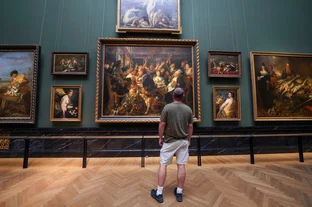
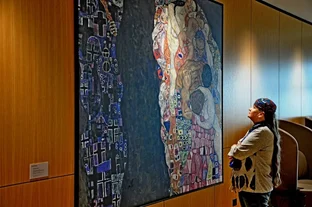
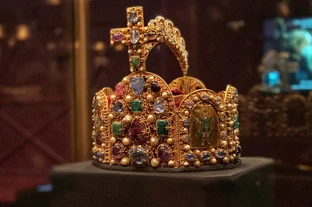
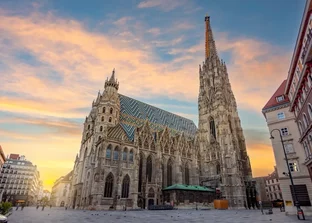
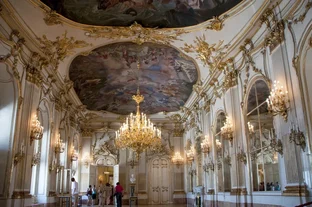
For many the Hofburg Imperial Palace is Vienna, with its prancing Lipizzaner stallions and lavish apartments the Hapsburgs called home for 600 years. Take a horse-drawn Fiaker carriage to clip-clop through the stately Innerestadt to Gothic St Stephan's Cathedral nearby. Picasso and Warhol hang at the avant-garde Museum Quarter, but romantics are more drawn to Klimt's shimmering The Kiss and the landscaped gardens at the baroque Belvedere Palace. As dusk falls, leave the Prater's merry-go-rounds and watch the iconic Riesenrad (Ferris Wheel) cast a magical spell.
Shopping
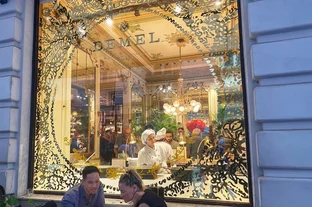
Viennese mornings mean shopping at the Naschmarkt, where locals bag the freshest produce and creamiest Austrian cheeses before breakfasting on sugary Kaiserschmarrn (caramelized pancakes). Those with the means shop for made-to-measure fashion and handmade Augarten porcelain on elegant Graben and Kärntner Strasse, pausing for tea, scones and a gift-wrapped tin of candied violets in Demel's rococo salon. The arty Neubau district is dotted with galleries, concept stores and quirky boutiques run by young creatives.
Nightlife and Entertainment
Ball season or not, there's always a reason to dress up in this music-loving city. Book tickets for the revered Vienna Philharmonic in the Musikverein's Golden Hall or the opera at the neo-renaissance Staatsoper. Fir branches dangle above the doors of Vienna's vaulted Heuriger (wine taverns), where you can chat over home-grown Rieslings and Grüner Veltliners. Upbeat pubs fill Bermuda Triangle and the Danube Canal.
Restaurants and Dining
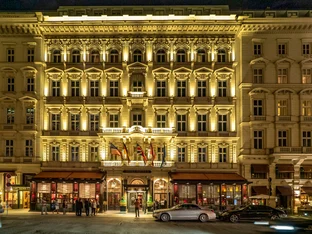
If you want chandelier-lit splendor or wood-paneled coziness, there's a coffeehouse with your name on it. The quintessential Viennese experience involves contemplating the world over rustling newspapers, Sachertorte chocolate cake with whipped cream and a Brauner (espresso with milk). You'll still find classics like wiener schnitzel and Tafelspitz (boiled beef with horseradish) in the Innerestadt district, but Vienna's evolving scene includes late-night dining and world flavors in Mariahilf and trendy supper clubs with DJs in Neustadt.