Village Historique Acadien

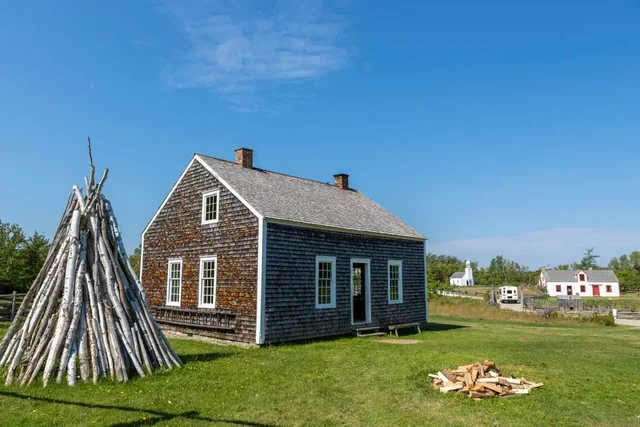
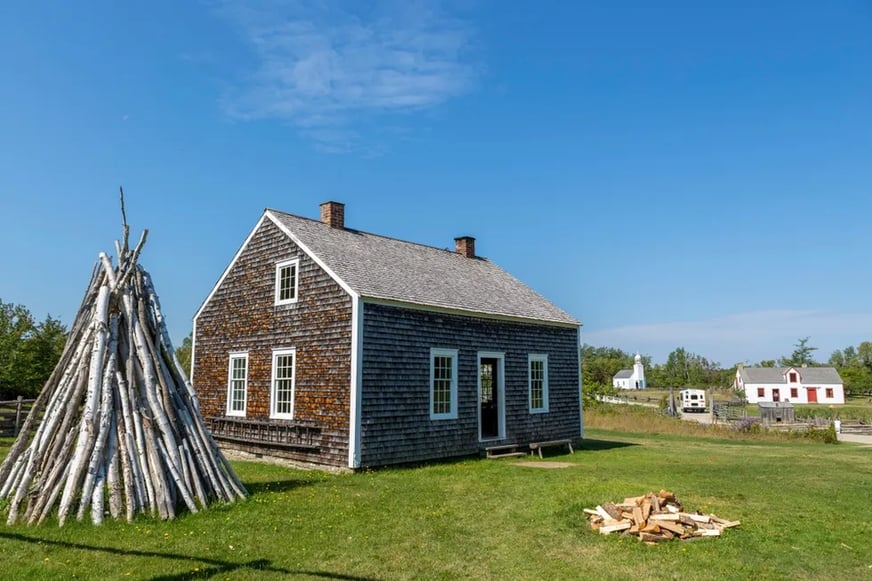
This historic village is to the Acadian coast what Kings Landing (see the Fredericton section) is to central New Brunswick. But there are many differences. For one thing, the historic time period it interprets is much longer. Some 45 buildings—most transported from villages elsewhere on the peninsula—depict life as it was lived in Acadian settlements between 1770 and 1950. The buildings are set among hundreds of acres of woodlands, marshes, and fields. You’ll learn all about the settlement, deportation, and resettlement of the Acadians from interpreters in period clothing playing characters who also demonstrate skills ranging from letterpress printing to blacksmithing. If you decide to go to only one historic village on your vacation in the province, this should be the one. Plan on spending 4 to 8 hours on-site.
Visitors can stay onsite at the Chateau Albert Hotel (tel. 877/721-2200) which replicates the experience of staying in a fine hotel from the last century (C$190–C$240; ask about packages that include dinner theater and site admission). This hotel is open late June to mid-August daily, then Thursday to Saturday until mid-September. Rooms are snug and wonderfully peaceful due to the lack of phones and televisions (to fit the period); there’s a dining room, convivial bar area, and lost-in-time vibe.
There are also several restaurants within the village. The simple, hearty 18th- and 19th-century traditional Acadian cooking in La Table des Ancêtres at the reception center is a must for those who love food history, a chance to sample Fricot, Poutine, Fayots, and more. The hotel dining room is home to musical dinner
This historic village is to the Acadian coast what Kings Landing (see the Fredericton section) is to central New Brunswick. But there are many differences. For one thing, the historic time period it interprets is much longer. Some 45 buildings—most transported from villages elsewhere on the peninsula—depict life as it was lived in Acadian settlements between 1770 and 1950. The buildings are set among hundreds of acres of woodlands, marshes, and fields. You’ll learn all about the settlement, deportation, and resettlement of the Acadians from interpreters in period clothing playing characters who also demonstrate skills ranging from letterpress printing to blacksmithing. If you decide to go to only one historic village on your vacation in the province, this should be the one. Plan on spending 4 to 8 hours on-site.
Visitors can stay onsite at the Chateau Albert Hotel (tel. 877/721-2200) which replicates the experience of staying in a fine hotel from the last century (C$190–C$240; ask about packages that include dinner theater and site admission). This hotel is open late June to mid-August daily, then Thursday to Saturday until mid-September. Rooms are snug and wonderfully peaceful due to the lack of phones and televisions (to fit the period); there’s a dining room, convivial bar area, and lost-in-time vibe.
There are also several restaurants within the village. The simple, hearty 18th- and 19th-century traditional Acadian cooking in La Table des Ancêtres at the reception center is a must for those who love food history, a chance to sample Fricot, Poutine, Fayots, and more. The hotel dining room is home to musical dinner
Details
Bookstore

Available as paperback
and as e-book.