Palacio Real

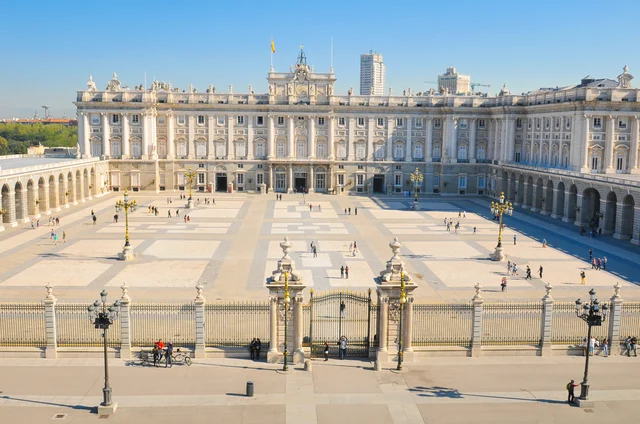
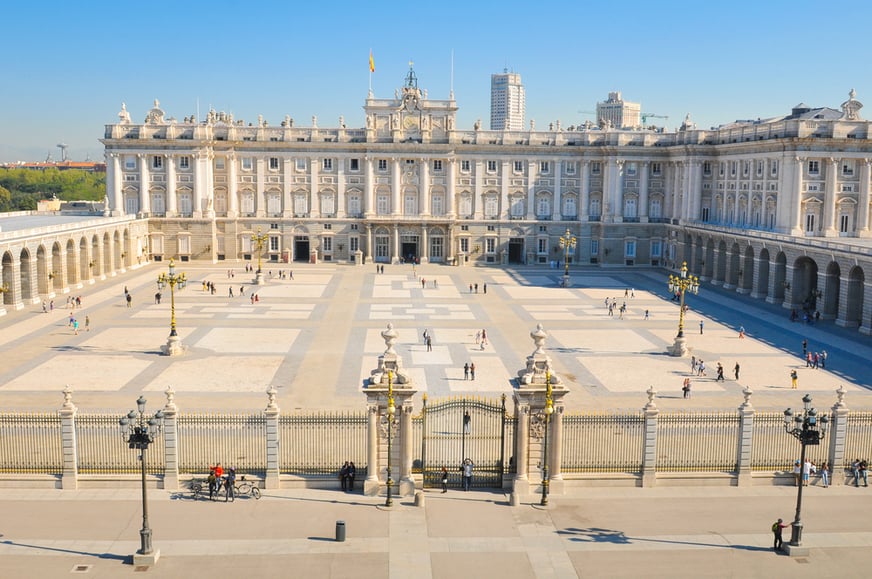
When the old royal palace—a dank, dark alcázar captured from the Moors in 1086—burned down in 1734, Felipe V ordered a new palace designed to rival his French cousins’ home at Versailles. Having wrested the throne from the Habsburg line in the War of Spanish Succession, it was important for this first Bourbon to eclipse the previous royal dynasty. (He was literally minting coins with the gold and silver flowing from the New World colonies, so money was no object.) The finished product is one of the largest and most lavishly decorated palaces in Europe. Construction began in 1738, and in 1764 Felipe’s younger son, Carlos III, finally moved into the 3,000-plus room complex (it was originally intended to be four times larger). Most rooms are reserved for state business, but a significant portion of the palace is open for tours. It remains the official residence of the royal family, although no monarch has lived here since Alfonso XIII fled Spain in 1931. The current royal family lives in the relatively modest Palacio de la Zarzuela outside Madrid.
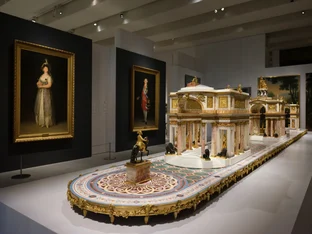
You can queue to buy tickets at the box office on Plaza de la Armería, but it’s far simpler to buy them in advance online, choose a timeslot, and show the ticket on your phone. The best times to visit are early in the day or at Spanish lunchtime around 2pm, when numbers fall. You have several options. In addition to the basic palace visit, which costs 14€, you can take a guided tour of the Royal Kitchens for an additional 6€, and visit the Royal Armory which is included in the cost of the ticket. If you have time, it’s worth doing all three. An audio guide on your phone costs another 5€. Another option is to buy a combined ticket giving access to the Palace and the new Royal Collections gallery, which costs 24€. When purchasing tickets, take care to buy only from the official site (tickets.patrimonionacional.es) and not from deceptively similar looking sites which will charge more.
Once through security, most people make a dash for the palace. To sidestep the rush, head instead to the Real Armería (Royal Armory). Here you can get the measure of early Spanish royalty, whose suits of armor were personally tailored. Felipe I, the handsome Habsburg who married Juana la Loca (daughter of Isabel and Fernando) in 1496, stood nearly 6 feet tall—a giant in his day. You may recognize Carlos V’s armor from the equestrian painting by Titian that hangs in the Prado. It is striking how tiny the great emperor was. You can also see his parade helmet, with etched golden hair and beard, weighing nearly 8lbs (3.6kg), and a suit of armor made for his hunting dog.
Once you enter the palace proper, you’re not allowed to backtrack on the rigidly delineated tour through dozens of heavily decorated rooms. An imperial staircase, made from a single piece of marble, leads to the Hall of the Halbardiers where you’ll see the first of two wonderful ceiling frescos by the Venetian artist Gianbattista Tiepolo, the great Rococo painter of the 18th century. Invited to Spain by Charles III in 1761, he started work on them when he was already well into his 60s (he never returned to Venice). On the ceiling of the magnificent, mirrored Throne Room is his master work, The Apotheosis of the Spanish Monarchy, an extraordinary piece of political flattery of the king who was paying the bills. It depicts Spain in allegorical form surveying the globe from the clouds, assisted by a panoply of Roman gods. The opulence of the rooms that follow is almost unnerving. You’ll see the drawing room where Carlos III had lunch, the over-the-top Gasparini Room where he dressed, and the bedroom where he died. Many of the rooms are lined with tapestries made at the Real Fabrica de Tapices, but most of the paintings—including pictures by Goya, Velazquez, and Caravaggio—are copies of originals which hang in the Prado. Other highlights include the Stradivarius room, with the world’s only string quintet by the great violin maker, and what remains of the royal silver and china collection. (Joseph Bonaparte sold off the best pieces to finance French military adventures.) Finally, you’ll reach the vast, chandeliered State Dining Hall, first used by Alfonso XII in November 1879 to celebrate his marriage.
The Real Cocina (Royal Kitchen) brings you back down to earth. These heavy stone cellars, rebuilt in the 1860s, show the below-stairs side of royal life. There are hundreds of copper pots and pans, fish kettles, terrine molds—enough to cater state dinners for 140 people—and an early telephone, no doubt for conveying regal culinary commands. The cellars hold wine barrels with labels from Chateau d’Yquem to Tío Pepe, and display menus detailing the wines served on various state occasions.
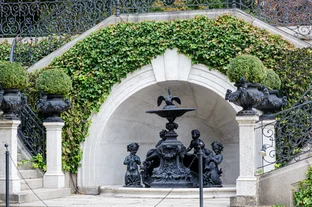
Afterwards, clear your head with a wander in the Jardines de Sabatini. Construction of the gardens began in the 1930s on the site of the former royal stables. Formally laid out with a box hedge maze, ponds, and marble sculptures, they were opened to the public by King Juan Carlos I in 1978.
A changing-of-the-guard ceremony takes place every Wednesday and Saturday between 11am and 2pm (in summer 10am–noon) at Puerta del Príncipe. A more elaborate ceremony is held at noon on the first Wednesday of each month (except in summer) in the Plaza de la Armería and is free to the public.
When the old royal palace—a dank, dark alcázar captured from the Moors in 1086—burned down in 1734, Felipe V ordered a new palace designed to rival his French cousins’ home at Versailles. Having wrested the throne from the Habsburg line in the War of Spanish Succession, it was important for this first Bourbon to eclipse the previous royal dynasty. (He was literally minting coins with the gold and silver flowing from the New World colonies, so money was no object.) The finished product is one of the largest and most lavishly decorated palaces in Europe. Construction began in 1738, and in 1764 Felipe’s younger son, Carlos III, finally moved into the 3,000-plus room complex (it was originally intended to be four times larger). Most rooms are reserved for state business, but a significant portion of the palace is open for tours. It remains the official residence of the royal family, although no monarch has lived here since Alfonso XIII fled Spain in 1931. The current royal family lives in the relatively modest Palacio de la Zarzuela outside Madrid.
You can queue to buy tickets at the box office on Plaza de la Armería, but it’s far simpler to buy them in advance online, choose a timeslot, and show the ticket on your phone. The best times to visit are early in the day or at Spanish lunchtime around 2pm, when numbers fall. You have several options. In addition to the basic palace visit, which costs 14€, you can take a guided tour of the Royal Kitchens for an additional 6€, and visit the Royal Armory which is included in the cost of the ticket. If you have time, it’s worth doing all three. An audio guide on your phone costs another 5€. Another option is to buy a combined ticket giving access to the Palace and the new Royal Collections gallery, which costs 24€. When purchasing tickets, take care to buy only from the official site (tickets.patrimonionacional.es) and not from deceptively similar looking sites which will charge more.
Once through security, most people make a dash for the palace. To sidestep the rush, head instead to the Real Armería (Royal Armory). Here you can get the measure of early Spanish royalty, whose suits of armor were personally tailored. Felipe I, the handsome Habsburg who married Juana la Loca (daughter of Isabel and Fernando) in 1496, stood nearly 6 feet tall—a giant in his day. You may recognize Carlos V’s armor from the equestrian painting by Titian that hangs in the Prado. It is striking how tiny the great emperor was. You can also see his parade helmet, with etched golden hair and beard, weighing nearly 8lbs (3.6kg), and a suit of armor made for his hunting dog.
Once you enter the palace proper, you’re not allowed to backtrack on the rigidly delineated tour through dozens of heavily decorated rooms. An imperial staircase, made from a single piece of marble, leads to the Hall of the Halbardiers where you’ll see the first of two wonderful ceiling frescos by the Venetian artist Gianbattista Tiepolo, the great Rococo painter of the 18th century. Invited to Spain by Charles III in 1761, he started work on them when he was already well into his 60s (he never returned to Venice). On the ceiling of the magnificent, mirrored Throne Room is his master work, The Apotheosis of the Spanish Monarchy, an extraordinary piece of political flattery of the king who was paying the bills. It depicts Spain in allegorical form surveying the globe from the clouds, assisted by a panoply of Roman gods. The opulence of the rooms that follow is almost unnerving. You’ll see the drawing room where Carlos III had lunch, the over-the-top Gasparini Room where he dressed, and the bedroom where he died. Many of the rooms are lined with tapestries made at the Real Fabrica de Tapices, but most of the paintings—including pictures by Goya, Velazquez, and Caravaggio—are copies of originals which hang in the Prado. Other highlights include the Stradivarius room, with the world’s only string quintet by the great violin maker, and what remains of the royal silver and china collection. (Joseph Bonaparte sold off the best pieces to finance French military adventures.) Finally, you’ll reach the vast, chandeliered State Dining Hall, first used by Alfonso XII in November 1879 to celebrate his marriage.
The Real Cocina (Royal Kitchen) brings you back down to earth. These heavy stone cellars, rebuilt in the 1860s, show the below-stairs side of royal life. There are hundreds of copper pots and pans, fish kettles, terrine molds—enough to cater state dinners for 140 people—and an early telephone, no doubt for conveying regal culinary commands. The cellars hold wine barrels with labels from Chateau d’Yquem to Tío Pepe, and display menus detailing the wines served on various state occasions.
Afterwards, clear your head with a wander in the Jardines de Sabatini. Construction of the gardens began in the 1930s on the site of the former royal stables. Formally laid out with a box hedge maze, ponds, and marble sculptures, they were opened to the public by King Juan Carlos I in 1978.
A changing-of-the-guard ceremony takes place every Wednesday and Saturday between 11am and 2pm (in summer 10am–noon) at Puerta del Príncipe. A more elaborate ceremony is held at noon on the first Wednesday of each month (except in summer) in the Plaza de la Armería and is free to the public.
Details
Bookstore
Available as paperback
and as e-book.