Bookstore
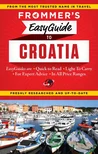
Available as paperback
and as e-book.
Zagreb Attractions
The best—and in some cases the only—way to see Zagreb is on foot, with the occasional tram or bus ride. Almost everything in the city center is pedestrian-accessible, as are some of the sites farther afield. Gornji Grad (Upper Town) is flush with historical buildings and churches, restaurants, boutiques, monuments, and entertainment venues. Donji Grad (Lower Town) is strong on museums, parks, historic architecture, and shopping. Other attractions are a short ride from the center of town. Anton Dominik Fernkorn’s statue of Ban Josip Jelačić is the centerpiece of Trg Bana Jelačić (Jelačić Square). The statue was installed on the square in 1866 and it stood there until World War II, when the square was renamed Republic Square. The statue was removed and stored in pieces because the powers-that-be determined it had become a rallying point for Croatian nationalists, who were seen as a threat to the ruling Communist Party. It wasn’t until 1990 that the statue was restored to its original home, and the square to its original name. Today Jelačić Square is ringed by cafés and shops; other smaller plazas radiate out from it.
Marija Juric Zagorka -- The bronze statue of a woman in 19th-century dress carrying an umbrella is a showstopper for pedestrians on busy Tkalciceva Street. The sculpture was created by artist Stejepan Gracan and commemorates Zagorka, who was Croatia's first female journalist. Zagorka was born to a wealthy family in 1873 and was well-educated, but she still had a difficult time breaking into journalism. On the recommendation of Bishop J. J. Strossmayer, she was given a job on a local Zagreb paper, where she started on the editorial board and introduced the first Croatian publication exclusively for women. Zagorka also penned several well-received novels that still are read today. She died in 1957.
Gradec
Gradec is the second arm of central Zagreb’s civic neighborhood triumvirate. Less commercial than Kaptol, Gradec is packed with some of the city’s most interesting museums and monuments.
Heart of the Matter
The shiny red hearts on display in nearly every Zagreb souvenir shop are actually licitar, a honey dough similar to gingerbread that is shaped in wooden molds, hardened, coated with edible red lacquer, and decorated with trim, flowers, and swirls. Young men traditionally gave the colorful hearts to their girlfriends as an expression of love. Today, the decorated cookies are still given as a sign of affection, but they also are used as special occasion gifts or as remembrances. Personalized hearts are sometimes wedding favors, toys, or Christmas ornaments. The hearts have even been immortalized in a ballet, “Licitarsko Srce” (“Gingerbread Hearts”), by Croatian composer Krešimir Baranović. Today, these gingerbread hearts are used as hospitality tokens by the Croatia National Tourist Board—they are rarely eaten, but instead saved and displayed as instantly recognizable symbols of Croatia.
Lenuci’s Horseshoe
The U-shaped block of parks and gardens that runs from Trg Bana Josip Jelačić to the main train station and back is known as Lenuci’s Green Horseshoe, a flowing, tree-lined series of grassy areas, fountains, flower beds, monuments, and pavilions dotted with museums and galleries. According to Lenuci’s 19th-century plan, the green strips and stately cultural palaces are strategically placed to break up the visual monotony of the blocks and blocks of gray apartments and office buildings that characterize this part of town. The horseshoe cuts a green pattern through Lower Town and is home to such landmarks as the neo-Renaissance Academy of Sciences and Art, the neo-Baroque Croatian National Theater, and the Botanical Gardens.
Especially for Kids
Exploring Zagreb with children in tow can be challenging on a number of fronts. Ushering little ones across the open tram tracks, up and down steep cobbled streets, and through churches and museums that appeal mainly to adults can put a strain on parents and kids alike. Most of Zagreb’s hotels and sights don’t have any special extras for kids, though many do offer rate reductions for the younger set. Unlike hotels in Croatia’s resort towns, Zagreb hotels have no all-day programs to keep kids entertained. Very few restaurants have children’s menus or highchairs, though most will do what they can for customers with children.
One of the best bets for keeping kids amused in Zagreb is Jarun Lake, south of the center. Besides a beach, Jarun has paddle boats, playground equipment, and often sports competitions like beach volleyball to keep kids entertained. Children might also enjoy Zagreb’s cinemas—most show films in their original versions (usually English) with Croatian subtitles, so kids won’t have any trouble understanding what’s going on. Out of town, a day exploring Mount Medvednica, walking the hiking trails and stopping for a picnic, should appeal to most kids, and also result in a good night’s sleep for all.

27 Results
Atelier-Ivan Mestrovic
The artist's studio and 17th-century house are the setting for a vast array of his sculptures and models. Examples of Croatia's most famous sculptor's renderings of famous people, religious icons, and just plain folks are exhibited inside and outside in the garden. This is a…Gradec
- Park/Garden
Botanical Gardens
The Botanical Gardens opened in 1894 and lie a 10-minute walk west of the Hotel Esplanade. Offering a peaceful retreat from urban chaos, they feature a lush arboretum, two ponds, and an ornamental bridge. - Park/Garden
Bundek Park
After decades of neglect, a renovated Bundek Park in Novi Zagreb reopened to the public in 2007. The park's gravel-beach lakes, bike paths, gardens, and children's playground all were redone and the result is a serene urban green space that attracts families, joggers, and events such… - Cathedral
Cathedral of the Assumption of the Virgin Mary
An earlier cathedral on this site dated from the 12th century, but was largely destroyed during the Tartar invasion in 1242. What you see today dates from between the 13th and 16th centuries; the elegant neo-Gothic façade and twin spires were added by Austrian architect Herman Bolle… - Religious Site
Crkva Svetog Marka
The tile mosaic depicting the Croatian, Dalmatian, and Slavonian coats of arms is St. Mark's best-known feature. Inside, the church is rather ordinary except for some 20th-century frescoes depicting scenes from the Bible and a Mestrovic crucifix. Hours are variable and posted on the…Gradec - Religious Site
Crkva Svetog Marka (St. Mark’s Church)
The vivid red, white, and blue tiled roof on this church can’t be missed. It depicts the coats of arms of Zagreb and the Kingdom of Croatia, Dalmatia, and Slavonia. The roof was added in 1880, though the church itself dates to the 13th century. In comparison, its interior is rather… - Market
Dolac Market
Immediately north of Jelačić Square, this market is affectionately known as the “Belly of Zagreb.” Each morning at daybreak, on the open-air piazza, vendors set up their stalls with fresh seasonal fruit and vegetables. Down below, the covered market has separate halls dedicated to… - Museum
Ethnographic Museum
This museum displays folk costumes from Croatia’s various regions, with a vast array of different colors and decorative styles. There are carefully embroidered scarves and aprons, and intricate lacework from the island of Pag. Also on display is traditional farming equipment, with an… - Natural Attraction
Jarun Lake
Jarun was a swamp until 1987, when it was turned into an artificial lake and water sports center. Lying 4km (2 1/2 miles) southwest of the city center and ringed by footpaths, it’s a popular venue for rowing and sailing. In summer locals come here to sunbathe and swim. It’s also home… - Landmark
Kamenita Vrata
From Tkalčićeva, a long flight of wooden stairs leads up to Radićeva. From there, a steep winding cobblestone path brings visitors to Kamenita Vrata, the Stone Gate. After a devastating 1731 fire, a painting of the Virgin and Child was found here in the ashes, totally undamaged. The… - Museum
Klovićevi Dvori Gallery
Built by the Jesuits in the 17th century, this building was turned into an art gallery in 1982. It is used to stage big international exhibitions, generally running for three months. Recent major shows include Picasso in 2013 and Degas, Tiziano, Tintoretto, and Veronese in 2012.… - Landmark
Kula Lotrscak
A cannon is fired at this vestige of Gradec's fortifications every day at noon to commemorate a Croat victory against the Turks. You can climb the tower to get a fabulous view of the city.Gradec - Historic Site
Kula Lotršćak (Lotršćak Tower)
Overlooking the lovely Strossmayer Promenade, with amazing views over the city rooftops, Lotršćak Tower dates from the 13th century. Each day at noon, a cannon is fired from here to commemorate Croatia’s success in fending off the Ottoman Turks in the early 16th century. The tower… - Park/Garden
Maksimir Park
This lush green oasis about 3.2km (2 miles) east of the center is Zagreb's biggest park and popular among families, dog walkers, and couples going for a stroll. Opened in the late 18th century, it has five lakes and a cafe, and it houses the Zagreb City Zoo.The park is easily…Farther Afield - Historic Site
Meštrović Atelier
The former home and studio of Dalmatian sculptor Ivan Meštrović is set in a charming 17th-century townhouse, where he lived and worked from 1924 to 1942. Inside, you can see a vast array of his output, including preparatory sketches and sculptures of famous people and religious… - Museum
Mimara Museum
There’s very little Croatian artwork on display here. In fact, it is the private collection of just one man, Ante Topić Mimara, who was born in Dalmatia and spent most of his life abroad but left everything to his country when he died. Here you can see paintings spanning several… - Cemetery
Mirogoj Cemetery
This stunning cemetery dates back to 1879. Designed by architect Herman Bollé (of Zagreb Cathedral fame), it incorporates arcades and pavilions, trees and flowers, and bouquets and candles. There are many impressive tombs, some created by eminent sculptors such as Ivan Meštrović,… - Natural Attraction
Mount Medvednica
A favorite Sunday outing for Zagrebians, Medvednica has been set aside as a nature park. From spring through autumn locals come here to walk and cycle (there is a network of well-marked paths), and in winter they come to ski. There are several cozy mountain huts, serving hearty fare… - Museum
Museum of Broken Relationships
This museum, opened in 2010, asks the question “What is the role of love tokens once a relationship has ended?” The idea is very simple, but it has generated a fascinating and complex collection. Visitors here find an extraordinary array of personal possessions connected to love… - Museum
Museum of Contemporary Art
Art lovers should put a half day aside to visit this excellent museum located south of the city centre in Novi Zagreb. Housed in a light and airy concrete building, opened in 2009, the permanent collection features over 600 paintings, sculptures, and installations, created between… - Museum
Museum of the City of Zagreb
This museum is housed in the former convent of the Order of St. Clare and it’s worth a quick look in as an introduction to Zagreb’s history. Tracing the centuries from medieval times to the present, objects on display include weapons, religious paraphernalia, furniture, and scale… - Museum
Strossmayer Gallery of Old Masters
Former Bishop of Đakovo Josip Juraj Strossmayer (1815–1905) was an avid collector of religious art. At any one time you can see some 300 pieces from his 4,000-piece collection at this gallery on the upper floors of the Croatian Academy of Sciences and Arts. Most of the works were… - Museum
The Croatian Museum of Naïve Art
Unique to Croatia, the so-called Hlebine School was made up of farmers from the village of Hlebine in north Croatia. Although they had no formal art education, their work attracted considerable interest, and became known as Croatian Naïve Art. Besides working on canvases, they often… The Croatian State Archives
This Art Nouveau building is UNESCO-listed and one of Zagreb's finest -- it's also home to Croatia's most important documents. The Archives' written holdings won't interest most English-speaking visitors, but architecture buffs from any country will be awed by the interior and…Donji Grad (Lower Town)- Museum
The Museum for Arts and Crafts
This light and spacious 19th-century building was designed by Herman Bolle, who was also responsible for the façade of Zagreb Cathedral. Inside you’ll find a vast array of period furniture, clocks, and light fittings, displayed in chronological order from the Baroque period up to the… - Landmark
Tkalčićeva
From the northwest corner of the main square, this pedestrian-only cobblestone street winds uphill into Gornji Grad (Upper Town). It is lined with pastel-colored 19th-century mansions, many now hosting popular cafés, bars, restaurants, boutiques, and galleries at ground level.… - Museum
Zagreb Archaeological Museum
This museum traces the centuries from prehistoric times up to the Tartar invasion of Europe in 1242. Pride of place here goes to the “Zagreb Mummy,” wrapped in bandages which are covered in a curious text written in Etruscan script. It was purchased as a souvenir in Egypt in the 19th…
Zagreb Shopping
Zagreb's economy is quickly recovering after years of being in the dumps following occupation by foreign governments and the 1991 war. The country has not yet been admitted to the European Union, so E.U. countries have not yet made many investments in retail in Zagreb or elsewhere in the country, though that is slowly changing. Except for the action at Dolac Market, shopping isn't very exciting in Zagreb, and serious bargain hunters will be disappointed in the prices and what's available, especially in clothing. The number of stores that sell good quality or even designer garb is increasing, but as a rule, clothing here is either imported and very expensive, or very cheap, depending on its country of origin. However, shopping malls anchored by huge stores that resemble Super K-Marts are popping up all over town and attracting big crowds. There are also a few places that sell apparel and other items worth checking out.
Shopping Malls -- Croatians love to shop, and large, Western-style malls are springing up all over Zagreb. Avenue Mall at Avenija Dubrovnik 16 is Zagreb's newest shopping mecca. It's a mix of upscale and moderately priced stores with several coffee bars and dining spots sprinkled in. Kaptol Center on Nova Ves in Gornji Grad houses upscale retailers; a multiplex cinema; and an excellent assortment of cafes, restaurants, and bars. Importanne runs two malls, one under the park across the street from the main train station, and another at Iblerov Trg just west of the city center. Branimir Center on Branimir just east of the train station also has a multiplex plus several decent restaurants, in addition to shops and the Arcotel Allegra Hotel. King Cross at Jankomir and City Center southwest of Zagreb are the closest things to an American mall. Each has nearly 100 stores that include brand-name retailers like Benetton, Sisley, and Esprit, plus electronics, sporting goods, and home stores. There are also lots of cafes and a couple of huge supermarkets there.
Zagreb Nightlife
Zagreb nightlife revolves primarily around the student population, meaning plenty of lively cafés and bars with outdoor seating, plus venues offering cultural events such as concerts and film screenings. At the other end of the scale are Zagreb’s young professionals, who tend towards cocktail and chic wine bars. For late-night clubbing, the place to go is Jarun Lake, which lies far enough from the center to mean that noise is not a problem and the music can play at full volume till sunrise.
8 Results
- Dance Clubs
Aquarius
South of the city center, on the shores of Lake Jarun, this popular, vibrant club extends over two floors, playing commercial dance music with occasional theme nights and live concerts. In summer, Aquarius moves out to the seaside, for all-night clubbing on Zrće Beach on the island… Bacchus
On the square directly in front of the train station, Bacchus occupies a cavernous vaulted space. A shelf filled with books functions as the bar, and trinkets, old typewriters, and radios are on display. Live jazz is hosted Wednesday to Saturday evenings. Entrance is through a…- Dance Clubs
Hemingway’s
On the edge of Tuškanac Park, in an 1838 building which was formerly used as a cinema, Hemingway is part of a chain of clubs, with additional venues in Rijeka, Opatija, and Split. People come here to see and be seen, either sipping one of a vast array of (rather expensive) cocktails,… - Bars & Pubs
Maraschino
A 5-minute walk from the main square, just off Ilica behind the Orthodox church, this bar has a small, dark interior, with a DJ playing both funky and mainstream music. Named after a cherry-based liqueur from Zadar, it’s popular with the young urban crowd. - Bars & Pubs
Melin
This legendary bar works as a café during the day, turning into a small club after dark, with occasional live jazz on the weekends. The subtle lighting and mismatched retro wooden furniture give it a friendly, unpretentious atmosphere. You’ll find it set back slightly off Tkalčićeva… - Bars & Pubs
Oliver Twist
Oliver Twist is hugely popular and always busy. Outdoor tables are arrayed on a spacious stone terrace below green awnings, backed by a vine-covered façade, Inside, Irish draught beers, whiskies, and cocktails are served from the wooden bar area to a soundtrack of predominantly… - Bars & Pubs
Pivnica Medvedgrad Ilica
Medvedgrad was founded outside the city center as a microbrewery back in 1994. In 2009, the brewery opened this beer hall, just a 5-minute walk from the main square, with tables and benches on an open-air terrace. Five different beers are served, ranging from a dark stout through to… Tvornica
This grungy club hosts some of Zagreb’s best live concerts, with an emphasis on rock and alternative music. Gogol Bordello, the Pixies, Patti Smith, the Violent Femmes, and Public Image Limited have all played here. It’s open for coffee during the day. The location is close to Zagreb…