

Estee623/Frommers.com Community
When weather or a natural disaster disrupts your well-laid plans, you need to know what to do and where to turn. Here are six ways you can make the most of the situation to get home—or at least get some relief.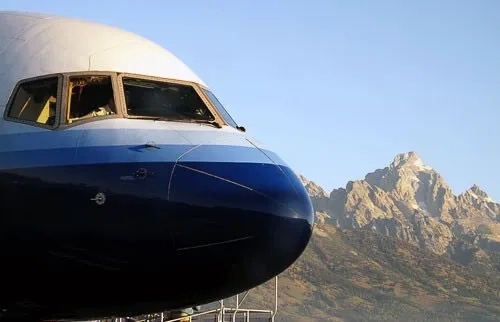 When weather or a natural disaster disrupts your well-laid plans, you need to know what to do and where to turn. Here are six ways you can make the most of the situation to get home—or at least get some relief.
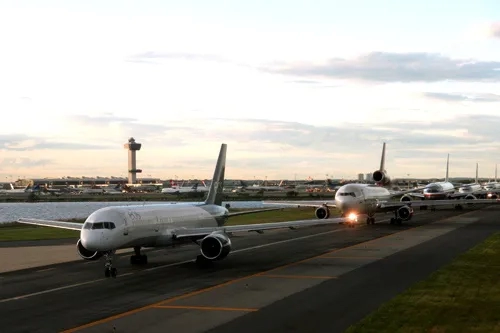 Make sure the travel insurance policy you purchase covers acts of God like hurricanes, floods, and ash clouds. Look for a policy with a "travel delay" benefit if you're more worried about being stuck mid-trip than having to cancel entirely. Insurance companies don't just pay you money, either. Their toll-free assistance lines can rebook your flights and find you hotels while you're stranded.
 If you haven't left yet, most airlines will let you rebook or delay your travel. But policies and time limits vary from airline to airline, and they aren't consistent; one airline could be better in one crisis, while a different one gives you more time in another. If you're really paranoid, "cancel for any reason" insurance is a good idea (see our article about Everything You Need to Know About Travel Insurance).
 It's a good idea to have access to at least three days' worth of funds at any time. Make sure your ATM card works at your destination and move some additional money into your checking account before your trip so you aren't caught out.
 The European Union (EU) and Canada have laws that can help stranded travelers. The United States, notably, does not.
The EU has the strongest protections for flyers. They apply if you're flying out of any EU airport, or if you're flying into Europe on an EU-flagged carrier—which makes it useful to fly, say, Air France rather than Delta. In Canada, there's a separate set of rules that explain the rights of passengers and the responsibilities of airlines.
Elsewhere, you're basically at the mercy of your airline. You can find the company's customer commitments in its Contract of Carriage, which an airline will provide to you on request. Many global airlines follow the International Air Transport Association's Recommended Practice—but it's meant to serve the airline industry, not act as some sort of regulatory body for consumer care. Your best bet is to go straight to the airline if any delays or other issues come up. Alternative modes of travel fill up very quickly when there are major delays. If you can pull yourself together to find an alternate route swiftly, you might be able to get on your way, but understand that your jury-rigged train or bus trip may not be reimbursed by the airline.
It might be smarter to sit tight. Staying where you are until flights resume is almost always cheaper than trying to find your own way around a problem.
The EU has the strongest protections for flyers. They apply if you're flying out of any EU airport, or if you're flying into Europe on an EU-flagged carrier—which makes it useful to fly, say, Air France rather than Delta. In Canada, there's a separate set of rules that explain the rights of passengers and the responsibilities of airlines.
Elsewhere, you're basically at the mercy of your airline. You can find the company's customer commitments in its Contract of Carriage, which an airline will provide to you on request. Many global airlines follow the International Air Transport Association's Recommended Practice—but it's meant to serve the airline industry, not act as some sort of regulatory body for consumer care. Your best bet is to go straight to the airline if any delays or other issues come up.
It might be smarter to sit tight. Staying where you are until flights resume is almost always cheaper than trying to find your own way around a problem.