

Hillary McNamara
By Hillary Richard
Despite the allure of perfect white-sand beaches and calm turquoise waters, the islands that make up the Turks and Caicos remain relatively undiscovered. Only eight of the 40 islands in this archipelago are inhabited, but even visitors to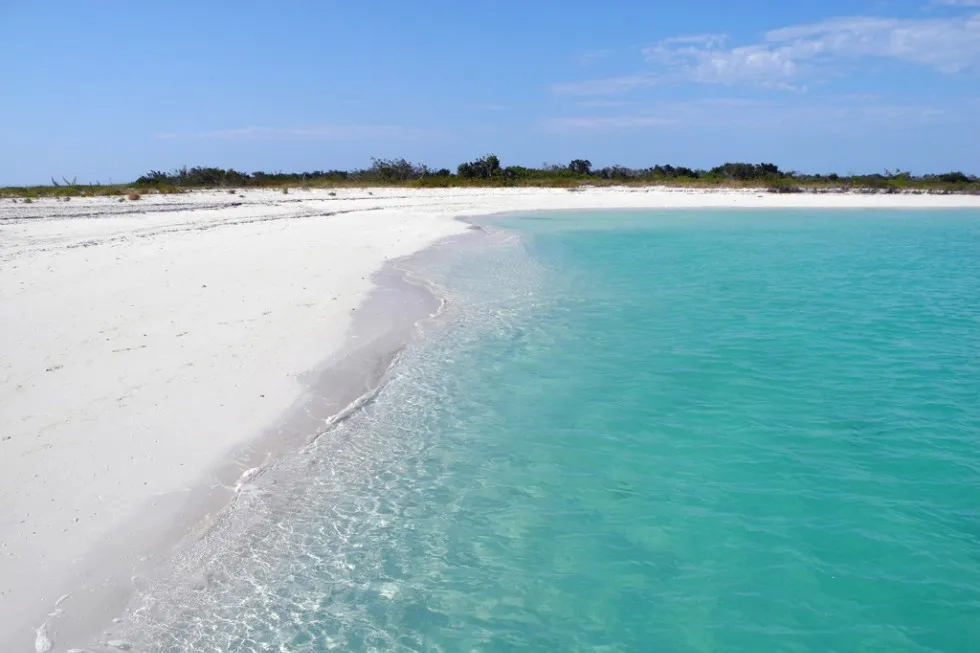 Providenciales (colloquially called Provo) is easily the most popular and developed island in the Turks and Caicos, but it's still as quiet and relaxing as can be. This may be the "tourist" island, but don't expect chain stores or fast food. The island's natural charm and various ecosystems are heavily protected, thanks to a forward-thinking local government. Within its 38 square miles and surrounding waters, Provo has Northwest Point Marine National Park (perfect for bird watching), Chalk Sound National Park (full of empty beaches and cays), and Princess Alexandra National Park (great for reef snorkeling).
Where: Providenciales is northeast of West Caicos and southwest of North Caicos.
How to Get There: Most international flights that arrive in the Turks and Caicos will land at Providenciales International Airport. Taxis or rental cars are the best option for traveling longer distances.
Don't Miss: Grace Bay Beach has often been voted the best beach in the world, and it lives up to every expectation. This five-mile stretch of soft white sand and electric blue water even boasts two reef snorkeling trails, established by The Turks and Caicos National Trust.
Where to Stay: The West Bay Club (www.thewestbayclub.com) is on a serene stretch of Grace Bay Beach.
More Info: Turks and Caicos Tourist Board (www.turksandcaicostourism.com)
Photo Caption: Despite its popularity, it's easy to find a secluded spot on Grace Bay Beach.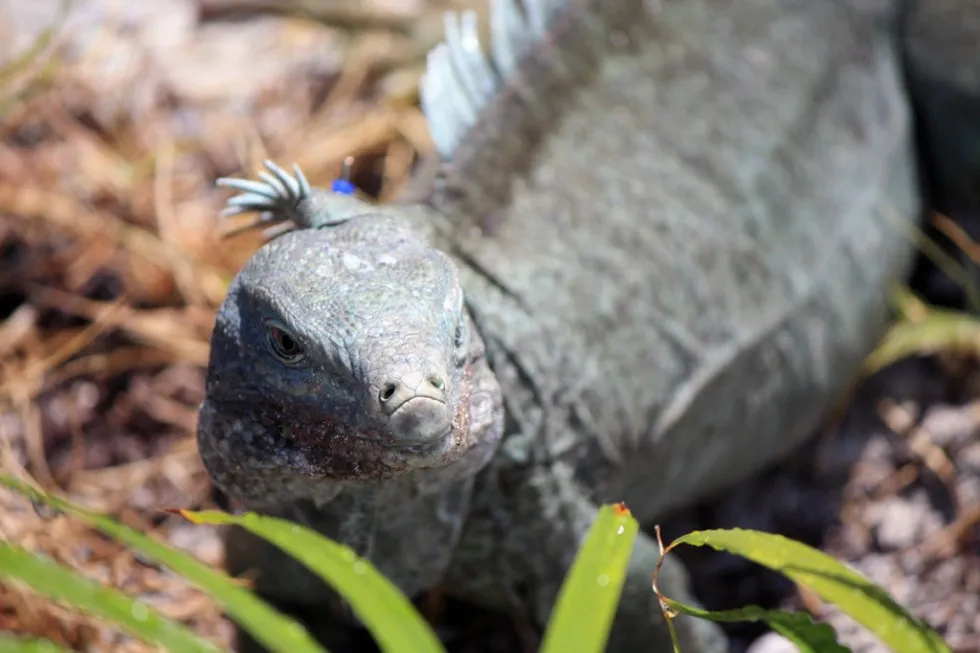 Little Water Cay is often referred to as "Iguana Island" for one very obvious reason: it's full of Turks and Caicos rock iguanas. This 116-acre island is a protected sanctuary within the Princess Alexandra National Park. The rock iguanas are endangered and indigenous; about 3,000 live on Little Water Cay and an estimated 50,000 are spread throughout the other Turks and Caicos islands.
Where: Little Water Cay is northeast of Providenciales, north of Mangrove Cay, and northwest of Donna Cay.
How To Get There: There is no public transportation to Little Water Cay, but most boat tours visit the island. All visiting groups are required to reserve an official guide for a tour of the island and stay on the designated boardwalk.
Photo Caption: Turks and Caicos rock iguanas are the largest native land animal in the archipelago.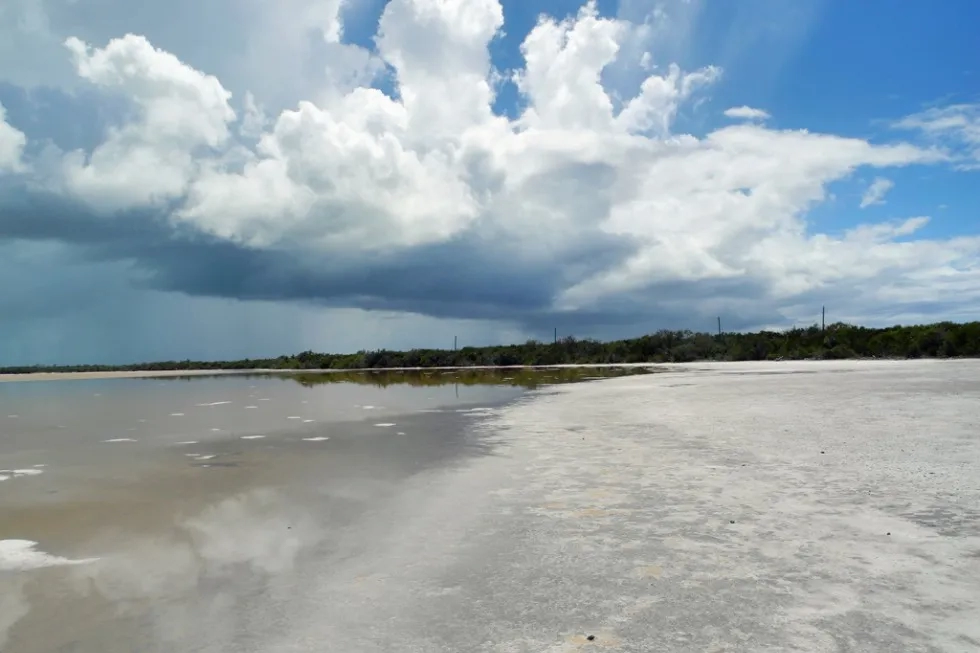 North Caicos receives more rainfall than the other islands (relatively speaking), so it's often referred to as the garden isle. This makes it a favorite of seabirds, like ospreys and West Indian whistling ducks. While previously the seat of government, this exceptionally calm and quiet island is now known for its beautiful beaches and West Indian flamingo colonies.
Where: North Caicos is east of Providenciales and northwest of Middle Caicos.
How to Get There: A ferry runs from Walkin Marina in Providenciales to North Caicos several times per day. There is no transportation on the island, so renting a car is necessary.
Don't Miss: Flamingos often frequent Pumpkin Bluff pond in droves. From Pumpkin Bluff Beach, visitors can view the remains of a sunken cargo ship just offshore.
Where to Stay: Pelican Beach Hotel (www.pelicanbeach.tc) is on an idyllic beach, yet has a small restaurant on the premises.
More Info: Turks and Caicos Tourist Board. (www.turksandcaicostourism.com)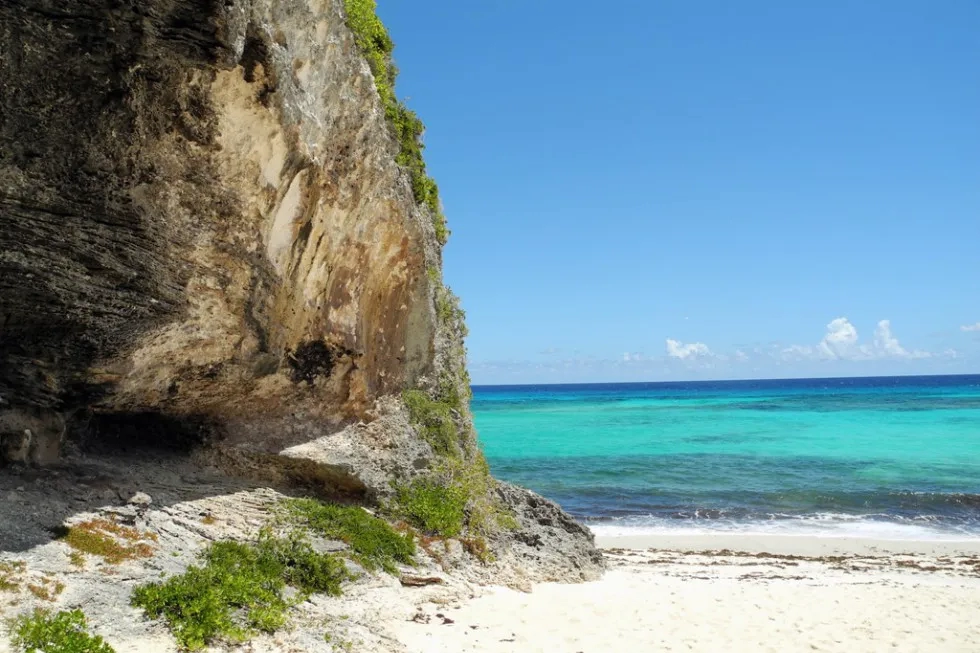 Middle Caicos is the largest island in the chain (at 48 square miles) and also one of the least populated (under 500 people). While this island is remote and at times desolate, it has its share of spectacular beaches and other natural attractions. Archaeologists have discovered 38 dwelling sites of the pre-Columbian Lucayan Indians here. The island has intertidal swamplands on its southern half. The Vine Point and Ocean Hole Nature Reserve protect a 210-feet deep marine blue hole (frequented by sharks and turtles) and a frigate bird breeding colony offshore. Conch Bar Caves National Park consists of 15 miles of limestone caves with stalactites and stalagmites (and several bat colonies).
Where: Middle Caicos is southeast of North Caicos and northwest of East Caicos.
How To Get There: The drivable causeway from North Caicos to Middle Caicos still shows significant damage from a passing hurricane. Exercise extreme caution when driving across (the potholes are very deep) and keep an eye on the tide.
Don't Miss: If the drive along the causeway doesn't provide enough adventure, try hiking the section of the Crossing Place Trail that winds along the cliffs above Mudjin Harbour.
Where to Stay: Those seeking an off-the-beaten-path experience will appreciate Blue Horizon Resort (www.bhresort.com), with views of Mudjin Harbour.
More Info: Turks and Caicos Tourist Board (www.turksandcaicostourism.com)
Despite the allure of perfect white-sand beaches and calm turquoise waters, the islands that make up the Turks and Caicos remain relatively undiscovered. Only eight of the 40 islands in this archipelago are inhabited, but even visitors to
Where: Providenciales is northeast of West Caicos and southwest of North Caicos.
How to Get There: Most international flights that arrive in the Turks and Caicos will land at Providenciales International Airport. Taxis or rental cars are the best option for traveling longer distances.
Don't Miss: Grace Bay Beach has often been voted the best beach in the world, and it lives up to every expectation. This five-mile stretch of soft white sand and electric blue water even boasts two reef snorkeling trails, established by The Turks and Caicos National Trust.
Where to Stay: The West Bay Club (www.thewestbayclub.com) is on a serene stretch of Grace Bay Beach.
More Info: Turks and Caicos Tourist Board (www.turksandcaicostourism.com)
Photo Caption: Despite its popularity, it's easy to find a secluded spot on Grace Bay Beach.
Where: Little Water Cay is northeast of Providenciales, north of Mangrove Cay, and northwest of Donna Cay.
How To Get There: There is no public transportation to Little Water Cay, but most boat tours visit the island. All visiting groups are required to reserve an official guide for a tour of the island and stay on the designated boardwalk.
Photo Caption: Turks and Caicos rock iguanas are the largest native land animal in the archipelago.
Where: North Caicos is east of Providenciales and northwest of Middle Caicos.
How to Get There: A ferry runs from Walkin Marina in Providenciales to North Caicos several times per day. There is no transportation on the island, so renting a car is necessary.
Don't Miss: Flamingos often frequent Pumpkin Bluff pond in droves. From Pumpkin Bluff Beach, visitors can view the remains of a sunken cargo ship just offshore.
Where to Stay: Pelican Beach Hotel (www.pelicanbeach.tc) is on an idyllic beach, yet has a small restaurant on the premises.
More Info: Turks and Caicos Tourist Board. (www.turksandcaicostourism.com)
Where: Middle Caicos is southeast of North Caicos and northwest of East Caicos.
How To Get There: The drivable causeway from North Caicos to Middle Caicos still shows significant damage from a passing hurricane. Exercise extreme caution when driving across (the potholes are very deep) and keep an eye on the tide.
Don't Miss: If the drive along the causeway doesn't provide enough adventure, try hiking the section of the Crossing Place Trail that winds along the cliffs above Mudjin Harbour.
Where to Stay: Those seeking an off-the-beaten-path experience will appreciate Blue Horizon Resort (www.bhresort.com), with views of Mudjin Harbour.
More Info: Turks and Caicos Tourist Board (www.turksandcaicostourism.com)