

Eleven Petals Photography
By Kara Murphy
When traveling with pets, it's extremely important to plan ahead -- particularly when traveling by plane.
Fees and rules vary depending on the airline, size and breed of pet, weather conditions, time of year, destination, and more. Check with your airline or the U.S. Department of Agriculture's Veterinary Services (www.aphis.usda.gov) for detailed info.
Know that the number of pets allowed on each flight varies per plane. Always reconfirm 24 to 48 hours before your departure. Some airlines will not accept pets as checked luggage during certain weather conditions and times of the year, as extreme hot and cold temperatures may be harmful to your pet.
If you're traveling internationally, each country has its own set of rules, so contact your destination's embassy or consulate for regulations and required documentation.
Do you have a smart packing tip for traveling with pets? Share your best tips on the Frommers.com Packing Forum.
Photo Caption: Enjoying the view from a lookout at Ensign Peak in Salt Lake City, Utah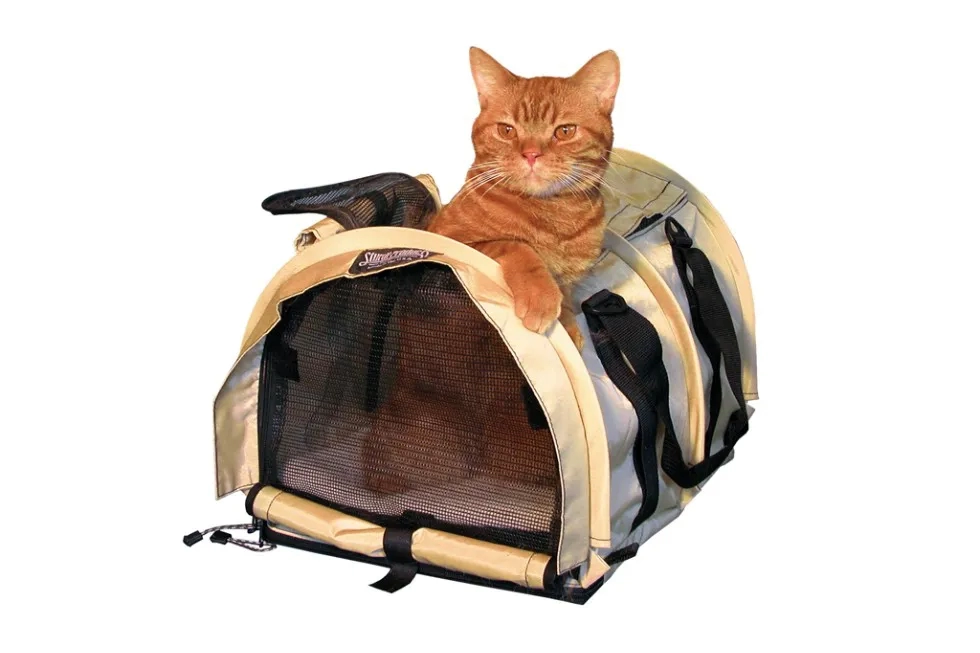 If your pet is traveling in the plane's cabin:
"Choose a secure, soft-sided carrier that has solid zippers, a waterproof bottom, and adequate ventilation," says Susan Smith, president and owner of Pet Travel, Inc. (www.pettravel.com). "The weight of the bag is also important. Especially if you are flying internationally, your pet may be weighed in the bag, and there are maximum limits set for carry-on luggage."
Keep in mind that if you carry your pet on the plane with you, the carrier counts as one of your two allowed carry-ons. Lightweight carriers such as SturdiBag (www.sturdiproducts.com) are "designed with plastic ribbing so that you can squish the carrier down to get it underneath a seat without crushing your pet," Smith says.
If traveling by car, it's safer for your pet (and for everyone in the car) if he or she is securely fastened, either to the seat itself or in a carrier that's tethered to the seat.
If your pet is traveling as checked luggage:
Look for a kennel that adheres to USDA guidelines. Don't forget to line the kennel with absorbent material or bedding, such as shredded newspapers. Most airlines require a health certificate and a statement (written and signed by the owner) indicating any special feeding instructions as well as the date and time when your pet was last given food and water.
Photo Caption: Pet carrier by SturdiBag, $79.95, www.pettravelstore.com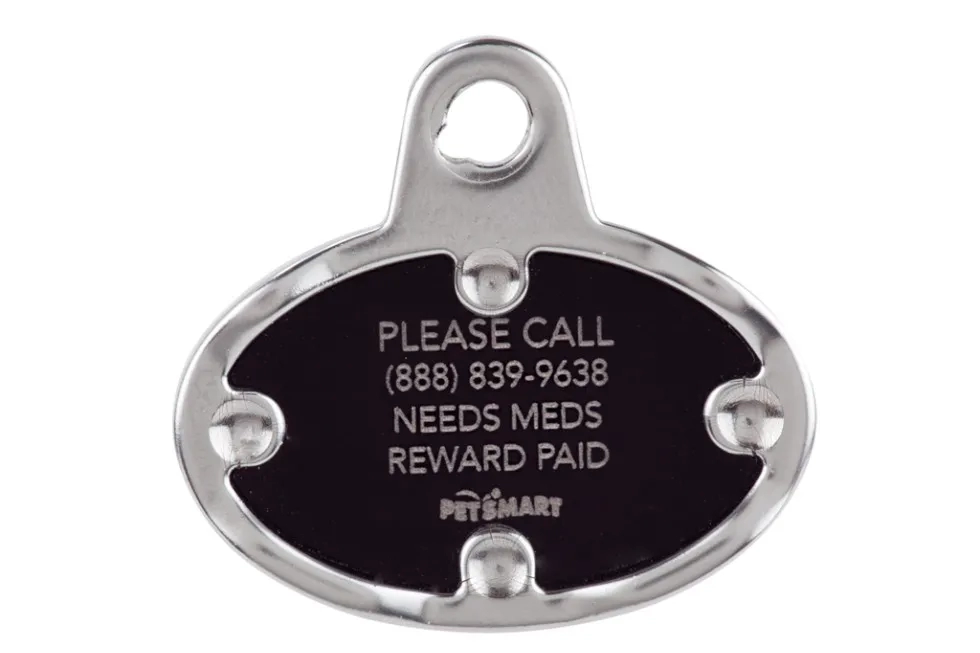 "When you're traveling, it doesn't do any good to have your home phone on your pet's collar because you're not there," says Pet Travel's Susan Smith. If your pet's day-to-day collar does not list your cell phone number, attach a temporary tag with it listed in case of any emergencies. If your pet is traveling by crate in the cargo hold, make sure your contact information is attached to the outside of the crate as well.
Always bring a good leash -- "no matter how well your pet obeys you at home," Smith adds. "Get in the habit of bringing a leash whenever you and your pet leave home, even if you're just driving a few blocks away."
Photo Caption: Rough N' Tumble small personalized ID tag by TagWorks, $13.50, www.petsmart.ccom Unless your pet eats food that is not readily available in stores, it's best to bring enough food (including treats!) and water for use en route. Plan to buy more when you reach your destination. If you're traveling by car, you can pack as much food as space permits.
Always bring along portable water and food bowls. Popware (www.popwareforpets.com) and Outward Hound (www.kyjen.com) both make easy-to-use collapsible versions.
Photo Caption: Squishy pet travel bowls by Guyot Designs, $12.95, www.pettravelstore.com The American Veterinary Medical Association (www.avma.org) recommends that you do not sedate your pet when traveling by air -- doing so may increase the risk of heart and respiratory problems. There are, however, plenty of non-narcotic options.
All-natural pet calmers "are widely used in the industry to calm nervous and anxious pets," says Pet Travel's Susan Smith. "They won't put your pet to sleep, but will calm him or her down. Ark Naturals (www.arknaturals.com) makes a great one called Happy Traveler." It comes in a pill form that you can bury in your pet's favorite treat. You can also buy pet calmers in chewable form.
Photo Caption: Happy Traveler all-natural calming formula by Ark Naturals, $10.45, www.arknaturals.com
When traveling with pets, it's extremely important to plan ahead -- particularly when traveling by plane.
Fees and rules vary depending on the airline, size and breed of pet, weather conditions, time of year, destination, and more. Check with your airline or the U.S. Department of Agriculture's Veterinary Services (www.aphis.usda.gov) for detailed info.
Know that the number of pets allowed on each flight varies per plane. Always reconfirm 24 to 48 hours before your departure. Some airlines will not accept pets as checked luggage during certain weather conditions and times of the year, as extreme hot and cold temperatures may be harmful to your pet.
If you're traveling internationally, each country has its own set of rules, so contact your destination's embassy or consulate for regulations and required documentation.
Do you have a smart packing tip for traveling with pets? Share your best tips on the Frommers.com Packing Forum.
Photo Caption: Enjoying the view from a lookout at Ensign Peak in Salt Lake City, Utah
"Choose a secure, soft-sided carrier that has solid zippers, a waterproof bottom, and adequate ventilation," says Susan Smith, president and owner of Pet Travel, Inc. (www.pettravel.com). "The weight of the bag is also important. Especially if you are flying internationally, your pet may be weighed in the bag, and there are maximum limits set for carry-on luggage."
Keep in mind that if you carry your pet on the plane with you, the carrier counts as one of your two allowed carry-ons. Lightweight carriers such as SturdiBag (www.sturdiproducts.com) are "designed with plastic ribbing so that you can squish the carrier down to get it underneath a seat without crushing your pet," Smith says.
If traveling by car, it's safer for your pet (and for everyone in the car) if he or she is securely fastened, either to the seat itself or in a carrier that's tethered to the seat.
If your pet is traveling as checked luggage:
Look for a kennel that adheres to USDA guidelines. Don't forget to line the kennel with absorbent material or bedding, such as shredded newspapers. Most airlines require a health certificate and a statement (written and signed by the owner) indicating any special feeding instructions as well as the date and time when your pet was last given food and water.
Photo Caption: Pet carrier by SturdiBag, $79.95, www.pettravelstore.com
Always bring a good leash -- "no matter how well your pet obeys you at home," Smith adds. "Get in the habit of bringing a leash whenever you and your pet leave home, even if you're just driving a few blocks away."
Photo Caption: Rough N' Tumble small personalized ID tag by TagWorks, $13.50, www.petsmart.ccom
Always bring along portable water and food bowls. Popware (www.popwareforpets.com) and Outward Hound (www.kyjen.com) both make easy-to-use collapsible versions.
Photo Caption: Squishy pet travel bowls by Guyot Designs, $12.95, www.pettravelstore.com
All-natural pet calmers "are widely used in the industry to calm nervous and anxious pets," says Pet Travel's Susan Smith. "They won't put your pet to sleep, but will calm him or her down. Ark Naturals (www.arknaturals.com) makes a great one called Happy Traveler." It comes in a pill form that you can bury in your pet's favorite treat. You can also buy pet calmers in chewable form.
Photo Caption: Happy Traveler all-natural calming formula by Ark Naturals, $10.45, www.arknaturals.com