

Jennifer Reilly
From national parks such as Tayrona to cosmopolitan cities like Medellín and Cartagena, Colombia has something for every type of traveler. Whether you prefer hiking through tropical forests or salsa dancing into the wee hours, here are some of the best things to see and do in Colombia.
Photo Caption: A beach at Tayrona National Natural Park, in northern Colombia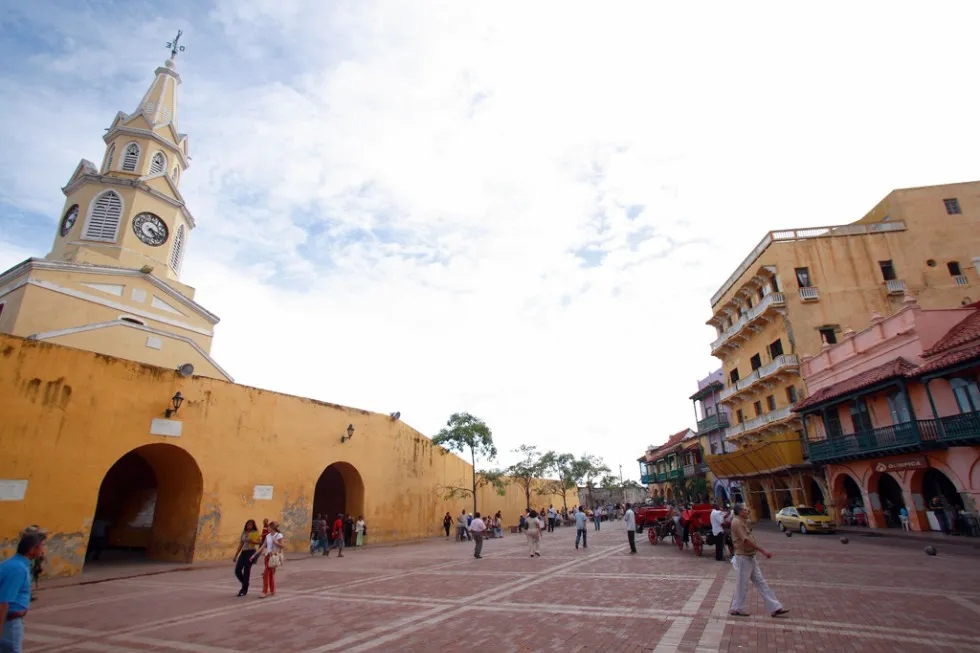 Walk through Cartagena's inner-walled Old Town, and you'll marvel at the mahogany balconies dripping with bougainvillea, the brightly-painted homes, and the equally colorful clothes and wares of the city's street vendors and entertainers.
The narrow cobblestone streets and open-air plazas have a romantic vibe -- just right for the city that Gabriel García Márquez lived in for many years. Fans of the Nobel laureate will enjoy the Gabriel García Márquez Audio Tour, available via the Tierra Magna tourist office (www.tierramagna.com; $35). The tour includes stops at the newspaper offices where Gabo worked as a journalist and the Arcade of the Scribes featured in Love in the Time of Cholera.
Photo Caption: The historic center of Cartagena, Colombia.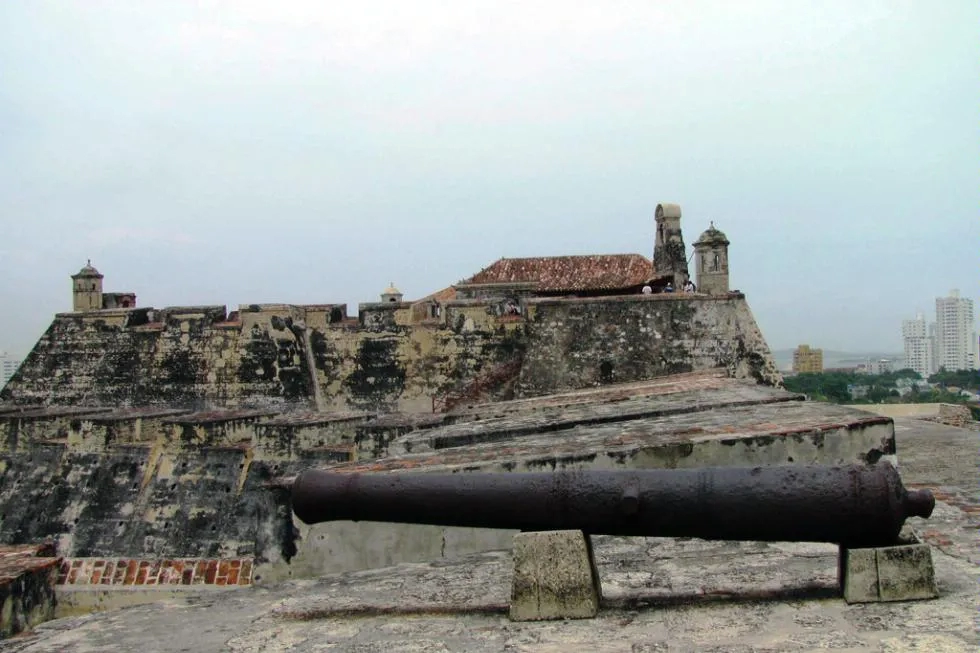 The Caribbean coastal city of Cartagena is undoubtedly the safest place to visit in Colombia, which is fitting for the home of the historic fortress Castillo de San Felipe de Barajas. With lookouts to peer through and underground tunnels to explore, this almost 400-year-old fortress -- designed by the Spanish to protect Cartagena's treasures from English pirates -- stands sentinel over the city's walled Old Town.
The fortress and Old Town were together designated a UNESCO World Heritage Site in 1984 and remain a big draw for tourists; nearly 300,000 cruise passengers docked at Cartagena in 2010.
Photo Caption: Castillo de San Felipe de Barajas, Cartagena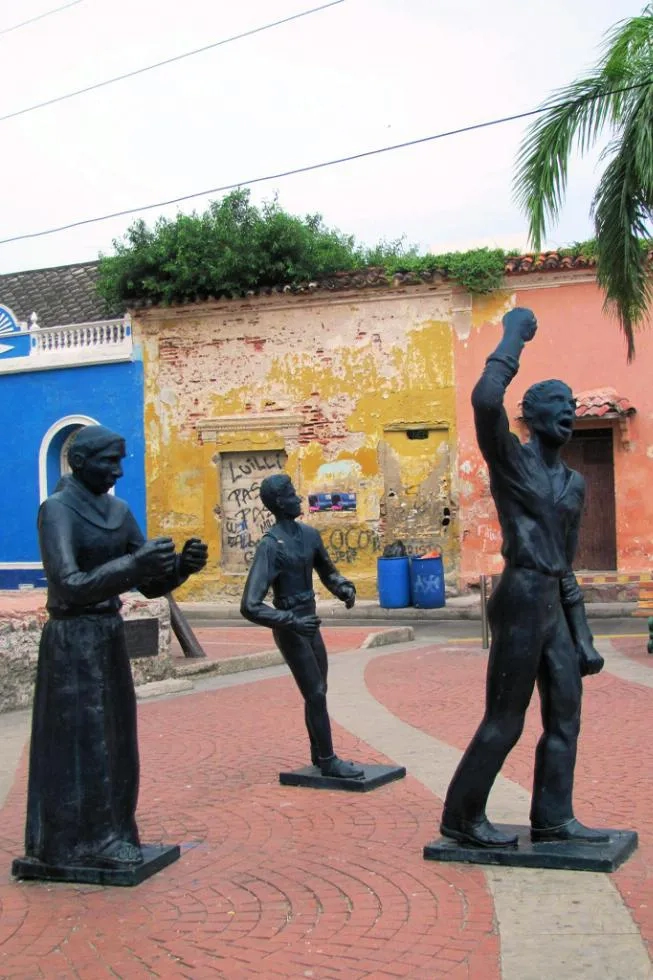 In the outer-walled portion of Cartagena's Old Town is a scruffy, less touristy neighborhood called Getsemaní. At its heart lies the Plaza de la Trinidad, which is dotted with statues honoring veterans of Colombia's war of independence from Spain. The statue with its arms raised (pictured) is of Pedro Romero, who helped Cartagena become an independent city in 1811.
The nightlife in this area is no less revolutionary -- Café Havana (tel. 57/314-519-6475; https://cafehavanacartagena.com), situated at Calle de la Media Luna and Calle del Guerrero, is a hotbed of Cuban live music and the most happening spot in town.
Photo Caption: Statues in Gestemaní, Cartagena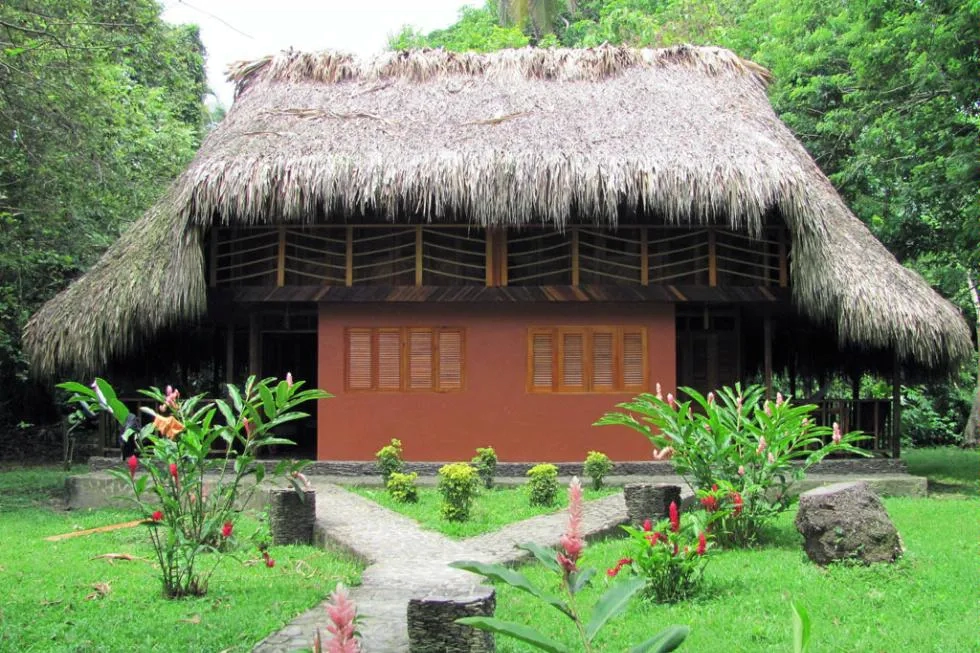 Covering some 37,000 acres along the Caribbean coast, Tayrona National Park draws outdoorsy travelers from throughout Colombia and across the globe. The park's accommodations range from rustic huts outfitted with beds or hammocks ($215 per night for up to 5 people in low season) to upscale replica Tayrona Indian dwellings at Ecohabs ($300 per night for up to 4 people in low season).
Wherever you stay, be on the lookout for poison frogs scampering underfoot and howler monkeys swinging up above -- these are just two of the unique animals that call this park home.
Don't forget to pack a swimsuit. Tayrona National Park's beaches are considered some of the prettiest along Colombia's coast. Although harsh currents prevent swimming at a number of its beaches, the park has plenty of gentler stretches of shoreline where you can safely swim and snorkel.
More Info: www.parquesnacionales.gov.co
Photo Caption: A hut in Tayrona National Natural Park, in northern Colombia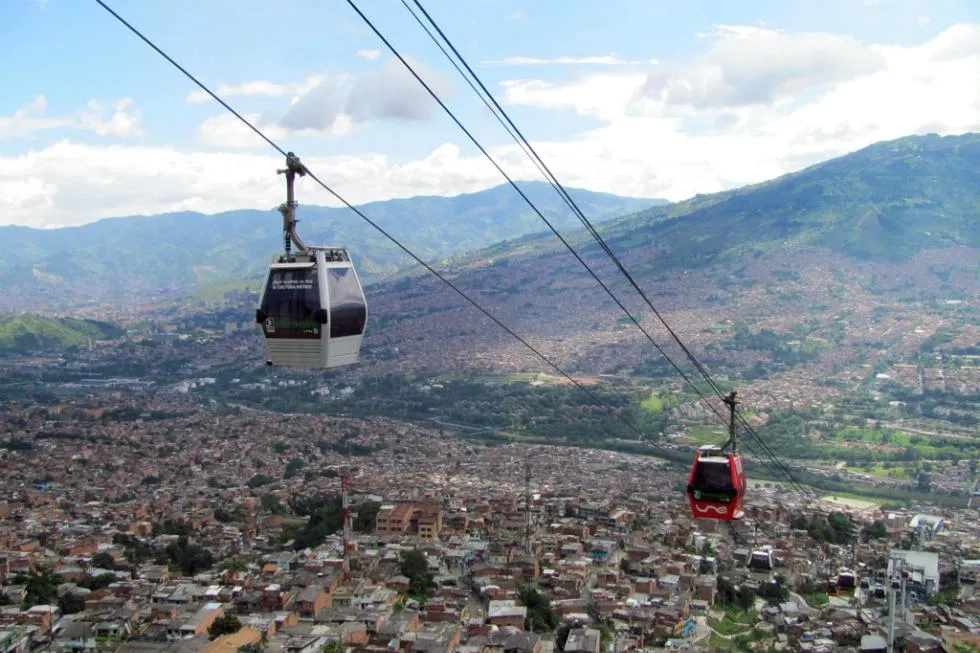 Formerly considered the murder capital of the world, Medellín today is an urban planning success story, having effectively integrated its wealthier and poorer districts. The city's Metrocable runs through one of its most impoverished barrios, Santo Domingo Savio, and connects to Medellín's architecturally-impressive Biblioteca España (Spanish library). One of the most striking symbols of the city's transformation, the Metrocable is also an excellent way to soak in views of the surrounding Aburrá Valley and the comunas that make up the city.
Photo Caption: Biblioteca España Metrocable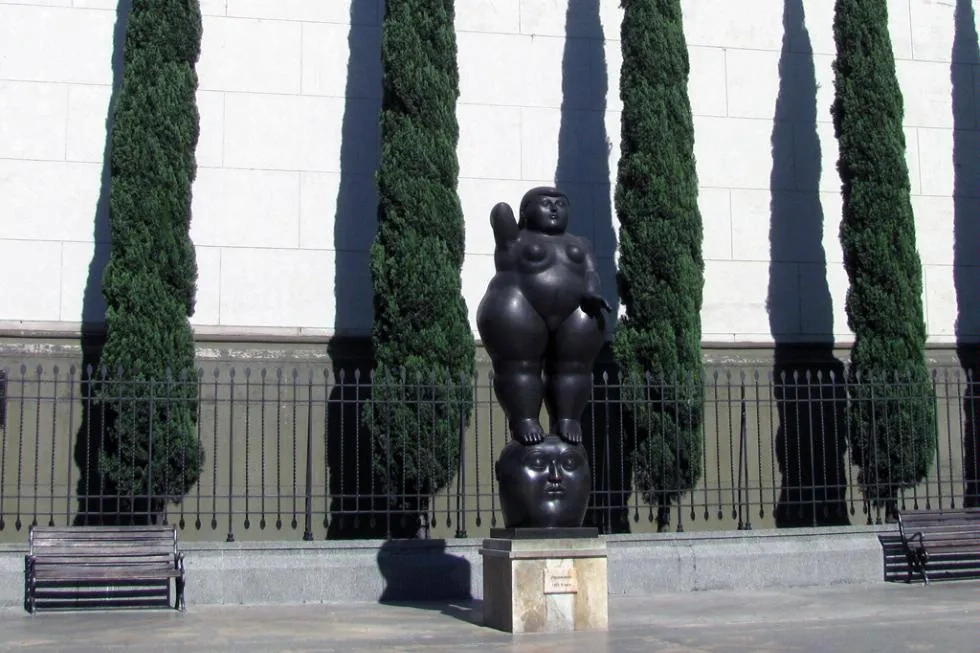 The Colombian artist Fernando Botero was born in Medellín, and the city honors his internationally-recognized work at the Museo de Antioquia (tel. 57/4251-3636; www.museodeantioquia.net) with nearly 100 of his artworks on display. About 20 of his roly-poly statues, aptly known as gordas or gordos, are also sprinkled around La Plaza Botero downtown.
The cultural offerings in Medellín don't end with Botero, however. This city of 2.5 million, the second-largest in Colombia, features some of the country's best theater and art venues, including the Pablo Tobón Uribe Theater (tel. 57/4251-1444; www.teatropablotobon.com/sitio) and the Medellín Museum of Modern Art (tel. 57/4230-2622; www.medellininfo.com/museos/arte-moderno).
Photo Caption: La Plaza Botero, Medellín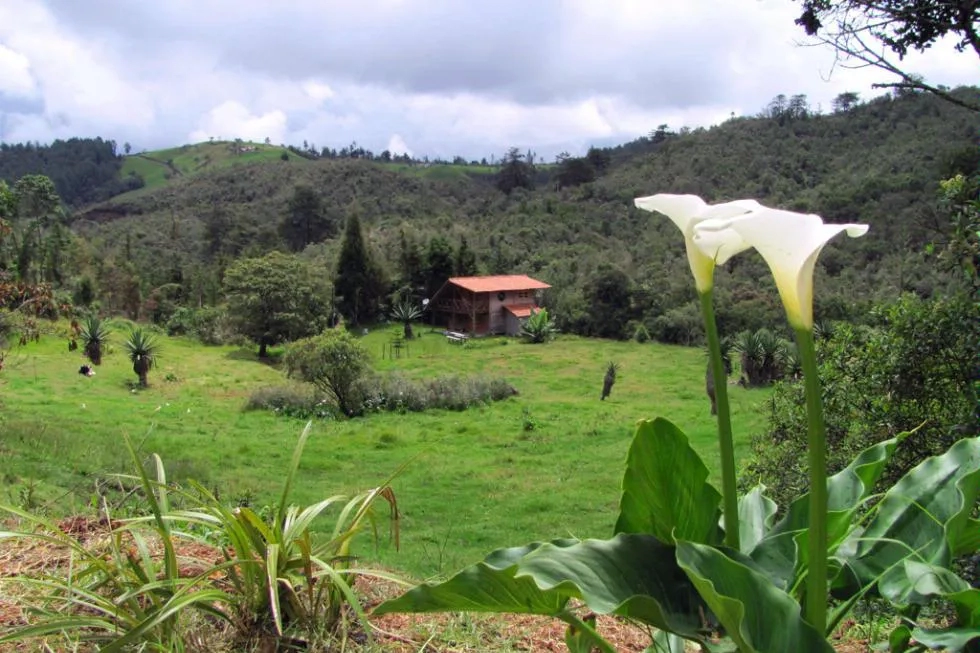 Less than an hour outside its city limits, Medellín's skyscrapers give way to coffee plantations and flower farms. The neighborhood of Santa Elena, reachable by Metrocable or bus, offers a bucolic and especially beautiful escape year round. But the best time to visit is in early August, when visitors can watch local farmers create elaborate flower arrangements called silletas -- the star attractions in Medellín's annual La Feria de las Flores (Festival of Flowers).
More Info: www.medellin.travel/en for more information on La Feria de las Flores and other events in Medellín
Photo Caption: A farm in Santa Elena, Colombia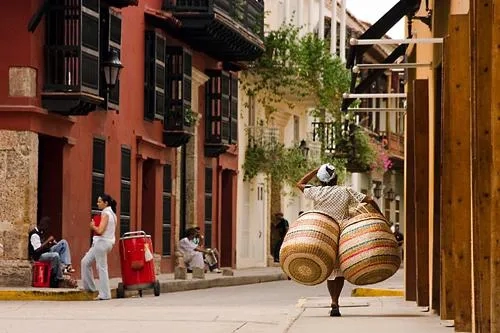
Photo Caption: A beach at Tayrona National Natural Park, in northern Colombia
The narrow cobblestone streets and open-air plazas have a romantic vibe -- just right for the city that Gabriel García Márquez lived in for many years. Fans of the Nobel laureate will enjoy the Gabriel García Márquez Audio Tour, available via the Tierra Magna tourist office (www.tierramagna.com; $35). The tour includes stops at the newspaper offices where Gabo worked as a journalist and the Arcade of the Scribes featured in Love in the Time of Cholera.
Photo Caption: The historic center of Cartagena, Colombia.
The fortress and Old Town were together designated a UNESCO World Heritage Site in 1984 and remain a big draw for tourists; nearly 300,000 cruise passengers docked at Cartagena in 2010.
Photo Caption: Castillo de San Felipe de Barajas, Cartagena
The nightlife in this area is no less revolutionary -- Café Havana (tel. 57/314-519-6475; https://cafehavanacartagena.com), situated at Calle de la Media Luna and Calle del Guerrero, is a hotbed of Cuban live music and the most happening spot in town.
Photo Caption: Statues in Gestemaní, Cartagena
Wherever you stay, be on the lookout for poison frogs scampering underfoot and howler monkeys swinging up above -- these are just two of the unique animals that call this park home.
Don't forget to pack a swimsuit. Tayrona National Park's beaches are considered some of the prettiest along Colombia's coast. Although harsh currents prevent swimming at a number of its beaches, the park has plenty of gentler stretches of shoreline where you can safely swim and snorkel.
More Info: www.parquesnacionales.gov.co
Photo Caption: A hut in Tayrona National Natural Park, in northern Colombia
Photo Caption: Biblioteca España Metrocable
The cultural offerings in Medellín don't end with Botero, however. This city of 2.5 million, the second-largest in Colombia, features some of the country's best theater and art venues, including the Pablo Tobón Uribe Theater (tel. 57/4251-1444; www.teatropablotobon.com/sitio) and the Medellín Museum of Modern Art (tel. 57/4230-2622; www.medellininfo.com/museos/arte-moderno).
Photo Caption: La Plaza Botero, Medellín
More Info: www.medellin.travel/en for more information on La Feria de las Flores and other events in Medellín
Photo Caption: A farm in Santa Elena, Colombia