

tom_ruaat
Four walls, a sloping roof, a door, square windows -- we think we know what a house should look like. But throughout the ages, people have found creative housing solutions to various environmental challenges -- from harsh weather to scarce building materials, from clan solidarity to protection from invasion.
Here are 10 examples that have survived into modern times.
Photo Caption: A traditional Mongolian ger or yurt in Mongolia.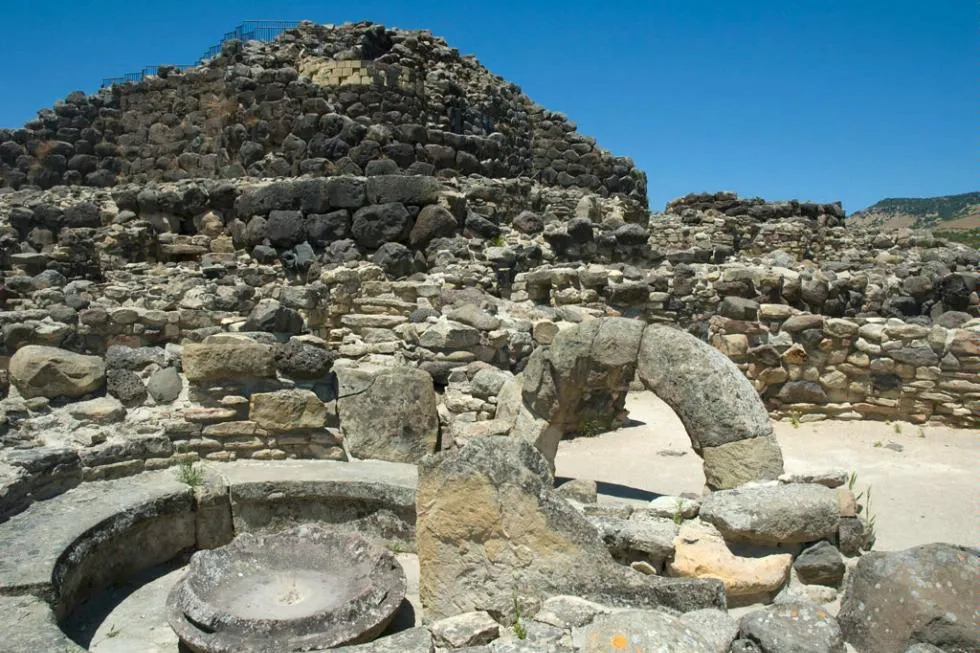 Dating back to the Bronze Age, nuraghe are dwellings built of rough-cut gray stone, tightly clustered around a central cone-shaped tower set on strategic high ground. Found only in Sardinia, these curious beehive-shaped settlements were apparently deserted and repopulated often during Phoenician, Punic, and Roman invasions.
More Info: www.nuraghi.org
Photo Caption: Nuraghe dwellings in the village of Barumini in Sardinia, Italy.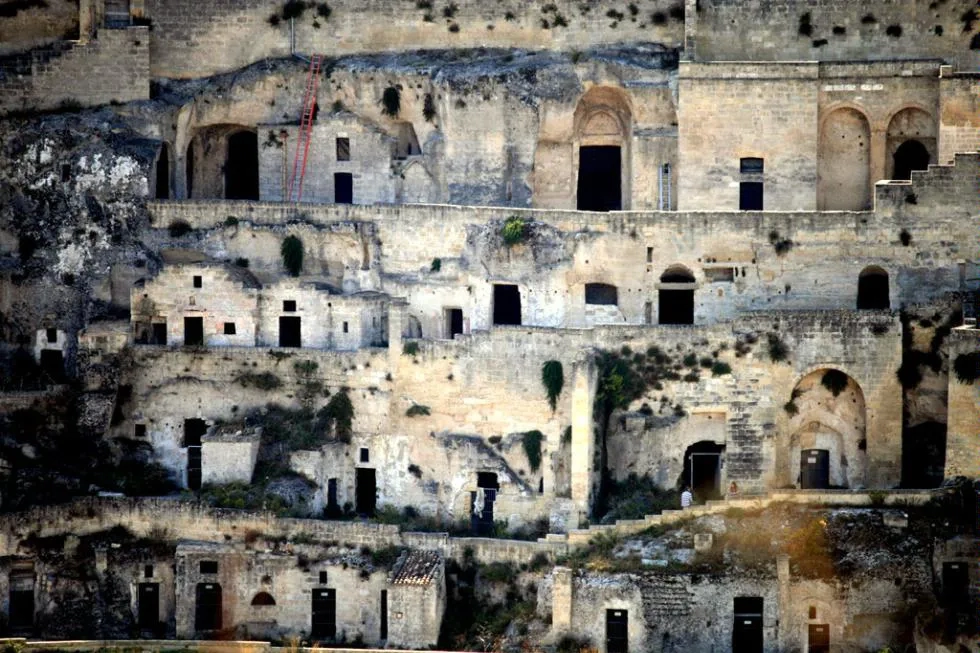 The word sassi literally means stones -- as in the steep ravine walls that prehistoric southern Italians burrowed into. They carved out tiny, windowless homes linked by underground passageways, safe refuges in times of invasion. Abandoned sassi have now been renovated into hotels, restaurants, and chic residences, Matera's main tourist draw.
More Info: tel. 39/835/334033; https://www.sassiweb.com/home/
Photo Caption: Houses carved into the sassi (stone) of Matera, Italy.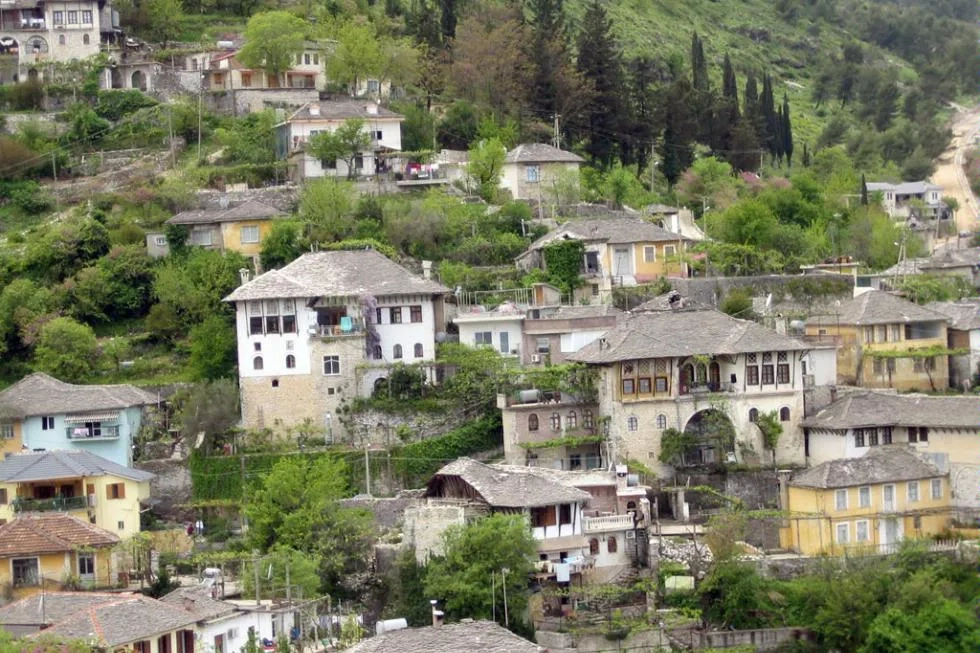 The word gjirokastra means "silver fortress" -- an apt name for this Ottoman town in southern Albania, with its distinctive 17th-century Turkish kule tower houses. Piled on the steep hillsides surrounding a 13th-century citadel, these slate-roofed stone houses stacked their rooms vertically. You enter on the top floor via a ladder, which could be swiftly pulled in when enemies arrived.
More Info: www.united-albania.com
Photo Caption: Gjirokastra houses in Albania.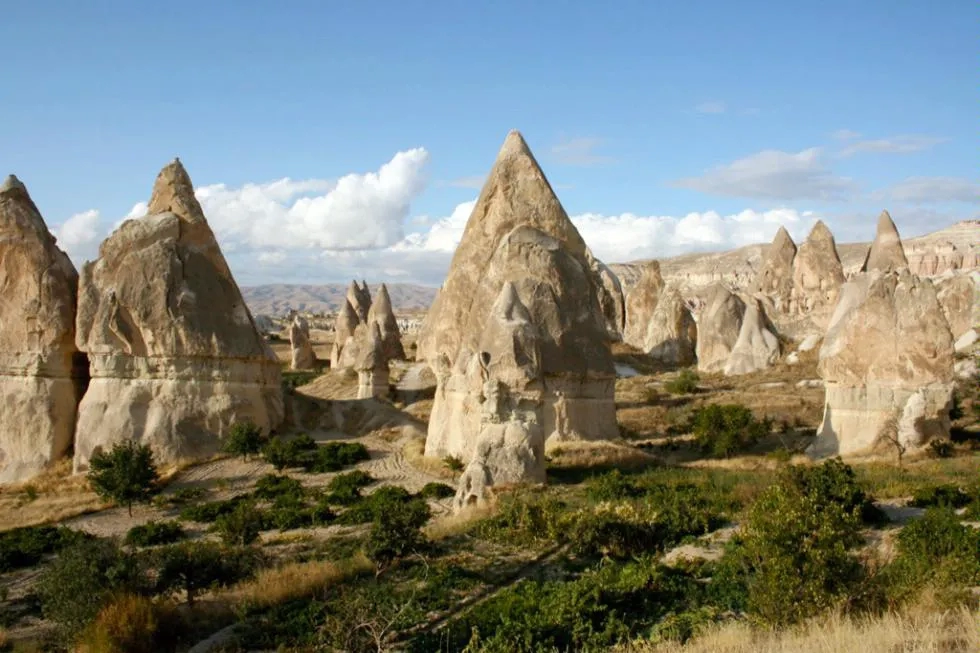 The original inhabitants of this Turkish hinterland hollowed out dwellings in pink cliffs of soft tufa rock; centuries later, they sheltered early Christians fleeing persecution. Open-air museums in both Goreme and the nearby Zelve Valley preserve frescoed churches and living quarters; eroded pillars known as "fairy chimneys" add to Cappadocia's distinctive landscape.
More Info:https://www.goreme.org/history/index.htm
Photo Caption: Rose Valley in Cappadocia, Turkey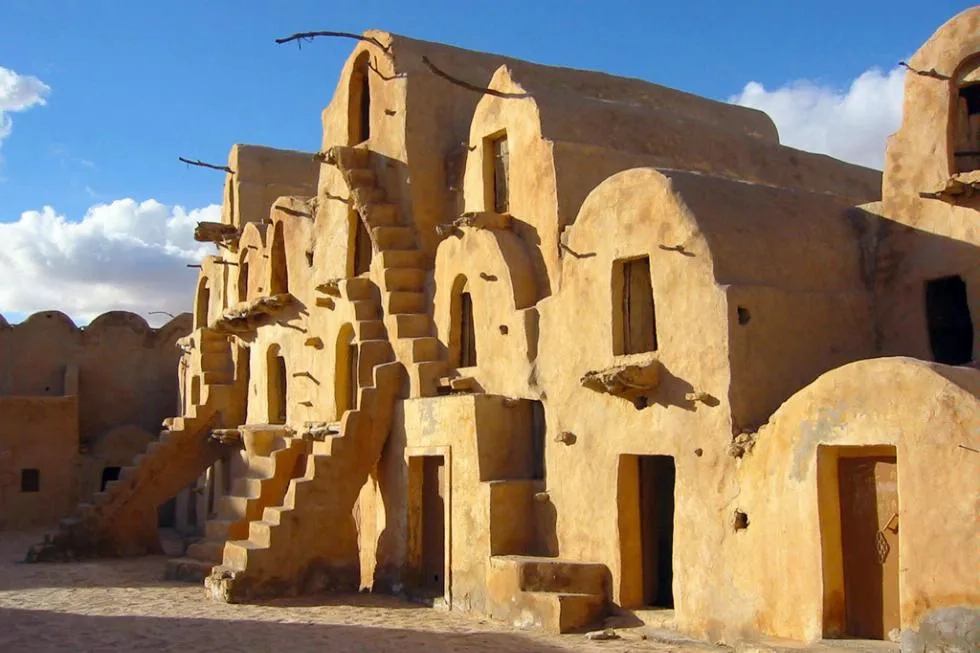 The traditional Berber mud-and-stone oasis complex -- a ksar, or plural ksour -- combined family dwellings with communal granaries, ovens, shops, and mosques. As time passed, villagers walled them up to use as forts during foreign invasions. Crumbling abandoned ksour stand as haunting relics in the desert, many clustered around the modern town of Tataouine.
More Info: https://www.tunisieindustrie.nat.tn/en/home.asp
Phone Number: (216) - 75 860 647
Photo Caption: The Ksar Ouled Soltane in Tataouine, Tunisia.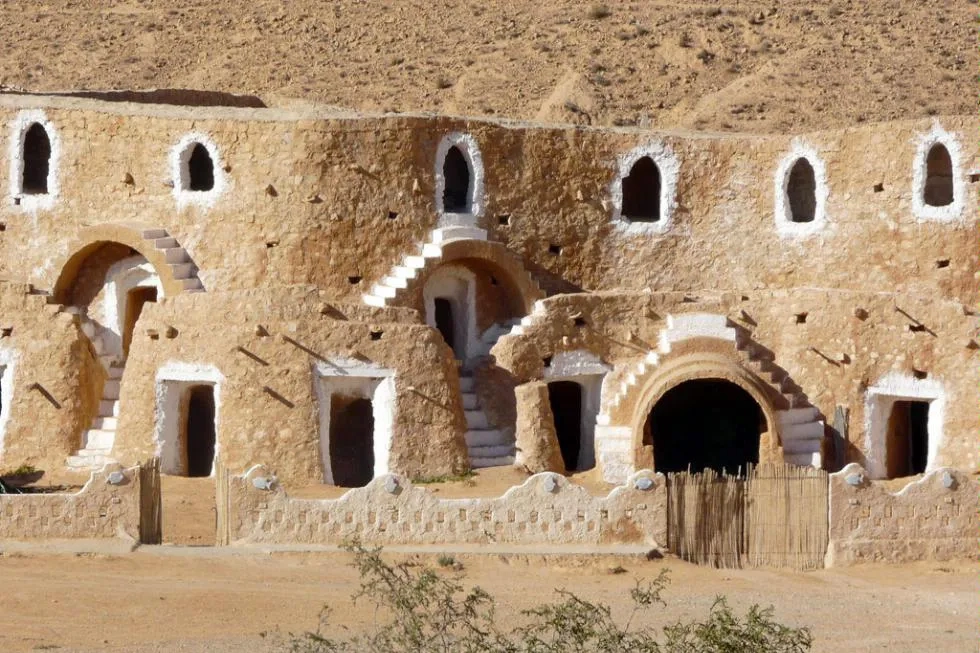 Filmmaker George Lucas discovered a readymade sci-fi setting for his Star Wars in this small Berber village, where prehistoric ancestors dug homes around a large circular pit, two stories deep, leading to each family's private network of cave chambers and connecting passageways. Today's villagers greet floods of tourists; some of these troglodyte homes have even been turned into hotels.
More Info:; https://www.tunisia.com
Photo Caption: The small Berber village of Matmâta in Southern Tunisia.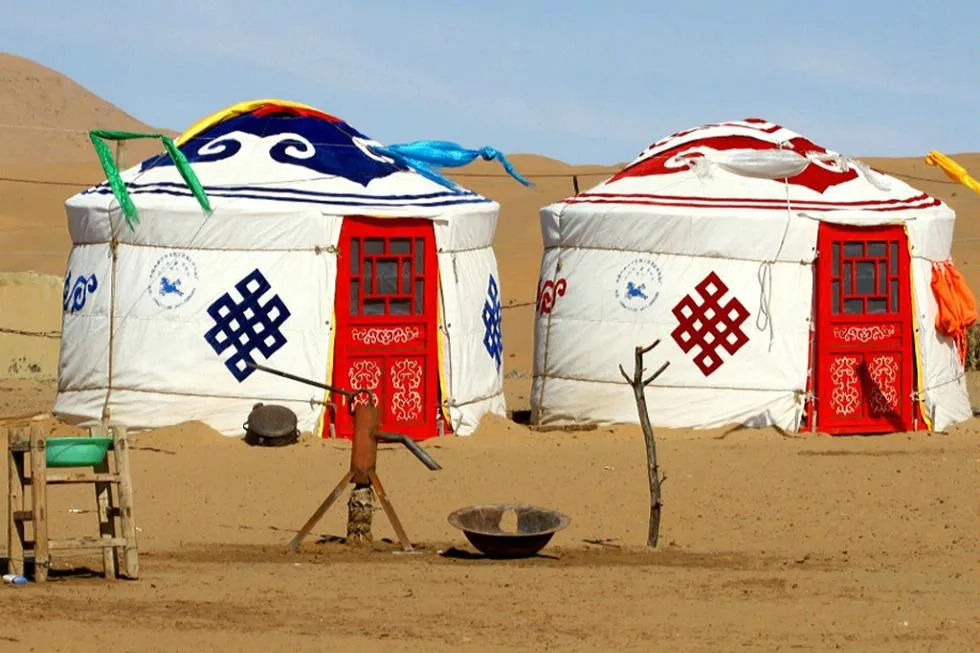 Round white felt-covered yurts -- or in Mongolian, gers -- are an ancient adaptation by Mongolian nomads to their peripatetic lives on the Central Asia steppes. Hung on a collapsible wood lattice, gers could be packed onto a camel or yak for easy transport, yet they are no mere tents, often boasting carved doors and pillars and rich hand-woven fabrics. Day-trip tours to outlying ger settlements leave from Ulan Bator.
More Info: https://mongoliantourism.gov.mn/top-menu/contact-us/
Photo Caption: Colorful Mongolian gers or yurts in Mongolia.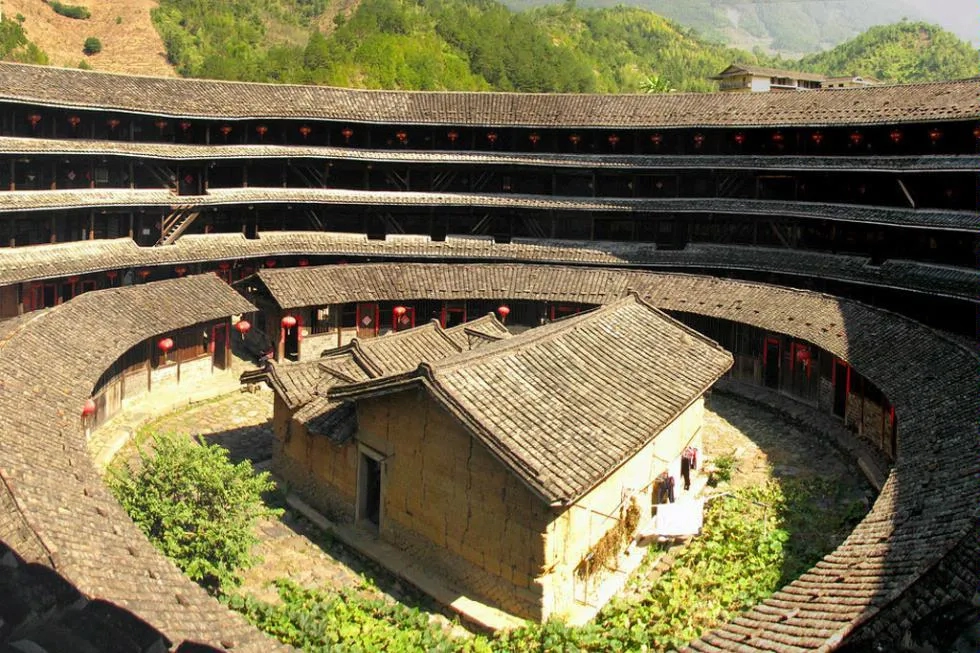 In rural Fujian province, for centuries ethnic Hakka and Minnan peoples have traditionally lived in clan groups in tile-roofed tulous -- huge communal complexes of rammed earth, with hundreds of rooms overlooking a central courtyard. Despite the Cultural Revolution's efforts to disperse clans, some 3,000 remain, mostly unmodernized and in disrepair. Several around Hukeng are open to the public; overnight tours run from Xiamen.
More Info: www.discoverfujian.com
Photo Caption: Tile-roofed tulous near Hukeng, China.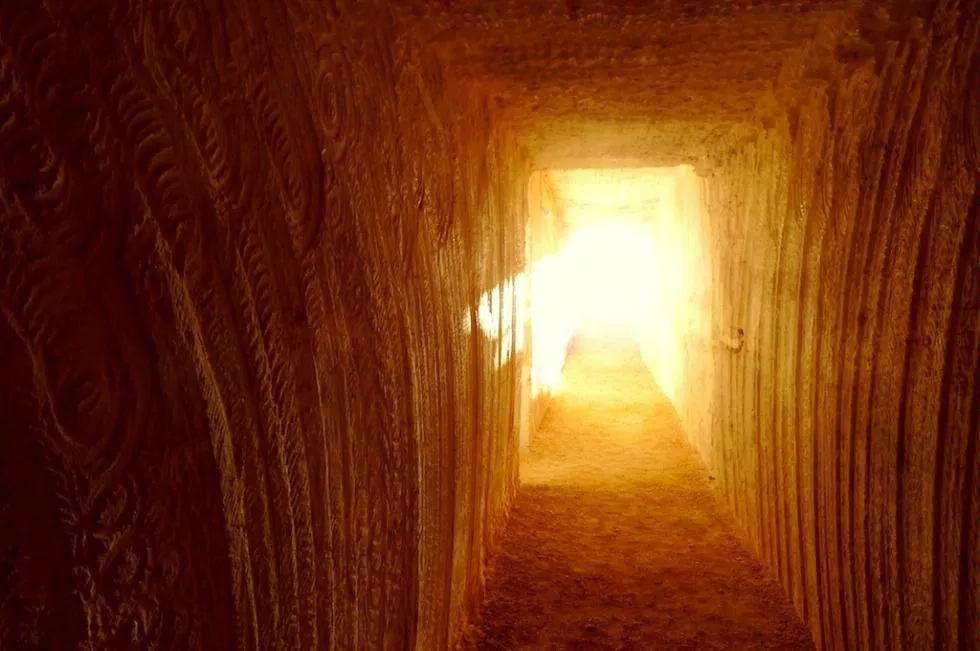 Early-20th-century opal miners in Australia's rough-and-ready interior found a unique solution to the punishing heat and dust of Outback existence: live in underground "dugouts," in holes left by earlier miners or the sun-bleached mullock heaps of mining waste. Even the hotels and restaurants here are mostly underground. It certainly gives new meaning to the term "down under."
More Info: https://www.cooberpedy.sa.gov.au/tourism#.U5oX3JRdWIQ
Photo Caption: Underground dwelling in Coober Pedy.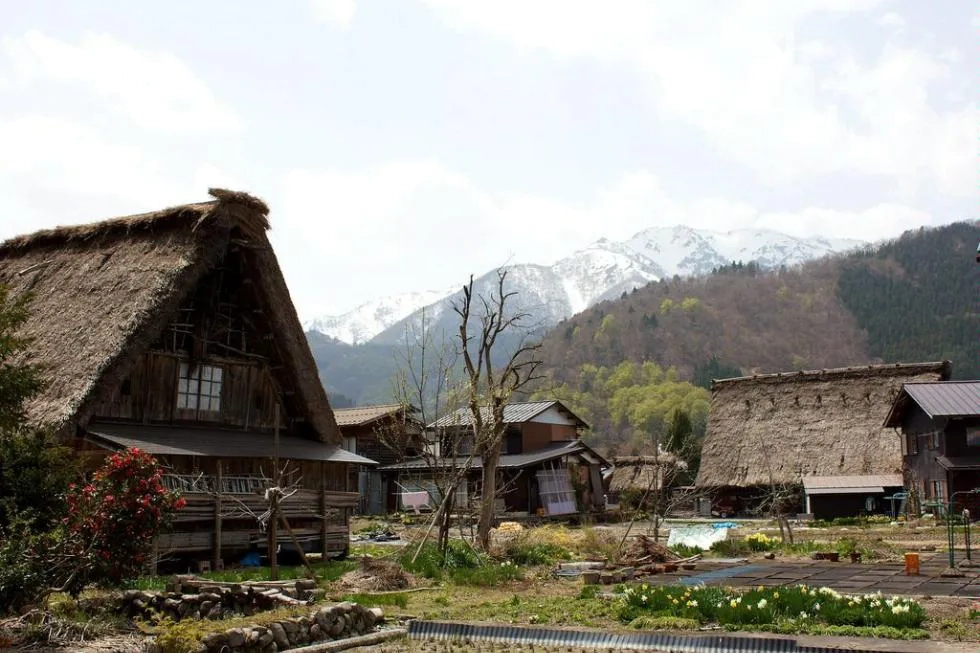
Here are 10 examples that have survived into modern times.
Photo Caption: A traditional Mongolian ger or yurt in Mongolia.
More Info: www.nuraghi.org
Photo Caption: Nuraghe dwellings in the village of Barumini in Sardinia, Italy.
More Info: tel. 39/835/334033; https://www.sassiweb.com/home/
Photo Caption: Houses carved into the sassi (stone) of Matera, Italy.
More Info: www.united-albania.com
Photo Caption: Gjirokastra houses in Albania.
More Info:https://www.goreme.org/history/index.htm
Photo Caption: Rose Valley in Cappadocia, Turkey
More Info: https://www.tunisieindustrie.nat.tn/en/home.asp
Phone Number: (216) - 75 860 647
Photo Caption: The Ksar Ouled Soltane in Tataouine, Tunisia.
More Info:; https://www.tunisia.com
Photo Caption: The small Berber village of Matmâta in Southern Tunisia.
More Info: https://mongoliantourism.gov.mn/top-menu/contact-us/
Photo Caption: Colorful Mongolian gers or yurts in Mongolia.
More Info: www.discoverfujian.com
Photo Caption: Tile-roofed tulous near Hukeng, China.
More Info: https://www.cooberpedy.sa.gov.au/tourism#.U5oX3JRdWIQ
Photo Caption: Underground dwelling in Coober Pedy.