

Etnoy
Lost in the forward-hurtling rush of civilization, by some quirk of fate each of these 10 small towns managed to escape modernization. They're not just architectural stage sets, but intact embodiments of distinct cultures -- the way things used to be before our global village got so homogenized.
Photo Caption: Civita di Bagnoregio, Italy.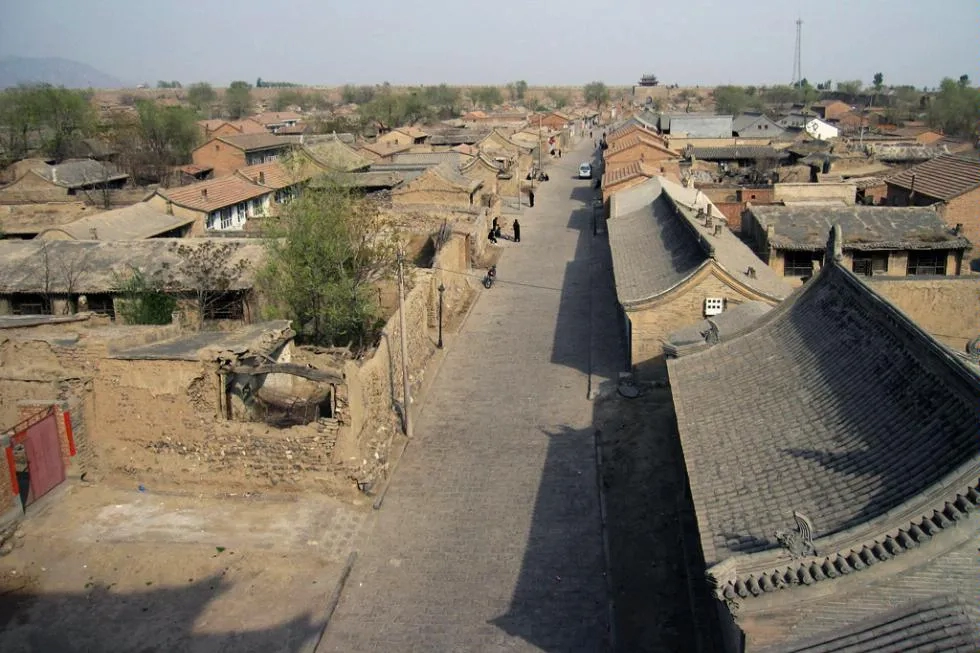 A vital way station on Genghis Khan's post road, where imperial couriers could change horses, the crumbling walled town of Jimingyi (Cock Crow) makes a good day trip, 2 hours from Beijing. Fading frescoes decorate its many temples, including 800-year-old Ningyong Temple; aristocratic courtyard houses and a double-roofed gate tower recall its Ming dynasty heyday.
More Info: www.chinaculture.org
Photo Caption: A view of Jimingyi in Hebei, about 2 hours from Beijing.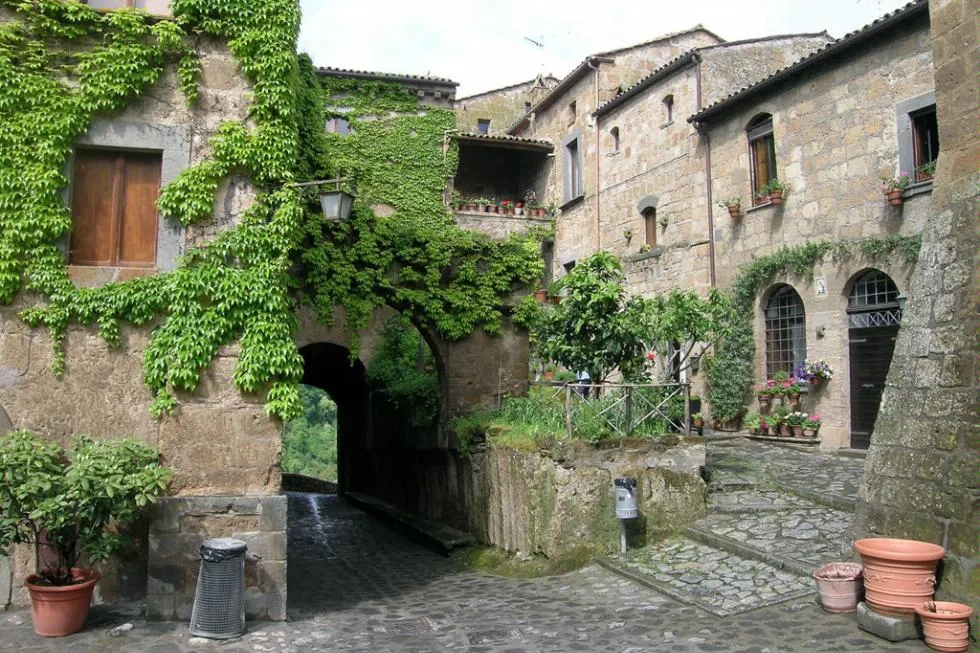 Founded by ancient Etruscans on a tufa-rock plateau overlooking the Tiber valley, in the late 1600s this walled medieval hill town was severed from the rest of Bagnoregio by erosion and landslides (a single pedestrian bridge connects them today). As more tourists discover this romantic decaying hill town, its steadily crumbling outcrop worries preservationists.
More Info: www.civitadibagnoregio.it
Photo Caption: Inside the walls of Civita di Bagnoregio, Italy.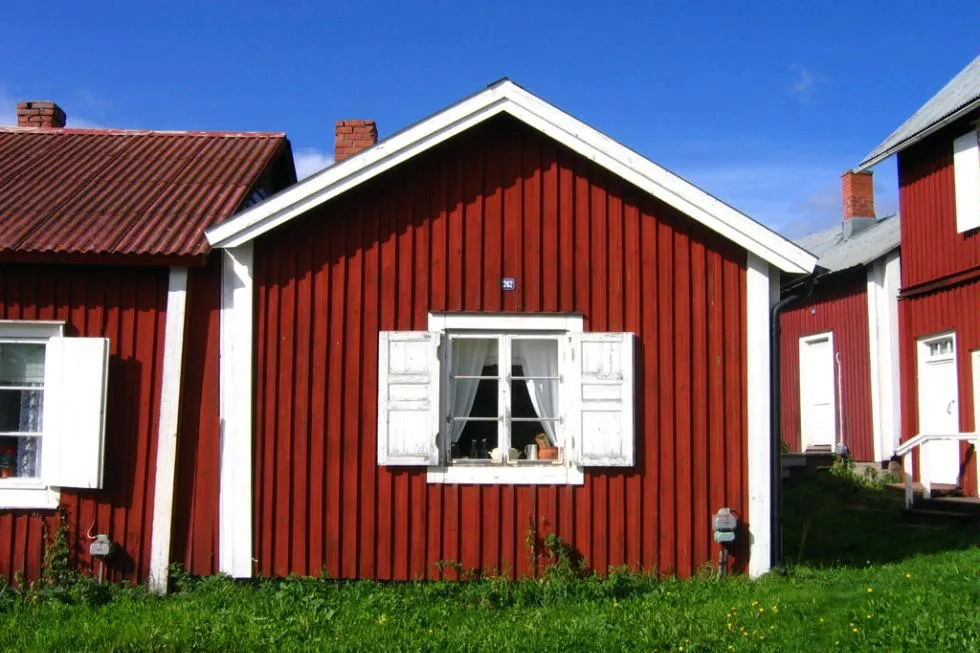 Sweden once had 71 such "towns" -- clusters of snug one-room wooden cottages where country parishioners could stay overnight to attend Sunday church services. Only 16 have survived, the largest being this 424-cottage settlement around the whitewashed belfry of Nederluleå church, the largest medieval church in Norrland. Guided tours are available.
More Info: tel. 46/920/45 70 10; www.lulea.se/gammelstad
Photo Caption: Red wooden houses dot the landscape in Gammelstads Kyrkstad, Lulea.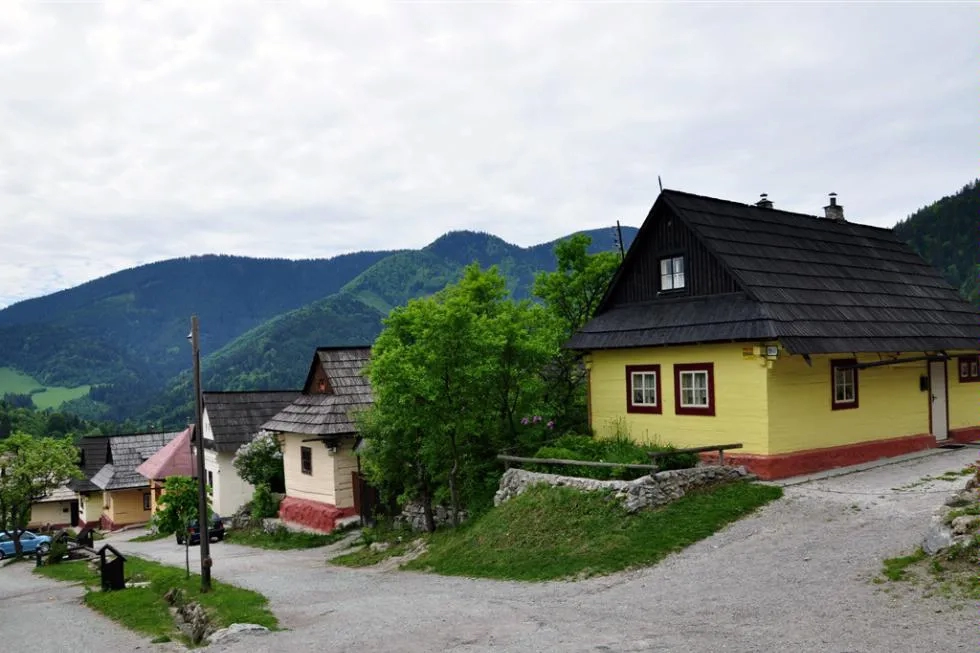 Straggling up the Carpathian slopes, half of this mountain village's traditional deep-gabled log houses are year-round residences, the other half vacation homes. There's little difference between 16th-century and 19th-century houses -- none has running water or sewers, and chickens and goats roam free outside.
More Info: www.vlkolinec.sk
Photo Caption: Vlkolinec, in the Carpathian Mountains, Slovakia.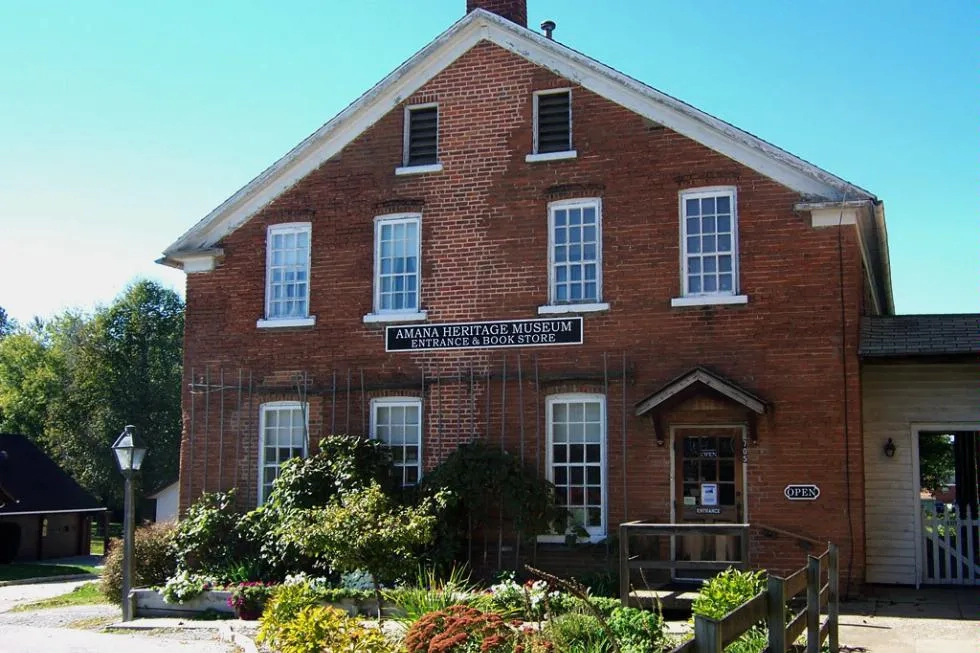 Settled by a German religious sect in 1855, these seven hamlets along the Iowa River maintained a strict communal lifestyle until 1932. In a landmarked district of some 500 historical buildings, every village has its own store, school, bakery, dairy, and church; assigned homes stand in the middle, ringed by barns, craft workshops, and factories (for Amana refrigerators, for instance).
More Info: tel. 800/579-2294; www.amanacolonies.com
Photo Caption: Amana Heritage Museum at the Amana Colonies, Iowa.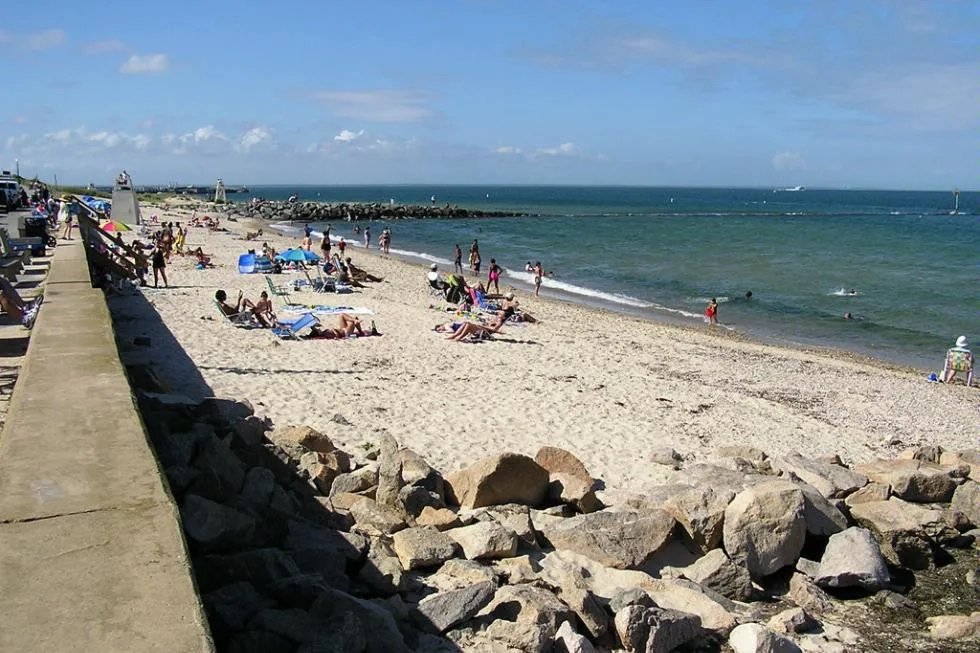 One of the last surviving 1880s "cottage camps" built for summer religious retreats -- very popular in late-19th-century America -- the Campground in Oak Bluffs features some 300 doll-like Victorian gingerbread cottages, set closely on narrow lanes surrounding the recently restored Tabernacle, an open-sided pavilion where Methodist preachers still hold services.
More Info: tel. 508/693-0525; www.mvcma.org
Photo Caption: The Inkwell located in Oak Bluffs, Martha's Vineyard.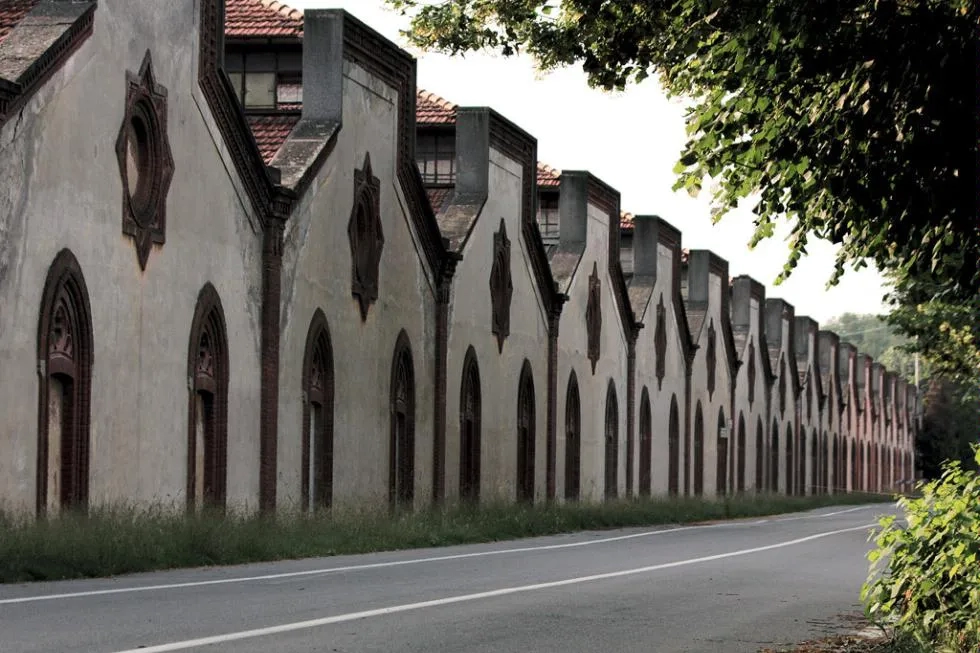 From 1878 to 1928, this model industrial town was built by the enlightened owners of the Crespi cotton mill -- a tidy grid of 50 roomy stucco houses, each allotted to two or three workers' families, set in neat low-walled gardens. The village still looks much the same, with most houses owned by descendants of Crespi workers; the factory
closed in 2004.
From 1878 to 1928, this model industrial town was built by the enlightened owners of the Crespi cotton mill -- a tidy grid of 50 roomy stucco houses, each allotted to two or three workers' families, set in neat low-walled gardens. The village still looks much the same, with most houses owned by descendants of Crespi workers; the factory
closed in 2004.
More Info: tel. 39/2/9098 7191; www.villaggiocrespi.it
Photo Caption: Crespi D'Adda, Italy.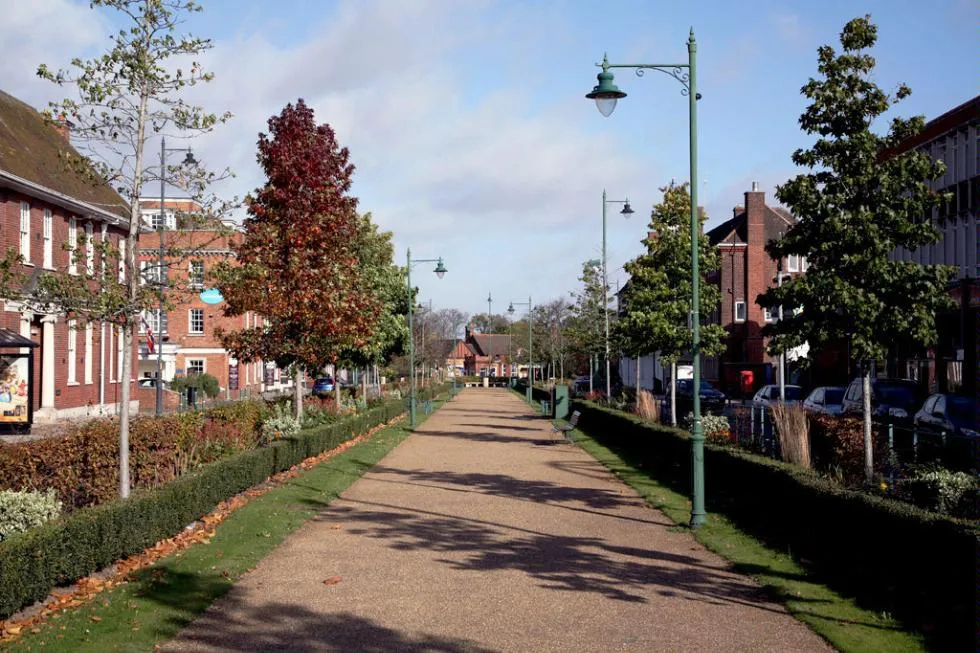 Inspired by social reformer Ebenezer Howard, this 1903 urban planning experiment pioneered many features still used today -- separate zoning for industry and residences, the preservation of trees and open spaces, affordable housing (the so-called Cheap Cottages), traffic roundabouts, and a surrounding Green Belt. The architecture is still charmingly rural and small scale.
More Info: tel. 44/1462/487868; www.letchworthgc.com
Photo Caption: Broadway in Letchworth Garden City, Hertfordshire.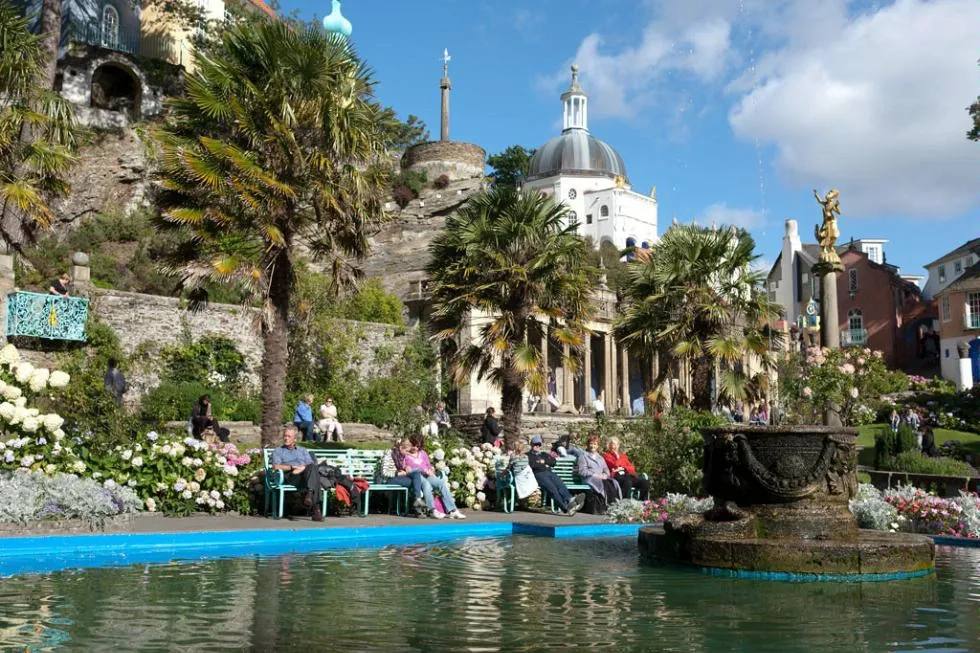 Constructed from 1925 to 1973, this charming but incongruous Mediterranean-style village on North Wales's rugged coast embodied founder Clough Williams-Ellis's utopian theories on harmonizing architecture with nature. Pastel Palladian villas, Arts and Crafts cottages, and an Art Deco hotel are set amid flower-filled terraces, sloping lawns, and mature woods of yews, oaks, and rhododendrons.
More Info: tel. 44/1766/770000; www.portmeirion-village.com
Photo Caption: The village of Portmeirion in Gwynedd, Wales.
Photo Caption: Civita di Bagnoregio, Italy.
More Info: www.chinaculture.org
Photo Caption: A view of Jimingyi in Hebei, about 2 hours from Beijing.
More Info: www.civitadibagnoregio.it
Photo Caption: Inside the walls of Civita di Bagnoregio, Italy.
More Info: tel. 46/920/45 70 10; www.lulea.se/gammelstad
Photo Caption: Red wooden houses dot the landscape in Gammelstads Kyrkstad, Lulea.
More Info: www.vlkolinec.sk
Photo Caption: Vlkolinec, in the Carpathian Mountains, Slovakia.
More Info: tel. 800/579-2294; www.amanacolonies.com
Photo Caption: Amana Heritage Museum at the Amana Colonies, Iowa.
More Info: tel. 508/693-0525; www.mvcma.org
Photo Caption: The Inkwell located in Oak Bluffs, Martha's Vineyard.
More Info: tel. 39/2/9098 7191; www.villaggiocrespi.it
Photo Caption: Crespi D'Adda, Italy.
More Info: tel. 44/1462/487868; www.letchworthgc.com
Photo Caption: Broadway in Letchworth Garden City, Hertfordshire.
More Info: tel. 44/1766/770000; www.portmeirion-village.com
Photo Caption: The village of Portmeirion in Gwynedd, Wales.