

Ell Brown
By Chris Gray Faust (www.caroundtheworld.com)
The Costa Concordia tragedy has made cruisers more aware that on the high seas, anything can happen.
And that's not necessarily a bad thing, says Canadian sociologist Ross Klein, who compiles information about publicly reported incidents on cruise ships (www.cruisejunkie.com). "I'm not interested in getting people concerned or fearful," says Klein, who has written two books about the cruising industry. "They (the industry) make it appear as though nothing ever happens on a cruise ships. But people need to go on a cruise realizing that things can happen."
While the chances are extremely slim that your captain will hit a rock and capsize a 100,000-ton vessel, emergency situations do arise on cruise ships. From dealing with ship fires to stormy seas, cruise experts share their tips on how to react during a crisis and how to cope during these five possible scenarios.
Photo Caption: Life rings aboard a cruise in Italy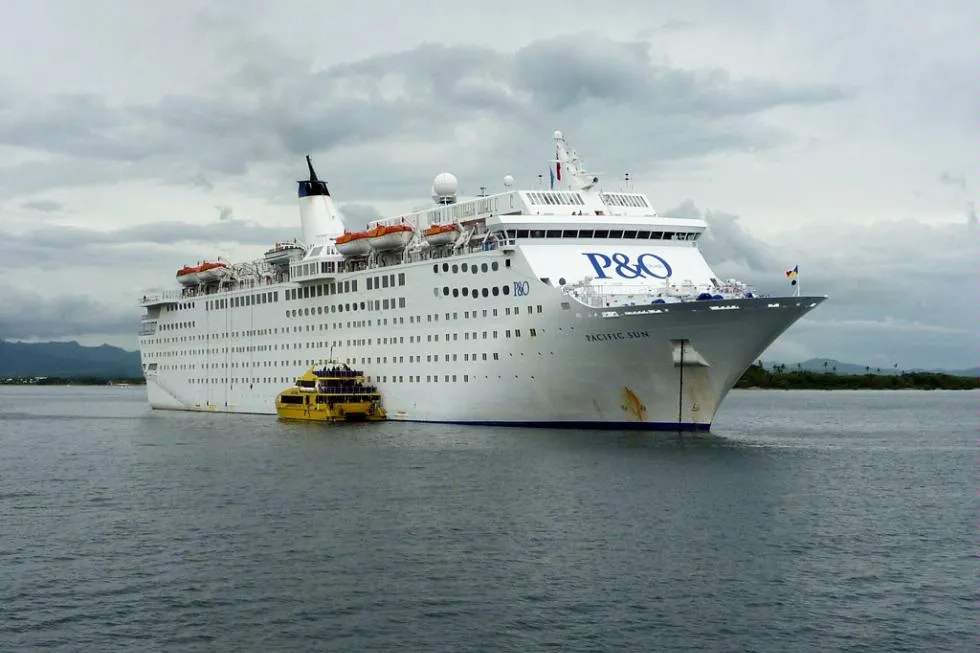 Does it happen? Ships list because of fast winds or large swells. Injuries have been sustained in listing incidents; YouTube videos show furniture sliding around the P&O Pacific Sun during a 2008 cruise in New Zealand. About 80 people were injured in that storm.
What should you do? "Sit down and grab on to something that's stable," says Jay Herring, a former senior officer at Carnival Cruise Lines and author of The Truth About Cruise Ships. "Sitting on the floor will be much better than walking. If there's furniture sliding around, get behind a pole or something."
And if the listing is accompanied by a giant thud, as Costa Concordia passengers reported? "It's never going to hurt to head to your cabin to get your life vest," says Herring, who did go through a listing incident when he worked on a Gulf of Mexico ship. "Then head to your muster station."
Likelihood? Infrequent
Photo Caption: P&O's Pacific Sun on a calmer day at sea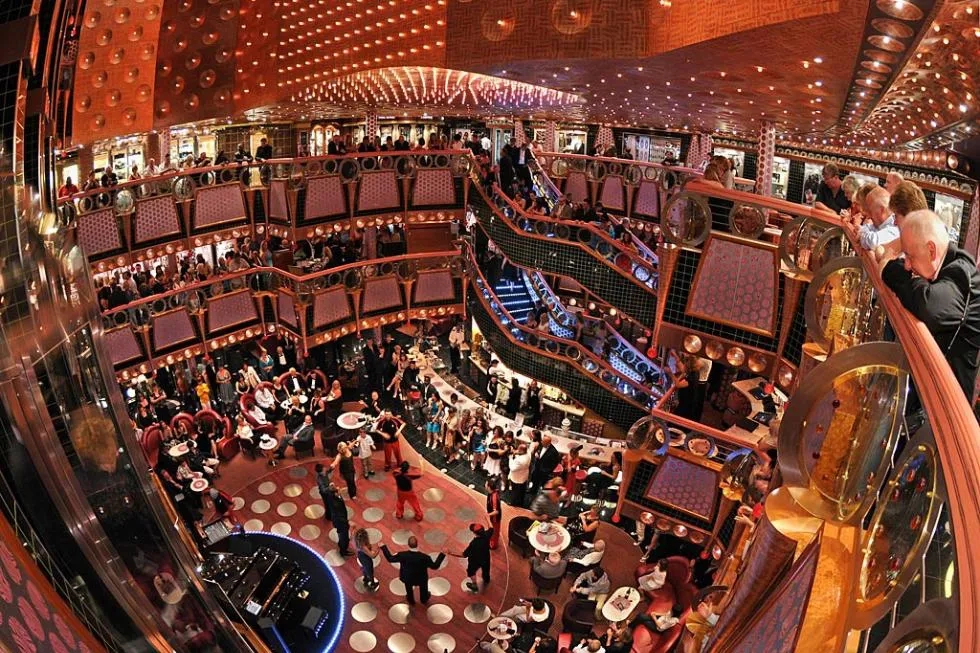 Does it happen? Ship fires seem to break out every few months. According to CruiseJunkie.com, there were nine instances of shipboard fires in 2011, including a small fire on Cunard's Queen Mary 2. While most onboard fires are handled quickly, a November 2010 fire in the engine room of the Carnival Splendor disabled the ship, forcing tugboats to pull the ship back to San Diego with the passengers still on board.
What should you do? "If you're onboard during a fire, grab your life vest if it's safe to get to your cabin," says Jay Herring, author of The Truth About Cruise Ships. "Follow the crew's instructions. They will direct you to either the life boats or to the safest place onboard the ship."
Likelihood? Occasional
Photo Caption: The Atrium of the Carnival Splendor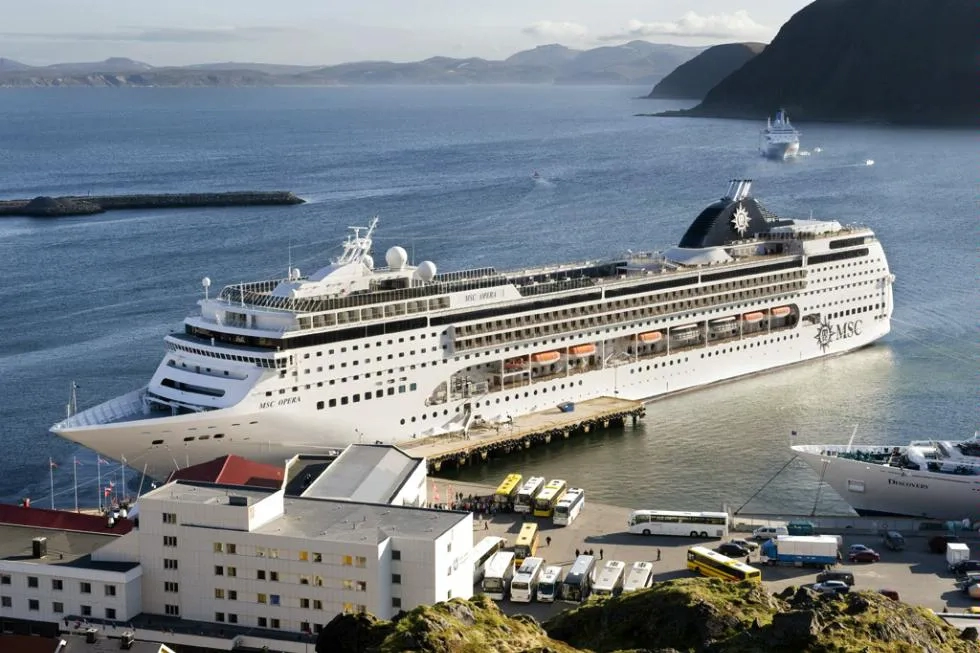 Does it happen? When ships lose power, they float adrift. While most power outages are short, lasting only a few minutes and unnoticed by the passengers, longer ones have more serious consequences with spoiled food and other problems. During the Carnival Splendor outage, food was flown in for the captive passengers; emergency generators can only go so far when the ship is out at sea. In May 2011, MSC Opera lost power in the Baltic Sea. Passengers described the ordeal as shocking and scary, with dark hallways and backed up toilets, according to the BBC.
What should you do? "Stay up on the open deck or in your room," says author Jay Herring, whose Carnival ship once lost power and ran aground in the Mississippi River. "Try not to walk around in the dark. Go to a place where you're away from stuff falling."
Likelihood? Occasional
Photo Caption: The MSC Opera docked in Honningsvag, Norway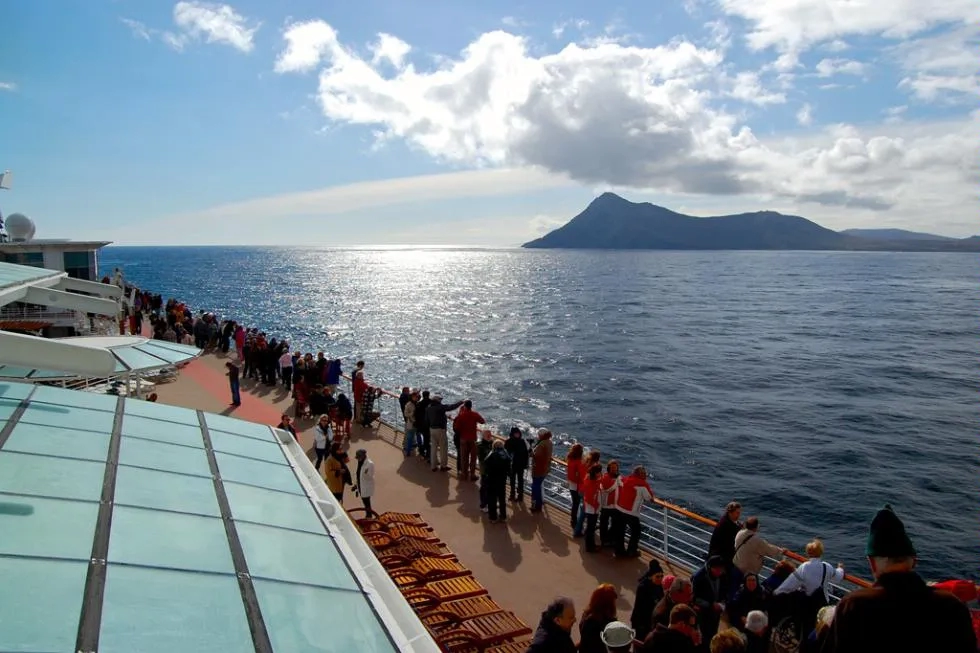 Does it happen? Savvy sailors know that certain waters are rougher than others. Avoid the Caribbean during September, as that's the heart of hurricane season. Other places where the seas can get nasty: Cape Horn, south of Argentina, and the Bay of Biscay off the west coast of France.
What should you do? If the captain announces that rough waters are happening, find your favorite seasickness remedy (she recommends Bonine) and go to your cabin, says Carolyn Spencer Brown, editor of CruiseCritic.com. "This isn't the time to go to the upper deck," cautions Brown. "You want to stay center of the ship, and low." If your cabin is in the fore or aft of the ship where you will feel more of the movement, you could also head to a bar in the center of the ship, preferably without windows, she says.
Likelihood? Frequent, depending on your route
Photo Capton: Cape Horn on a calm day as seen from the deck of the Celebrity Infinity
The Costa Concordia tragedy has made cruisers more aware that on the high seas, anything can happen.
And that's not necessarily a bad thing, says Canadian sociologist Ross Klein, who compiles information about publicly reported incidents on cruise ships (www.cruisejunkie.com). "I'm not interested in getting people concerned or fearful," says Klein, who has written two books about the cruising industry. "They (the industry) make it appear as though nothing ever happens on a cruise ships. But people need to go on a cruise realizing that things can happen."
While the chances are extremely slim that your captain will hit a rock and capsize a 100,000-ton vessel, emergency situations do arise on cruise ships. From dealing with ship fires to stormy seas, cruise experts share their tips on how to react during a crisis and how to cope during these five possible scenarios.
Photo Caption: Life rings aboard a cruise in Italy
What should you do? "Sit down and grab on to something that's stable," says Jay Herring, a former senior officer at Carnival Cruise Lines and author of The Truth About Cruise Ships. "Sitting on the floor will be much better than walking. If there's furniture sliding around, get behind a pole or something."
And if the listing is accompanied by a giant thud, as Costa Concordia passengers reported? "It's never going to hurt to head to your cabin to get your life vest," says Herring, who did go through a listing incident when he worked on a Gulf of Mexico ship. "Then head to your muster station."
Likelihood? Infrequent
Photo Caption: P&O's Pacific Sun on a calmer day at sea
What should you do? "If you're onboard during a fire, grab your life vest if it's safe to get to your cabin," says Jay Herring, author of The Truth About Cruise Ships. "Follow the crew's instructions. They will direct you to either the life boats or to the safest place onboard the ship."
Likelihood? Occasional
Photo Caption: The Atrium of the Carnival Splendor
What should you do? "Stay up on the open deck or in your room," says author Jay Herring, whose Carnival ship once lost power and ran aground in the Mississippi River. "Try not to walk around in the dark. Go to a place where you're away from stuff falling."
Likelihood? Occasional
Photo Caption: The MSC Opera docked in Honningsvag, Norway
What should you do? If the captain announces that rough waters are happening, find your favorite seasickness remedy (she recommends Bonine) and go to your cabin, says Carolyn Spencer Brown, editor of CruiseCritic.com. "This isn't the time to go to the upper deck," cautions Brown. "You want to stay center of the ship, and low." If your cabin is in the fore or aft of the ship where you will feel more of the movement, you could also head to a bar in the center of the ship, preferably without windows, she says.
Likelihood? Frequent, depending on your route
Photo Capton: Cape Horn on a calm day as seen from the deck of the Celebrity Infinity