Frommers.com Community
This monument to Portugal's exploration was originally built as a temporary exhibit in 1940 for the Portuguese World Exhibition. José Cotinelli Telmo and Leopoldo de Almeida's sculpture was reconstructed in concrete along the Tagus River twenty years later to honor the 500th anniversary of Prince Henry the Navigator's death (he's at the head of the scuplture, looking at the moon).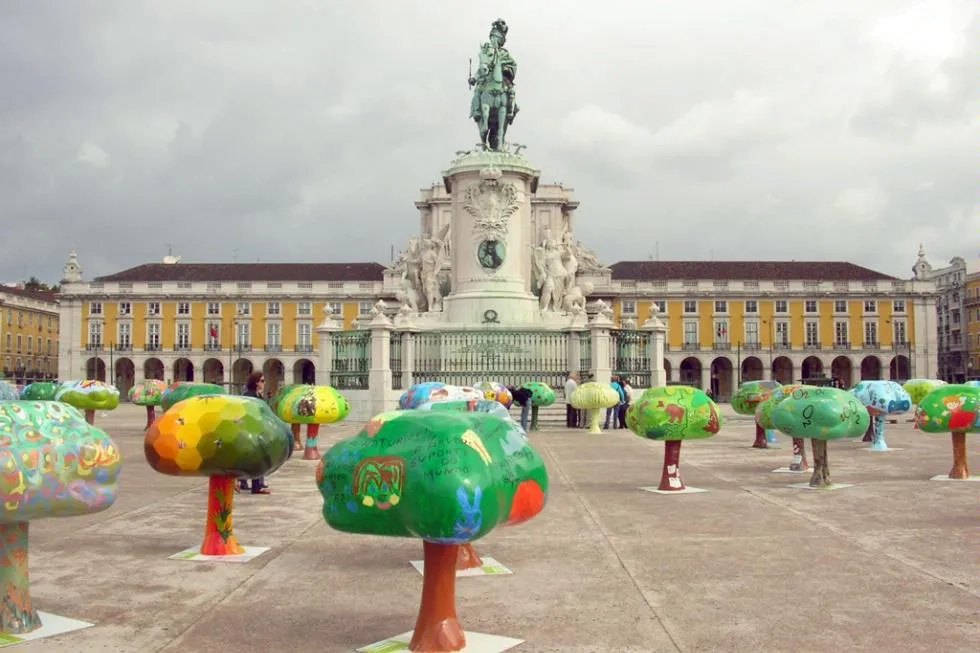 An equestrian statue of Dom José I sits in the center of Lisbon's Praça de Comérico (Commerce Square), built after a horrendous 1755 earthquake. It's the gateway (through the Arco Triunfal behind the statue) to one of Europe's earliest premeditated urban rebuilds, the Baixa.
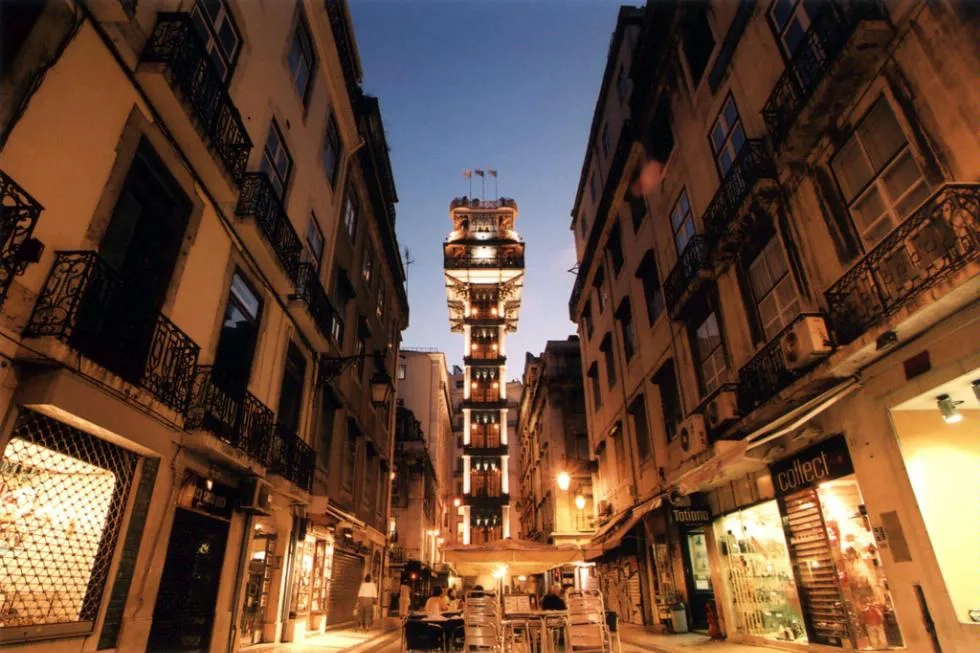 In the middle of the Baixa is this 45-metre (150-feet) iron structure, the Elevador de Santa Justa. Built in 1902, to the design of Porto-born architect Raul Mesnier de Ponsard, the neo-gothic structure still functions as an elevator, it's upper level leading to the ruins of the Carmelite Convent. There's also a café at the top.
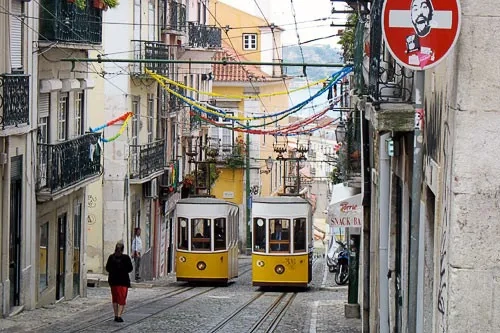 Lisbon's trams (eléctrico) were introduced in 1873 and remain the ideal way to negotiate the old city's hills. Their brightly colored façades will take you back in time as you trundle through the city's cobbled streets. The most famous route in Lisbon is Tram 28, which takes you on a fascinating trip through the most history-rich part of the city.
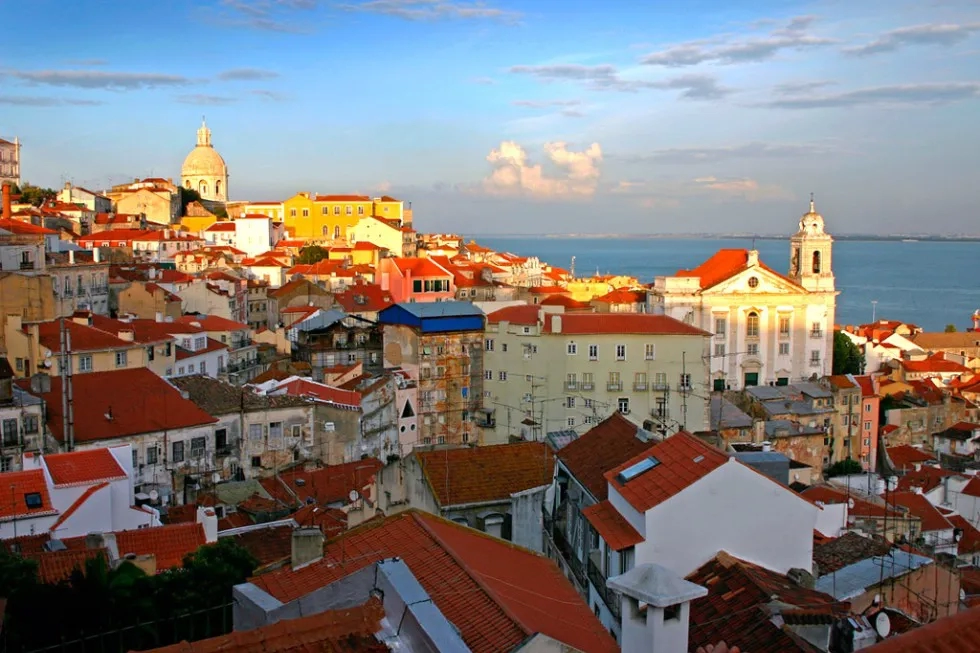 Scale Lisbon's seven hills for great views of the old city's red rooftops. Down below you'll see the Alfama, Lisbon's ancient heart, where amidst a tangle of cobbled streets and narrow steps can be found such local landmarks as the Castelo de São Jorge (St. George's Castle) and the Sé, Lisbon's 12th-century cathedral.
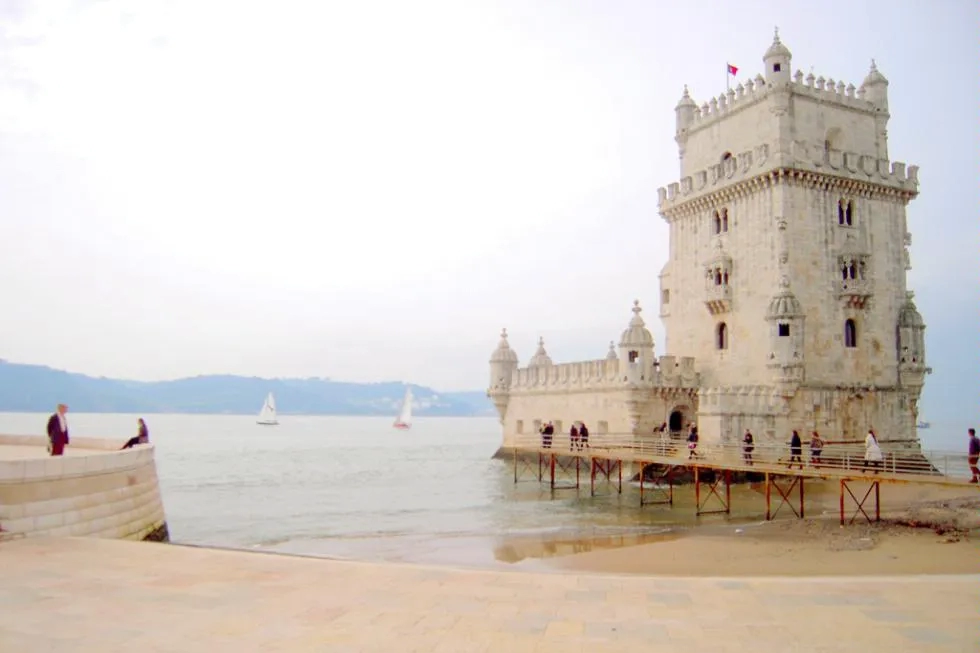 An exquisite example of distinctive, early 16th-century Manueline architecture (named after Dom Manuel I), the Torre de Belém (Belem Tower), just west of Lisbon, guarded the northern banks of the River Tagus and the entry to Portugal's capital. Climb to the top of this UNESCO World Heritage Site for impressive views the city.
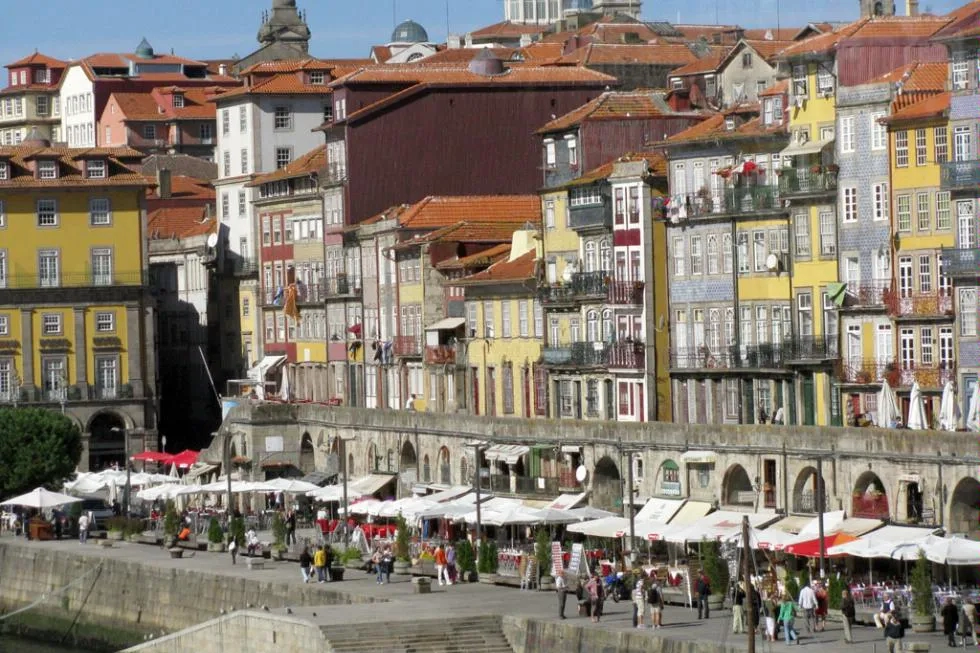 Rest weary feet and join the locals in a favored activity -- indulging in some cake in a coffee house or pavement cafe (esplanada), seen here under the colorful riverside buildings along Lisbon's River Tagus. It's an ideal way to break up a sightseeing day.
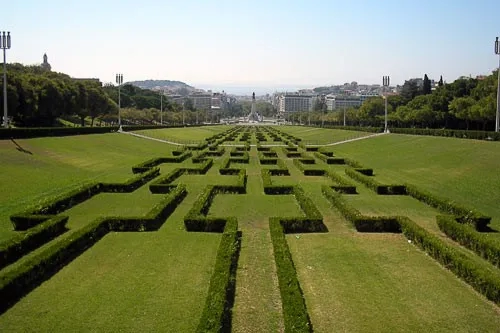 Parque Eduardo VII, the city center's foremost stretch of greenery, is crisscrossed by paths and carefully trimmed hedges. The park's most eye-catching features (visible from far away) are the beds, hedges, and pathways of the formal gardens.
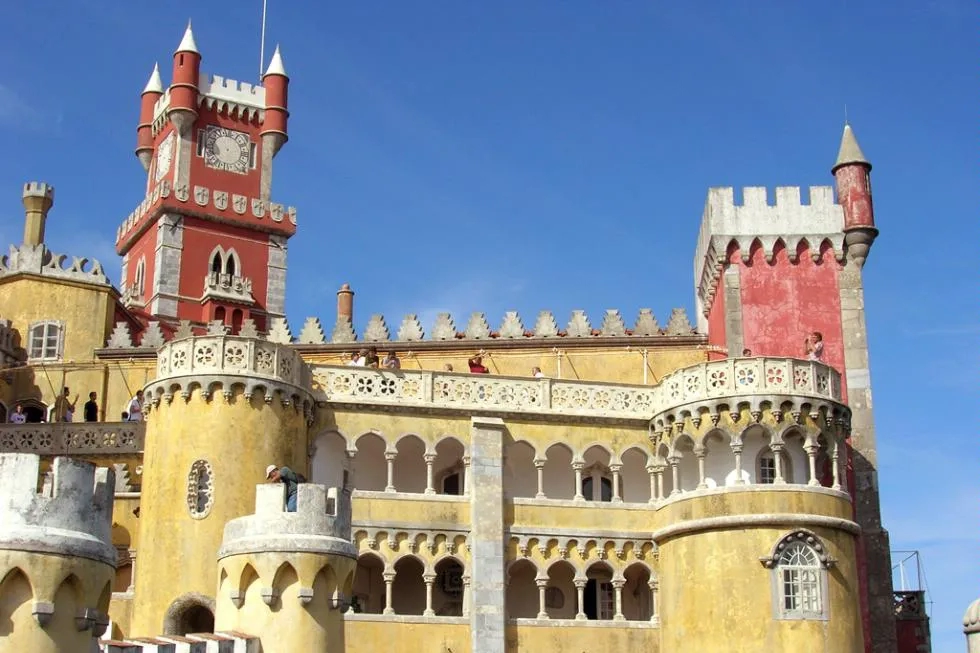 Hop on a train from Lisbon to eye-catching Sintra, a UNESCO World Heritage Site. A favorite summer escape of the Portuguese royal family for centuries, in the 19th century it became a fantasy retreat in the wooded hills for the moneyed set. Do taste the local specialty cheese cake, queijadas.