

Hiroaki Kaneko
By Beth Rieber
Most visitors find Japan to be a country of startling contrasts, at one and the same time dizzyingly contemporary and proudly traditional. Here are just a few of the surprises you'll encounter if you make it to this fascinating island nation.
Photo caption: Cherry blossoms at Himeji Castle in Japan.
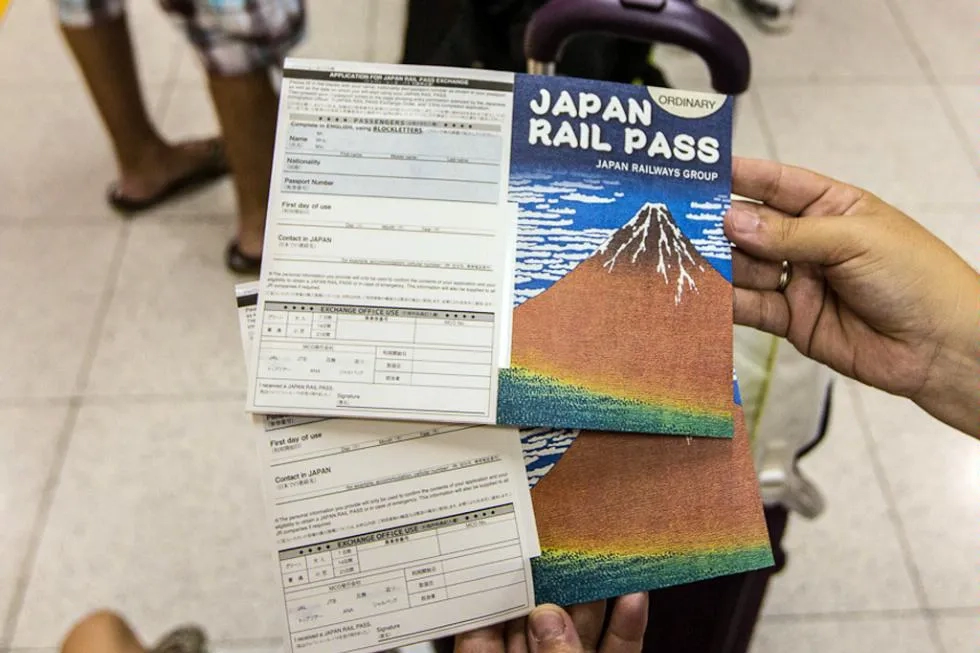 The best deals are the Japan Rail Pass, which must be purchased outside Japan, as well as regional train passes available only to bona-fide tourists for travel in Kyushu, Hokkaido, and other regions. There are also special domestic plane fares only for foreigners, as well as cheaper rates offered by new low-cost carriers like Jetstar Japan. For budget travelers, Japan also offers a sophisticated network of long-distance buses.
Photo caption: Japan Rail Passes are one of the best deals for travel in Japan.
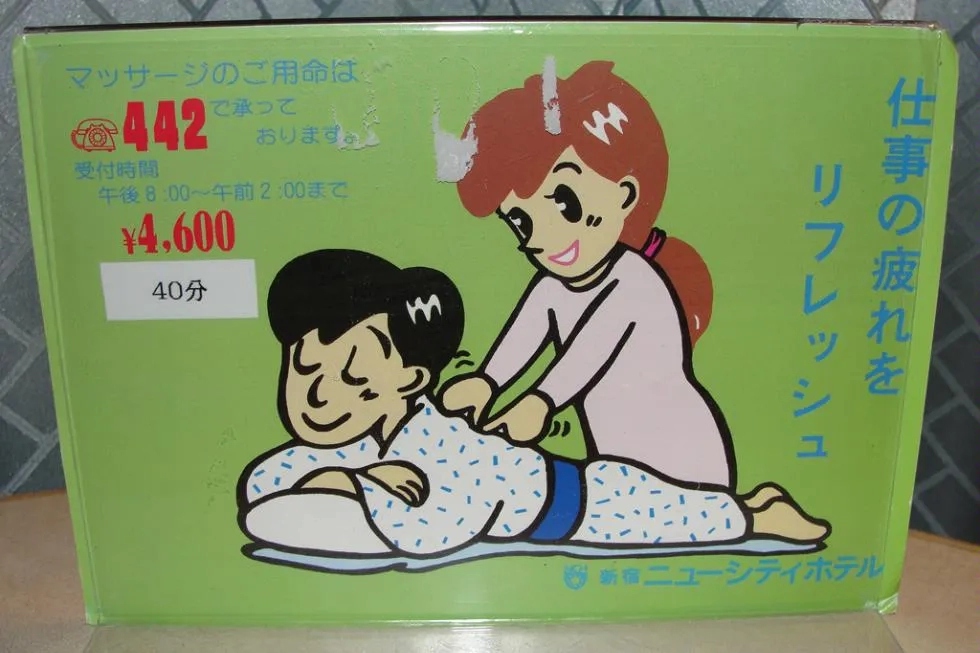 In-room massage is a common feature in both hotels and Japanese inns. Some hotels have in-room flyers announcing hours and cost; others have a special Massage button on their in-room phone. In any case, these therapeutic massages are completely above board, so don't be surprised if your masseuse is a middle-aged grandmother who doesn't speak English. Point to your neck and shoulders, however, and she'll understand what you need.
Photo caption: A sign for an in-room massage at a hotel in Tokyo, Japan.
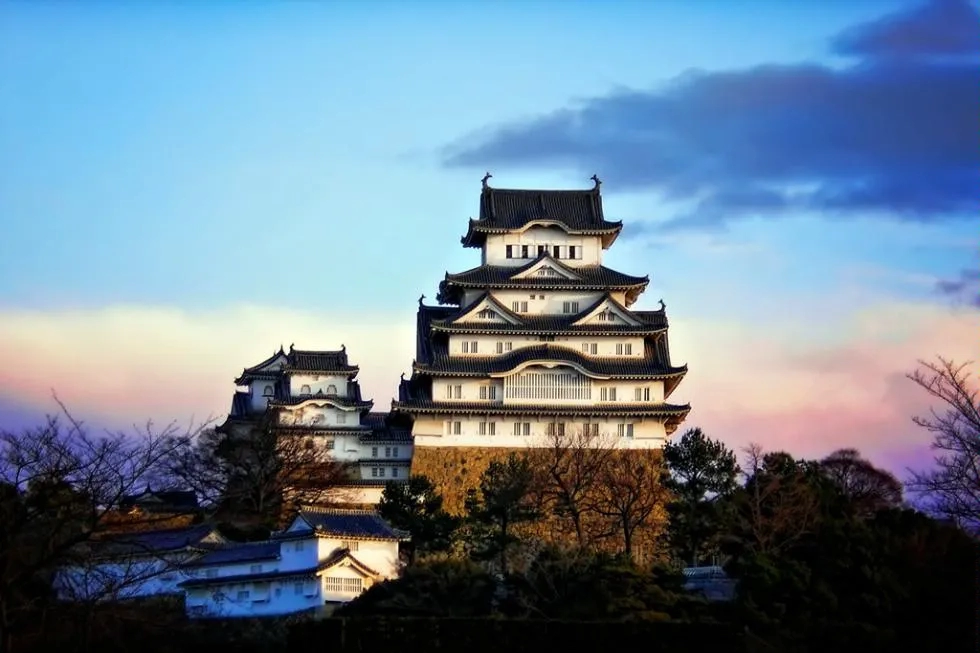 Japan's 18 properties on UNESCO's World Heritage List were chosen for their cultural or natural assets. Himeji Castle and Nara's Buddhist structures in Horyu-ji were the first to make the list, in 1993. Other sites include the rural village of Shirakawa-go with its thatched farmhouses, more than a dozen shrines, temples and castles in Kyoto, Nikko's shrines and temples, the Iwami Ginzan Silver Mine, Shiretoko Peninsula in Hokkaido, and sites and castle ruins related to the ancient Ryukyu Kingdom in Okinawa. Just months after the Great Japan East Earthquake, Japanese were heartened when sites relating to a 12th-century utopia, the Buddhist Pure Land in Hiraizumi, joined the list.
Photo caption: Sunrise at Himeji Castle, Japan.
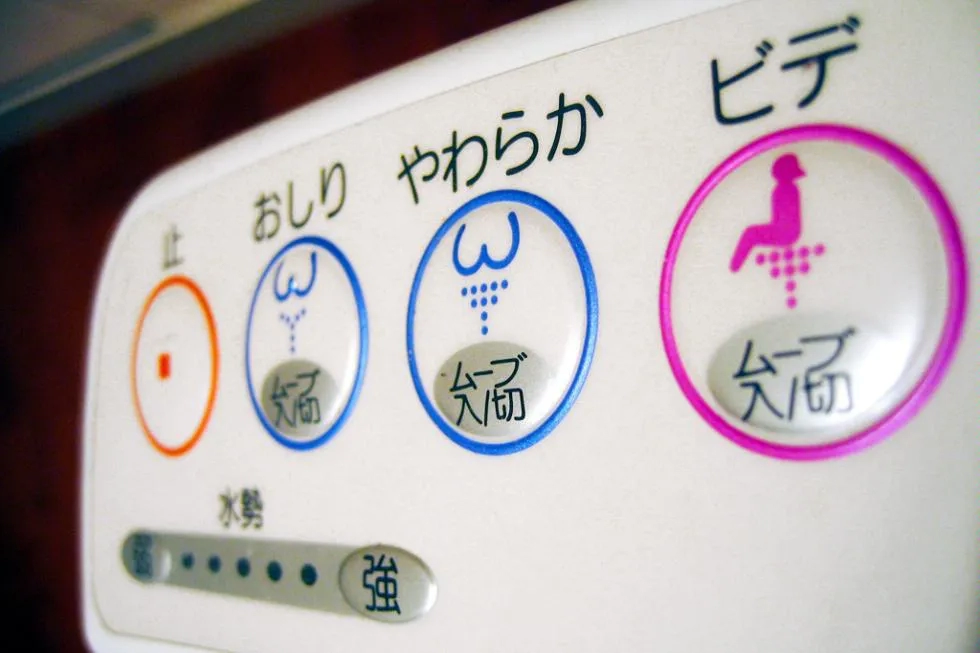 Japan's traditional toilet is a hole in ground, which you can still find across the country. At the other extreme are high-tech wonders that seem right out of a science fiction film. Referred to as washlets or bidet toilets, these lavatories can offer a dazzling host of functions, including lids that lift and close automatically, heated seats, jet sprays that concentrate on certain areas of the anatomy, blow dryers, deodorizing features, and even the sound of flushing water to provide privacy. Washlets made their debut in Japan in 1980 and are now in more than 50% of the nation's homes, but they were first produced in 1964 -- in the United States.
Photo caption: The controls for a Japanese washlet or toilet in Tokyo, Japan.
Most visitors find Japan to be a country of startling contrasts, at one and the same time dizzyingly contemporary and proudly traditional. Here are just a few of the surprises you'll encounter if you make it to this fascinating island nation.
Photo caption: Cherry blossoms at Himeji Castle in Japan.
Photo caption: Japan Rail Passes are one of the best deals for travel in Japan.
Photo caption: A sign for an in-room massage at a hotel in Tokyo, Japan.
Photo caption: Sunrise at Himeji Castle, Japan.
Photo caption: The controls for a Japanese washlet or toilet in Tokyo, Japan.