Emilia Romagna, the birthplace of tortellini, balsamic vinegar, and Parmigiano Reggiano is widely considered the best region of Italy when it comes to cuisine. Bordered by the Po river, the Apennine mountains and the Adriatic, it's not overrun with tourists and the standard of living is high. There are museums dedicated to cuisine, and with a little planning, you can see cheese, salumi, and pasta all being made as they have been for generations. Best of all, you can enjoy some very special dishes and a taste of the
la dolce vita you'd be hard pressed to find outside of Italy.
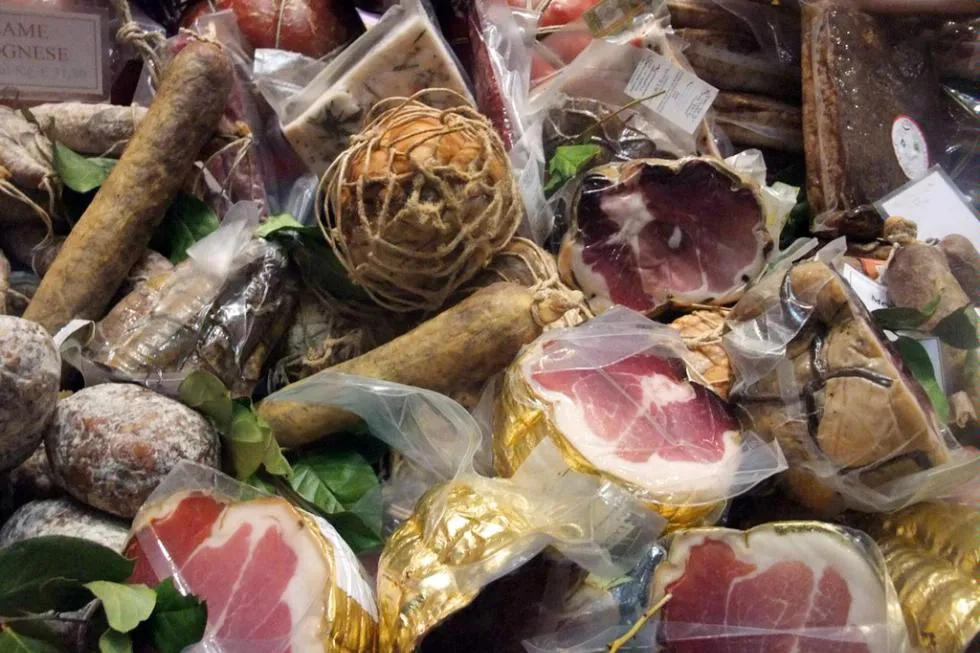
Photo: Enjoy the local specialities—here, Parma's hams and cheeses.Amy Sherman
Culatello di Zibello
In the Po Valley near Parma, the thick fog creates the perfect conditions for the aging and curing of
Culatello di Zibello, a salumi that dates back to the 1300's -- it's considered the most prized salumi in Italy. After being massaged with wine, garlic, salt, and pepper for days, the thigh of the pig is aged with natural bacteria for up to three years in cellars resulting in a cured meat so sweet and meltingly tender that it makes prosciutto seem like a poor cousin. Culatello di Zibello is not currently imported to the US, so enjoy it at local restaurants as an appetizer or find your way to
Antico Corte Pallavicina and see the cellars where it's aged to perfection.
Photo caption: Culatello de Zibello is one of the most prized salumi in Italy.surtr
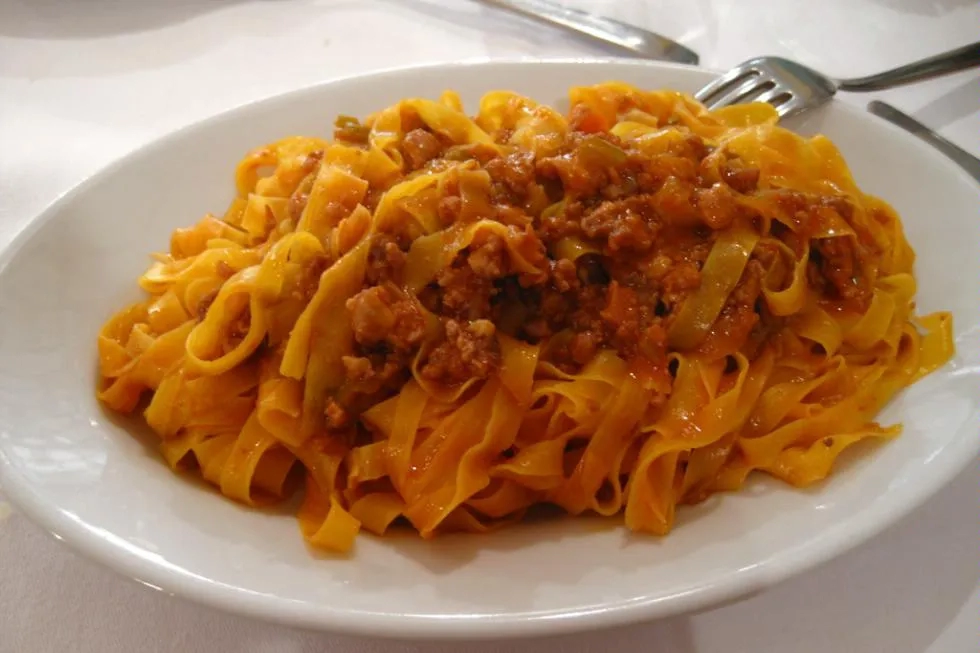
Tagliatelle al ragu
What we know as "Bolognese" is
ragu, a meat sauce served with homemade and very thin
tagliatelle (never spaghetti) in Bologna. The pasta is made by hand with eggs boasting dark orange yolks that yield delicate yet
al dente noodles. The proper width of the noodles is said to be 8 millimeters exactly. Ragu comes from the French word
ragout and the recipe dates back to the late 18th century. Taken very seriously, in 1982 an official recipe was documented by the Accademia Italiana della Cucina, an organization dedicated to preserving the culinary heritage of Italy. But the combination of the rich sauce and slippery noodles is pure magic. So is the Bolognese version of lasagna. You won't find better tagliatelle al ragu or lasagna than at the charming
Trattoria Anna Maria in Bologna.
Photo caption: Tagliatelle al ragu at Trattoria Anna Maria in Bologna, Italy.Amy Sherman
Aceto Balsamico Tradizionale di Modena
Traditional
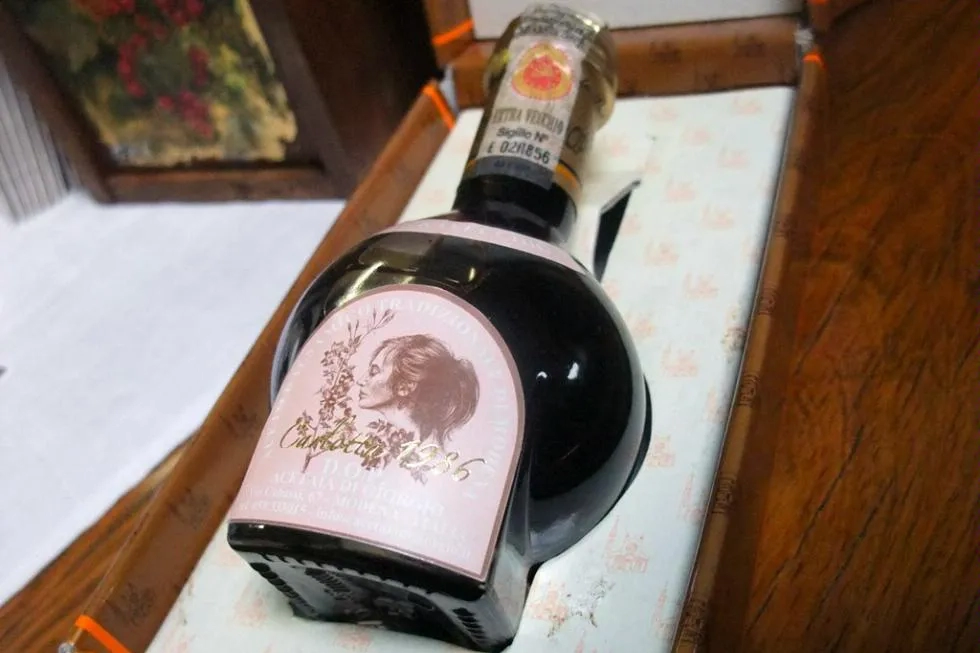
balsamic vinegar is rich, sweet, and sour; its flavor complements everything from shards of cheese to risotto, fresh strawberries, roasted meats and ice cream. It's made by transferring and aging the condensed juice from Lambrusco and Trebbiano grapes in a series of ever smaller wooden barrels each made from different wood such as cherry, chestnut, mulberry, and oak. A precious part of a dowry, it was traditionally passed down by the women of wealthy families. A true labor of love and patience, it's worth visiting an aging facility like
Acetaia di Giorgio to hear the passion of the proprietors, Giorgio and Giovanna Cati-Barbieri and smell the fabulous fragrance of the dense elixir lingering in the air.
Photo caption: Aceto Balsamico Tradizionale di Modena (traditional balsamic vinegar) from Acetaia di Giorgio in Modena, Italy.Amy Sherman
Coppia Ferrarese
The notorious yet beautiful Lucrezia Borzia is a historical figure you'll hear a lot about in Ferrara. She was deemed so important that various foods such as noodles and bread were supposedly created in her honor, modeled on her curly long locks of hair.
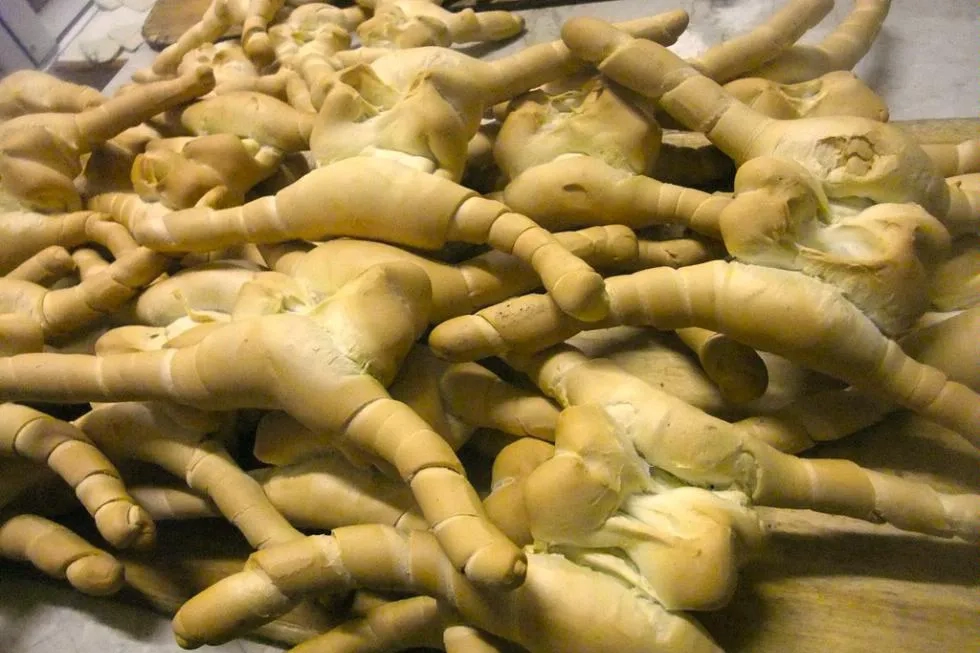
Coppia Ferrarese actually dates back to the Renaissance, and is the wackiest looking loaf of bread you may ever come across. Made from a pair of long twisted ropes of dough knotted together in the middle, it's crunchy on the outside but soft on the inside. You'll find it made fresh daily at
Panificio Pasticceria Perdonati a bakery that also sells other local specialties like pampepato, a dense gingery spice cake studded with nuts and candied citrus peel and coated in dark chocolate.
Photo caption: Coppia Ferrarese bread at Panificio Pasticceria Perdinati Otello in Ferrara, Italy.Home Food
Home cooked meals
Despite a plethora of excellent restaurants in the region, nothing really compares to
eating in at a local's home where the recipes have been handed down from one Italian mama to the next and made with love. Thanks to
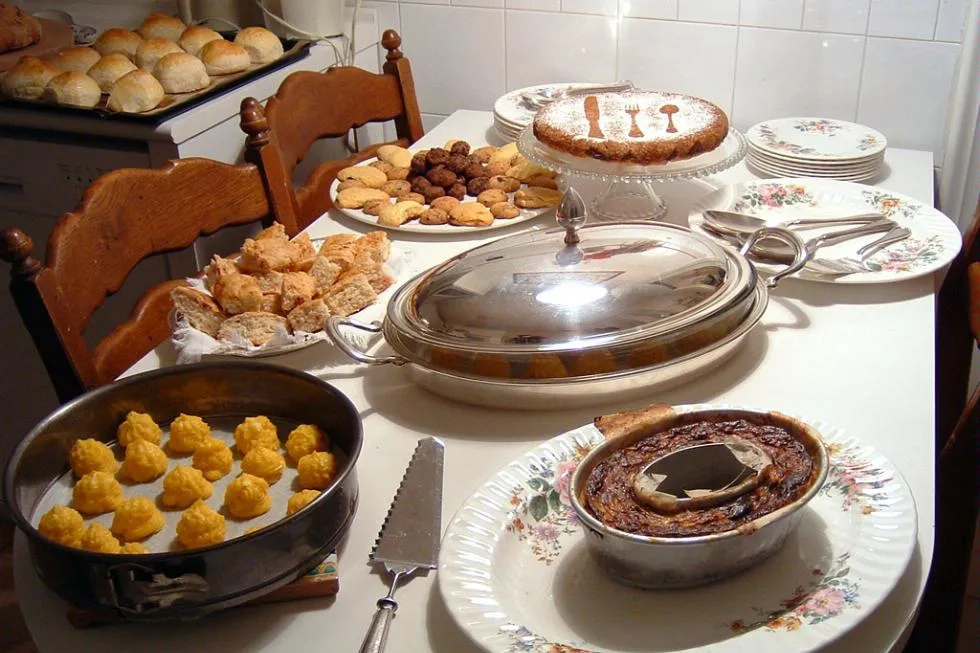
Home Food, started by a University professor, you can dine in a private residence and experience hospitality on a whole other level. See the way real Italians eat, and eat what they eat, dishes you'll never find on a restaurant menu like marinated and slow cooked Rabbit della Balia and Zucchini Terrine served with Stuffed Savoy Cabbage Leaves. The meals all include a take home menu with personal stories. The organization also provides home cooking classes where you can learn to make stuffed pasta, lasagna, breads, or entrees in Bologna.
Photo caption: A home cooked feast arranged by Home Food in Bologna, Italy.Fosse Brandinelli
Formaggio di Fossa
A most unusual cheese,
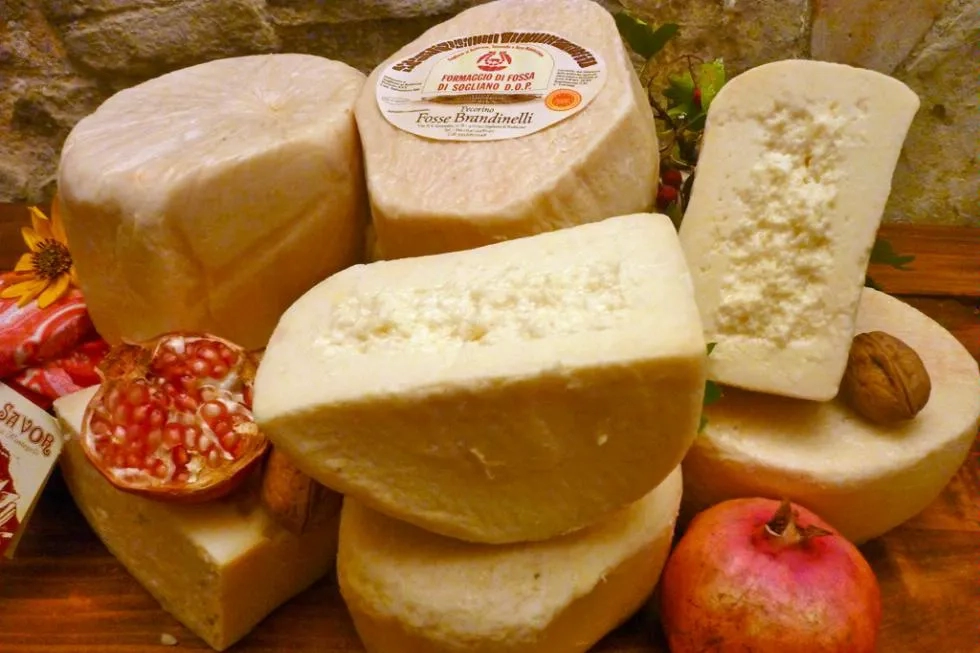
Formaggio di Fossa is made from cow's or sheep's milk. After being aged for two months, it's stored in a pit from August until the end of November where it under goes anaerobic fermentation. The cheeses are stacked, and their relative position in the pit influences their flavor. No one is completely sure why cheeses were originally stored in pits, but it was possibly to hide it from invaders -- or tax collectors. While each cheese has a slightly different flavor, it's rich and earthy with a spicy finish that is particularly good on pasta or with truffles. In the town of Sogliano al Rubicone you'll find lots of "fosse" or pits. One to visit is
Fosse Brandinelli where proprietor Marino will lead you through a tasting after showing you the ancient pits.
Photo caption: Formaggio di Fossa from Fosse Brandinelli in Sogliano al Rubicone, Italy.Amy Sherman
Fattoria Il Monte
While Emilia Romagna is known for its historic cities, the countyside is stunning. Rolling hills and mountains inland lead to miles of coast along the Adriatic. Near Roncofreddo is
Fattoria Il Monte, an all-organic farm and
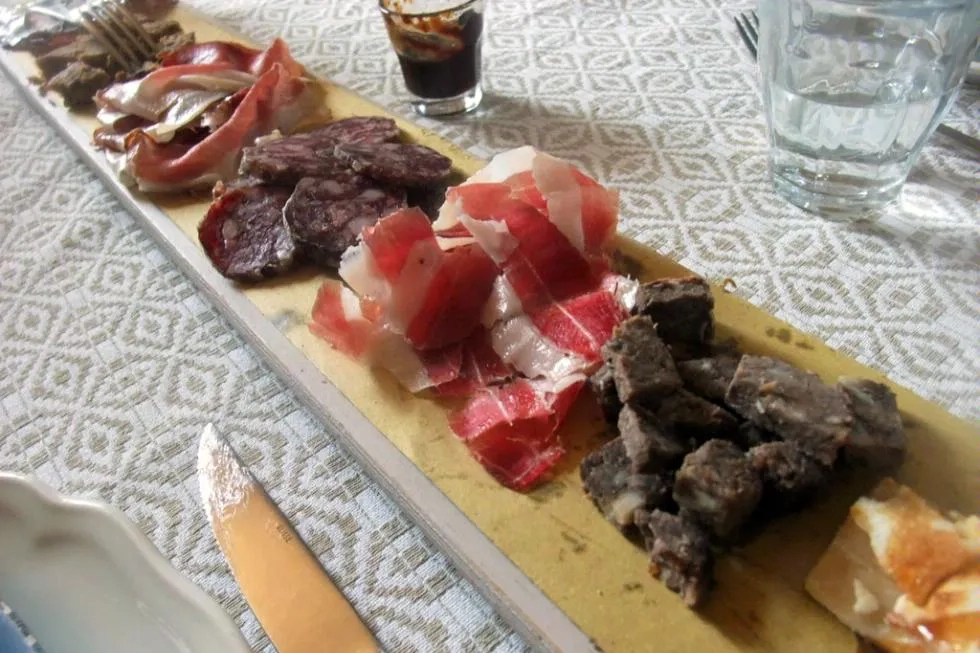
agriturismo where you can rent a room or suite -- or just stay for lunch. Il Monte is positively bucolic with vegetable gardens, a vineyard, goats, chickens, pigs, a piglet and a couple of adorable cats. But the true talent is in the kitchen where Donatella, a former graphic designer, not only creates amazing food from scratch using all ingredients from the property -- everything from the salumi to the pasta to vegetables and fruit and wine -- but also presents everything with the eye of a true artist.
Photo caption: A selection of cured meats at Fattoria Il Monte near Roncofreddo, Italy.Amy Sherman
Piadina
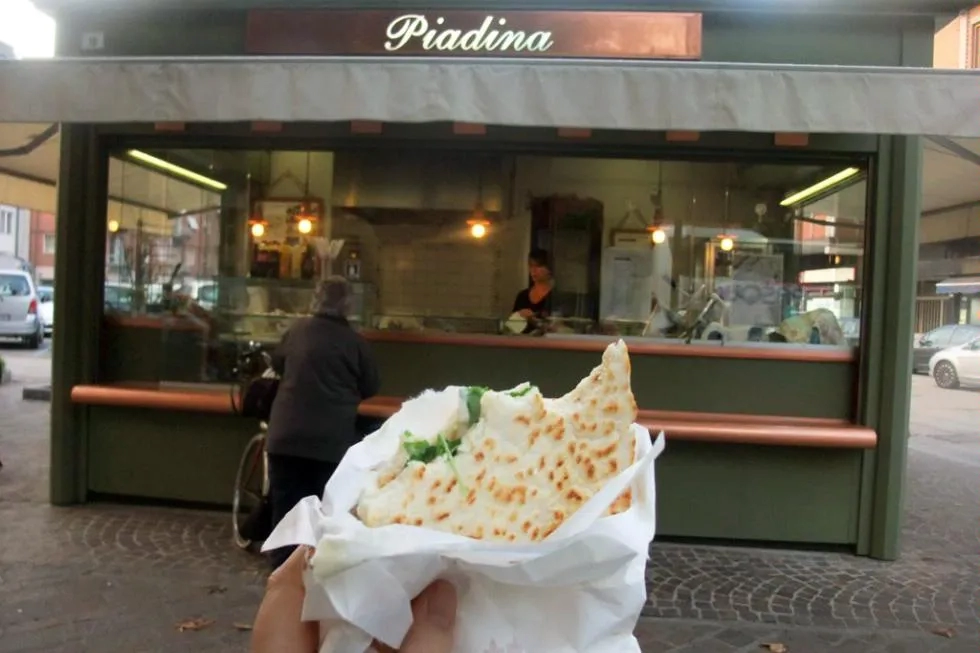
Piadina is a classic street food found all over the region but originated in Romagna. A flat bread traditionally made in a ceramic pan, it's now mostly cooked on flat top griddles and stuffed with local cheese like the gooey
squacherone and arugula or prosciutto. It varies from town to town, some places it's thicker, in other places it's thinner, while some make it with lard rather than olive oil. One of the best versions is at
al 18 di Piazza Mameli, a kiosk near the train station in historic Ravenna, famed for its mosiacs. You'll pay around $3 depending upon the fillings, for a hearty snack or light lunch.
Photo caption: Piadina in Piazza Mameli in Ravenna, Italy.Amy Sherman
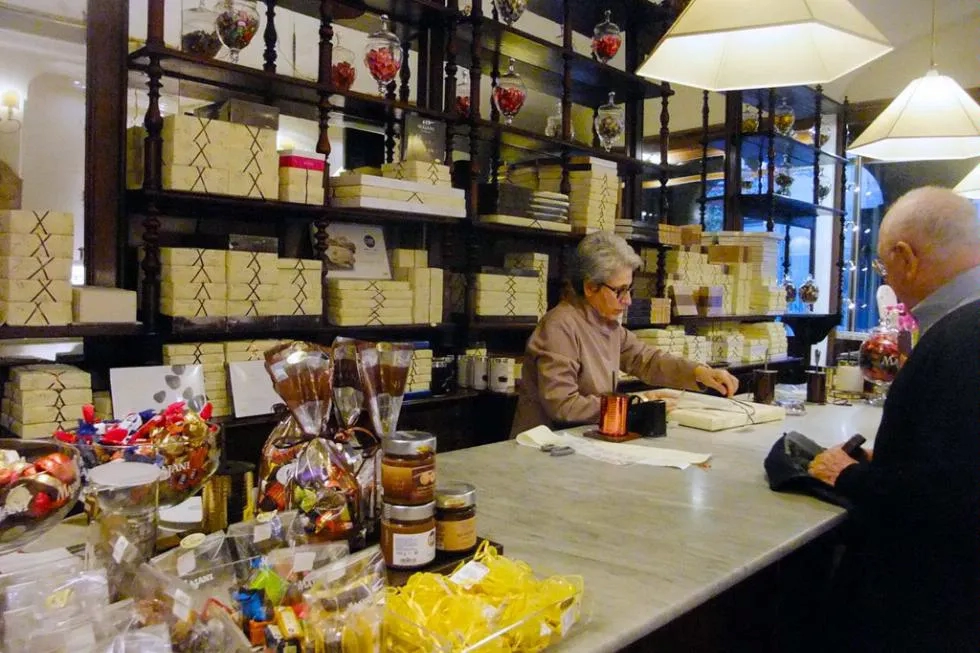
Majani