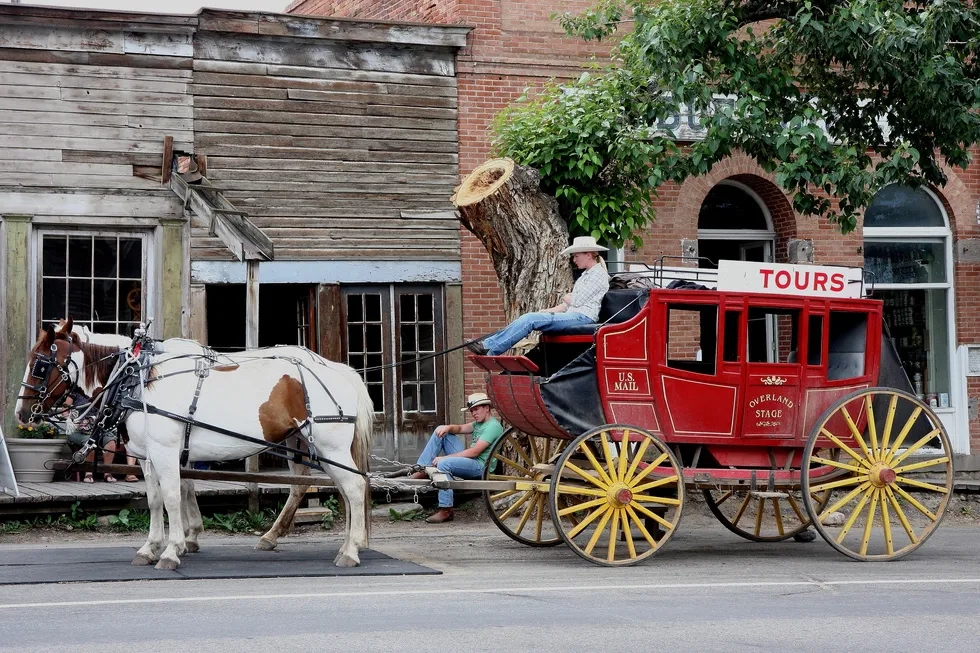

Peggy2012CREATIVELENZ/Flickr
This is the region that marries the ruggedness of Rocky Mountains with the rich history of American frontier. Famous as a heaven for outdoor adventures, the two sparsely-populated states also offer glimpse of life in the Wild West era. Amidst the burgeoning modern development, Montana and Wyoming still possess vestiges of a period that shaped the nation’s culture. It is the genuine American West, unlike the one you see on movies or television.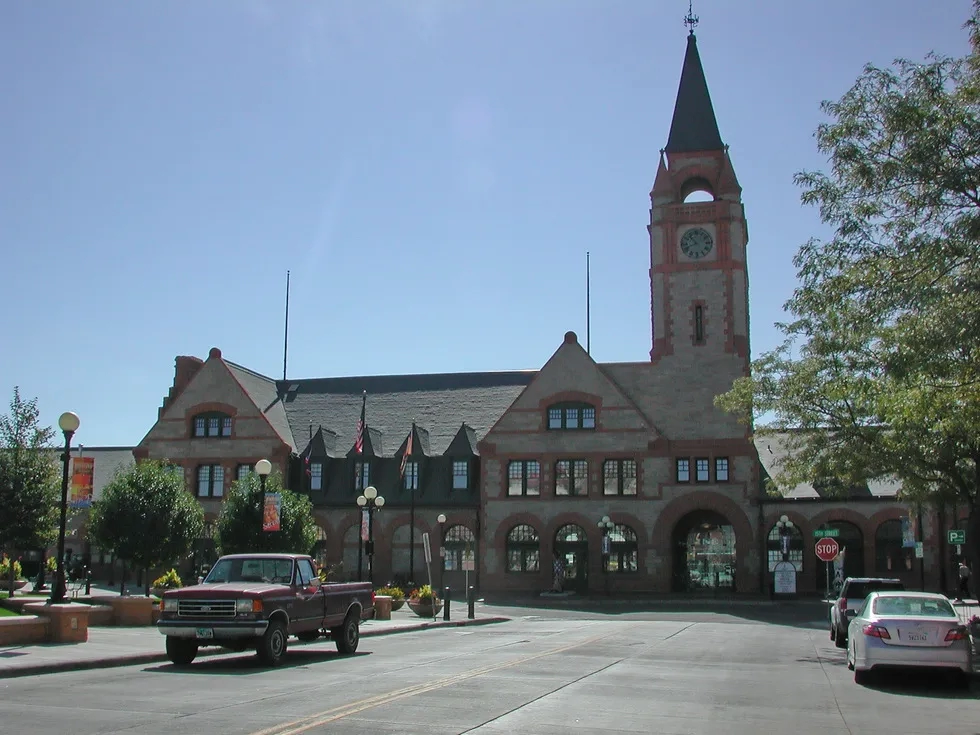 Begin your day downtown at the beautifully restored Union Pacific Depot and the Cheyenne Depot Museum for a look at how the railroad shaped the history of this part of the West. Pick up their brochure Tracking Trains in Cheyenne, and dig a little deeper into this fascinating chapter. Another interesting (and intertwined) tale is told at the Cheyenne Frontier Days Old West Museum.
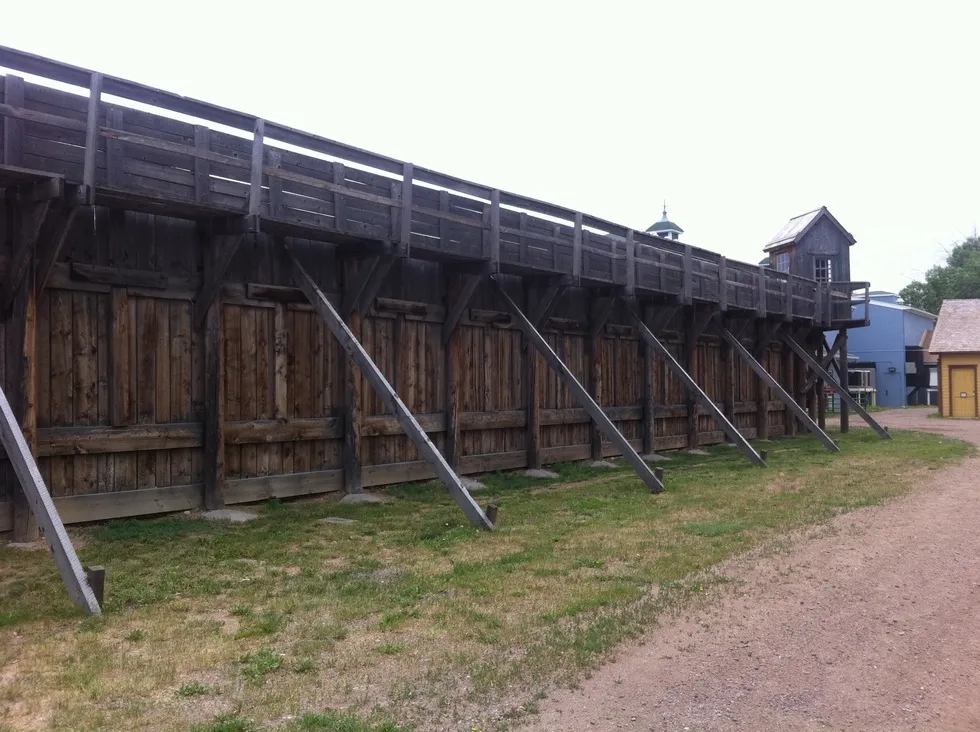 Formerly a penitentiary where Butch Cassidy served time, the Territorial Prison transmogrified into an experimental livestock station before becoming the historical park it is today. Beyond the prison, almost everything having to do with frontier life before the start of the 20th century can be found on the site’s 200 acres, from a funky frontier town (open weekends only) to homesteader’s cabins and farm animals.
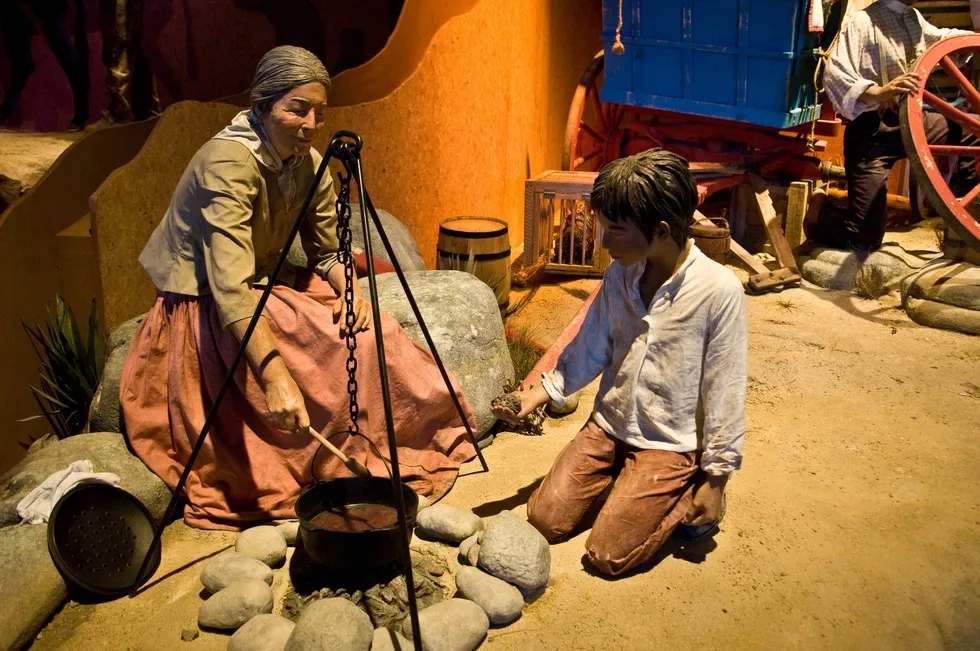 This excellent facility opened in Casper in 2002, using state-of-the-art exhibits to give modern travelers an idea of what life on the “road” was like to the emigrants who passed through here in the mid-1800s on the Oregon, Mormon, California, and Pony Express trails. A number of engaging multimedia exhibits cover the pioneer story, from the packing of the wagons to the ferrying of the rivers—the latter is demonstrated by a faux wagon that visitors ride across the Platte River, simulated with motors and a movie. The final “exhibit” is the trails themselves, leaving from this spot and marked by BLM markers, for those that want to see a landscape that’s changed little in the past 200 years.
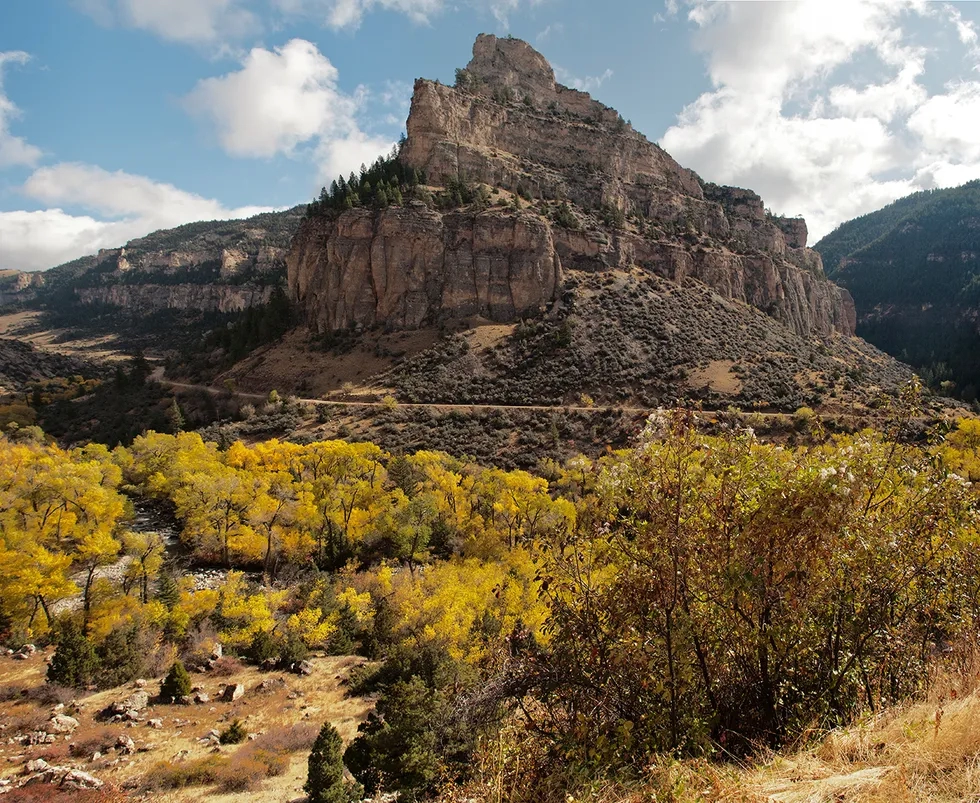 Ron Spahn of Spahn’s Big Horn Mountain Bed and Breakfast offers daylong tours of the area, with a focus on the off-the-beaten-path sites that are representative of the “real West,” looking at Indian history and modern social problems, mining and environmental issues, outlaw hideouts, wildlife, and the wild horses of the Pryor Mountains. Ron drives customers in a four-wheel-drive vehicle and offers a field lunch and an engaging, educated perspective.
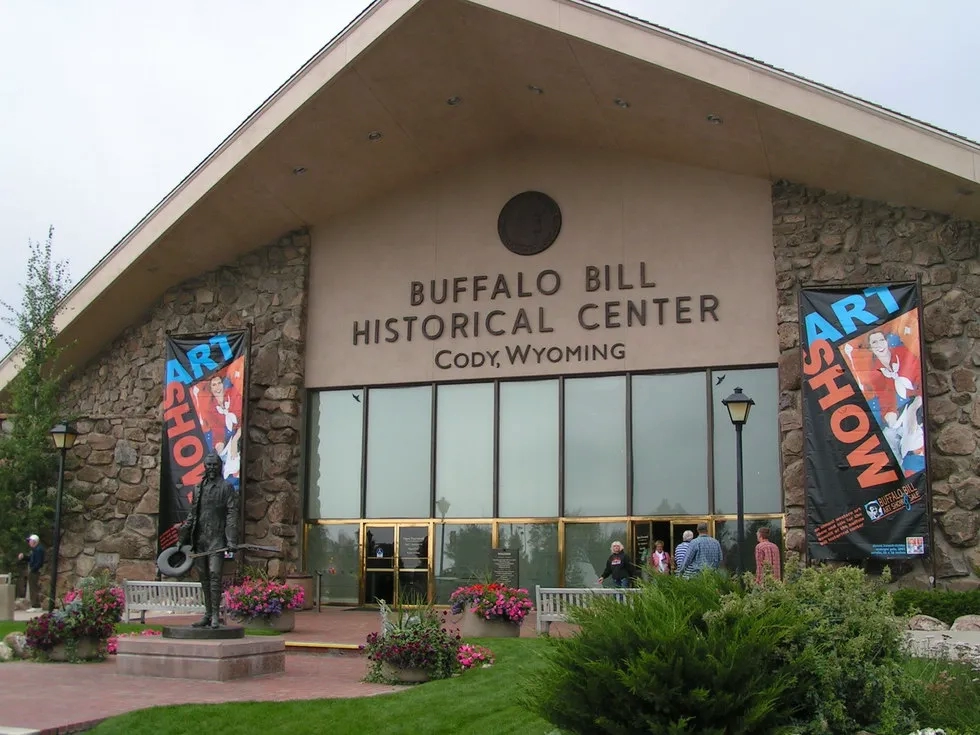 Nicknamed the “Smithsonian of the West,” this vast museum is top-drawer, casting a scholarly eye on the relics of the West’s young history while offering some flash and entertainment for the easily distracted. From its beginnings in a rustic log building, it’s grown into a thoroughly impressive modern edifice that now houses five different museums in all.
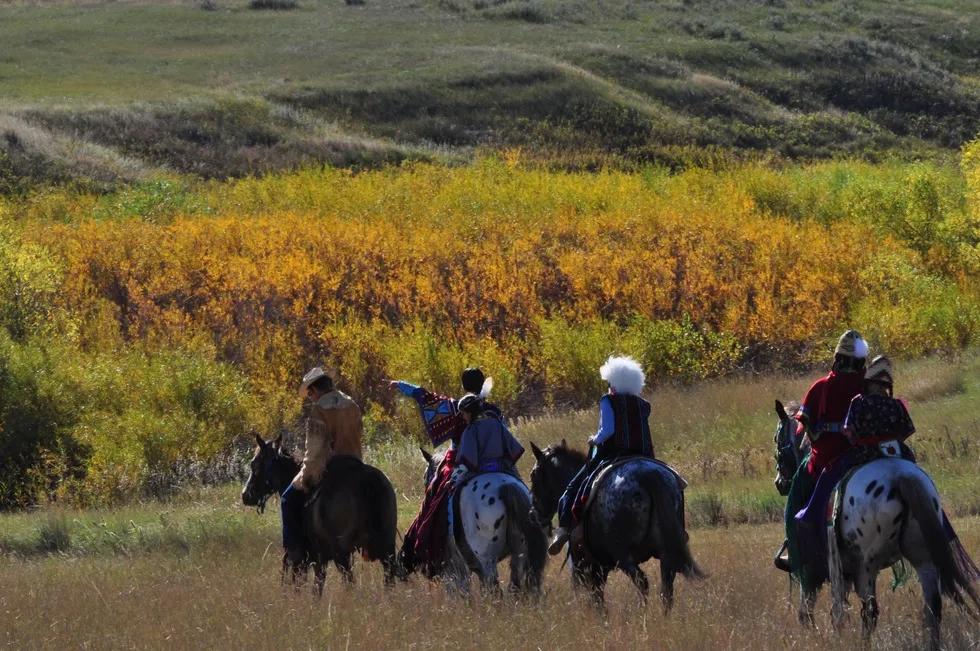 One of the most remarkable events of the Indian Wars culminated at the Bear Paw Battlefield. In 1877, in what is now northeast Oregon, the Army tried to force a band of Nez Perce Indians under the leadership of Chief Joseph onto a reservation far from their native lands. The Nez Perce decided to escape, trying to reach Canada where they hoped to join Sitting Bull’s Lakota, who had already found homes there. The U.S. Army under Gen. Oliver O. Howard pursued the tribe as it fled. They fought several battles along the way, but Col. Nelson A. Miles finally caught Joseph and his band in a snowstorm at Bear Paw.