

Sion Fullana. His work can be viewed at http://www.sionfullana.com
Remember the days when you had to lug around a DSLR camera during vacation so you could get that perfect shot of the Eiffel Tower or Golden Gate Bridge? Or maybe you had to grab a point-and-shoot camera so that there would be something to capture that concert? Those days are quickly disappearing thanks to cell-phone cameras -- they weigh less than traditional cameras ever did, and with just one click, they can now freeze precious moments easier than ever. But they have their own set of technical quirks. So what are the most effective ways to make use of this new technology when traveling?
Because smartphone cameras demand smartphonephone-specific tips, we turned to two of America's most respected phone photographers, or iphoneographers: Sion Fullana and Jen Pollack Bianco. Here's their expert advice. "Number one travel tip: Always make sure you're fully charged and have a Mophie juice case. If you don't have any juice, it does you no good." — Jen
 "Have a little app budget and spend $5 a month trying out different ones you like. Why not? There are no rules. It's there for the taking." — Jen
Sion and Jennifer both recommend VSCO Cam and Snapseed.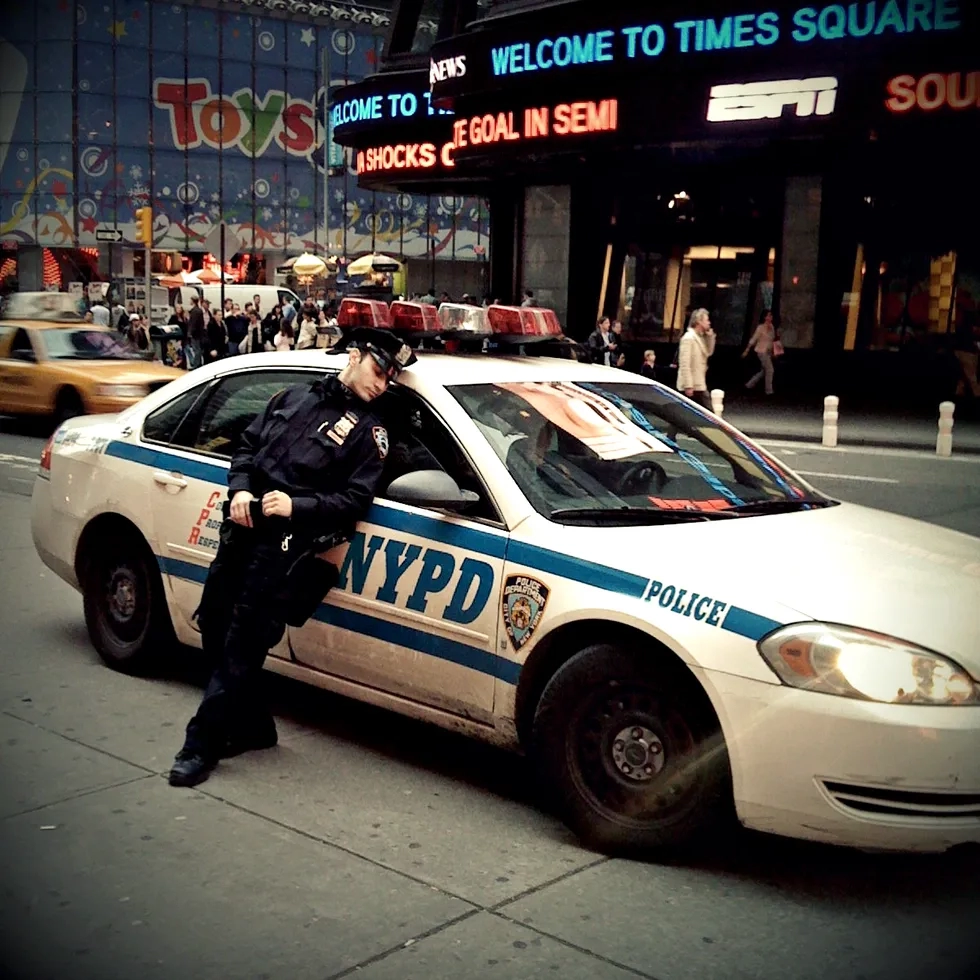 "Don't 'spray and pray' — don't pull your phone out and shoot everything, hoping you'll get a good photo. Stop for a second on a business street or a city or on top of a mountain or forest, and look at the details around you and find something that focuses your eye. Take a picture of that instead of trusting luck." — Sion Fullana
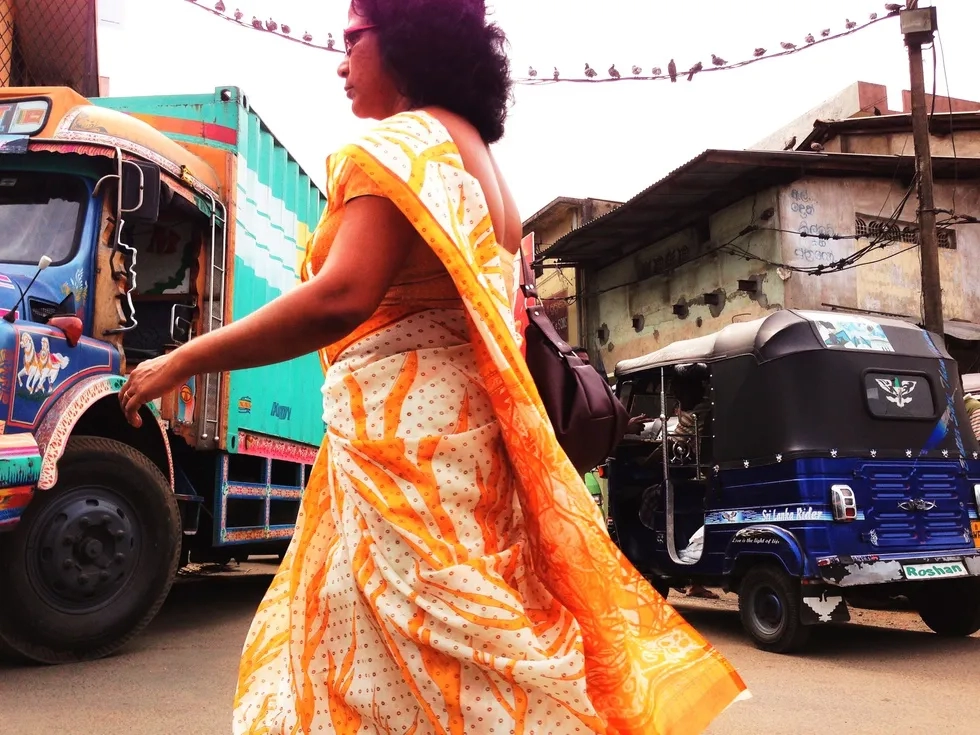 "Try to see what everyone is shooting, and shoot something different. Imagine if you went to DUMBO in Brooklyn, and everyone is photographing the Manhattan skyline across the river. You may get a more interesting shot shooting the people inside the shot." — Sion
"Get away from eye level — show us a different view. Climb down or up. Make it more dynamic. For instance, the Statue of Liberty...where you see part of the crown. Get strong visual lines or graphic — you dont need eveything in the photo and you don't need everything in the center of the frame." — Jen Pollack Bianco "For many day-to-day situations, or more intimate perceptions of the stuff around you, a cell phone camera [versus a traditional camera] is way better. With a cell phone, you'll be close and you'll be part of the experience. You've got to be at arms reach, almost." — Sion
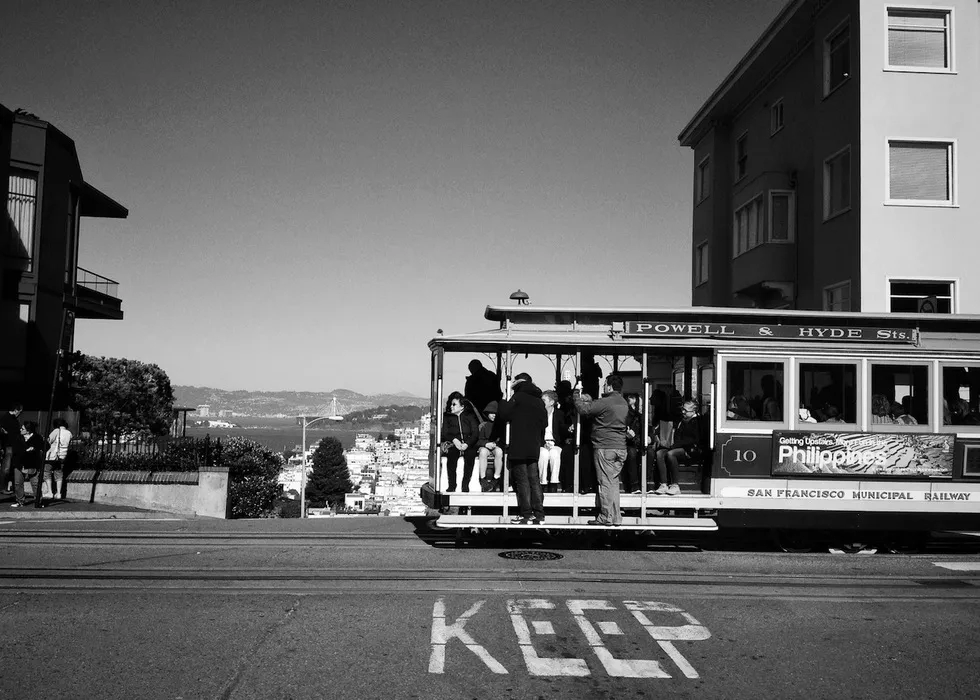 "Black and white is a lot more forgiving. If you have an image that has a lot of noise in the color, it's less forgiving. For me, the idea of telling stories is more ingrained for me in monochrome...But if you go to the Taj Mahal, maybe you're doing it a disservice in black and white for the beautiful color of the building." — Sion
"If it's too grainy or overly red, then convert to black and white." — Jen
Because smartphone cameras demand smartphonephone-specific tips, we turned to two of America's most respected phone photographers, or iphoneographers: Sion Fullana and Jen Pollack Bianco. Here's their expert advice.
Sion and Jennifer both recommend VSCO Cam and Snapseed.
"Get away from eye level — show us a different view. Climb down or up. Make it more dynamic. For instance, the Statue of Liberty...where you see part of the crown. Get strong visual lines or graphic — you dont need eveything in the photo and you don't need everything in the center of the frame." — Jen Pollack Bianco
"If it's too grainy or overly red, then convert to black and white." — Jen