
The U.S. Army Corps of Engineers
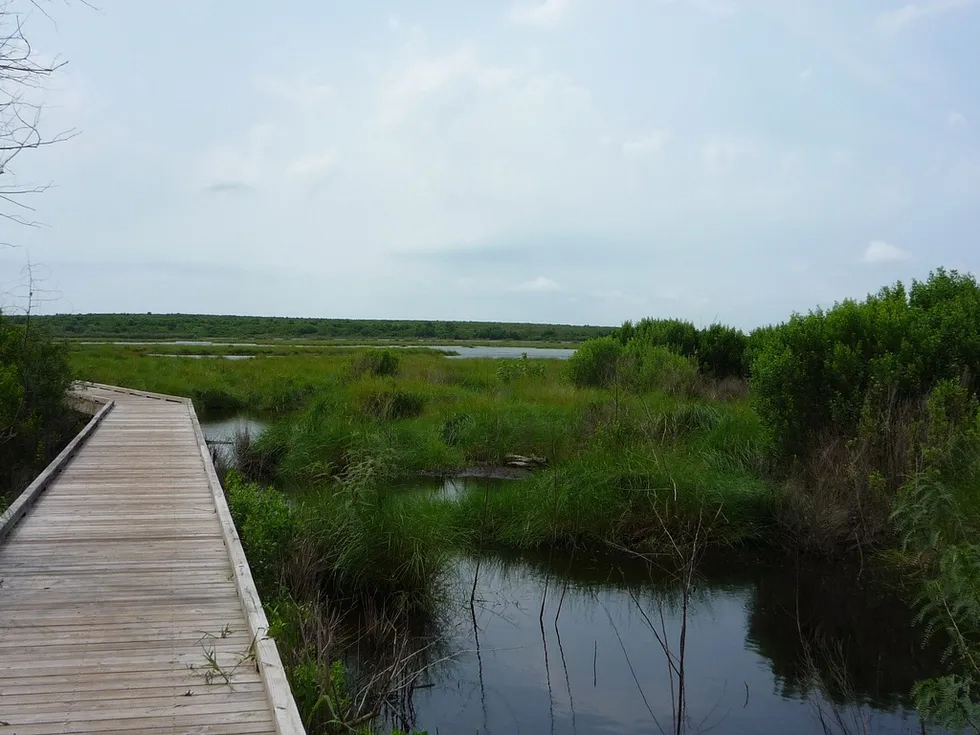
Louisiana: The word evokes images of packed jazz clubs, bead-bedecked floats, potent cocktails, and streets of partiers. But Louisiana's natural side is every bit as enthralling. Get out into the countryside, whether that means wetlands of surprising majesty, lazy rivers, serene beaches, or some of the richest ecosystems the United States has to offer. You can't really understand the true character of the state until you've entered its rural heart.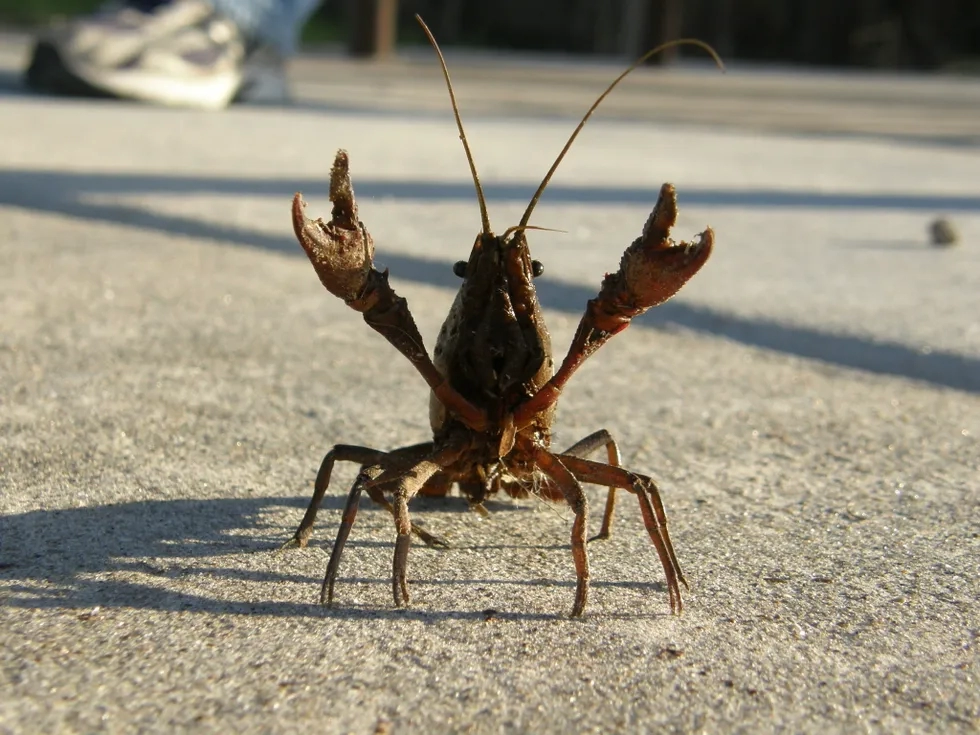 You're deep in crawfish country when you're on the Creole Trail, a scintillating history and nature route that was upgraded from a "Scenic Byway" to an "American Road" not long ago—that's the highest status the the Federal Highway Administration's America's Byways program can confer. Its tagline, which we find appropriately effusive, is "180 miles of Oohs, Aahs and Wows!". Although the trail does pass by a lot of popular urban attractions such as casinos and water parks, it's richer in vast wetland areas and marshes, including the Sabine Wildlife Refuge, places where alligator sightings are pretty much guaranteed. At certain times of the year, wildflowers blanket this area. Fully 26 miles of the trail glide by the Gulf beaches famed for their shell-seeking opportunities (pick up a "shelling guide" at the Lake Charles Convention and Visitors Bureau).
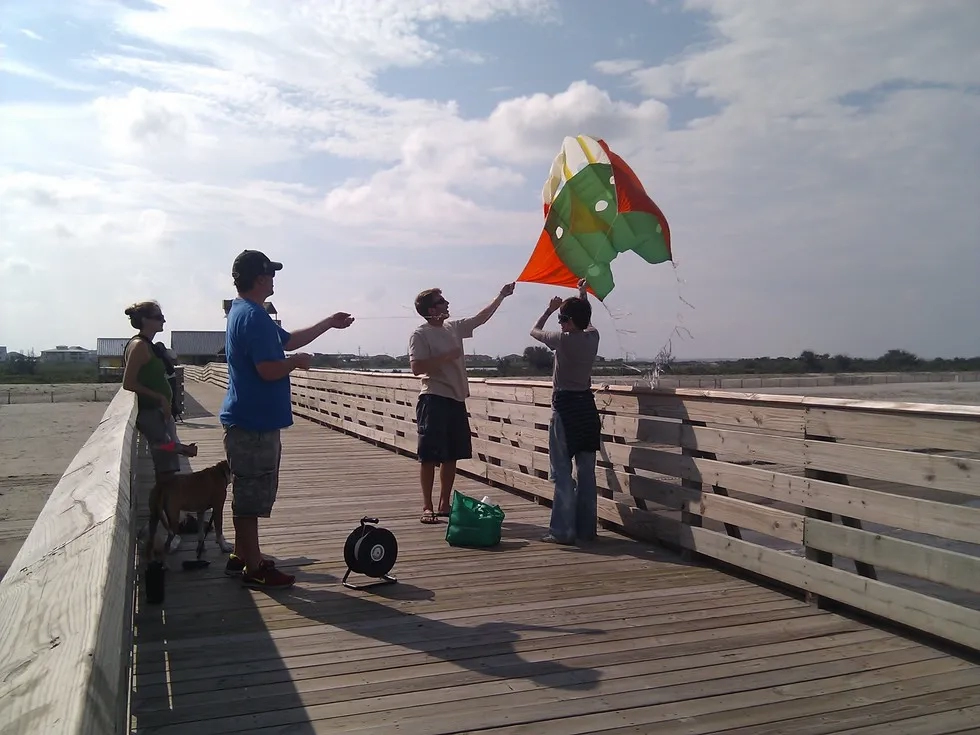 The only inhabited barrier island in Louisiana, Grand Isle is a mecca for both fisherman and migratory birds. Anglers fish during all four seasons in waters that are teeming with some 280 species. For birders, the major sightings include Groove-billed Anis, Scissor-tailed Flycatchers, and Western Kingbirds, but the even-rarer Gray Kingbird and Black-whiskered Vireo sometimes roost in the thick woods of the island—consider yourself blessed if you spot one. When visitors don't have a fishing pole or binoculars in hand, they laze away the day on miles of beaches ringing the island.
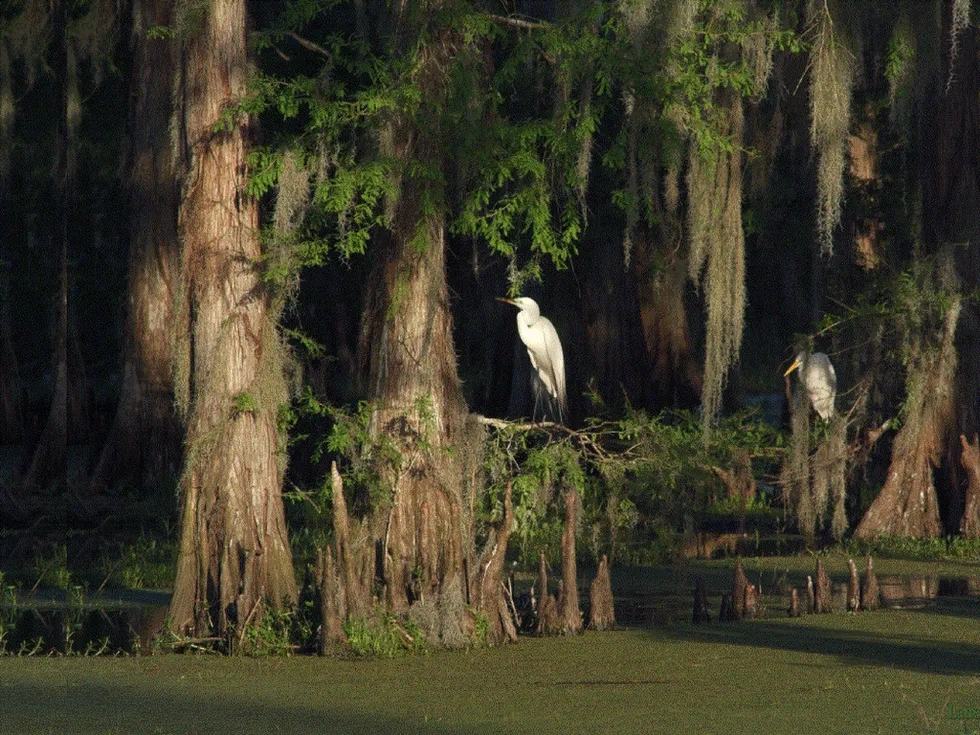 The largest wetland in the United States (1.4 million acres) is, not surprisingly, a place of awe-inspiring beauty and variety. A tapestry of interlocking eco-systems, it contains within its borders bald cypress swamps, bayous, spartina grass marshes, and the delta where the Atchafalaya River and the Gulf of Mexico merge. On its other end, the Mississippi and the Atchafalaya River meet. It's been called Louisiana's answer to the Grand Canyon, and outfitters create tours to accommodate the birders, photographers, and nature lovers who travel here to experience this unique and ever-changing habitat. The Atchafalaya Basin is in south-central Louisiana and spans 14 parishes, so there are a lot of ways to enter it. (But in case you were planning on asking for directions, its name is pronounced ah-CHAF-fah-lie-ah.)
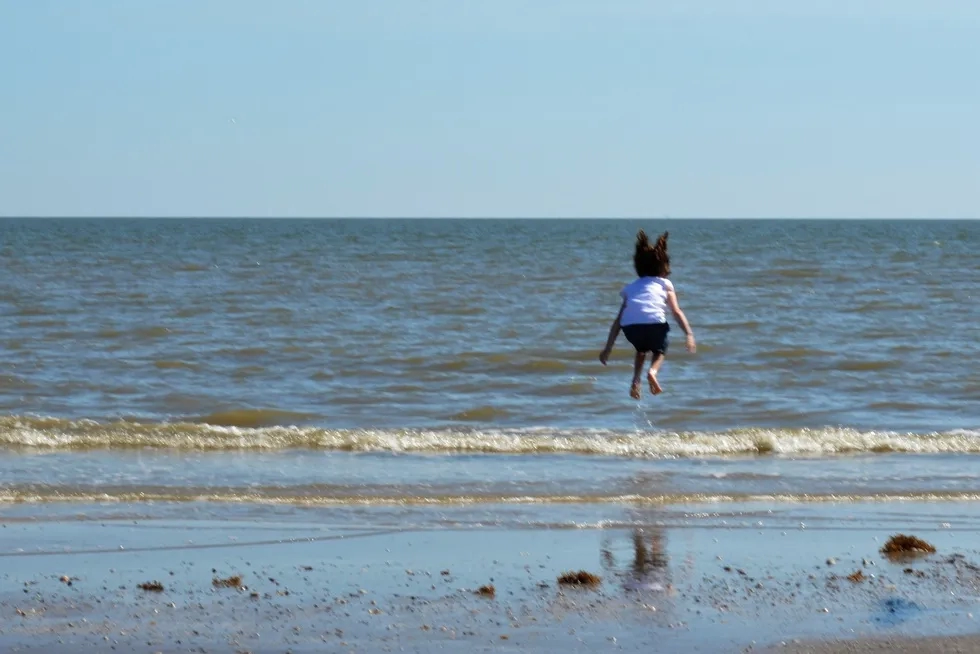 Welcome to the Cajun Riviera! So named by the locals, this stretch of sand has had the bad luck in recent years to be hit by a series of hurricanes. In response, the community wisely erected homes that they call camps because, so people joke, they're "built to be re-built." People keep coming back because the beaches remain pretty swell. Visitors enjoy crabbing, watersports, and bunking in the rentals that have been built at the beach and in the nearby town of Cameron.