

M. Edlow for Visit Philadelphia™
Getting a true feeling for all that is Philadelphia means being willing to embrace extremes. One minute you’re immersed in American history, the next you’re elbow-to-elbow in a crowd of modern-day foodies. You’ll be able to glimpse the city’s unique brand of chic at Rittenhouse Square, see building-high murals in University City, —and, of course, have your fill of that one particular sandwich which many Philadelphians think is as important as Benjamin Franklin (well, almost).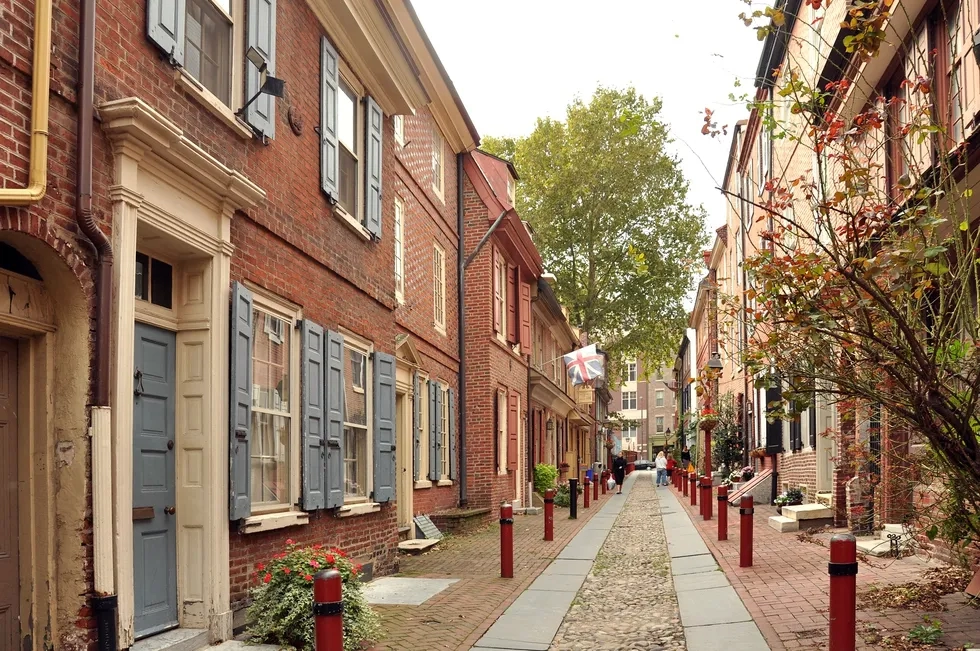
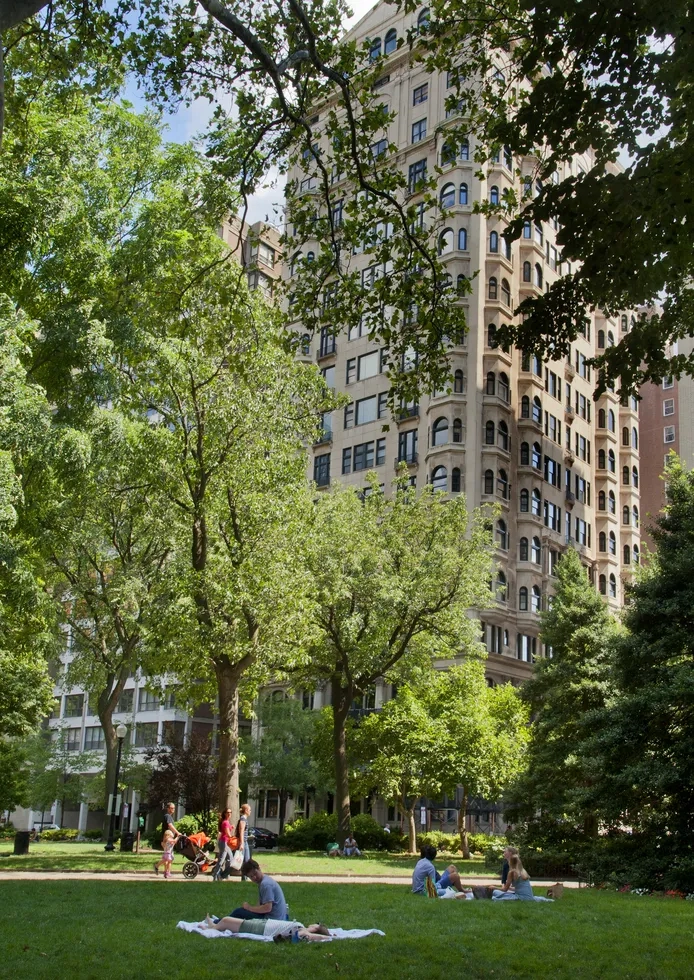 Next, you will want a breath of air in this sublime urban landscape, with its tall sycamores, diagonal paths, reflecting pool, and frolicking Philadelphians. If you plan to sit on a bench and people-watch at anyplace on this list, do it here, paying special attention to the comings and goings around the Rittenhouse Hotel, which seems to be the preferred overnight spot for movie stars in town for filming. Rittenhouse is even pretty on winter evenings, when its trees glitter with giant ornament lights.
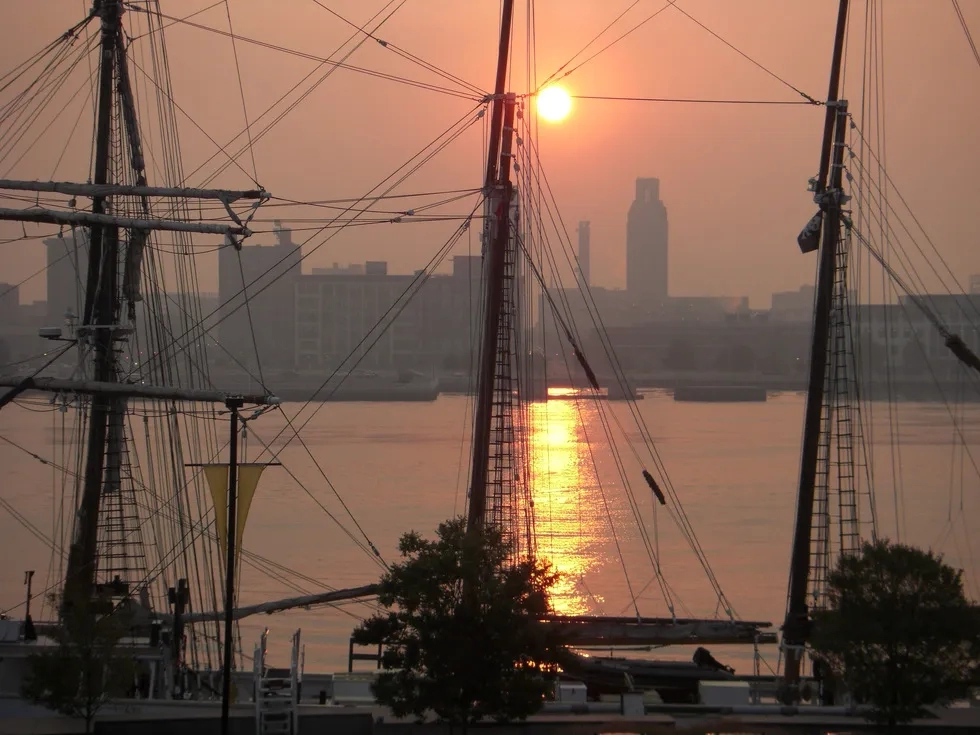 Hitting the highlights of old-time Philadelphia will take you to the impressive source of its colonial wealth. This city started out as a major freshwater port, and as recently as 1945, 155 “finger” piers jutted out into the river. Today, 14 remain. Replacing some of them are the more visitor-centric circa-1976 Great Plaza, stretching from Spring Garden Street southward and consisting of a multi-tiered, tree-lined amphitheater, space for summer festivals and concerts, and a fantastic outdoor ice skating “River Rink” in the winter. South of Market Street, there’s an esplanade with blue guardrails and charts that identify the New Jersey shoreline opposite. www.delawareriverwaterfrontcorp.com.
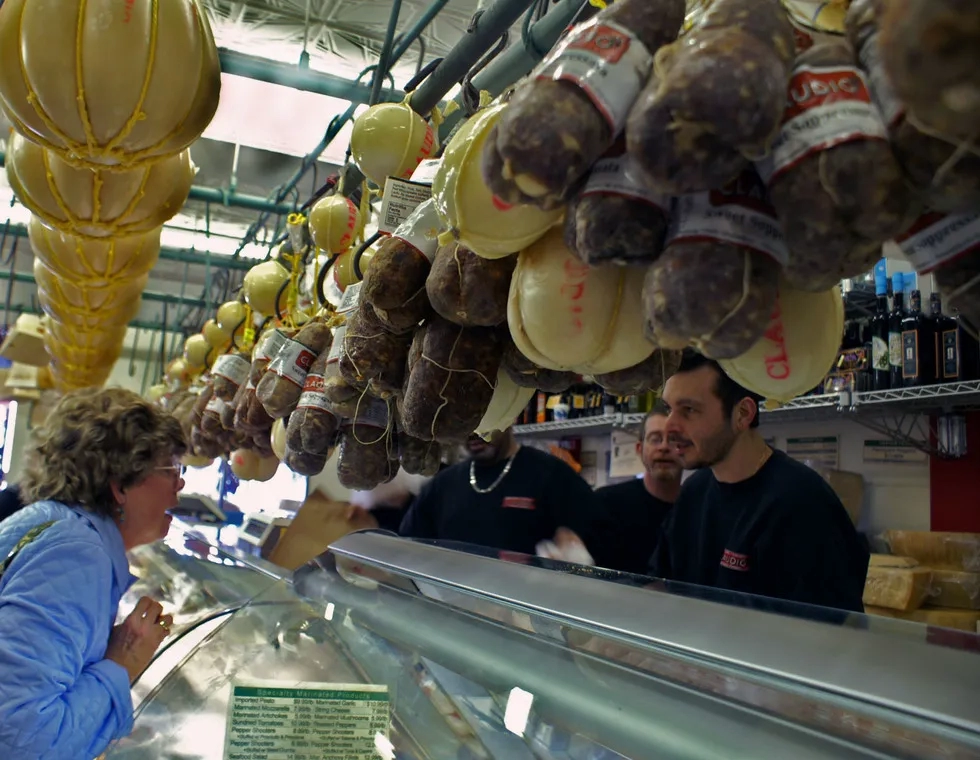 Give your trip some modern Philly flavor by following in the footsteps of Rocky Balboa, the movie boxer who pushed himself to the limits in his native city. The mix of old-school Italian vendors of meats, cheeses, pastries, and produce—along with Mexican bodegas and taquerías, and junk shops galore—in the “oldest outdoor market in America” is nothing if not vibrant. Filmed here: The scene in “Rocky” where a vendor—who had no idea a movie was being filmed—tosses Balboa an orange. How the boxer ate the fruit while jogging past flaming 55-gallon drums of trash is anyone’s guess. Our advice: Don’t run. Stroll. Shop. www.9thstreetitalianmarket.com.
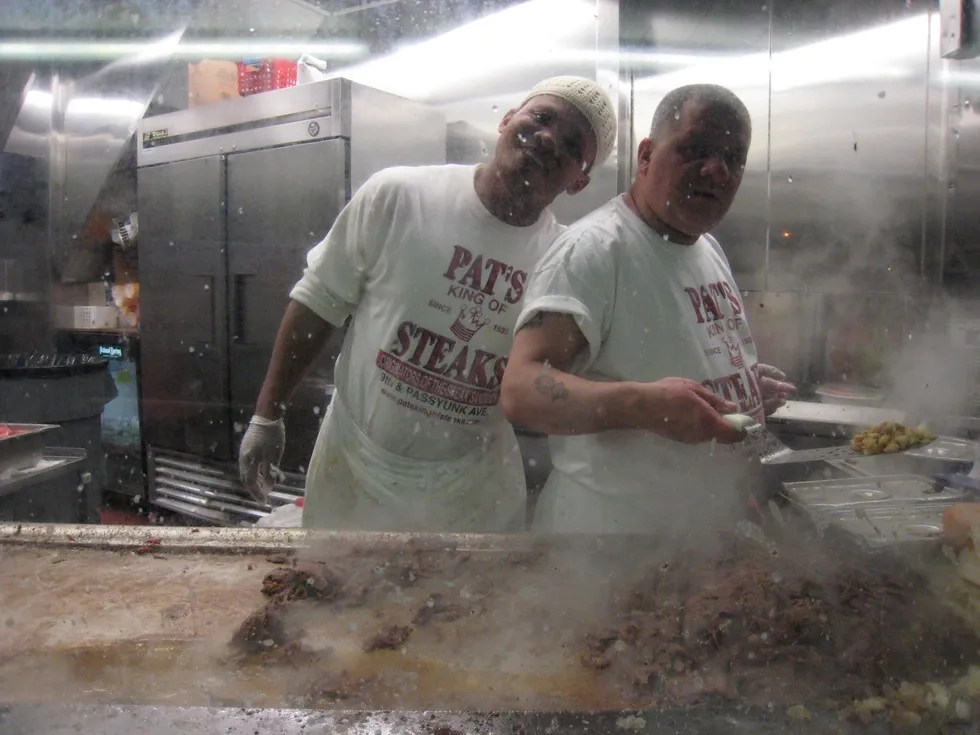 And you can't leave Philly without a taste of the famous sandwich. Head to the edge of the market, where a small neighborhood shop has become an institution. Be sure to order your bread-swaddled steak topped “wid” fried onions and “Whiz” at the place where, in 1930, a hot-dog seller invented Philly’s most famous sandwich—and 46 years later, Rocky ate one. https://www.patskingofsteaks.com/
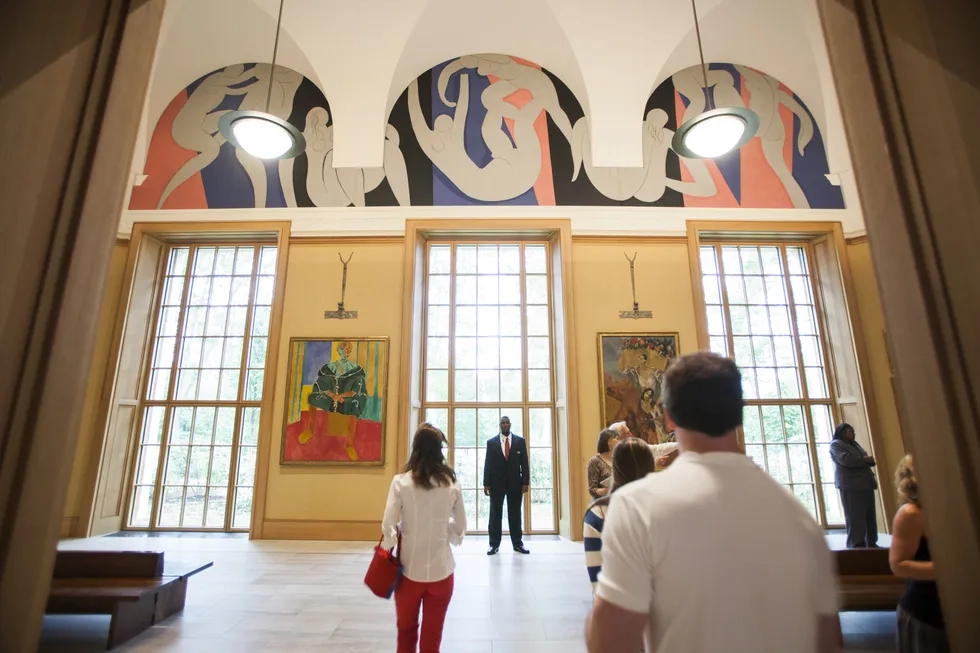 If you would like to get off the streets for some high-end art in a uniquely Philadelphian setting, try the spectacularly quirky collection of Albert Barnes. Moved here (contentiously) from its original suburban home in 2012, this world-renowned museum was the life’s work of a pharmaceutical tycoon who amassed some 8,000 largely Impressionist and Post-Impressionist works (Renoir, Cézanne, Matisse, Picassos, Van Gogh) fussily arranged by Barnes himself alongside antique everyday objects (think: iron hinges) plus African sculpture, Pennsylvania Dutch furniture, architectural oddments, and more in this museum’s hip new home on the Parkway. www.barnesfoundation.org.
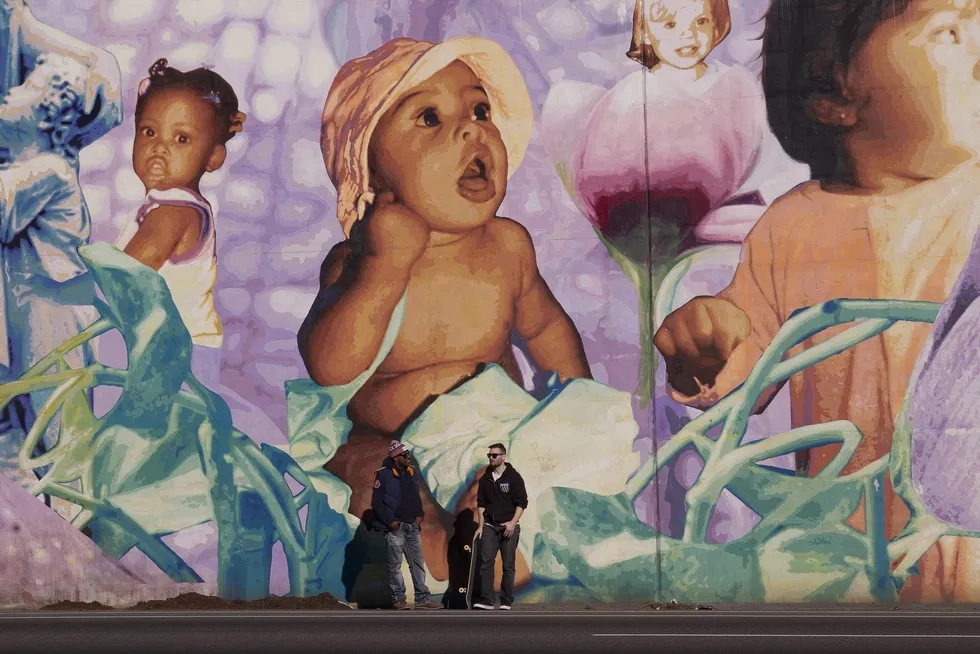 Make your way to the other extreme of Philadelphia with a look at the vibrancy and creativity showcased in areas that have seen some hard times. The city is home to more than 3,600 official murals—and untold numbers of non-sanctioned ones as well. When, in 1984, Mayor Wilson Goode hired artist Jane Golden to help purge the city of the graffiti plague, they employed a radical tactic: Rather than hounding graffiti artists and painting over their tags—which would only give them a fresh canvas—Golden enlisted them. Now they were being paid by the city to create; to give their neighborhoods and their struggles a voice; to beautify the city and proudly showcase its diversity. From job skills training to prison programs to an arts education effort serving 1,800 youths annually, Mural Arts has been a wild success. Visit the website (www.muralarts.org) for more information and to sign up for highly recommended tours (by trolley, bike, foot, car—or even participatory).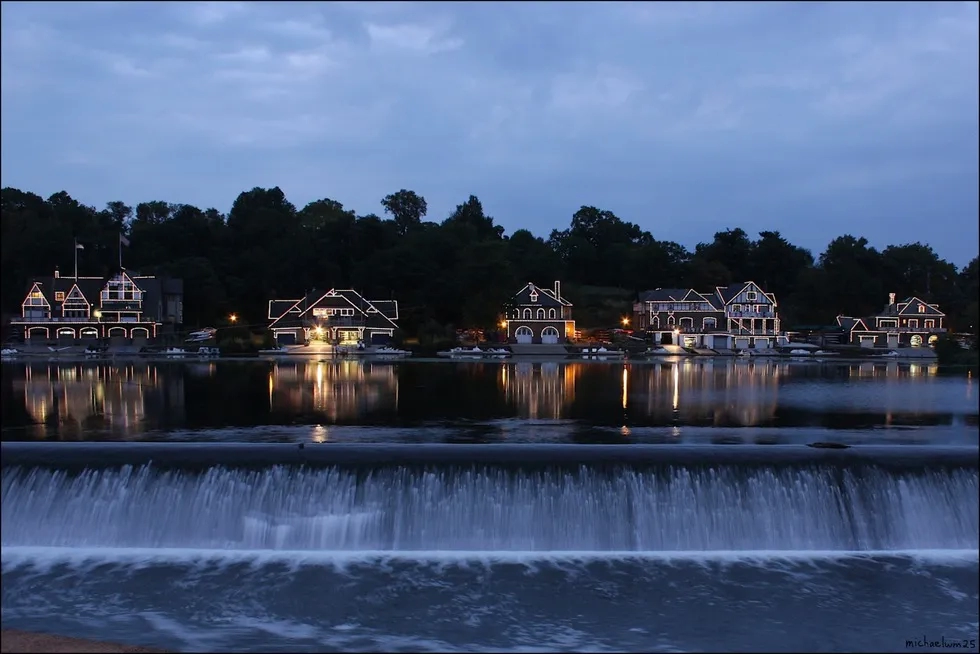
Start your visit with a touch of colonial history: head to the oldest continuously inhabited street in the States. Small, two-story row houses line the narrow cobblestone lane, the original homes of tradesmen, artisans, and urbanites of varied religions and ethnicities. These characters still make up the fabric of Philadelphia, though the city has spread some by now. Number 126, the Mantua Maker’s House (cape maker), is the alley’s museum, complete with 18th-century garden and dressmaker’s shop. www.elfrethsalley.org.