

Human write/Wikimedia
For most, any mention of the Balkans tends to call to mind the region's tumultuous past. But the political unrest that culminated in the Yugoslav wars of the 1990s has long since subsided, and today's independent republics are more than willing to cooperate with one another. While Serbs, Croats, and other local ethnic groups like to refer to themselves as "cousins in language, brothers in blood" because of their historical similarities, the peninsula's diverse culture and geography make every country worth a visit. And with more and more Balkan countries joining the EU and Schengen Zone, visiting has never been easier.
Whether you're looking for outdoor adventure or architectural wonders, southeastern Europe provides a fascinating (and cheap!) alternative to its crowded western counterpart. Here are 7 reasons to book your trip now: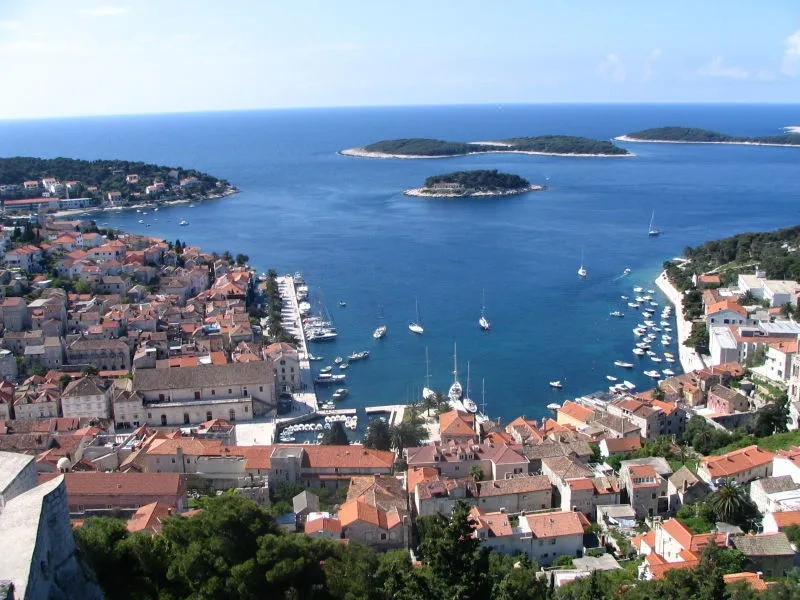 Known as the "land of a thousand islands," Croatia more than lives up to its title. Bordered on one side by turquoise waters and on the other by stunning mountains and rock formations, Croatia's coast showcases the best of the country's natural beauty, with scores of easily accessible islands along the way. For an island-hopping alternative to Greece's popular Adriatic experience, travel by bus or boat down the shoreline to encounter both happening resort towns and unexplored nooks and crannies.
Popular celebrity destination Hvar offers fashionable cocktail bars and a see-and-be-seen atmosphere, while Pag Island's Zrce beach attracts party animals with its legendary 24-hour summer clubs. If you prefer a quieter destination, the Kornati National Park comprises 147 nearly uninhabited islands with plenty of forests, caves, and reefs to explore.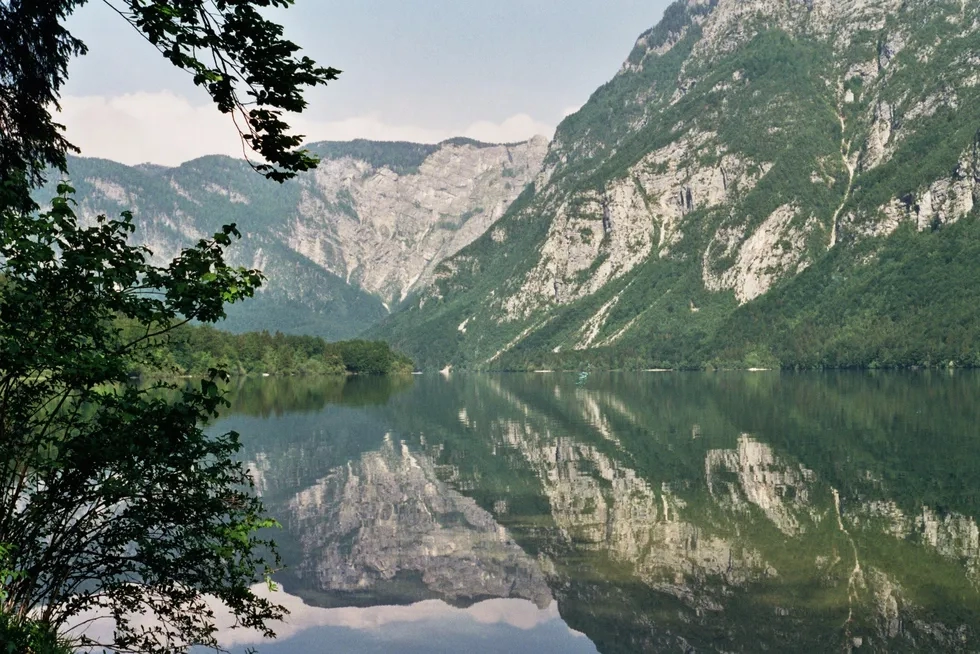 While the Swiss (and French, Italian, and Austrian) Alps are territories well trod by hikers and skiers, even the most enthusiastic outdoorsmen tend to overlook their Slovenian outskirts. A small recent EU member (not to be confused with Slovakia in nearby central Europe), Slovenia boasts a majority rural population, meaning a large part of the country is settled only by small villages, if any. Triglav National Park in the northwestern corner encompasses Slovenia's majestic, snow-capped Julian Alps. Full of hiking trails, waterfalls, gorges, and lakes, the park provides stunning mountain views for serious campers as well as those who just want a relaxing natural retreat.
First-timers should make sure to visit Bled, a picturesque lake town whose medieval castle offers unbeatable views of the surrounding mountains. Catch the bus to nearby Lake Bohinj, Bled's primeval cousin, if you want to venture further into the wilderness. There's a saying that you're only a true Slovenian if you've climbed Mount Triglav, so pack your hiking boots to gain some local cred.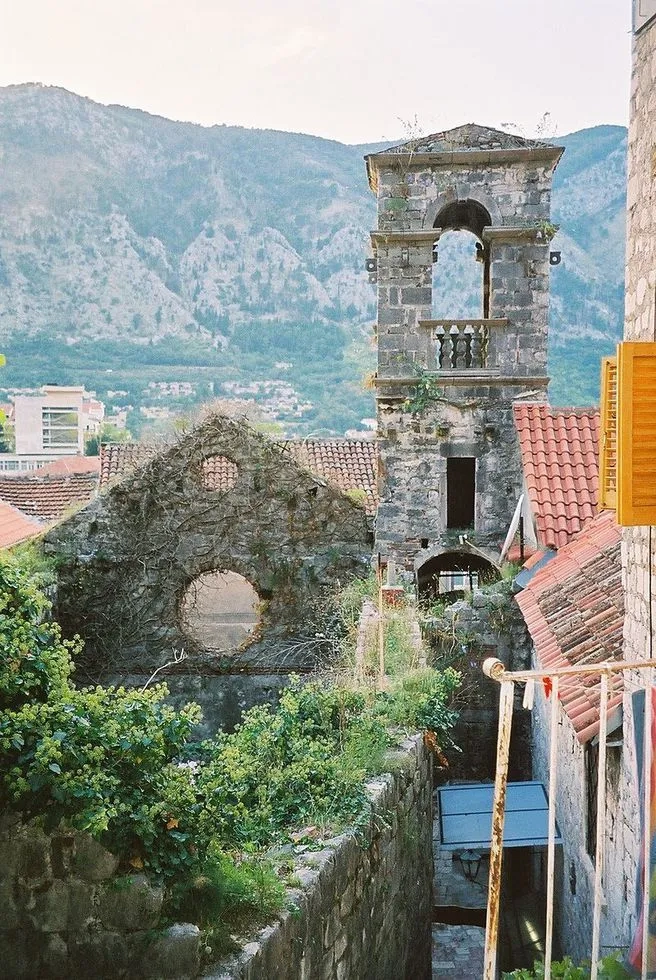 A hidden gem even when compared to the rest of the Balkans, the city of Kotor is truly the best of both worlds. While its old town, one of the best-preserved medieval settlements in the Adriatic, allows visitors a glimpse into the past, the Bay of Kotor on which the town is situated is an ideal spot for sunning and water sports. The bay, often incorrectly termed the southernmost fjord in Europe, is actually a submerged river canyon called a "ria," and Kotor is its most secluded shore. Ambitious sightseers can climb the 1350 steps up to the city walls for an active afternoon and gaze down at the UNESCO world heritage site spreading beneath.
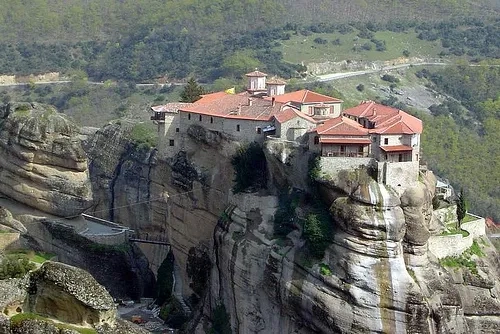 With a name whose English translation falls somewhere between "middle of the sky" and "in the heavens above," it should come as no surprise that the second most important monastery complex in Greece seems to come straight out of a fairytale. Situated on a number of sandstone rock pinnacles, Metéora's original 24 monasteries came into existence with the arrival of hermits seeking spiritual isolation in its many caves and fissures. While accessing the monasteries was once deliberately tough in order to preserve the monks' seclusion, travelers can now hike or drive to the six that remain after the site was bombed in World War II. The town of Kalumbaka, located at the foot of the mountain, has plenty of restaurants and hotels to host Metéora's tourists, along with some ancient sites and a rich history of its own. Though tourism has unfortunately overtaken religion as the main function of the monasteries, the time-weathered cliffs are a one-of-a-kind sight to behold.
Although Greece isn't usually associated with the Balkan countries, the historic hub of antiquity is actually part of the same geographical region. Why not stop by if you're already in the neighborhood?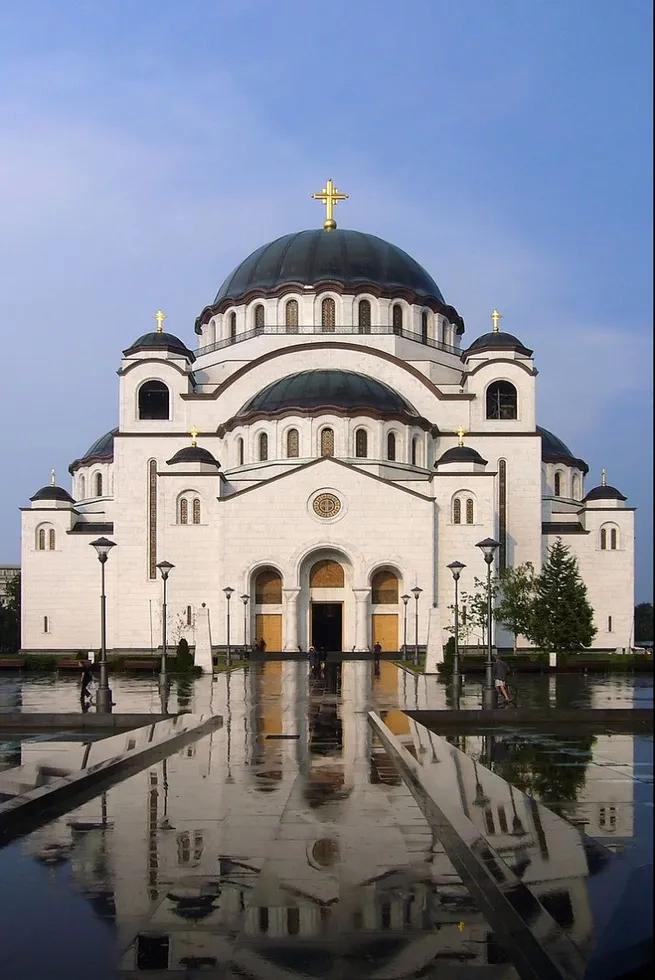 Eurotrippers in search of typically pretty European architecture often leave Belgrade off their list because of its chaotic mix of destroyed buildings and Socialist relics, but this gritty harmony is exactly what makes the city so dynamic. In fact, I'd say no trip to the Balkans is complete without a visit to Belgrade, Serbia's current capital and the former capital of Yugoslavia. With its history as a frequent bombing site across various wars and as a center of protest against communism, understanding Belgrade is necessary to comprehending the entire region.
Belgrade has its fair share of sites worth seeing, including the iconic St. Sava Church, the biggest Eastern Orthodox Church in the world, and the ancient Kalemegdan fortress, which doubles as a lovely park where vendors sell everything from art to homemade liquor. The city is host to quite a few museums worth visiting, the quirky Nikola Tesla museum among them, although it might be good idea to check online before going—most are closed on Mondays, while other state-run institutions are closed indefinitely for repairs.
If anything, visit Belgrade to experience the unique vitality of a city that is constantly rebuilding itself. Locals are friendly, outgoing, and eager to chat, especially after a few shots of rakia, the national spirit. Belgrade's electronic music scene and hedonistic nightlife are unparalleled elsewhere in the region. Begin your evening with dinner in Skadarlija, the bustling Bohemian quarter, and continue into the wee hours in party boats along the Danube.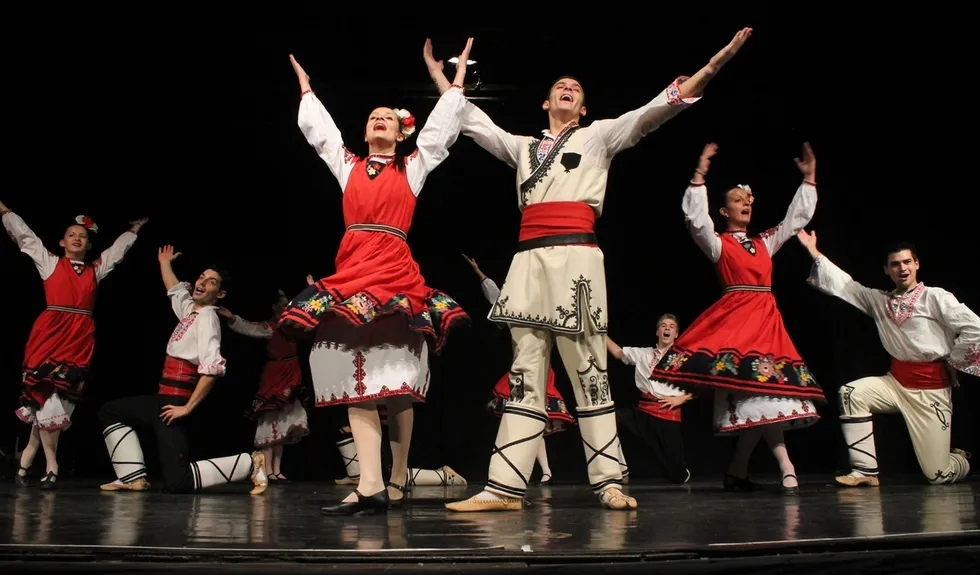 One of the oldest human settlements in all of Europe, the town of Ohrid in Macedonia is famous for its ancient churches, monasteries, and basilicas, which have earned a UNESCO world heritage designation. Stroll through Ohrid's Old Bazaar and ancient fortifications to get a feel for what was once a center of religion and culture in southeastern Europe, and visit in July to catch the Balkan Folklore Festival, which actually includes participants from Asia and Africa in addition to performances of local traditions. The town is situated on the shores of Lake Ohrid, with the Albanian border across the water. Science enthusiasts take note: the deepest lake in the Balkans, Ohrid possesses a unique ecosystem of global significance with over 200 endemic species.
Whether you're looking for outdoor adventure or architectural wonders, southeastern Europe provides a fascinating (and cheap!) alternative to its crowded western counterpart. Here are 7 reasons to book your trip now:
Popular celebrity destination Hvar offers fashionable cocktail bars and a see-and-be-seen atmosphere, while Pag Island's Zrce beach attracts party animals with its legendary 24-hour summer clubs. If you prefer a quieter destination, the Kornati National Park comprises 147 nearly uninhabited islands with plenty of forests, caves, and reefs to explore.
First-timers should make sure to visit Bled, a picturesque lake town whose medieval castle offers unbeatable views of the surrounding mountains. Catch the bus to nearby Lake Bohinj, Bled's primeval cousin, if you want to venture further into the wilderness. There's a saying that you're only a true Slovenian if you've climbed Mount Triglav, so pack your hiking boots to gain some local cred.
Although Greece isn't usually associated with the Balkan countries, the historic hub of antiquity is actually part of the same geographical region. Why not stop by if you're already in the neighborhood?
Belgrade has its fair share of sites worth seeing, including the iconic St. Sava Church, the biggest Eastern Orthodox Church in the world, and the ancient Kalemegdan fortress, which doubles as a lovely park where vendors sell everything from art to homemade liquor. The city is host to quite a few museums worth visiting, the quirky Nikola Tesla museum among them, although it might be good idea to check online before going—most are closed on Mondays, while other state-run institutions are closed indefinitely for repairs.
If anything, visit Belgrade to experience the unique vitality of a city that is constantly rebuilding itself. Locals are friendly, outgoing, and eager to chat, especially after a few shots of rakia, the national spirit. Belgrade's electronic music scene and hedonistic nightlife are unparalleled elsewhere in the region. Begin your evening with dinner in Skadarlija, the bustling Bohemian quarter, and continue into the wee hours in party boats along the Danube.