
Oleg Sidorenko/Flickr
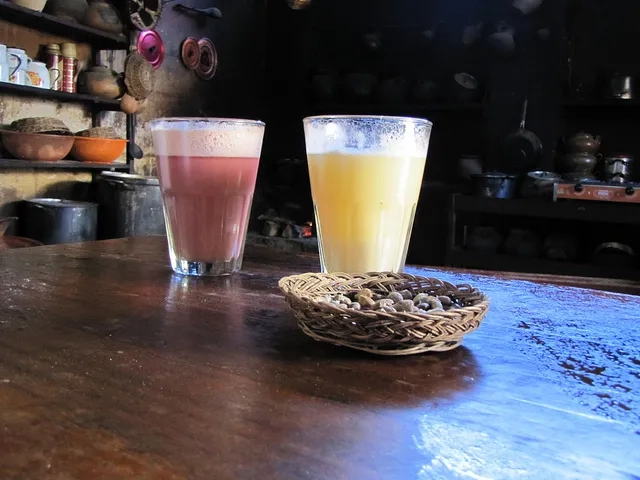
The story goes that many Americans believed that tomatoes were poisonous until Thomas Jefferson, who grew them in his garden and used them as a core ingredient in the kitchen, introduced them to other Virginians and insisted they were safe to eat. Similarly, not all that long ago, most would have recoiled in disgust at the concept of eating raw fish, which is now in high demand in sushi bars around the world. Through time and by region, trends change, research on health benefits evolves, and suddenly what was once considered inedible becomes the next big craze. Who knows—maybe one of these items will be the next thing to hit a supermarket near you. The process of making kopi luwak was accidentally discovered in the early 18th century when Dutch coffee plantation owners prohibited their Indonesian workers from using the beans themselves. The workers found a way around this by collecting and cleaning the droppings of Asian Palm Civets, small cat-like animals native to India and Southeast Asia that ate the coffee fruits without digesting the beans. From there, the rich and aromatic coffee, now a delicacy in Indonesia, was first produced. It’s believed that the civets eat only the finest coffee fruits, and therefore the beans are of the utmost quality that is further enhanced by chemical changes from passing through the stomach. However, there’s still debate as to whether there’s a significant difference in the flavor of kopi luwak versus that of any other coffee.
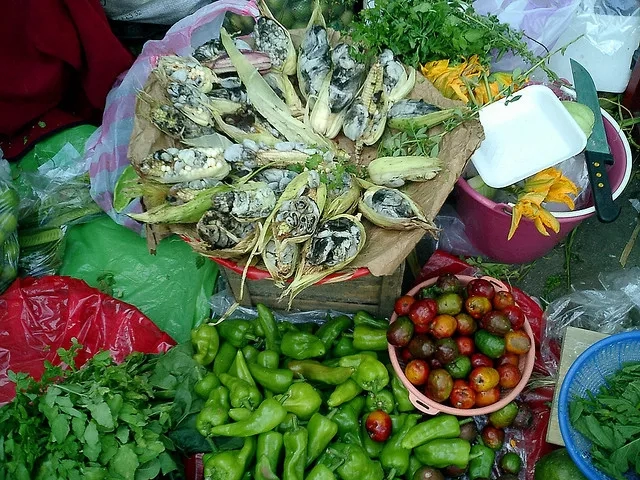 Also known as corn smut, huitlacoche comes from the fungus that sprouts from the kernels of infected ears of corn. The “Mexican Truffle” is often included in the cooking of tacos, quesadillas, tamales, and even omelets. Not only does it have a pleasantly earthy, mushroom-like flavor, but huitlacoche also has more protein than most all other mushrooms. Though there have been attempts to introduce the smut to the American palette, most farmers in the U.S. still see it as a nuisance and a threat to their crop.
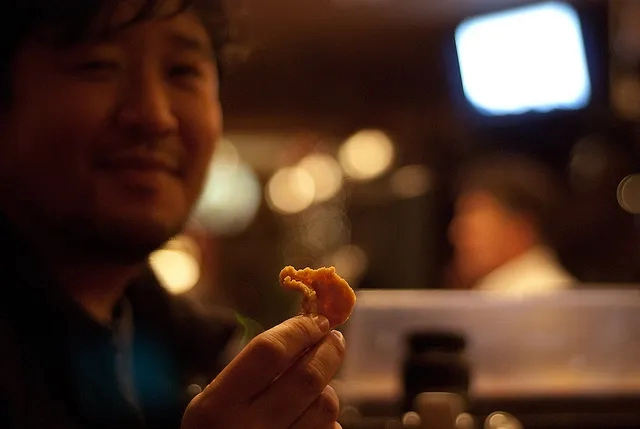 Despite the misleading name, the Rocky Mountain Oyster is actually a fried bull testicle, an appetizer served in North America and most commonly the western United States. The dish can be found in some restaurants and is largely popular at festivals and even at some venues such as Coors Field, home of the Rockies baseball team in Denver, Colorado. If you’re really up for an out-there experience, stop by the Wynkoop Brewery in Denver to give Rocky Mountain Oyster Stout a try. Originally the subject of an elaborate April Fools joke that elicited attention from beer junkies, the brew is now made of its namesake “oysters” and is on tap for limited releases throughout the year.
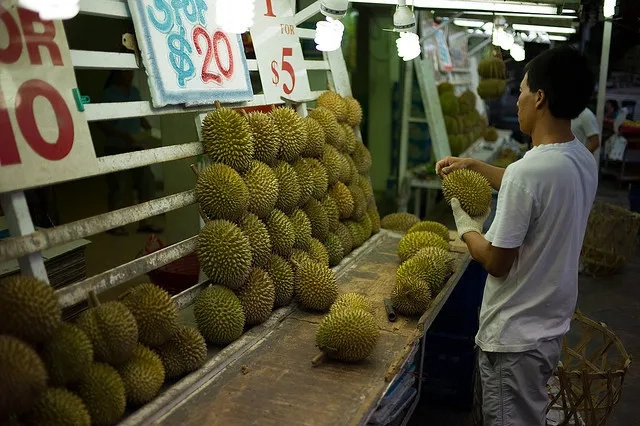 A dirty diaper, stinky feet, and rotting sewage are among some of the smells, and oftentimes the tastes, called to mind by those daring enough to go near a durian fruit. It doesn’t help that once the spiky exterior is cracked open, the edible part of the fruit inside is a wrinkled blob of questionable texture. However, for some, the fruit is a hot commodity: a sweet, tasty, unrivaled dining experience. Though you can find it in markets across Asia, the fruit is only native to Brunei, Indonesia, and Malaysia.
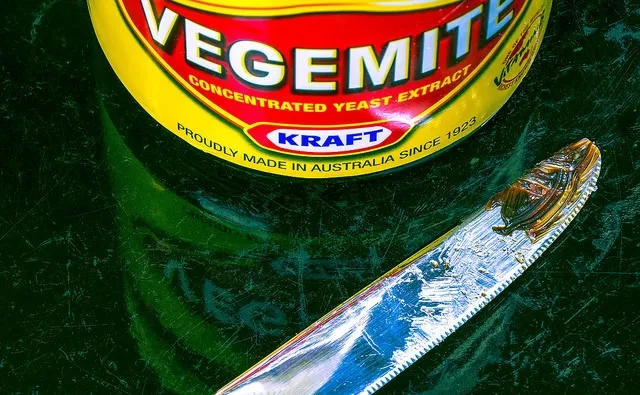 Australians love it, and everyone else hates it. But maybe it’s time for a try on your next visit Down Under. The salty, bitter Kraft paste, made of yeast extract mixed with vegetables and spices, is a staple rich in B vitamins and popular as a bread spread and pastry filling. If you find success with Vegemite, you could continue the journey to the United Kingdom or New Zealand for a taste of Marmite, a similar product though more intensely flavored.
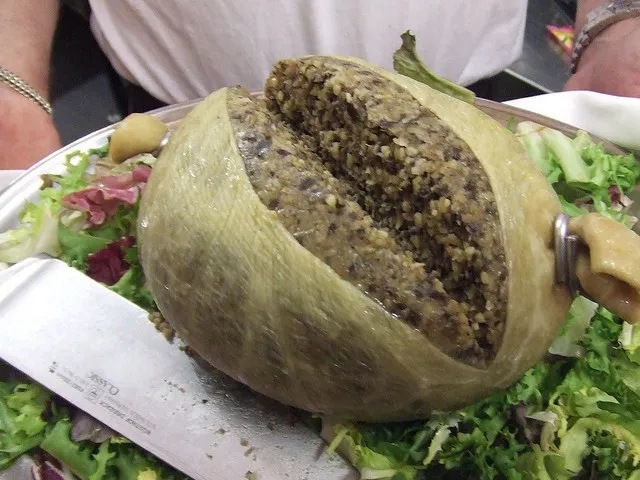 A pudding made of sheep heart, liver, and lung mixed with a variety of other ingredients, haggis is then stuffed into the animal’s stomach and boiled. As Scotland’s unofficial national dish, it is the traditional main course of Burns Supper, a holiday in late January to commemorate the poet Robert Burns. If you’re not excited about eating sheep organs, give Haggis Hurling a spin, a sport consisting of throwing the insides as far as possible. For those looking to set a record while abroad, the distance to beat is 217 feet.
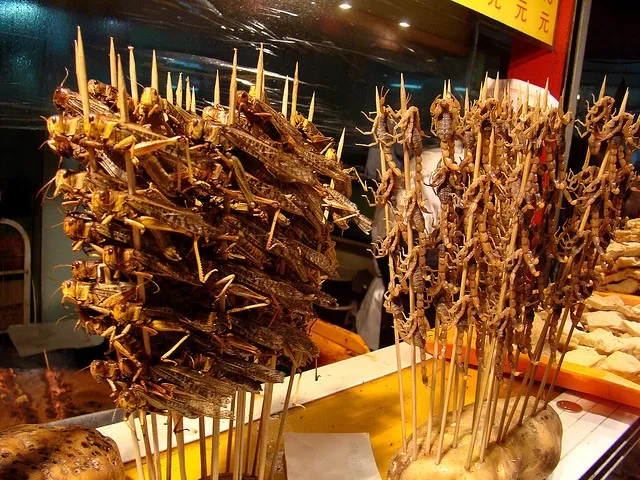 Insects are incredibly rich in protein and abundant worldwide. And in all reality, we are all likely consuming thousands, if not hundreds of thousands, accidentally on a yearly basis. In Thailand, fried grasshoppers, water bugs, crickets, and silk worms are salted, fried up, and sold on the street for snack time. The trend, or at least the possibility of it, is spreading. Many scientists and health experts suggest that eating insects may be the solution to sustaining an ever-growing population. There’s even research looking into production of baking flours made of grounded bugs to provide cheap protein for developing nations. So, if these creepy crawlies may be in our culinary future anyway, no use in waiting to give them a try.
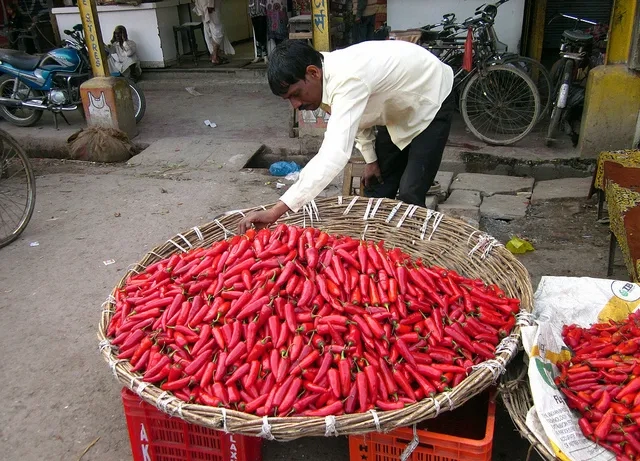 More formally known as bhut jolokia, the ghost chili was named the world’s hottest chili pepper back in 2007. To put this in perspective, it’s 401.5 times hotter than Tabasco. It was bumped to third place by 2013, which will likely go unnoticed upon first bite, described by some as “needles on the tongue.” India is known for using extreme spice in foods, much like other hot climates around the world, to create the cool-down effect that follows sweating. So, if you find yourself in the country without air conditioning, taking a bite of the ghost chili may be a practical activity in addition to a fun challenge.
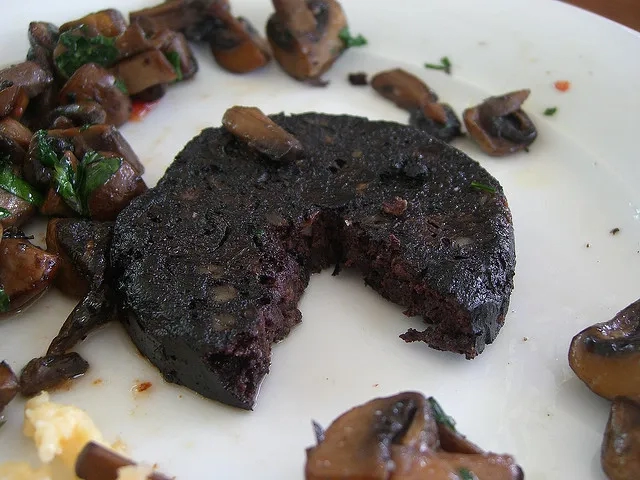 It has a questionable color and texture, sure, but feasting on blood sausage like Black Pudding is actually quite common around the world, including in many parts of Europe, Canada, New Zealand, and Kenya. In fact, most regions around the globe serve some sort of variation. Generally made of pork blood congealed with oatmeal, the dish is often fried or grilled as part of a traditional breakfast meal in England.
 Found in Chinese markets and sold by street side vendors, this foul-smelling dish is traditionally prepared through the soaking of tofu in brine that’s been marinating for months and made with fermented milk, meat, and vegetables, along with herbs and other dried ingredients. Though there are regional variations in the way the tofu’s made and what it looks like, don’t worry, you’ll easily identify it by the penetrating odor the cooking process produces. If you’re able to overcome the offensive smell, most report being pleasantly surprised by the taste and texture.
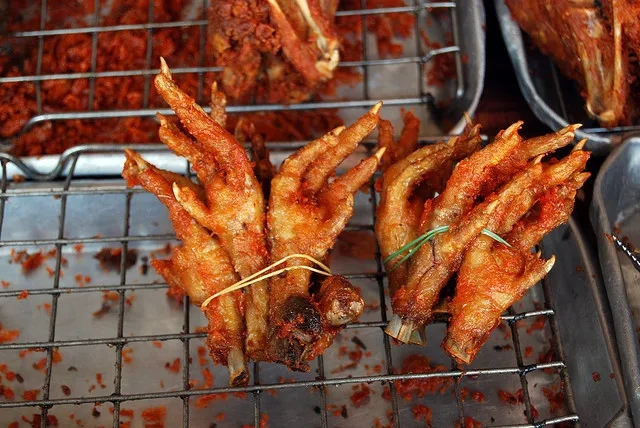 A “walkie talkie” refers to the chicken feet, heads, intestines, hearts, and giblets grilled and traditionally consumed as a street food in South Africa. Okay, so the name’s a little disturbing, especially when you learn that the feet are sometimes referred to as “runaways.” But it has rich flavor, and a good crunch, so why not give it a try?