

Bert Kaufman/flickr
One day is not nearly enough time to experience the riches and wonders of this ancient and majestic city. But with the itinerary that follows, you'll get a concise and enjoyable introduction to Lisbon's historic center. The trip follows part of the route of the most celebrated of Lisbon's rickety old trams—the No. 28. Start early to beat the crowds and take in the individual districts of Alfama, Baixa, Chiado, Bairro Alto and Estrela.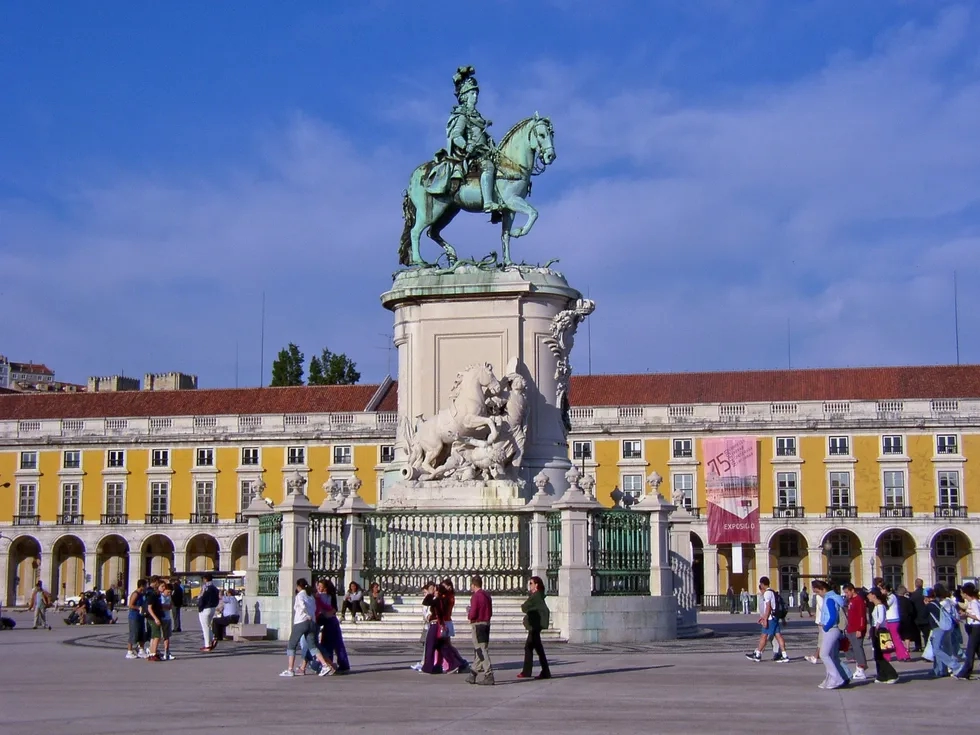 This stately neoclassical square (praça) faces the River Tagus (Rio Tejo) on one side and the grid of streets that make up the Baixa Pombalina on the inland side. The square is usually my first port of call. A re-vamp enhanced the square’s architecture and facilitated access to the waterfront. The re-design has also kept the 18th-century bronze statue at the center of the square. A prominent symbol of power, this depicts Dom José I (1714–77), king at the time of Lisbon’s great earthquake. Use the square as a starting point, picking up information and tourist discount cards from the Lisbon Welcome Center. Several sightseeing tour buses, trams, and buses also stop here. The Arco Triunfal (Triumph Arch) marks the entrance to the Baixa’s pedestrian street, Rua de Augusta, which buzzes with street sellers, artists, and tourists.
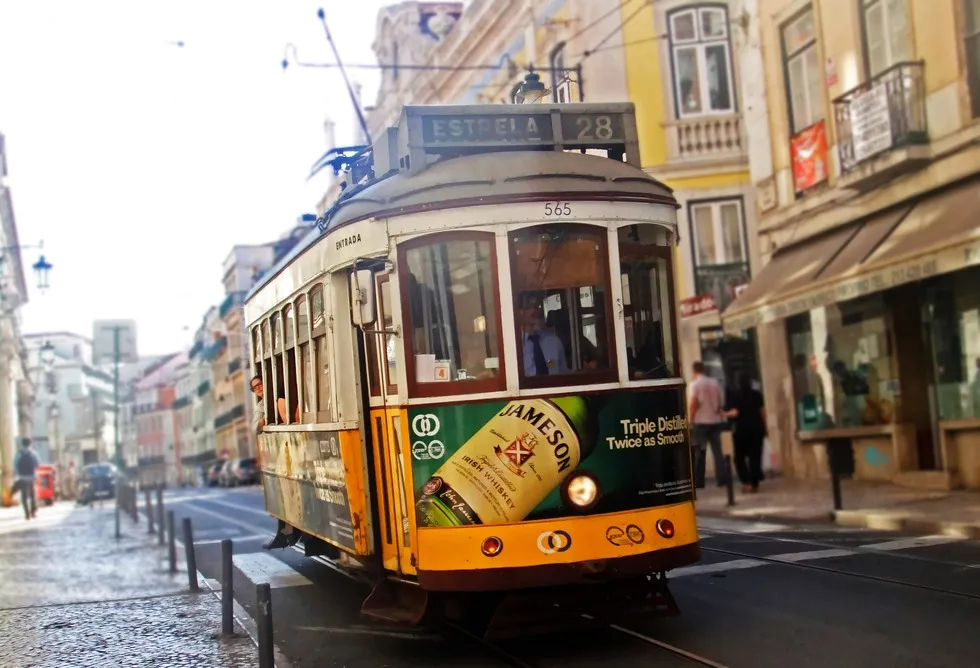 I regularly use this tram, a popular route with tourists as it links several of the city’s historic districts. Although Lisbon is generally a safe city, the tram is renowned for pickpockets. Don’t let that spoil your enjoyment: just keep valuables tucked away and enjoy the ride as the tram clanks along the cobbled streets.
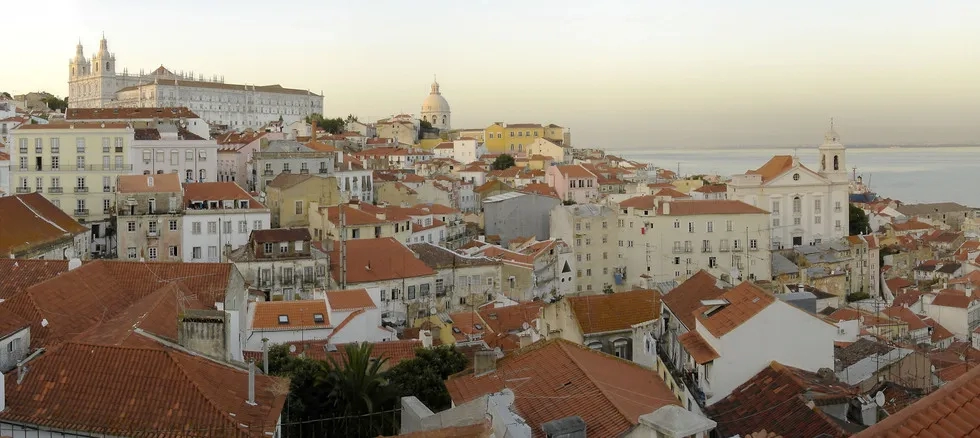 One of the city’s most famous miradouros, this looks over the steep Alfama district and down towards the Tagus. I like to linger over a coffee here and take in the views. It’s also located by the access road up to the castle. Stop at the small Igreja de Santa Luzia and note the antique tiled panel opposite the church, depicting a rather less developed city panorama.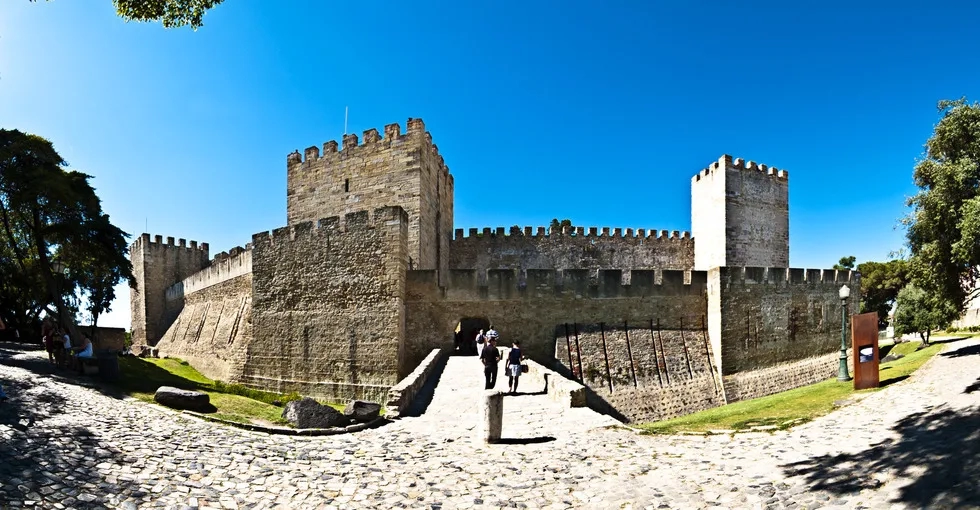
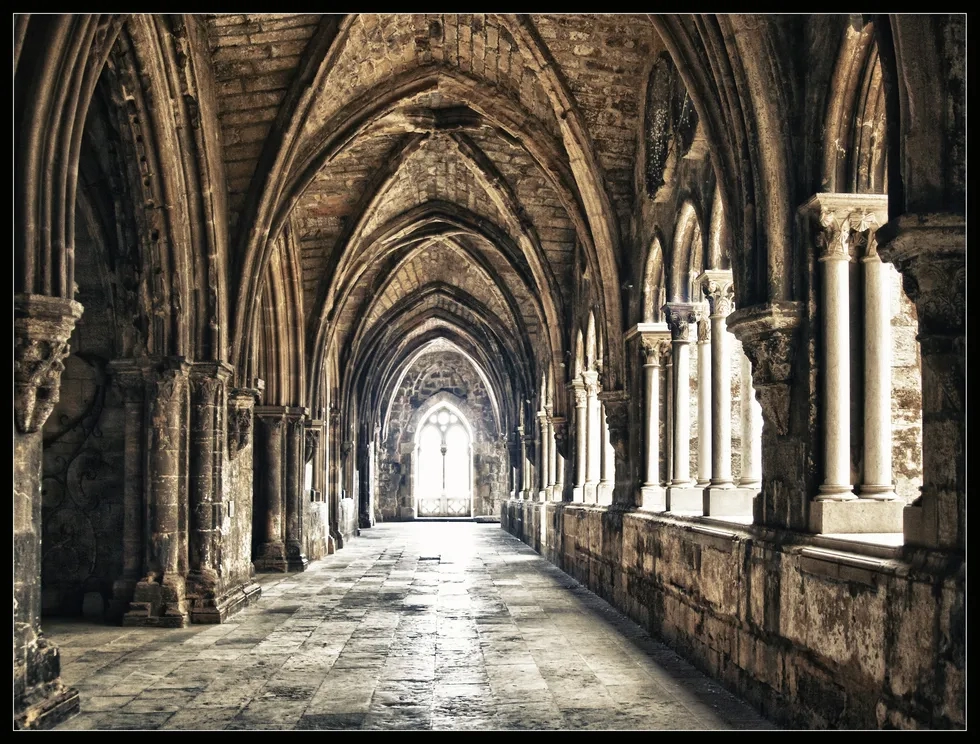 I like to follow the tram tracks downhill on foot to take in the atmosphere of the Alfama district. Built on the site of an old mosque in the 12th century, the cathedral has been altered over time. It's interior may look dark and austere at first glance, but give your eyes time to adjust and you'll find many details quite appealing. Look out for the decorated capitals of the main portal, with carved figures of the Archangel Michael and fighting men mounted on strange beasts, and the vaulted ceilings of the main nave and ambulatory. The impressive Gothic tombs and cloisters with double arches are also worth a visit.
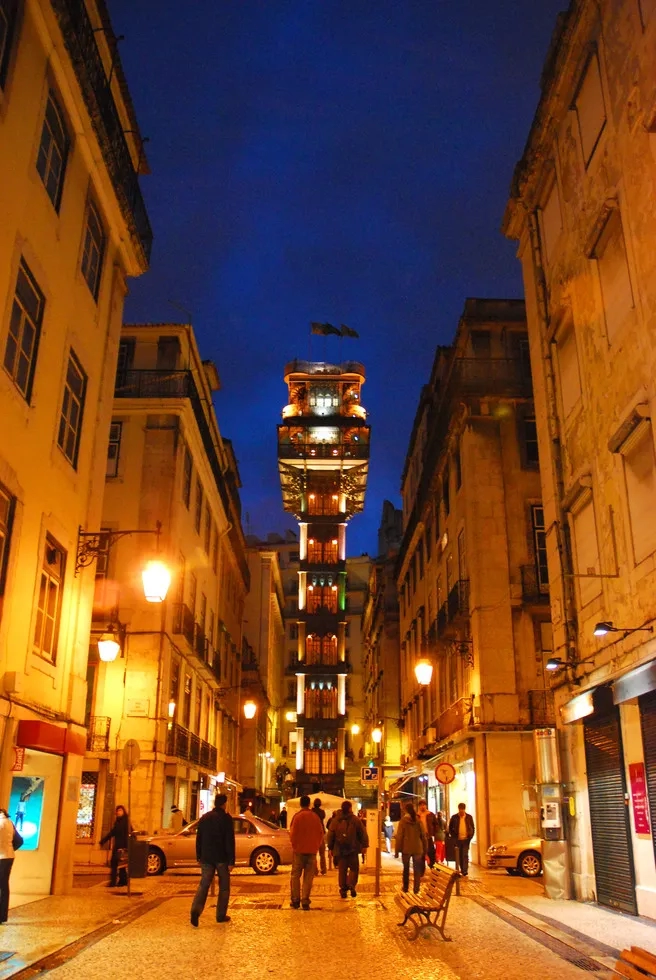 The tram track trundles back down into the heart of the Baixa, kinder on the feet than the cobbled hills of the Alfama. At the western end of Rua Santa Justa is the eye-catching iron Santa Justa elevator, built by engineer Raoul Mesnier du Ponsard in 1898–1901, to transport people to the streets above (it still works). At the top there’s a cafe with great views of the Baixa, Rossio Square, and the castle.
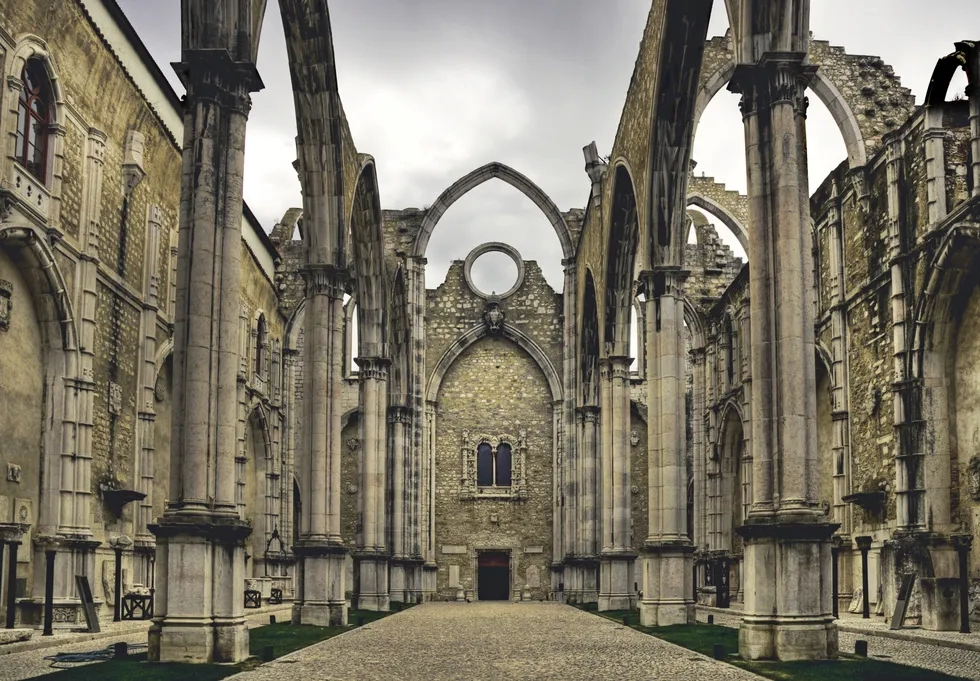 The convent, originally dating back to the 14th century, stands as an eerily majestic monument to the 1755 earthquake. Once inside the roofless ruins tower above like dinosaur bones. There is a wealth of archeological exhibits, including ancient Jewish gravestones, an Egyptian sarcophagus, and baroque tiled panels, but its contemplative air is what grabs me: sit on the steps and take in the whole scene.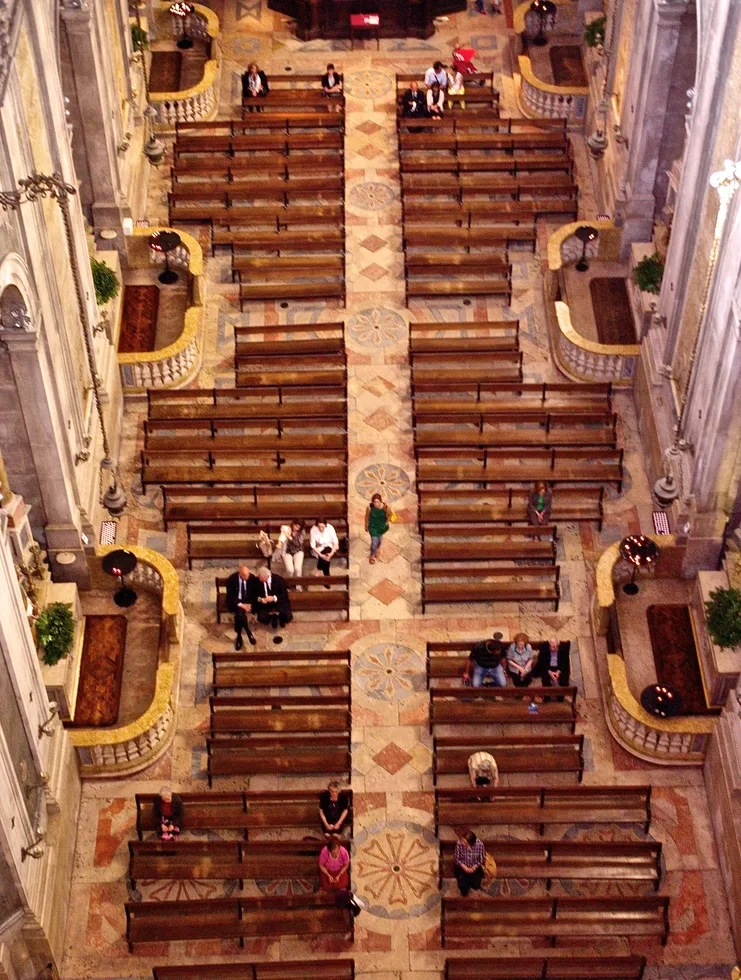
An archway marks the entrance to this castle; continue up the cobbled slope to buy your tickets at the Casa do Gobernador (Governor’s House). The barriers to the left of the house lead into a leafy square, Praça das Armas, with its mighty statue of Dom Afonso Henriques (1109–85), Portugal’s first king and liberator from Moorish rule. Built in or around the 10th century by the Moors as a means of defense, the castle was extended as a Royal Palace from the 13th to 16th centuries, but fell into neglect after the royal family moved to what is now the Praça do Comércio. Very little of the original structure remains, but 20th-century reconstruction evokes something of what it was. The large leafy square offers spectacular city views, and the inner courtyard of the castle often echoes to the sounds of musicians playing, as you climb the towers.