Swept by the winds of the Atlantic Ocean, seafaring Portugal is a study in contrasts. In Lisbon’s historic Alfama, cows are walked house to house to provide fresh milk for the varinas (fishwives). Only blocks away computers process data from around the globe. Meanwhile, in the country giant stone castles and tiny red-roofed villas of the east give way to verdant mountains and vineyards in the west. Street markets, unique architecture, and festivals are a magnet for both visitors and locals. Though it’s hard to choose, here are 10 of our favorite Portuguese adventures.
Harsil Shah/flickr
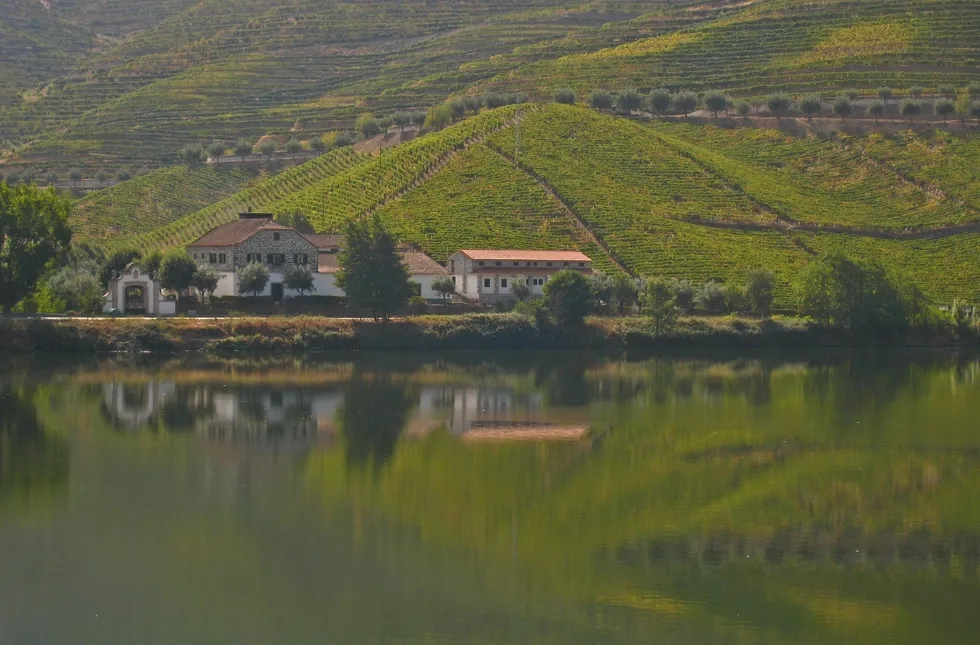
Tasting and Touring in Port Wine Country
Across the Rio Douro from the heart of the northern city of Porto lies Vila Nova de Gaia, the headquarters of the port-wine trade since the 1600s. From vineyards along the Douro, wine is transported to “lodges” (warehouses), where it is matured, bottled, and eventually shipped around the world. More than 25 companies, including such well-known names as Sandeman, maintain port-wine lodges here. Each offers free guided tours, always ending with a tasting of one or two of the house wines. The tourist office in Porto will provide you with a map if you’d like to drive along the Douro to see the vineyards.
Oliver Clarke/Flickr
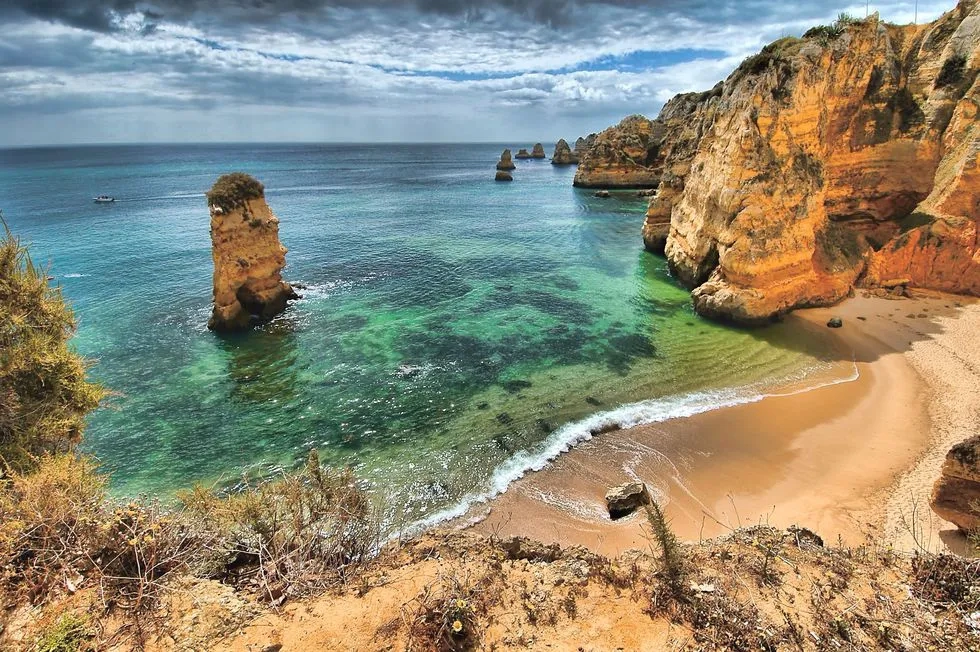
Finding a Solitary Beach
Portugal has long been famous for the glamour and style of the beaches near Estoril, Cascais, Setúbal, and Sesimbra. More recently, the Algarve, with its 200km (124 miles) of tawny sands, gorgeous blue-green waters, and rocky coves, has captivated the imagination of northern Europeans. While the most famous beaches are likely to be very crowded, you can find solitude on the sands if you stop beside lonely expanses of any coastal road in northern Portugal.
Marek Krzystkiewicz/flickr
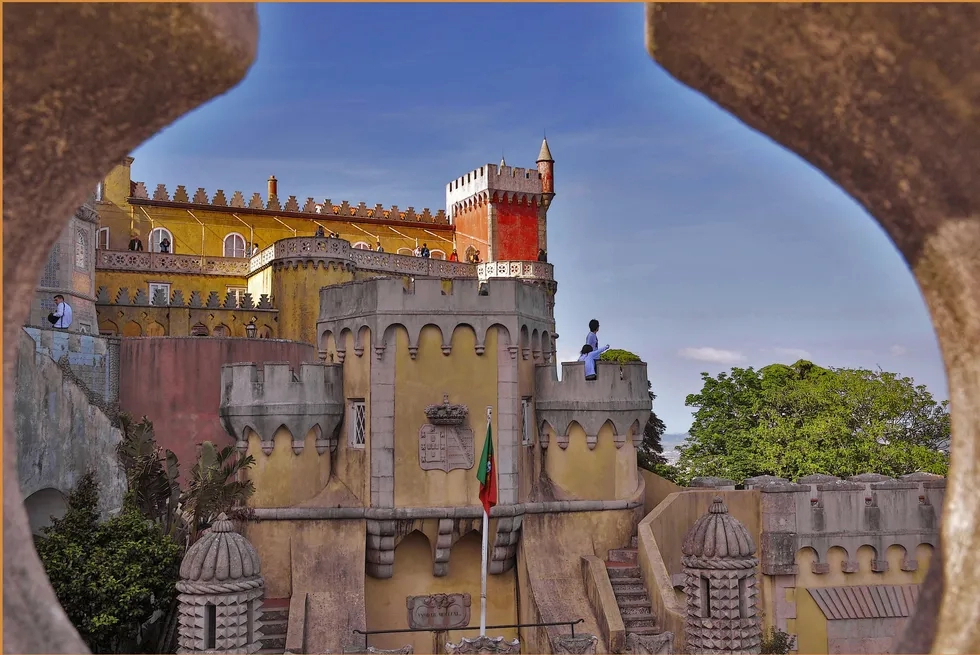
Seeing Sintra
Since the Moorish occupation, Portuguese kings and nobles have recognized this town’s irresistible charm. You'll find a denser concentration of beautiful villas and gardens here than anywhere else in Portugal. At least five major palaces and convents are tucked amid the lush vegetation.
Michael Clarke Stuff/flickr
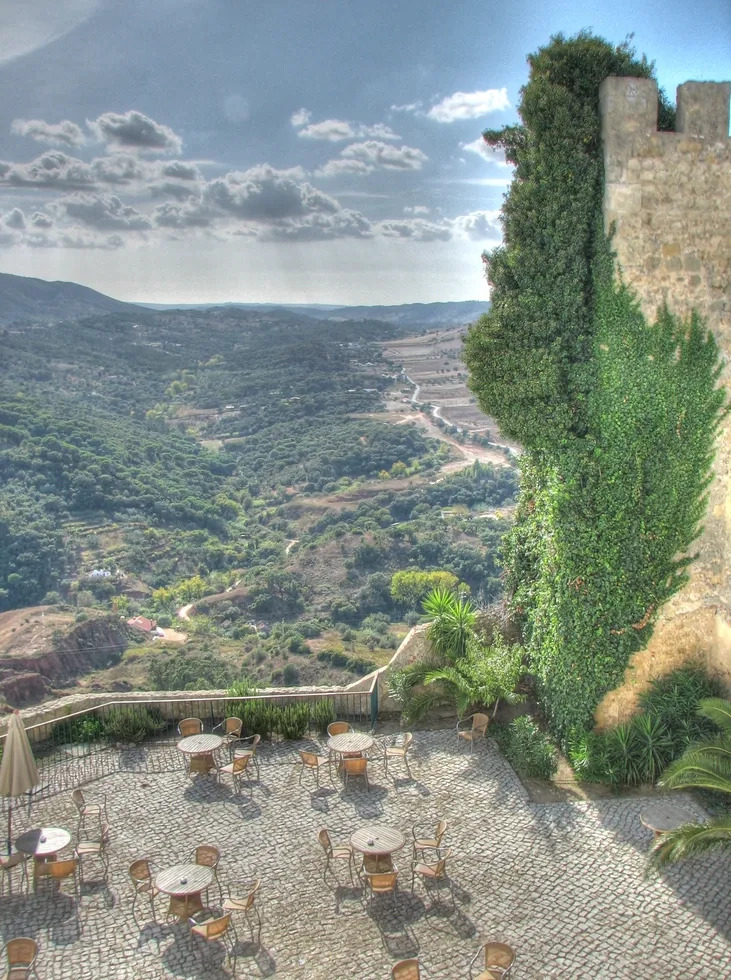
Pousada-Hopping
After World War II, the Portuguese government recognized that the patrimony of its great past was desperately in need of renovation. It transformed dozens of monasteries, palaces, and convents into hotels, honoring the historical authenticity of their architectural cores. Today's travelers can intimately experience some of Portugal's greatest architecture by staying in a pousada, part of a chain of state-owned and -operated hotels. The rooms are often far from opulent, and the government-appointed staffs will probably be more bureaucratic than you'd like. Nonetheless, pousada-hopping rewards with insights into the Portugal of long ago.
Bert Kaufmann/flickr
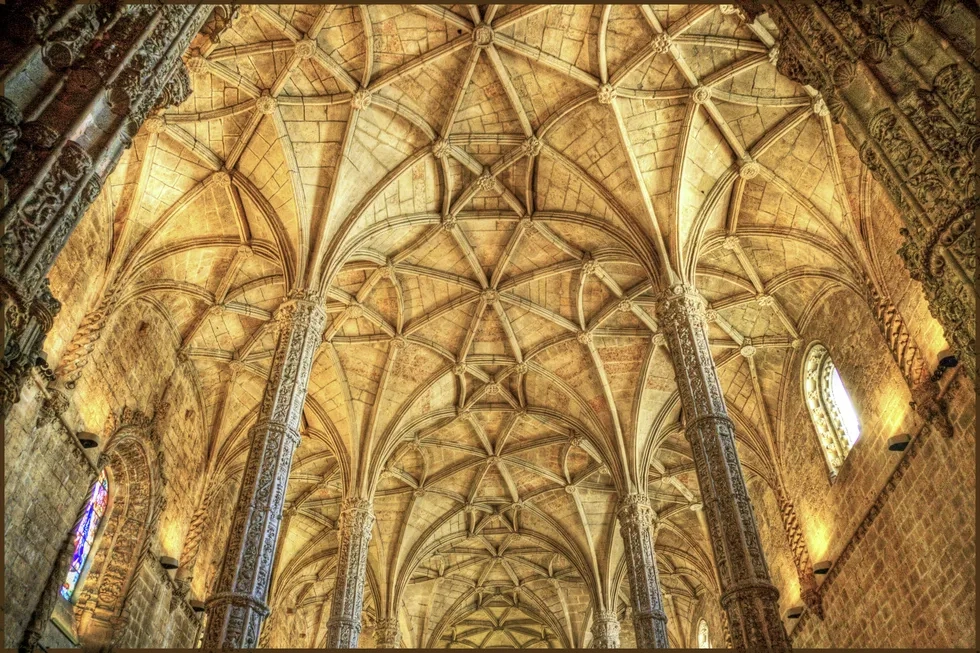
Appreciating Manueline Architecture
Manuelino—as it’s known in Portuguese—marked a dramatic artistic shift from the late Gothic style prevalent during the reign of King Dom Manuel. It mixes Christian motifs with shells, ropes, and strange aquatic shapes and is usually crowned with heraldic or religious symbols. The best example is the grand Mosteiro dos Jerónimos (Jerónimos Monastery, pictured here) in Belém, outside Lisbon, dating from the 16th century. Another towering example is the mysterious and astrologic visions of the famous window of the Convento da Ordem de Cristo (Convent of Christ) in Tomar, the bastion of the Knights Templar in days gone by.
Ricardo Santos Lagoa/flickr
Swooning to Fado
After soccer, fado (which translates as “fate”) music is the national obsession. A lyrical homage to the bruised or broken heart, fado assumes forms that are as old as the troubadours. Its four-line stanzas of unrhymed verse, performed by such legendary stars as Amália Rodriguez, capture the nation’s collective unconscious. Hearing the lament of the fadistas (fado singers) in clubs is the best way to appreciate the melancholy dignity of Iberia’s western edge.
Pedro Ramirez Jiboa
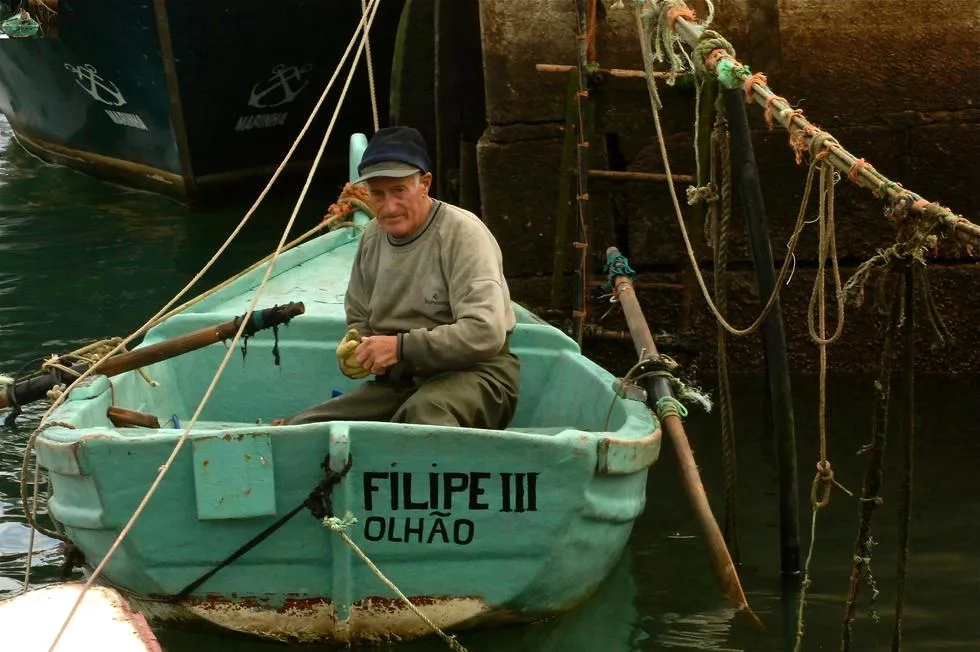
Fishing in Rich, Coastal Waters
Portugal’s position on the Atlantic, its (largely) unpolluted waters, and its flowing rivers encourage concentrations of fish. You won’t be the first to plumb these waters—Portugal fed itself for hundreds of generations using nets and lines, and its maritime and fishing traditions are among the most entrenched in Europe. The mild weather allows fishing year-round for more than 200 species, including varieties not seen anywhere else (such as the 2m-long/6 1/2-ft. scabbard). The country’s rivers and lakes produce three species of trout, as well as black bass and salmon; the cold Atlantic abounds in sea bass, shark, tope, grouper, skate, and swordfish.
Andre Ribeirnho/flickr
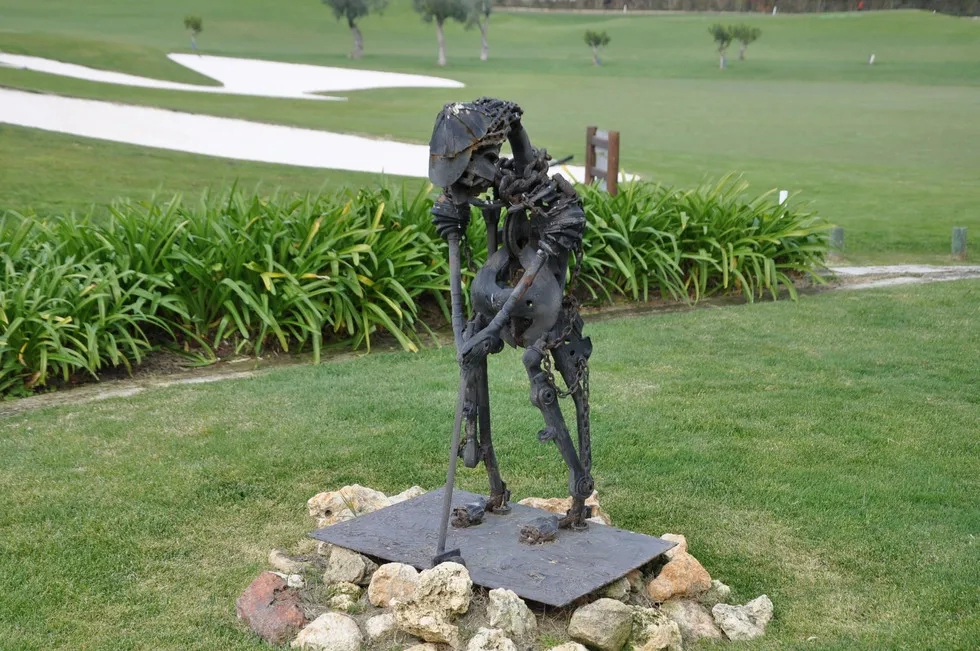
Playing Golf by the Sea
British merchants trading in Portugal’s excellent wines imported the sport of golf around 1890. Until the 1960s, it remained a diversion only for the very wealthy. Then an explosion of interest from abroad led to the creation of at least 30 major courses. Many courses lie near Estoril and in the southern Algarve. The combination of great weather, verdant fairways, and azure seas and skies is almost addictive (as if golf fanatics needed additional motivation).
DynaMosquito/flickr
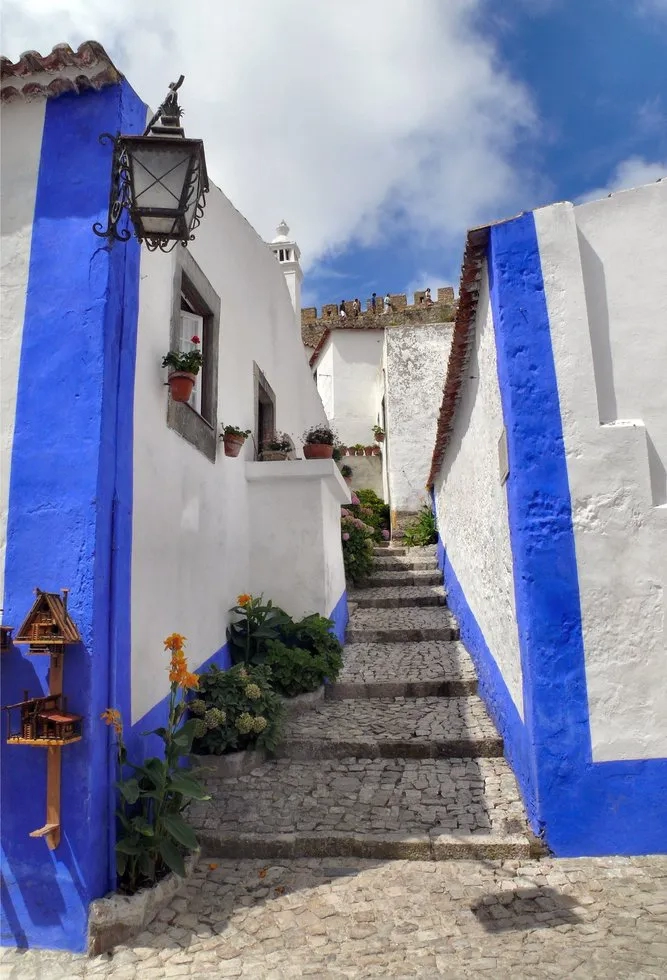
Meandering Through Obidos
This town is the most perfectly preserved 13th-century village in central Portugal. Its historical authenticity is the primary concern of the population of more than 5,000. For 600 years, Óbidos was the personal property of Portuguese queens, a symbolic love offering from their adoring husbands. Óbidos has always breathed romance.
Tobias Abel/Flickr
Trekking to the End of the World