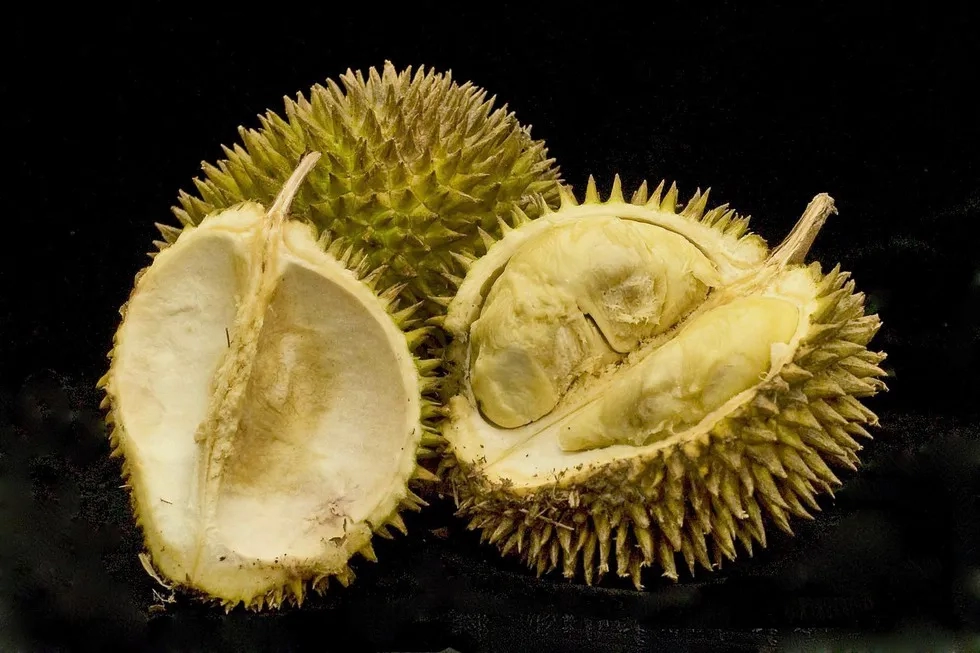

The waiters are laughing among themselves and pointing at you—they know you’re not from around here, but you somehow stumbled into their little eatery and you’re going to consume something you’ve never eaten before. Perhaps it was alive only minutes before, crawling up a tree, or maybe it was a pet you cherished as a child. No matter. You’re hungry, you’re tired, you don’t speak the language and besides, how bad can it be? Plus, eating as the locals do gives you a sense of pride and exhilaration—no matter what’s on the menu. Your waiter approaches, a sly smile on his face, carrying a steaming hot plate of . . . something. Bon appétit! Hundreds of people are killed each year by eating this delicacy when it’s prepared with less-than-flawless precision—but why should that stop you? Fugu (commonly known as pufferfish) contains a lethal poison, deadlier than cyanide, that’s concentrated in its liver and sex organs. Chefs are required to get a special license to prepare fugu, and any chef whose customer dies from his preparation is honor-bound to kill himself by seppuku. But if the fish doesn’t kill you, the bill might: One fugu dinner usually costs about $400.
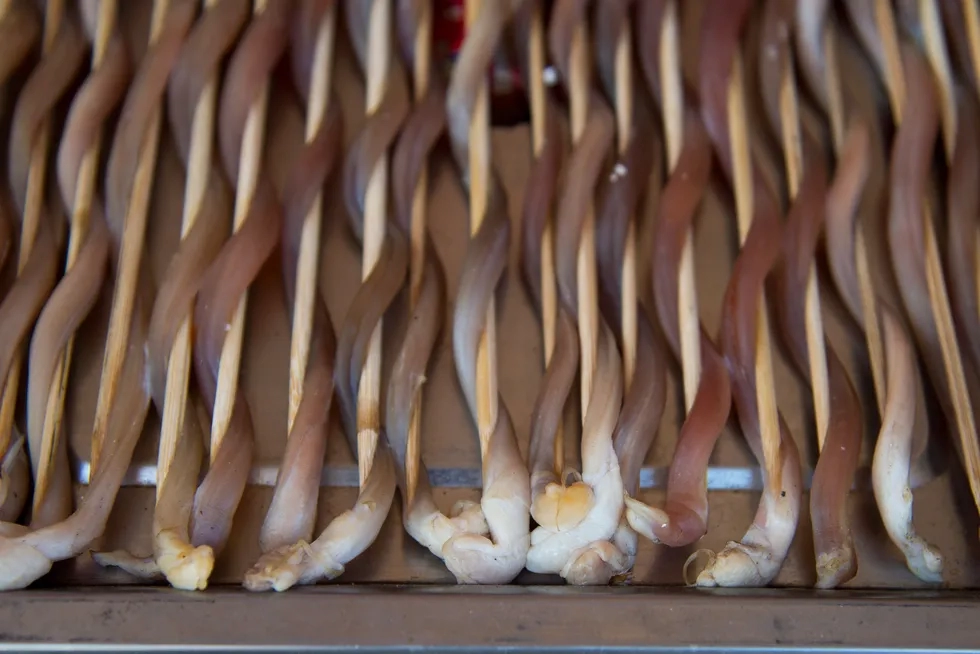 Yes, of course it’s an aphrodisiac, one of many favored by Chinese gourmands. Bull penis is usually sliced lengthwise, then filleted in such a way that when it’s served in soup—the usual presentation—it curls up and takes the shape of a pale, fleshy flower. The flavor and consistency are similar to calamari. If you’re afraid you can’t handle this, maybe your waiter could bring you something more palatable, like goat penis, lamb penis, chicken feet, donkey vulva, or dog penis. Naturally, you’ll want to wash down whatever you’re having with a refreshing slug of deer-penis juice.
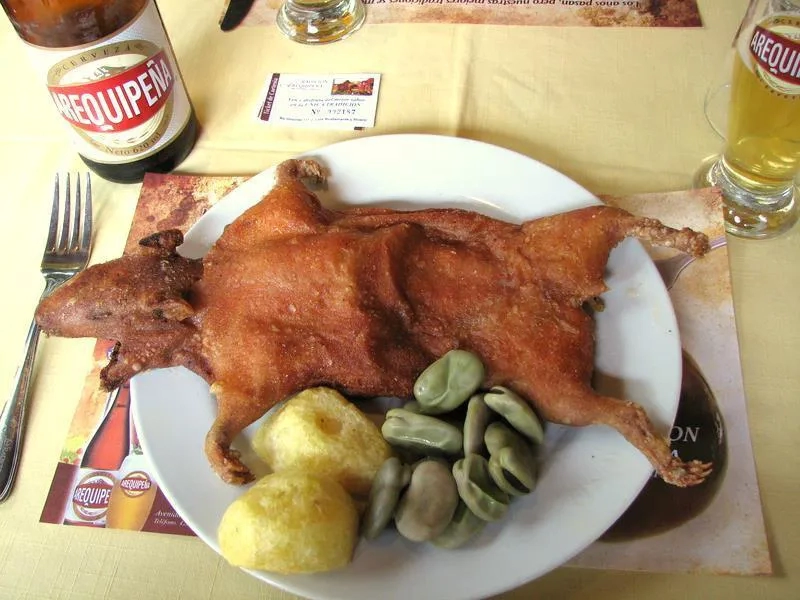 You eat regular pig, so why not try guinea pig? Be aware, however, that unlike other delicacies that are disguised in soups and sauces, cuy are served whole, with the head, tail, and all limbs firmly attached. You’ll find this dish on menus in Lima, Cuzco, and other large cities, where it’s subject to a significant mark-up (tourist rip-off, perhaps?). In smaller towns like Arequipa, however, it’s much more affordable. Depending on preparation, the skin can be crispy (again, like pork) and the meat is rich and flavorful.
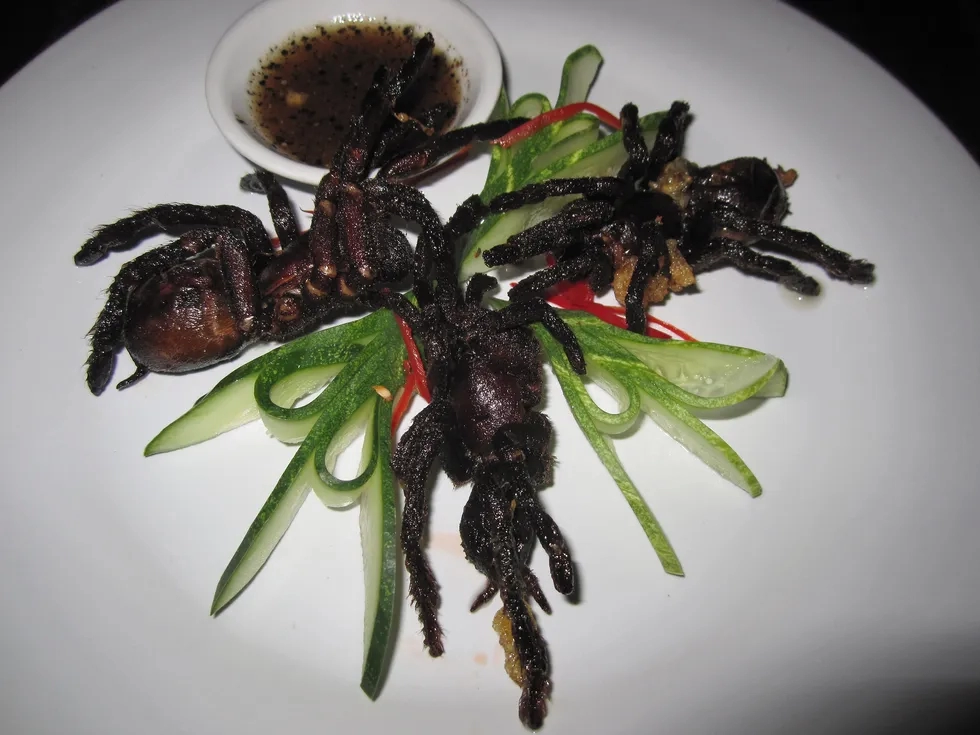 Crunchy on the outside, soft and chewy on the inside. Sounds like a perfect snack, right? It is for Cambodians, who flock to the town of Skuon (north of Phnom Penh) to dine on spiders—specifically, Thai zebra tarantulas—that are tossed in a mix of garlic and salt, then skillet-fried to perfection. They’re only about 3 inches long, but the cost of about 8 cents (1 cents per leg?) makes them an affordable meal. Market vendors swear that when mulled in a rice wine cocktail, spiders are great for those with backaches or breathing problems.
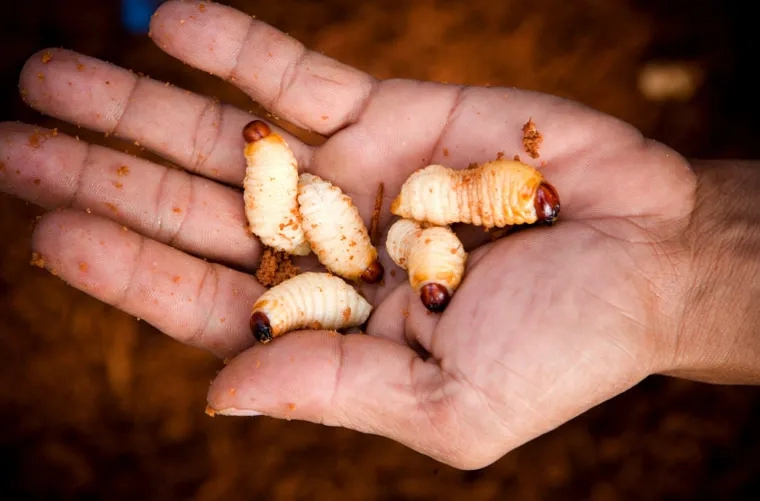 The Asmat cannibals of Papua New Guinea would often eat the brains of their enemies, right out of the skull, mixed with a handful of sago worms. If you’re more of a sago worm purist, however, you may want to forgo the brains and dine on these plump little slugs the modern way, roasted on a spit, or simply smoked. The larvae of the sago palm weevil, sago worms are about an inch or two long and are full of protein and other nutrients. Fans of the worms, who usually grab them by their hard little heads and tear off the body with their teeth, then throw the head away, describe the flavor as sweet and nutty.
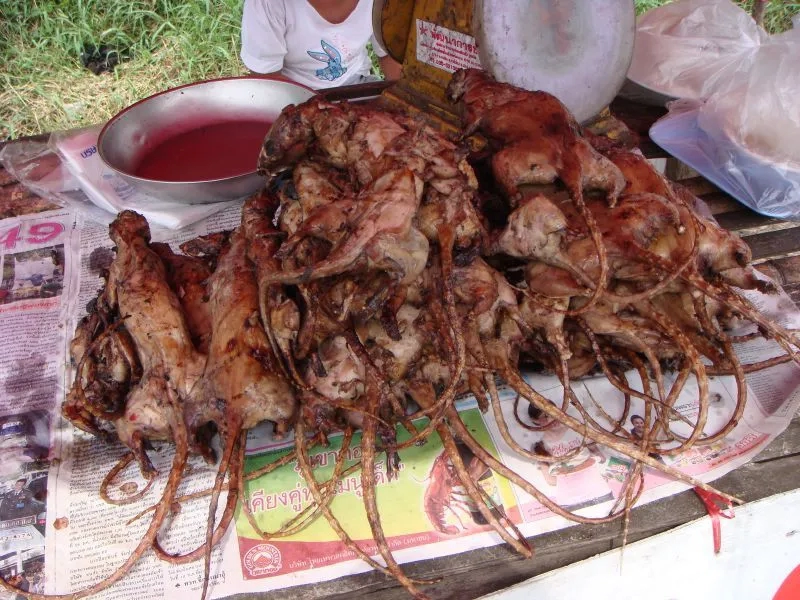 How could anyone resist these furry critters, especially when they’re freshly roasted and served piping hot? The rats are trapped in rice paddies (where they fatten up on rice plants), drowned, skinned, then cooked in a wok with oil and spicy chili paste. Most first-timers are surprised at how pleasantly flavored rat meat is; not gamey at all, it’s sometimes compared to rabbit. And the burgeoning market in rats helps to control the rodent population. Now, would someone please forward that info to the New York City subway authority?
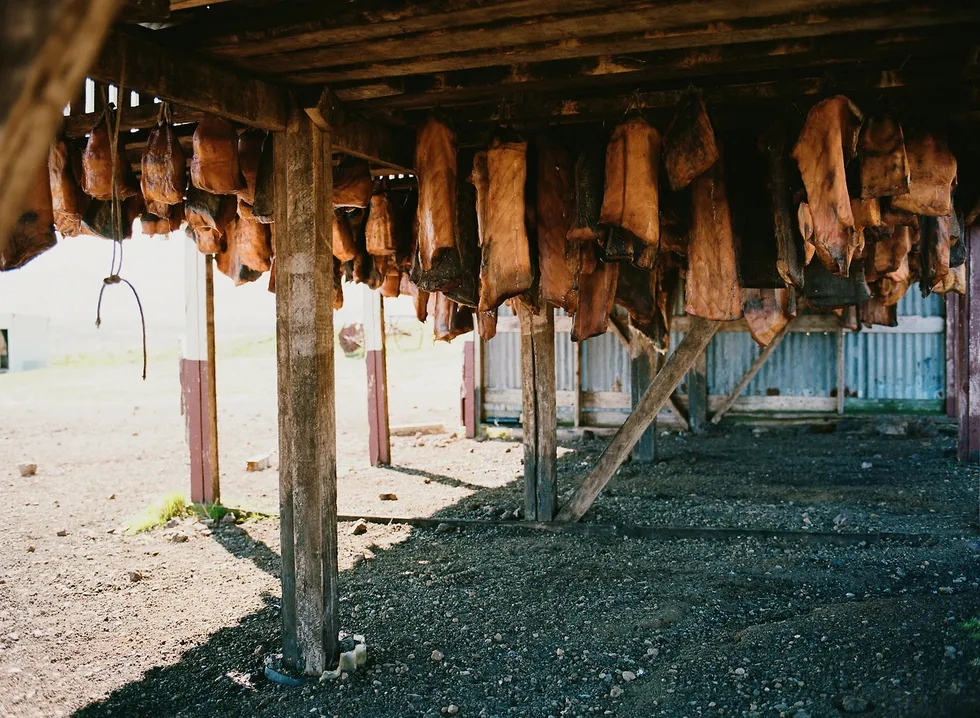 Eaten fresh, this meat of the basking shark is quite toxic, owing to the amount of uric acid in its body. After careful preparation, which involves burying the shark in gravel until it rots, it’s not much better—some have compared the strong ammonia taste to eating solid urine. Vomiting is a frequent response for newcomers to this delicacy, but drinking a shot of Brennivin, the local booze charmingly known as “Black Death,” makes it go down easier.
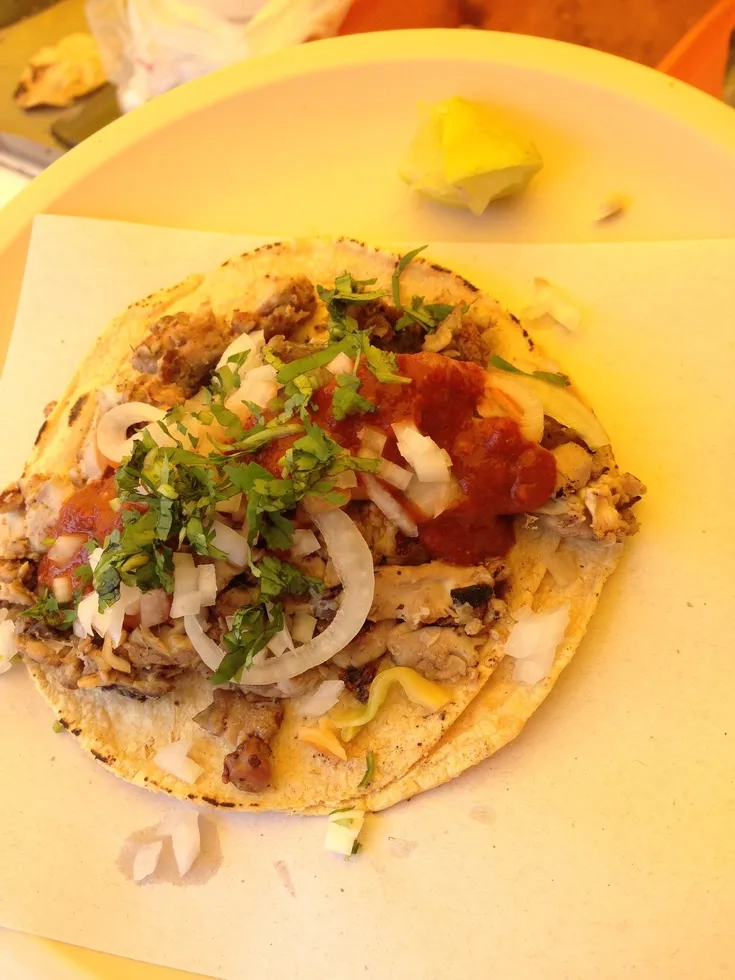 A mind is a terrible thing to waste, yet thousands of cow brains are tossed aside annually, without a thought to how delicious they could be cooked and stuffed into a soft, warm taco. Sad, isn’t it? A favorite in Mexico for centuries, sesos have a pillowy texture and not much flavor of their own, so they’re generally spiced up with some kind of hot salsa picante, a sprinkle of fresh cilantro, or a squeeze of lime. Though once banned in the U.S. due to fears of mad cow disease, tacos de sesos have staged a comeback and can sometimes be found at discriminating taquerias north of the border.