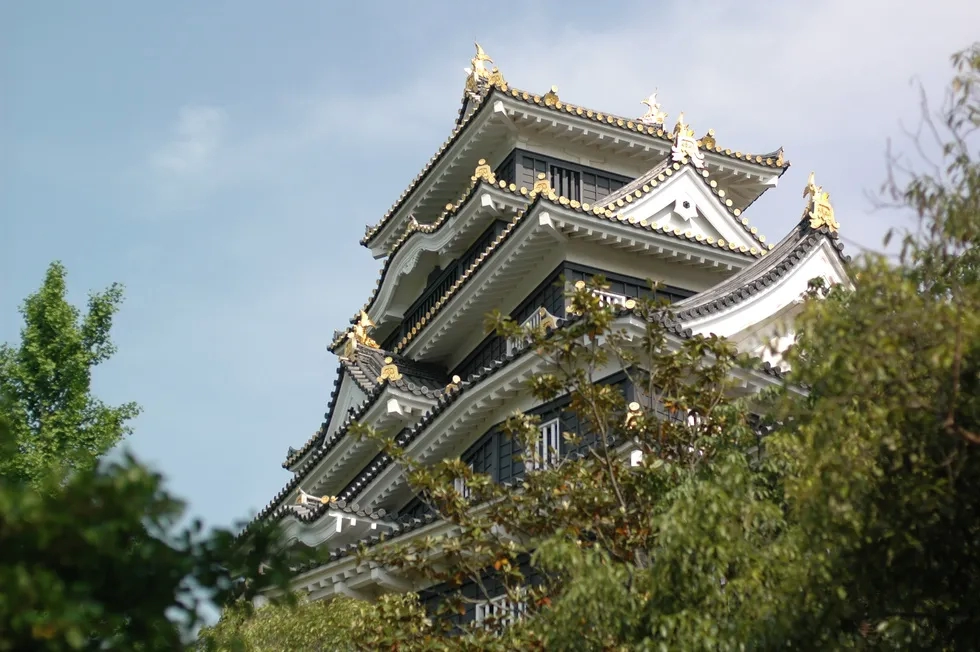

Malcolm Browne/Flickr
Architecture buffs go gaga for Japan, and so will you. Here's our pick for the top eye candy among Japan's many spectacular temples, shrines, and castles.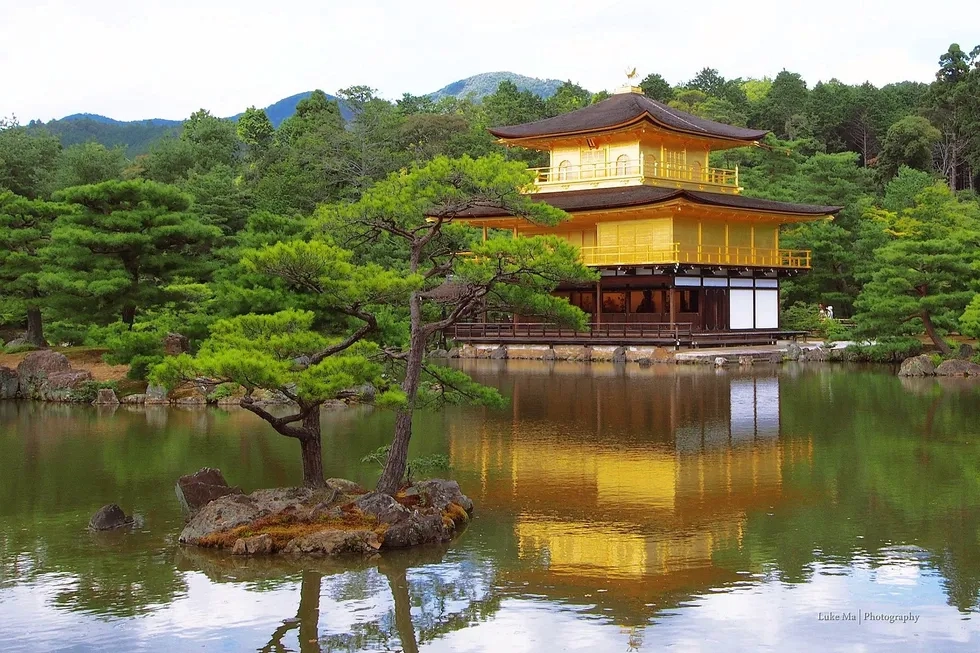 This gleaming, gilt structure is almost dazzling on a bright and sunny day. Constructed in the 14th century as a shogun’s retirement villa, the three-story pavilion is topped with a bronze phoenix. Along with Kiyomizu-dera, this is one of Kyoto’s signature sights and absolutely should not be missed.
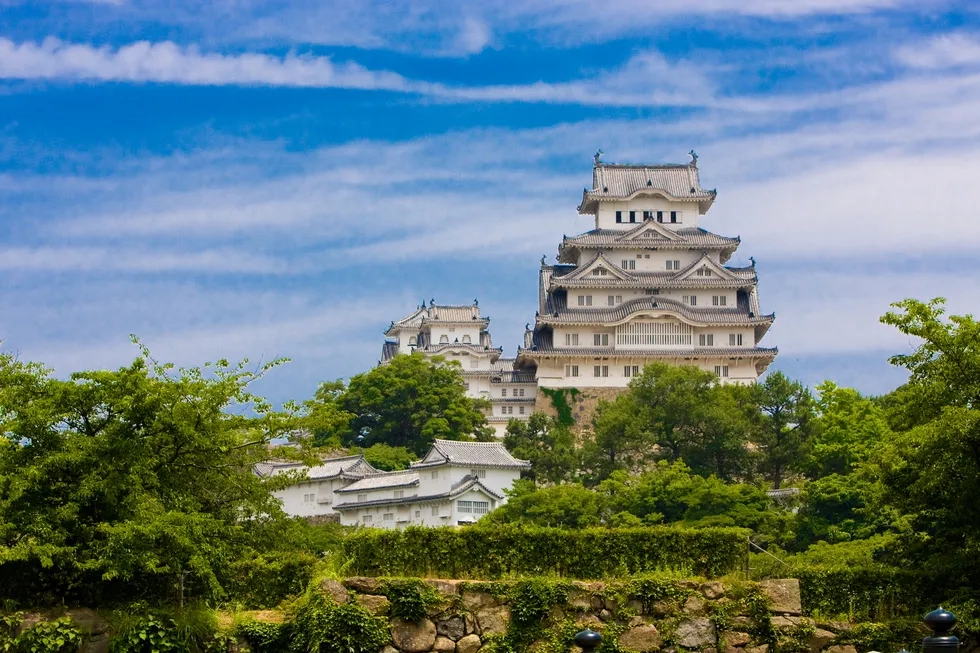 Also known as White Heron Castle, this is widely believed to be the single most beautiful fortification of its type in Japan. One of the most advanced castles of the feudal period, it features defensive “loopholes” shaped to allow archers and riflemen to fire without exposing themselves. We’re also fans of the drop chutes, used to give invaders a warm welcome with boiling oil. If you see any one castle in Japan, make this it.
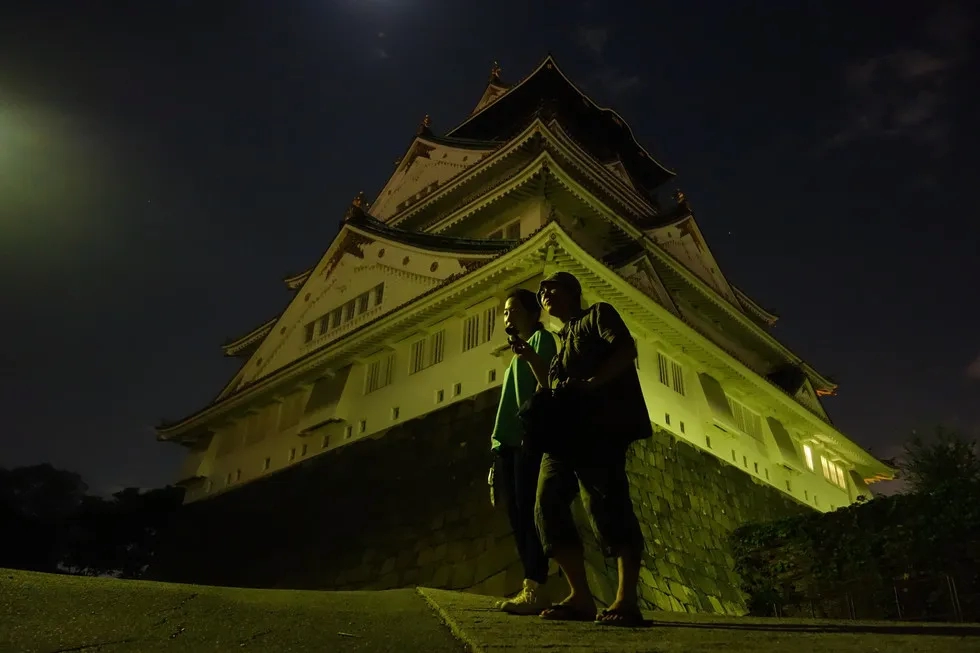 The original version of this castle was constructed by daimyo (warlord) and “great unifier” Toyotomi Hideyoshi in 1583 as an emblem of his power and wealth. Although the current incarnation is a reconstruction, it is a faithful replica of how it once looked . . . externally, at least. The interior is now what one might call the world’s most well-defended castle museum.
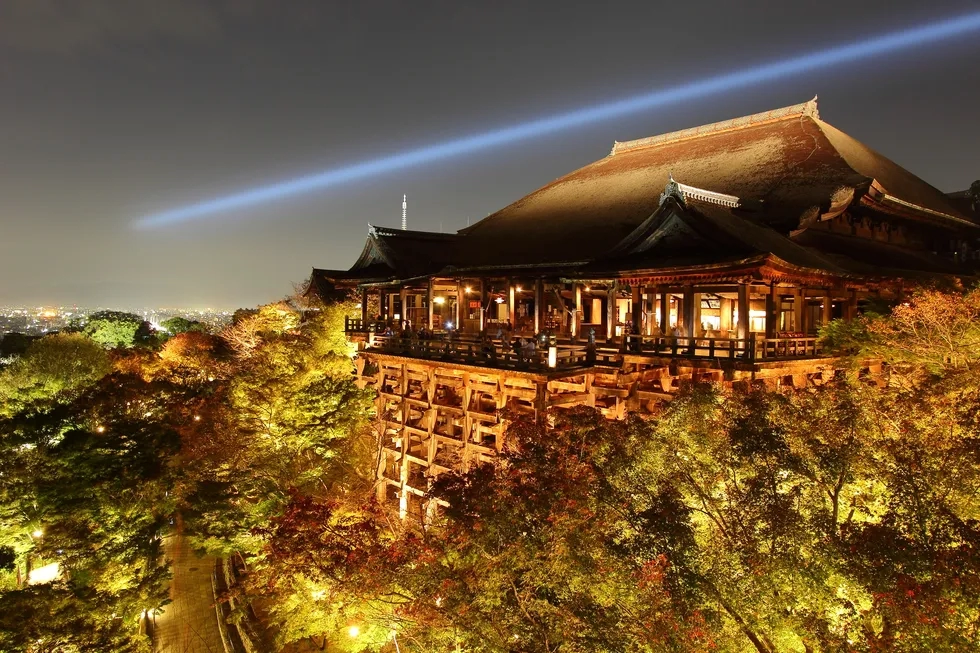 Kyoto’s most stunning—and possibly Japan’s best-known—temple. Featuring an elaborate wooden veranda perched atop a hillside, Kiyomizu commands an exalted spot with a view over Kyoto. The pathway leading to the shrine is lined with pottery and souvenir shops, and the temple grounds have open-air pavilions, where you can drink beer or eat noodles. Couples in particular shouldn’t miss a visit to Jishu-jinja shrine, right on the grounds—it’s dedicated to the god of love.
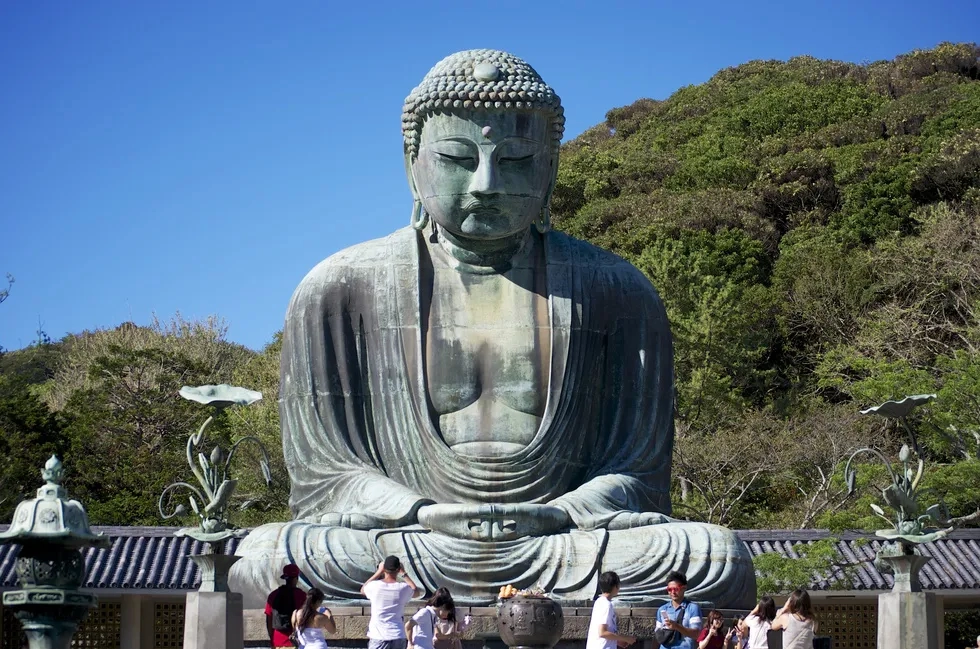 This temple is home to the Great Buddha, Japan’s second-largest bronze effigy. It sits outdoors against a magnificent wooded backdrop; the combination of man-made and natural, holy and corporeal, is a powerful one.
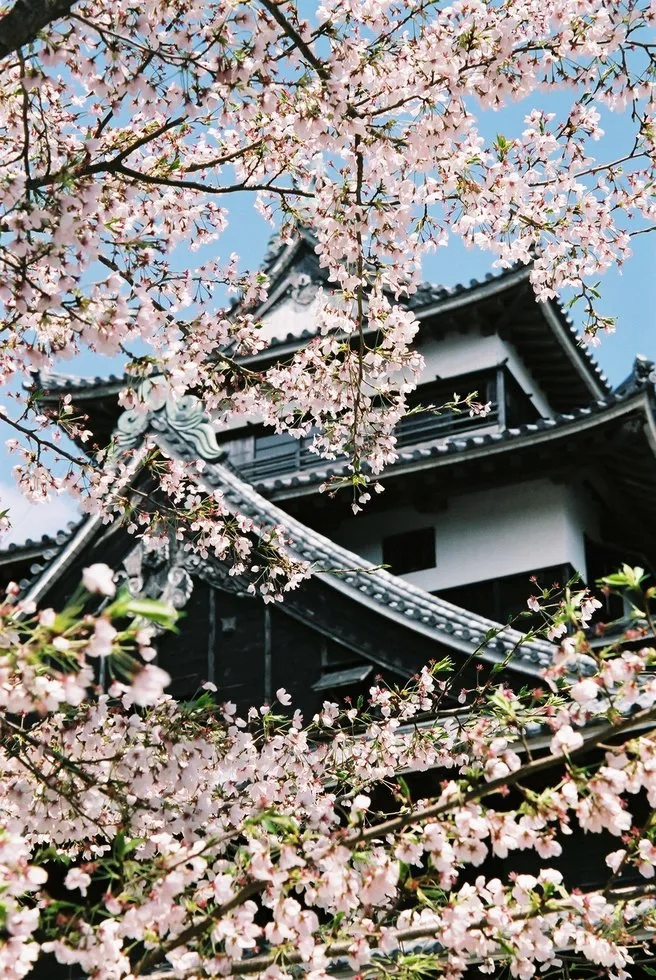 Our favorite thing about this castle isn’t actually the castle itself, but rather the flat-bottomed boat tour that tools around the moat. Trips last about an hour, threading under tiny bridges and offering great views of the imposing fortress. With sights like these, you won’t even mind that the commentary is all in Japanese.
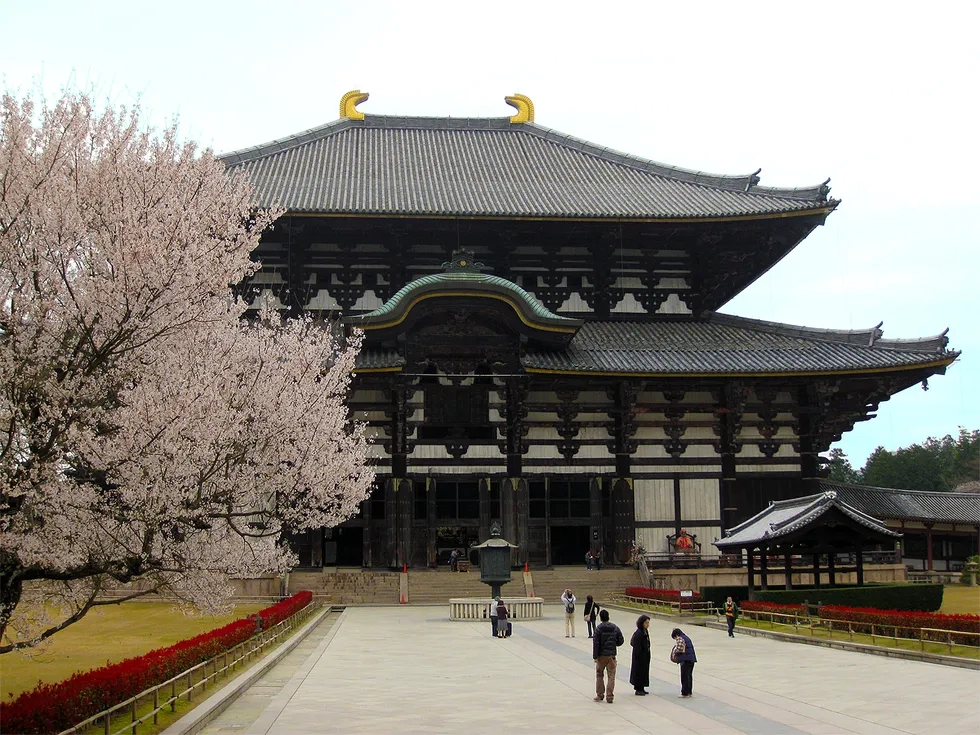 In the midst of a park surrounded by tame deer sits an enormous building that is home to Japan’s largest bronze Buddha. The temple building is actually the largest wooden structure in the world. If you’ve been to Kamakura, home to the second-largest bronze Buddha in Japan, go here to get a sense of contrast.
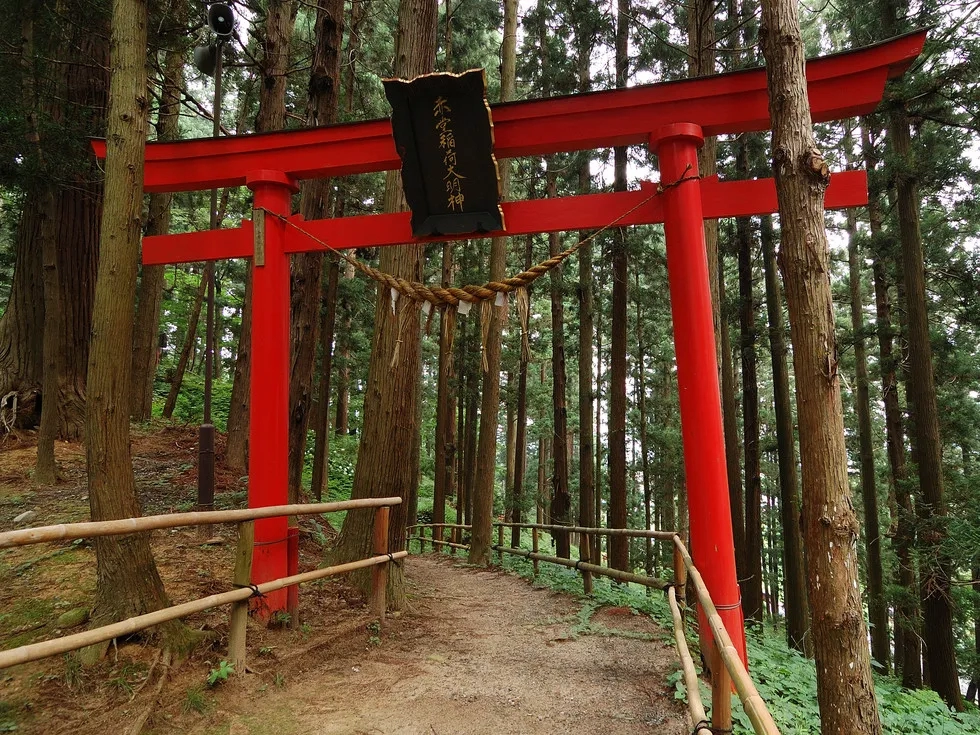 Located in the midst of soaring cedar trees, this ancient temple complex dates back nearly a millennium. Simply strolling through its many paths and among its many smaller temples makes you feel as though you’re among the gods. Don’t miss Konjikido Pavilion, a glorious mausoleum containing the mummies of one of Japan’s most famous warrior clans.
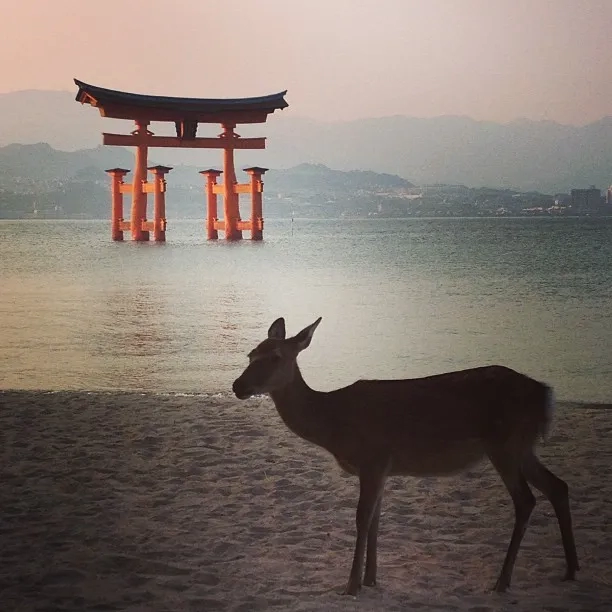 You may well already be familiar with this shrine’s iconic red torii gate, which rises from the waters of the Seto Inland Sea; it’s one of the most photographed landmarks in Japan. Built over the tidal flats on a gem of an island called Miyajima, it’s the most photographed for a reason: The scenic spot is beautiful by day and equally stunning by night, when it is illuminated.Is
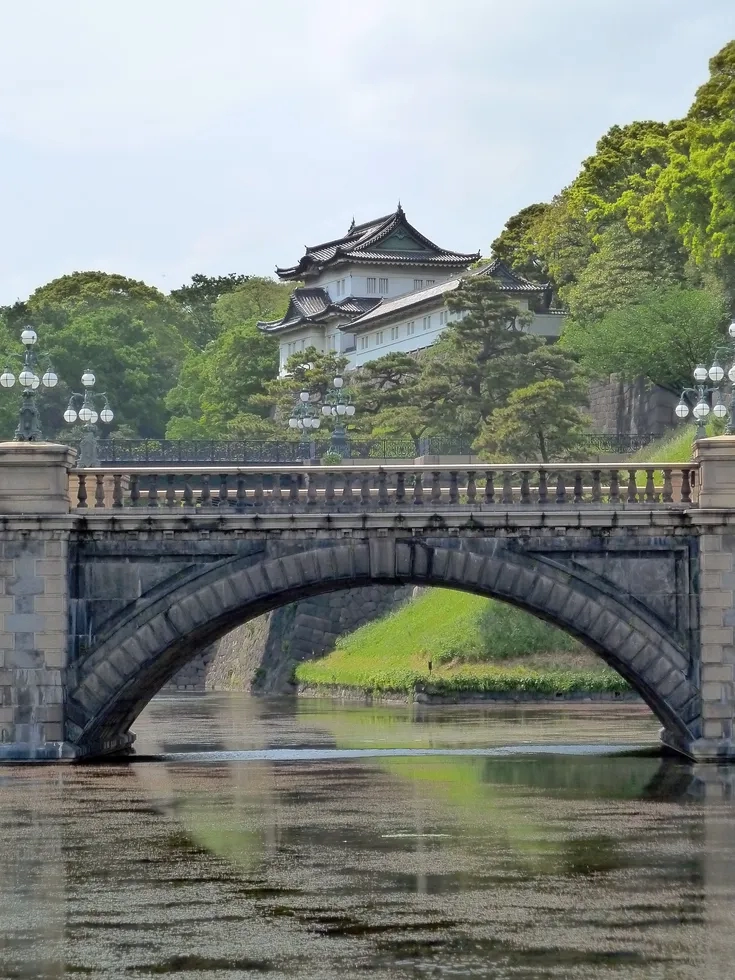 Alas, there are no castles in Tokyo anymore, but this is the next best thing. Although currently the site of the emperor’s residence, in times of old this was the center of the city, occupied by the formidable Edo Castle. While the castle itself is long since gone, many of its walls and other foundation structures remain. The massive stone fortifications are one reason we love Chidorigafuchi Moat.
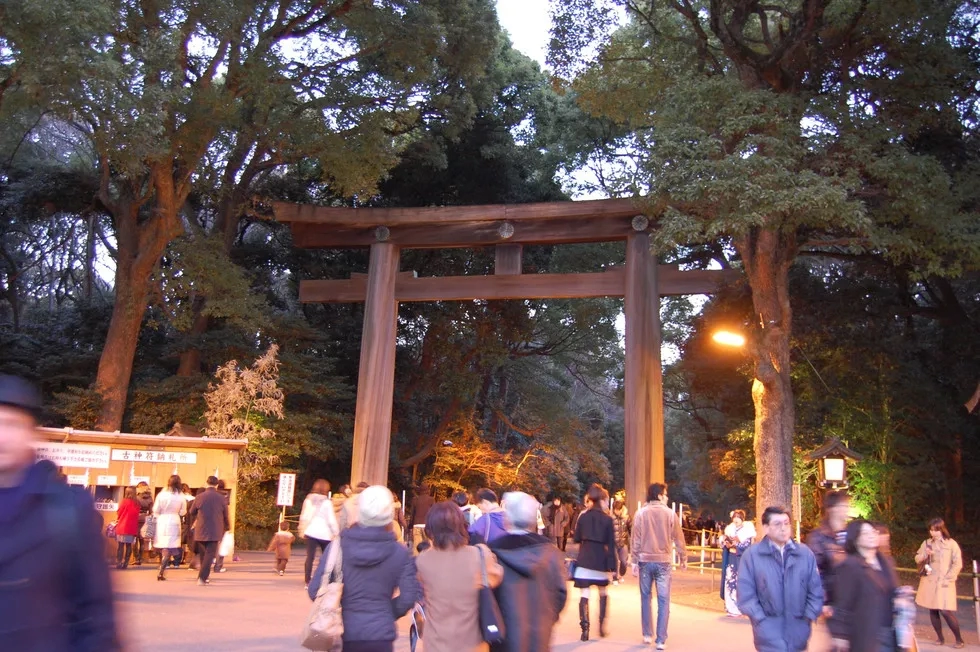 Soaring torii gates mark Tokyo’s most venerable and refined Shinto shrine, which honors the Emperor Meiji and his empress. Simple yet dignified architecture surrounded by a dense forest will make you forget you’re in the heart of the city.
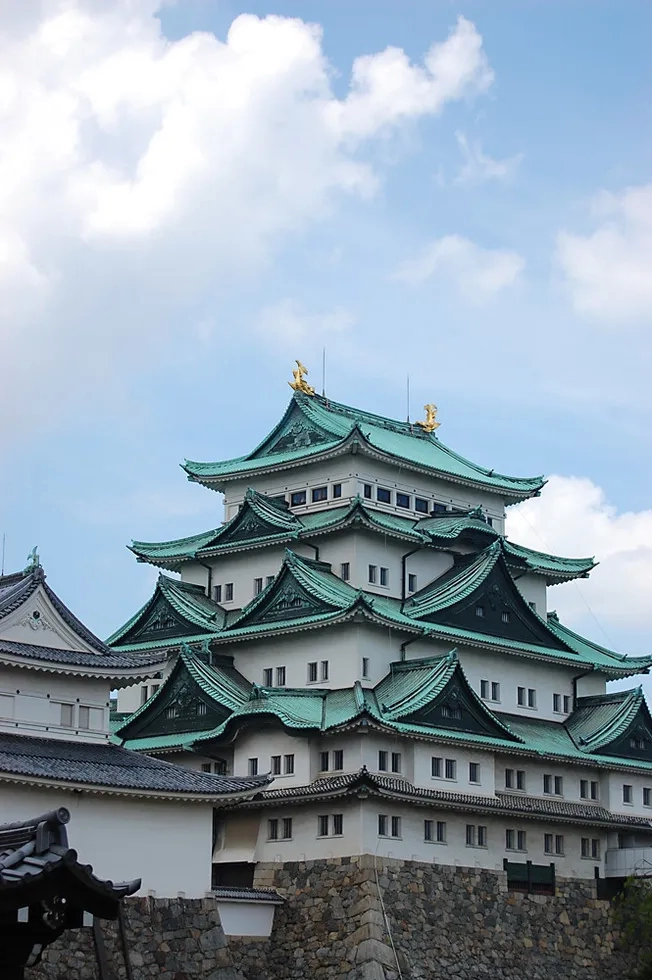 Once the center of one of Japan's most important "castle towns," and used as a POW camp during World War II, this castle burned to the ground in 1945. Reconstructed in 1959, it features air-conditioning and elevators—two luxuries that the original most certainly didn’t. Wow your Japanese pals with some trivia: The castle met yet another (fictional) demise at the hands of Godzilla in the classic 1964 film Mothra vs. Godzilla.
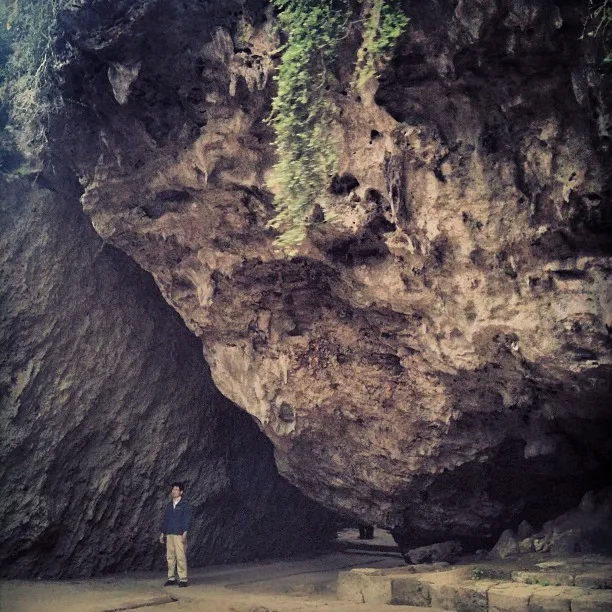 For centuries, this holy ground was off-limits to males—even the king of the Ryukyu people had to dress in women’s clothing to gain entrance. Now a designated UNESCO World Heritage Site, its massive stone altars make the place feel like the set of an adventure movie. If you’re visiting Okinawa Island, make this one of your first stops.
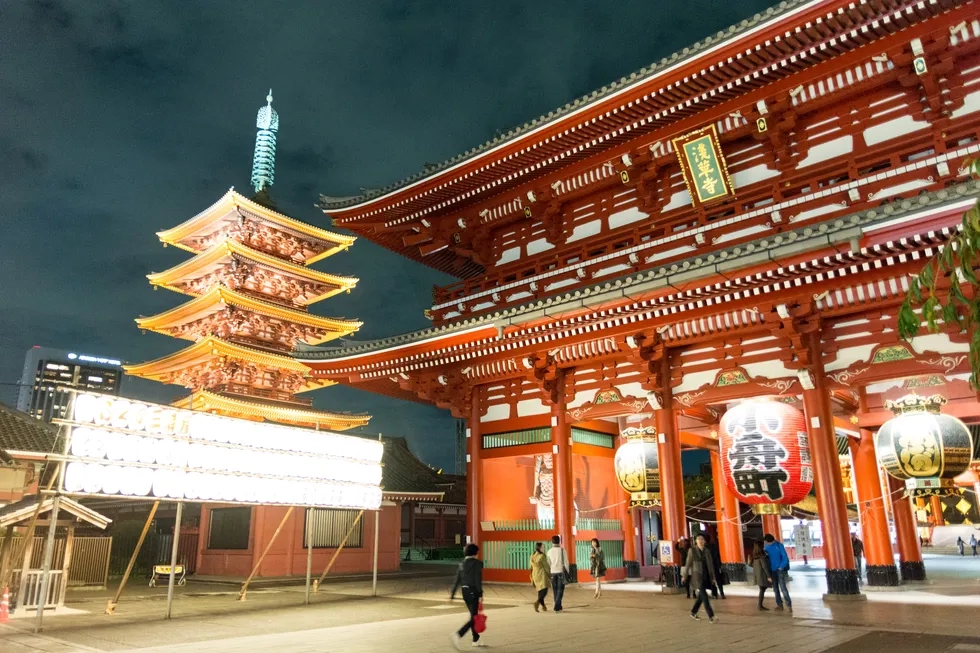 The capital’s oldest temple is also its liveliest. Throngs of visitors and stalls selling both traditional and kitschy items lend it a festival-like atmosphere. If you go to any one temple in Tokyo, make it this one.
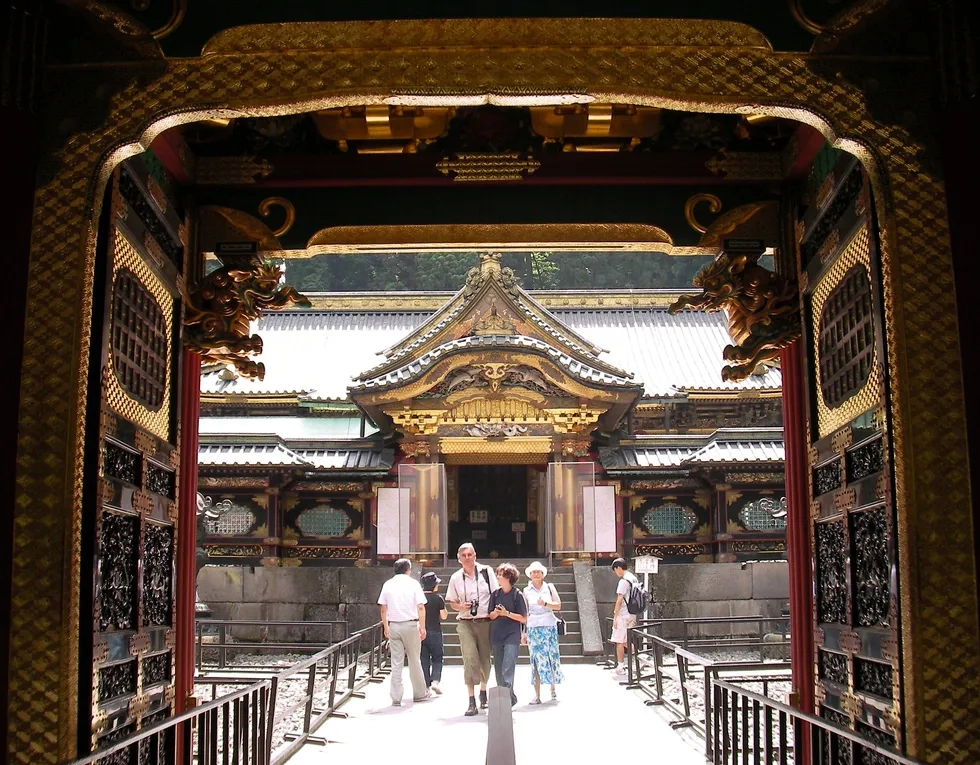 Now a World Heritage Site, this shrine dedicated to the memory of Japan’s most powerful shogun, Tokugawa Ieyasu, is the nation’s most elaborate and opulent, covered in 2.4 million sheets of real gold leaf. It’s gorgeous and almost gaudy. A must-see if you have time for a day trip outside of Tokyo.
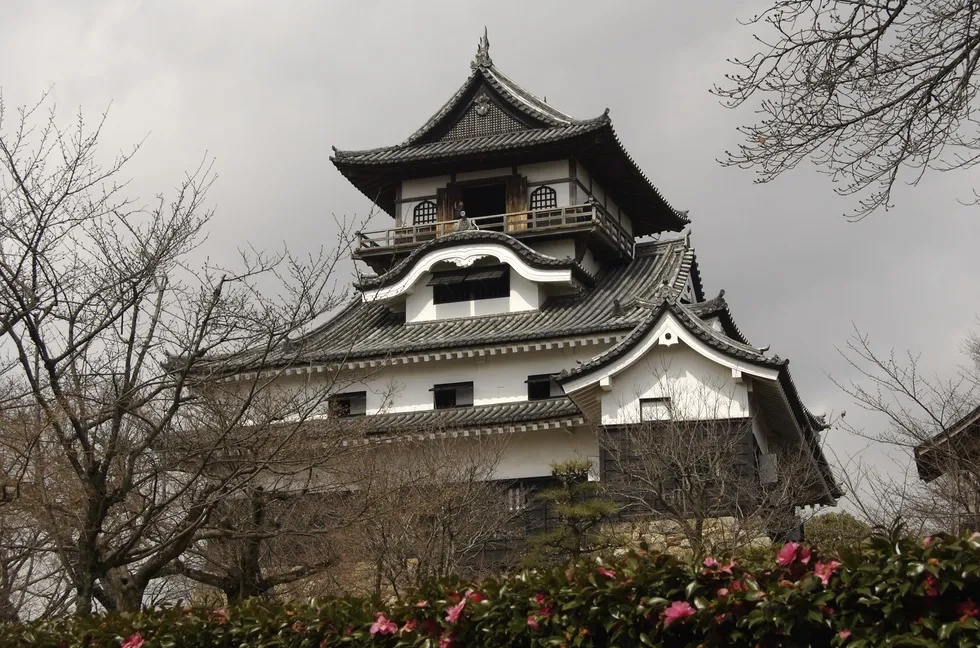 While it may not be Japan’s most famous, this 16th-century castle is Japan’s oldest—a designated National Treasure. It miraculously survived centuries of earthquakes and other calamities, making it one of only 12 castles to survive into the modern era. Constructed atop a bluff (as most castles are), it offers beautiful views of the Kiso River.
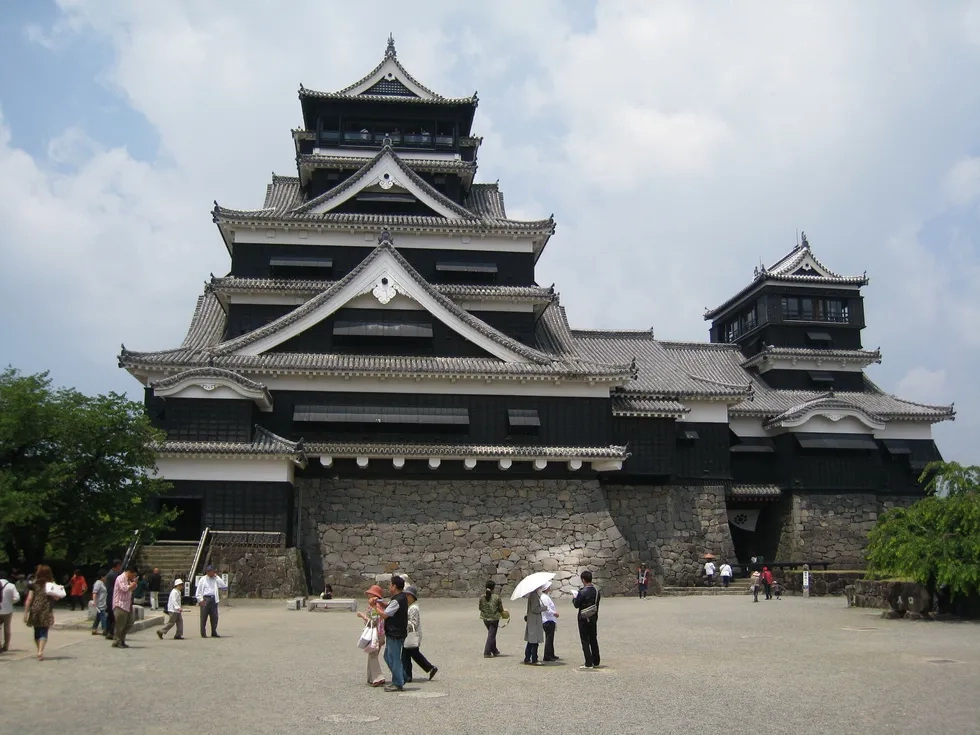 This imposing structure, used as the setting for Akira Kurosawa’s Ran, features an excellent example of castle design: steeply sloping ramparts with overhangs, designed to keep intruders at bay. They’re called musha-gaeshi—“warrior-stoppers.” How's that for a succint description? We also like this castle because of its proximity to the Hosokawa Mansion, giving you a one-two introduction to how samurai lived.
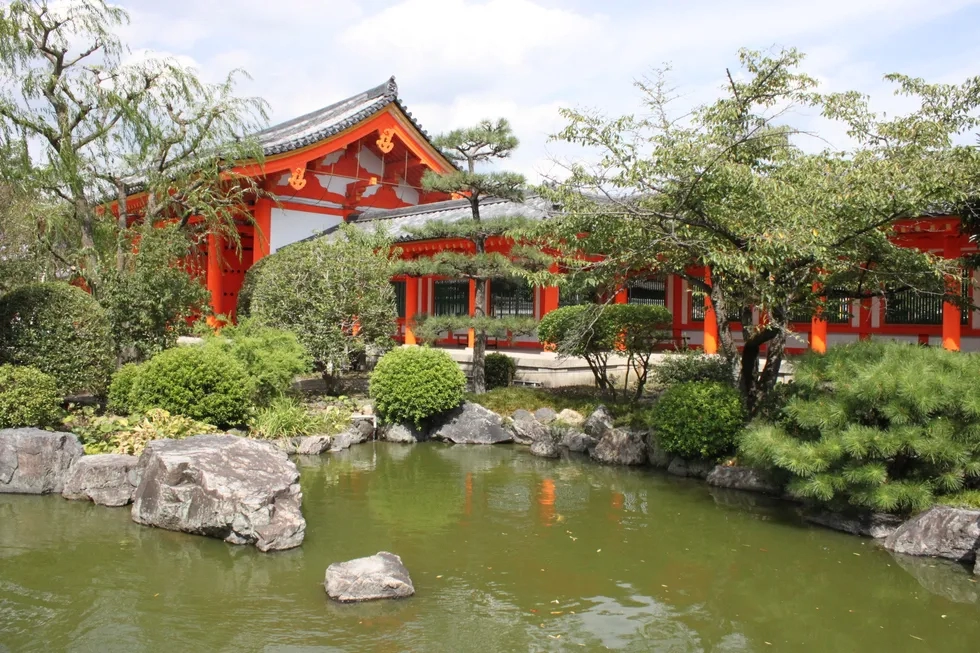 The display is stunning: an ancient wooden hall filled with more than 1,000 life-size wood-carved effigies of Kannon, the goddess of mercy. According to tradition, everyone who visits can always spot a statue with a face that resembles their own.