

NYC & Company
How fast the time flies during a visit to New York City! With so many sightseeing and entertainment options—including some of the world's most important historical and cultural attractions as well as unparalleled shopping, dining, nightlife, and people watching—the job of organizing a day of touring can be a daunting task. If you have limited time in New York, you have our condolences. When you're done kicking yourself for questionable planning, you can try out the following itineraries for cramming the Big Apple's most iconic sights into just one, two, or three days.
And for a deeper dive into all that the city has to offer, check out Frommer's EasyGuide to New York City.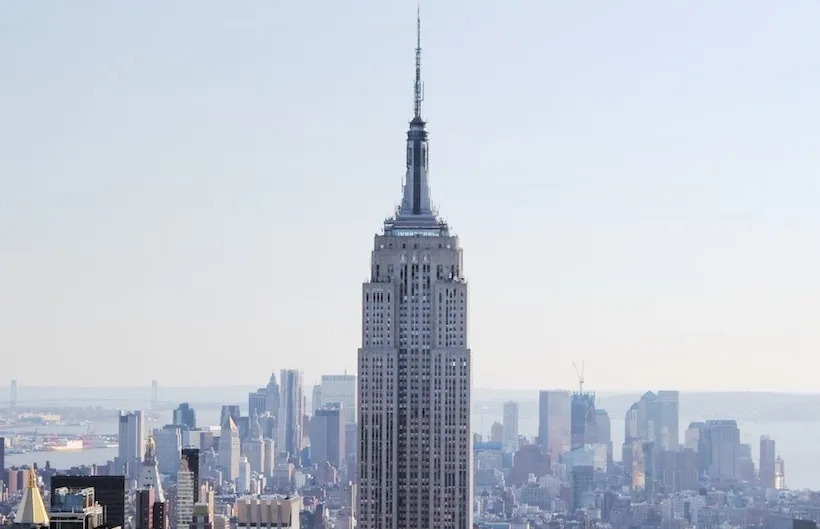 There's no better introduction to New York than a visit to the Empire State Building. Located at the apex of the city's skyline, both literally (at 102 stories and 1,454 ft./443 m.) and figuratively, the view from the building's Observation Deck is at once instructive and exhilarating. From your King Kong's-eye perch, orient yourself geographically and see, with clarity not possible on the ground, the miracle of Manhattan, that runt of an island that couldn't get much longer or wider and so did what no other city before it had done and expanded to the skies, becoming a dense, pulsating metropolis of boxy towers set on a painfully narrow strip of land. Show up at the Empire State Building first thing in the morning, and you'll skip the long lines.
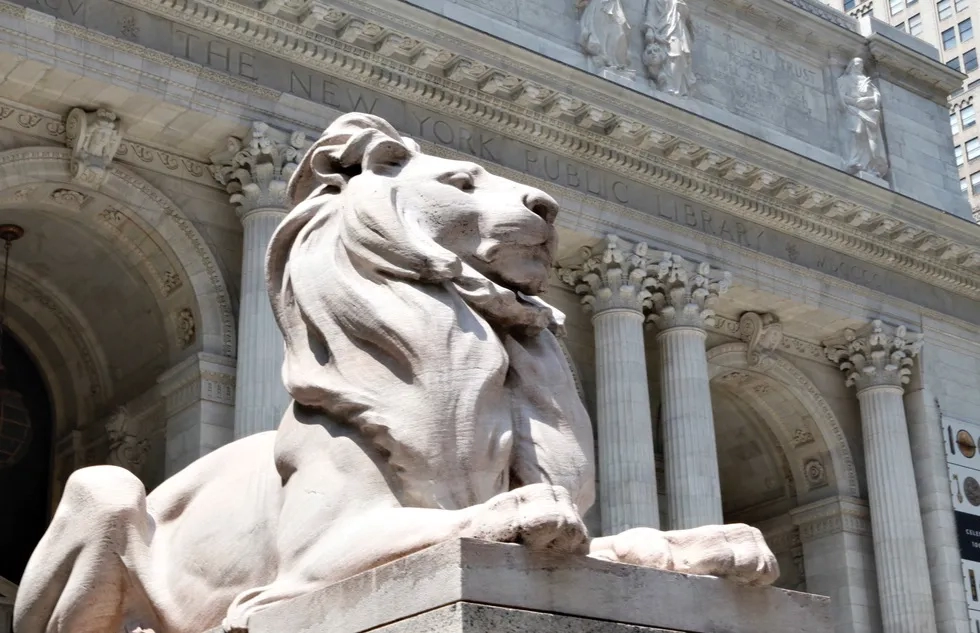 You'll recognize the New York Public Library—arguably the finest Beaux Arts building in the United States—by the famous lion sculptures guarding the entrance. Step inside to see the grand interior (admission is always free) and exhibits drawn from the library's vast collections. Displays cover a variety of topics, such as children's books, photography, and notable figures in the city's literary history. Don't miss the Lionel Pincus and Princess Firyal room, which houses one of the most extensive collections of maps you'll find anywhere.
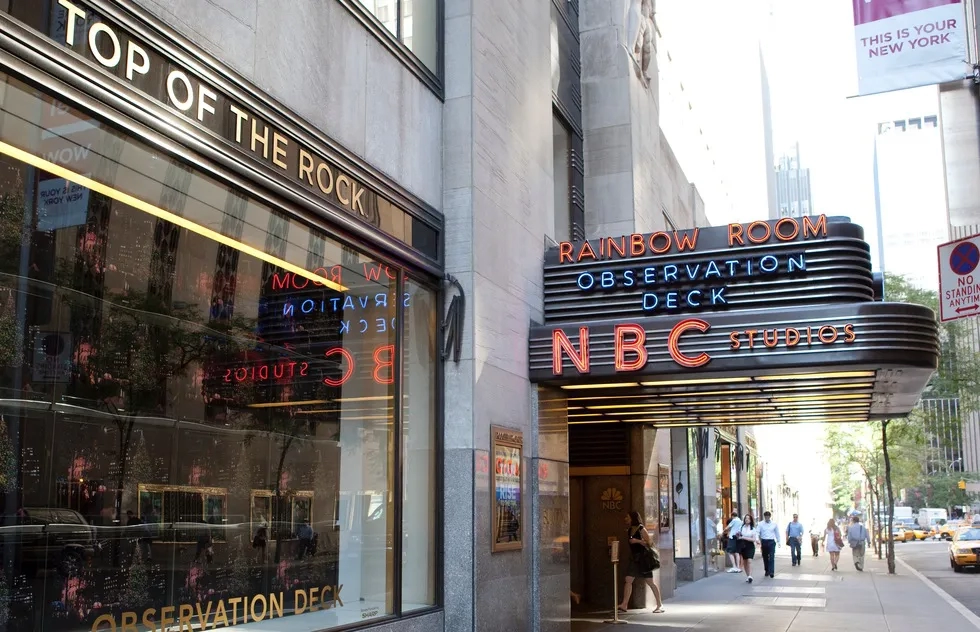 Unique among the country's office buildings, Rockefeller Center packs a wallop—partly because of the harmony and grandeur of the complex's Art Deco skyscrapers and partly because there's always so much to see and do. You may only have time to stroll around, or if you're here in the right season, you could go ice-skating below the massive Christmas tree. Tours of Radio City Music Hall and NBC Studios are also worthwhile. If you skipped the observation deck at the Empire State Building, consider heading to the Top of the Rock at its summit instead.
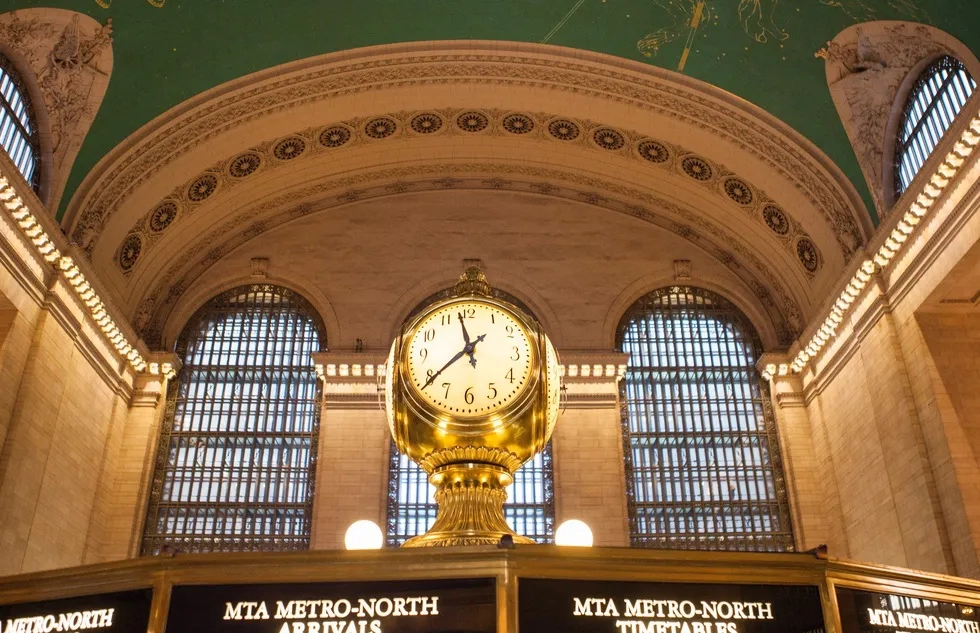 Before stepping into Grand Central Terminal, take a look east toward Lexington Avenue and up, up, up to see the jaunty, scalloped spire of the Chrysler Building. Then enter the terminal, one of the most justifiably famous train stations in the world. If you have time, take the audio tour (for sale at windows marked "GCT Tour" or downloadable to your smartphone) for insights into the building's architecture and decor. For lunch, head downstairs to the Oyster Bar for seafood or to the food court in the basement. There should be options for everyone.
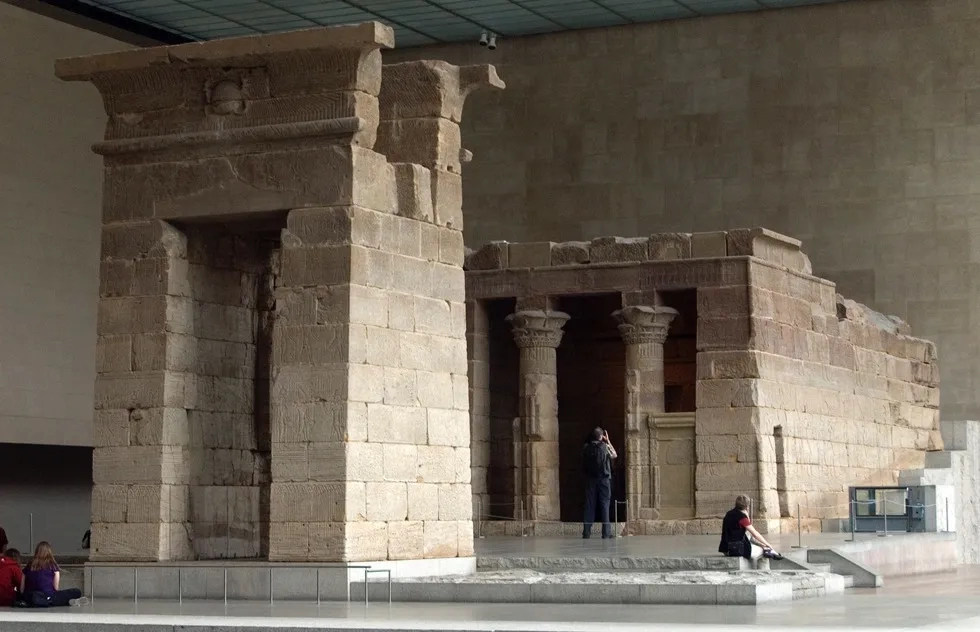 At 1.6 million sq. ft. (149,000 sq. m.), the Metropolitan Museum isn't only the biggest museum in the city—it's the biggest one in the Western hemisphere. On view are masterworks from nearly all the world's cultures, from Egyptian temples (pictured) to ancient Greek statuary to Islamic carvings to Renaissance paintings to Native American masks to 20th-century decorative arts. Obviously, there's no way to see it all in one, two, or even five visits. But for a quick overview, take one of the hour-long, scholarly Highlight tours led by volunteer docents. The tours are free with admission and offered five times a day.
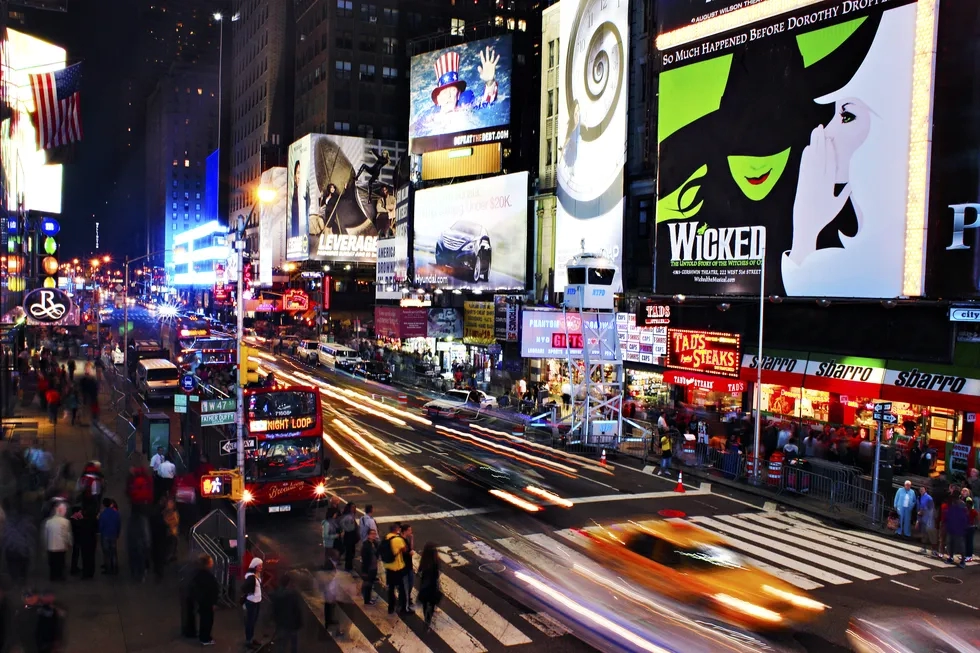 Try to get your first glimpse of the eternally hectic Crossroads of the World after the sun has set and the lights are glittering. Otherwise, it looks a bit, well, tawdry. But when it's aglow and the crowds are pulsing, Times Square can feel like the most exciting place on the planet. Hopefully you've gotten theater tickets in advance to enjoy the perfect capper for your day on the town.
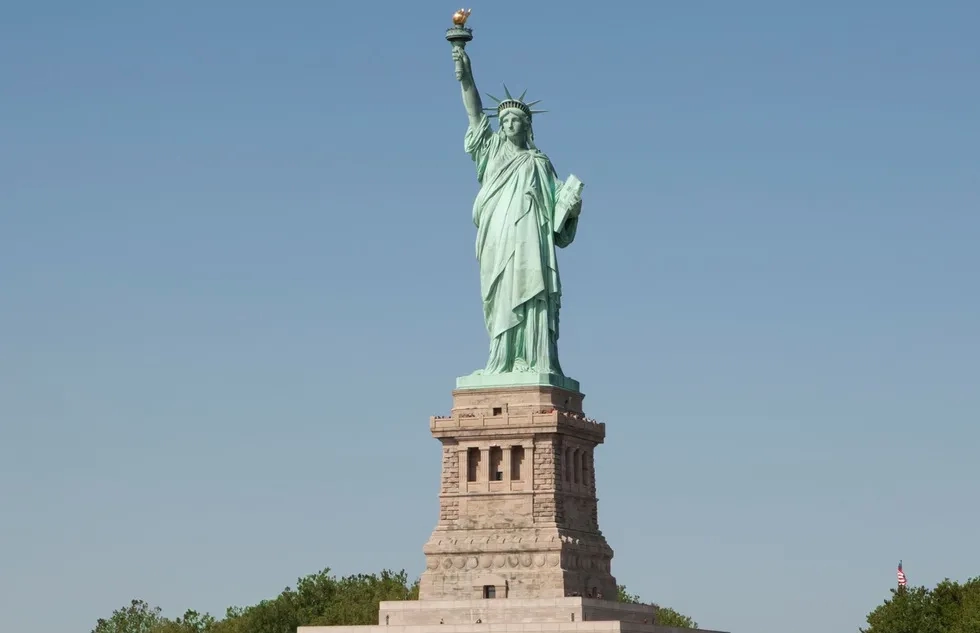 Whether or not you'll be able to tour these symbols of American promise depends on how early you can get to the ferry terminal and how large the crowds are. If you bought advance tickets, by all means pay your respects to Lady Liberty up close on her island. But if the stars aren't aligned or you miss the first ferry of the day, take in the view of the statue from the ferry (without disembarking) and spend the bulk of your time at Ellis Island, the portal to the New World for millions of immigrants. With elaborate exhibits telling the stories of those who came to the United States seeking better lives, it provides the more compelling visitor experience of the two.
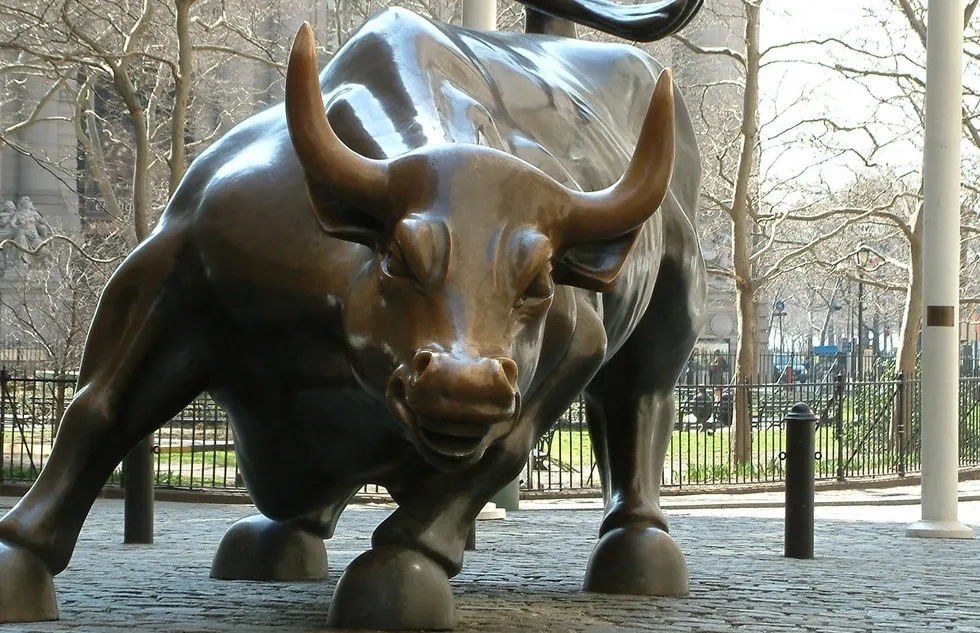 Back on the isle of Manhattan, walk uptown to the Financial District. Along the way you’ll see structures such as Castle Clinton National Monument in Battery Park—a re-creation of a fort built in 1808 to defend New York Harbor against the British—and the impressive U.S. Customs House, where you'll find the Museum of the American Indian. Swing by nearby Bowling Green Park to stare down the Charging Bull statue (pictured). Once on Wall Street, stop for a photo op at the Federal Hall National Memorial, on the site where George Washington took the oath of office as our first president (his statue is in front), and the New York Stock Exchange, across the street. Unfortunately, the Exchange is no longer open for tours.
For a quick but gourmet lunch, food courts are your best option. At 101 Liberty Street, a block east of the 9/11 Memorial, is Eataly, which has a wondrous array of Italian specialties, from pasta to sophisticated panini sandwiches. Second choice is Hudson Eats at Brookfield Place, which is right across the street from the entrance to the 9/11 Memorial. This food hall features outposts of some of the city's best comfort food joints, including Mighty Quinn’s BBQ, Chop't, and Parm. Be sure to get advance tickets to the National September 11 Museum because the line for day-of-entry admission can be long (and that’s on top of the 20 minutes it takes to get through security). Still, the opportunity to pay your respects, and to see the moving displays and 8-acre waterfall memorial (pictured), is not to be missed. The underground complex's heart is an exhibition that mixes video, audio, wall text, and poignant artifacts—burnt-edged papers that fluttered from the Twin Towers, children's clothing recovered from Flight 93—to tell the personal stories of those who experienced the event. Expect to spend at least three hours here.
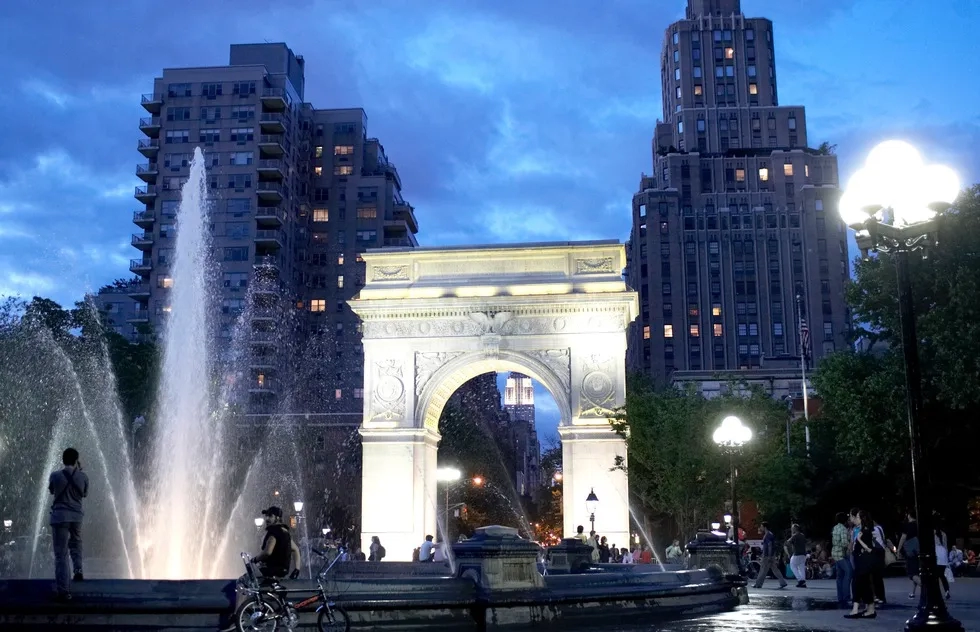 As the sun starts to set, head to this carnival of a park, where street musicians always perform and crowds of Greenwich Villagers and N.Y.U. students gather. Spend some time people-watching here before heading somewhere in the vicinity for dinner—the restaurants downtown and in Brooklyn are the best in the city.
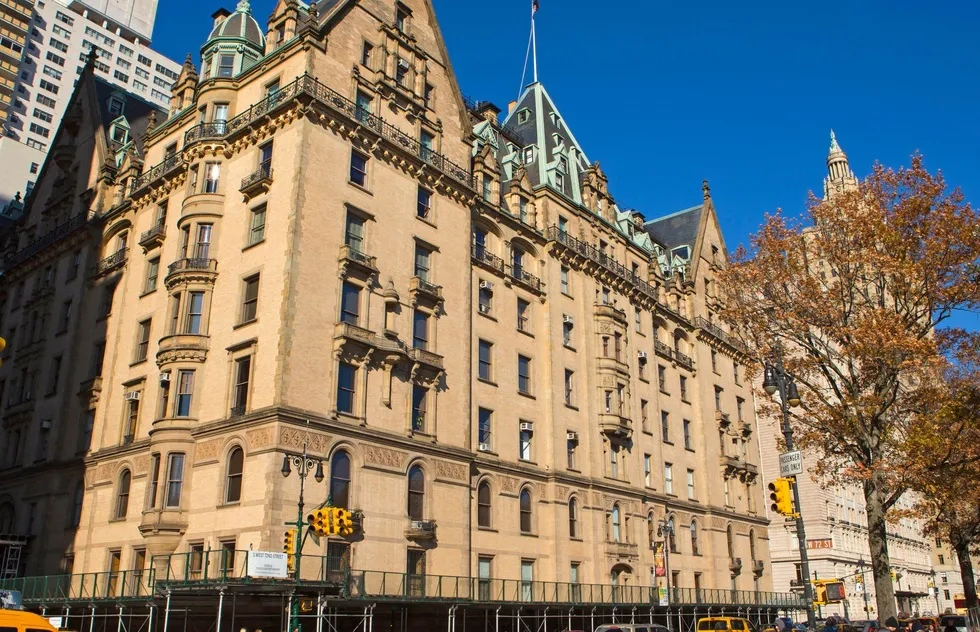 Start your morning in front of this 1884 French Renaissance−style apartment building at the corner of 72nd Street and Central Park West. The Dakota is a pilgrimage site—this is where John Lennon of the Beatles lived (his widow Yoko Ono still calls the place home), and where he was shot and killed in 1980. After you've seen the Dakota, head across the street to Central Park and into Strawberry Fields, a grove named in honor of the Fab Four. Fans often gather here to leave flowers and play music in tribute.
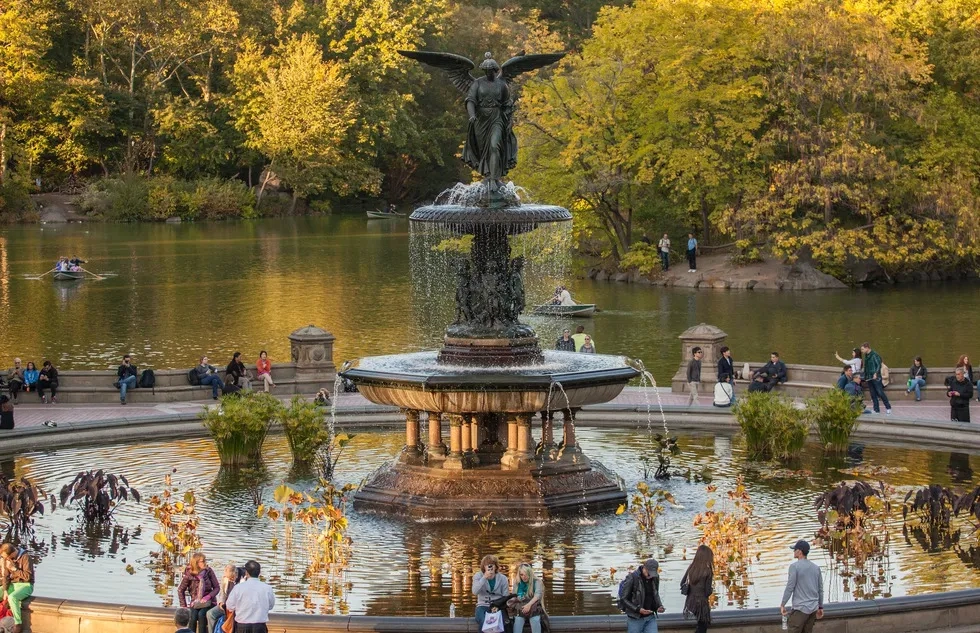 From Strawberry Fields, wander deeper into Central Park, Manhattan's 843-acre backyard. Designed by Frederick Law Olmsted and Calvert Vaux in the 1850s, this leafy, entirely manmade oasis pulls together pastoral meadows, dense forests, and wide promenades for strolling and bicycling. For an overview, you can take one of the Central Park Conservancy’s terrific tours—head toward The Dairy if that’s your plan. In any case, expect to spend the rest of the morning exploring.
For a quick and indulgent lunch, head west out of the park and grab a burger and milkshake at one of the original locations of Shake Shack, at 77th Street and Columbus Avenue, across from the Museum of Natural History.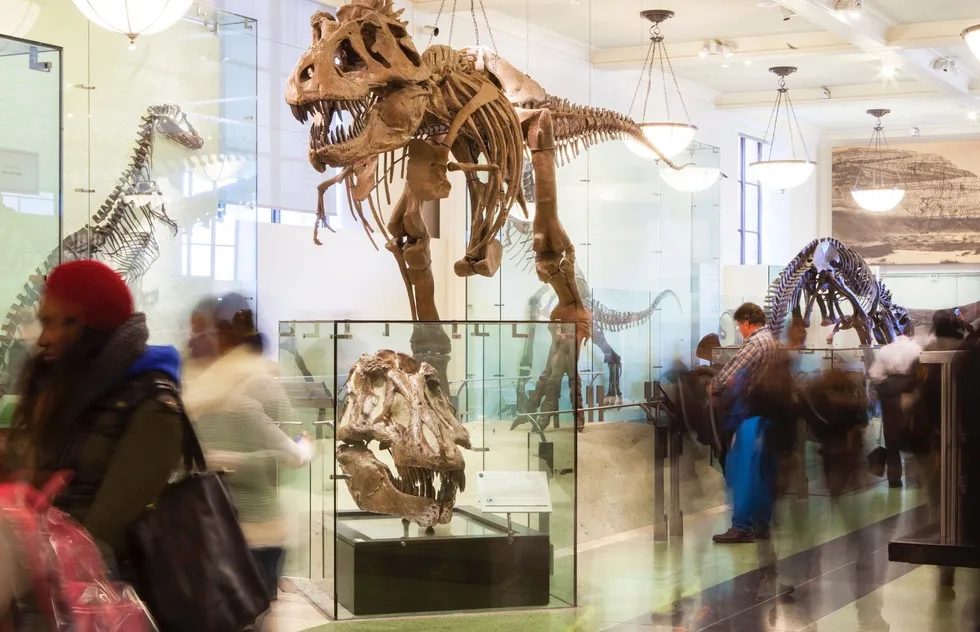 Next, head across Columbus Avenue to one of the country’s great science museums. Take a docent-led tour of the collection's highlights, which cover the fields of paleontology, zoology, anthropology, and astronomy. There are priceless gems on display, dioramas depicting animals and human evolution, and an enormous replica of a blue whale hanging from the ceiling. Whatever you do, don’t skip the Fossils Hall (pictured), which has the world’s largest dinosaur skeleton collection.
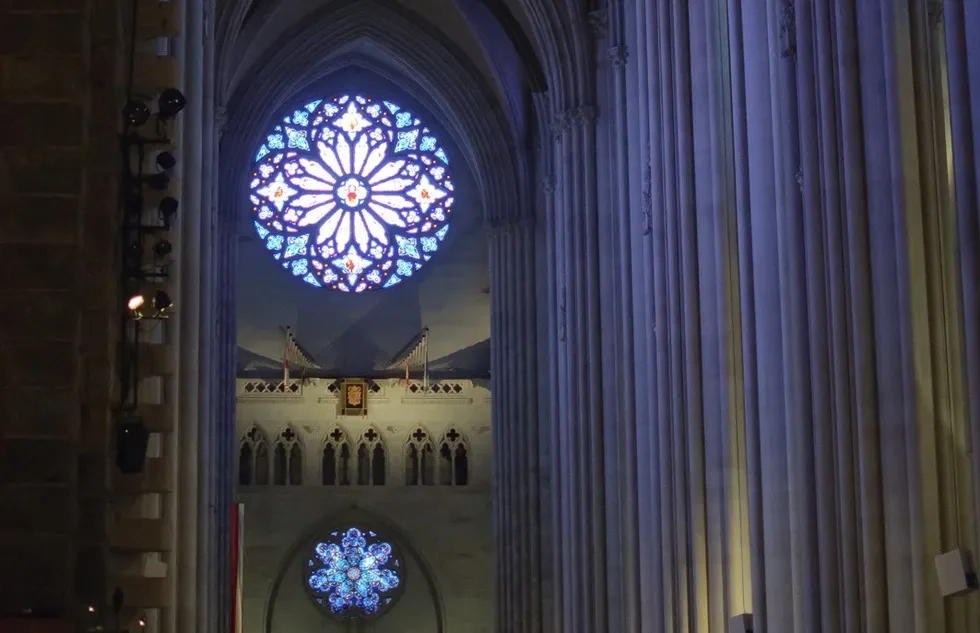 On the east side of Amsterdam Avenue at 113th Street stands the world’s largest Gothic cathedral, a sight that’s overlooked by too many tourists. Construction began in 1892, but because the builders are using medieval techniques, work is still unfinished. Tours are offered of its spectacular interior (pictured), but you can also see it on your own.
And for a deeper dive into all that the city has to offer, check out Frommer's EasyGuide to New York City.
For a quick but gourmet lunch, food courts are your best option. At 101 Liberty Street, a block east of the 9/11 Memorial, is Eataly, which has a wondrous array of Italian specialties, from pasta to sophisticated panini sandwiches. Second choice is Hudson Eats at Brookfield Place, which is right across the street from the entrance to the 9/11 Memorial. This food hall features outposts of some of the city's best comfort food joints, including Mighty Quinn’s BBQ, Chop't, and Parm.
For a quick and indulgent lunch, head west out of the park and grab a burger and milkshake at one of the original locations of Shake Shack, at 77th Street and Columbus Avenue, across from the Museum of Natural History.