

Buffalo had it all. Midway through the story of America, this city on the western edge of New York State had more millionaires per capita than anywhere else in the country. Think of it as the Silicon Valley of the Gilded Age: Industry and big tech boomed and the brightest minds came to cash in on the new ways of doing things. There were mansions, there was novel art and architecture, and there was even the world's first permanent movie theater. For goodness' sake, Buffalo gave the world instant coffee and air conditioning—two things that make life bearable!
By mid-century—as in many of America's Rust Belt towns—it had all come crashing down. But although wealth and industry might have passed Buffalo by, the city isn't mourning what used to be, but learning to celebrate it again. As Buffalo redefines itself for the current age, is it worth another look from travelers?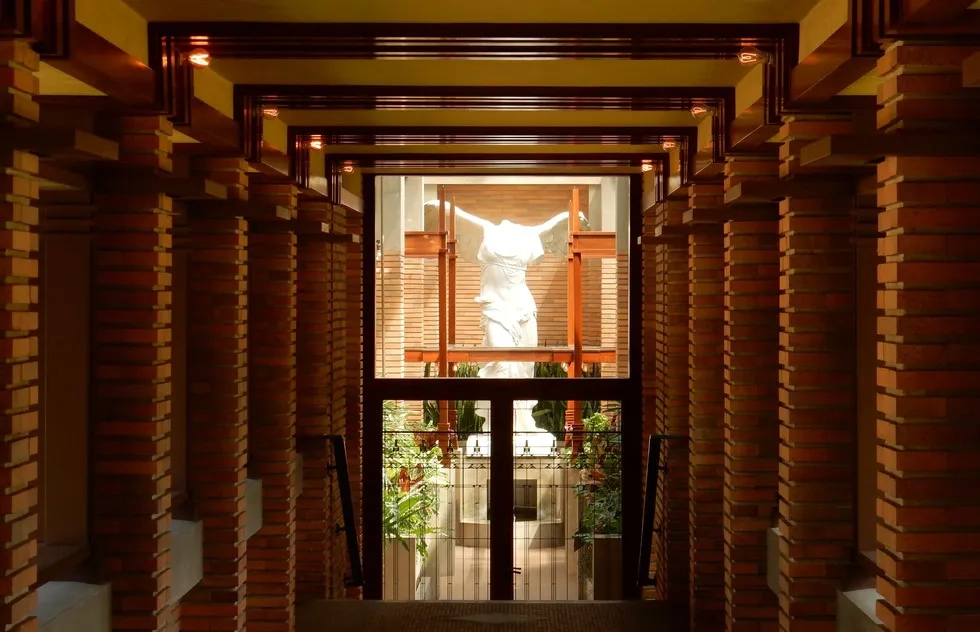 Not everyone travels places to check out the buildings, but what Buffalo has are architectural paragons—there are nearly seven dozen National Historic Landmarks. Downtown, you'll find the Guaranty Building, an early skyscraper by the great Louis Sullivan, who is more famous for defining the look of Chicago. In Buffalo's suburbs, there's a primary tourist draw in the Martin House Complex, which Frank Lloyd Wright executed for one of the few clients he actually liked—mostly because he was allowed to do whatever he wanted. On one single plot, visitors will find a guest house, a stable, gorgeous servant's quarters (Wright thought the poor should live with beauty, just like the rich), and a stunning conservatory (pictured).
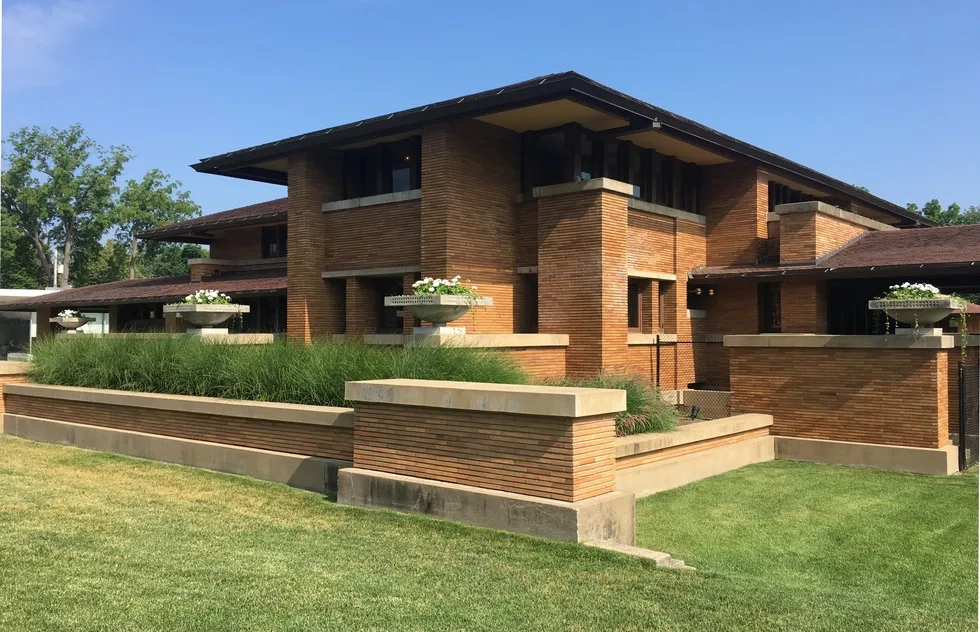 But it's the stunning master home, with its wisteria motifs in glass, sunburst tile fireplaces, and identical globe light fixtures, that introduces a visitor to just how fine the living was in peak Buffalo. A $50 million restoration will wrap up in 2017, the 150th anniversary of Wright's birth. If you want to see the interior (and you do), you must book a tour. Buffalo went through a long period when its riches were dispersed or destroyed, but plenty is left, and it's fun to watch the city revel in embracing all the things that make its history so lush. In the case of the Martin House, that has meant tracking down the owners who bought lost pieces of the home and either re-installing or replicating the originals.
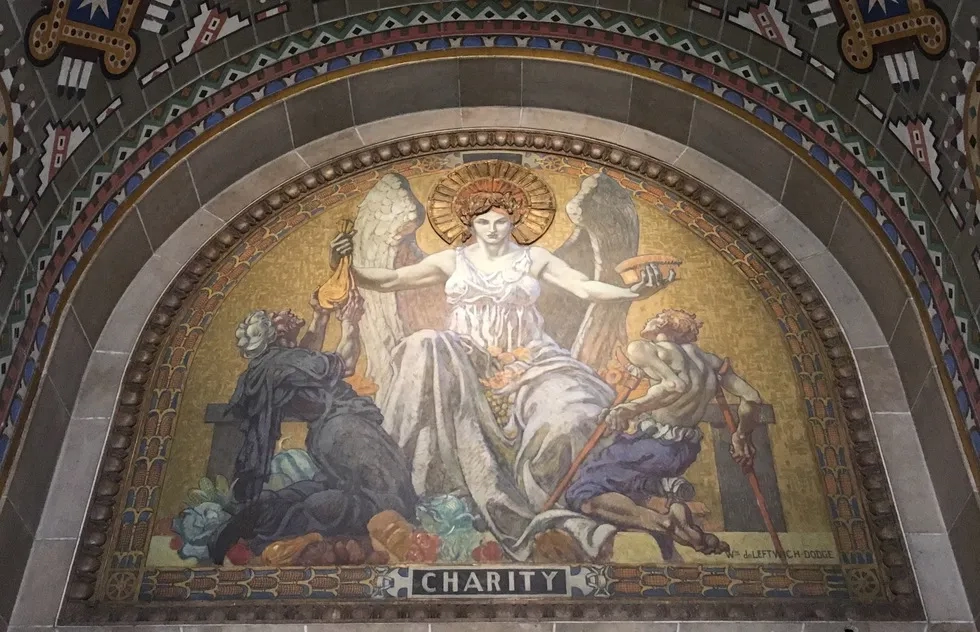 Buffalo's City Hall, a 32-story masterpiece combining Art Deco ebullience with Iroquois Indian motifs, broke ground in September 1929, a month before the Wall Street Crash that precipitated the Great Depression. When the building opened in 1931, a tower that had been intended to proclaim industrial prowess instead became an elegy to a better age. By the 1950s, the Saint Lawrence Seaway opened, diverting the flow of goods that had made Buffalo such a manufacturing powerhouse, and as a consequence the population dwindled. The city may have contracted, but its civic building still proclaims might and power. Free tours are given Monday through Friday at noon.
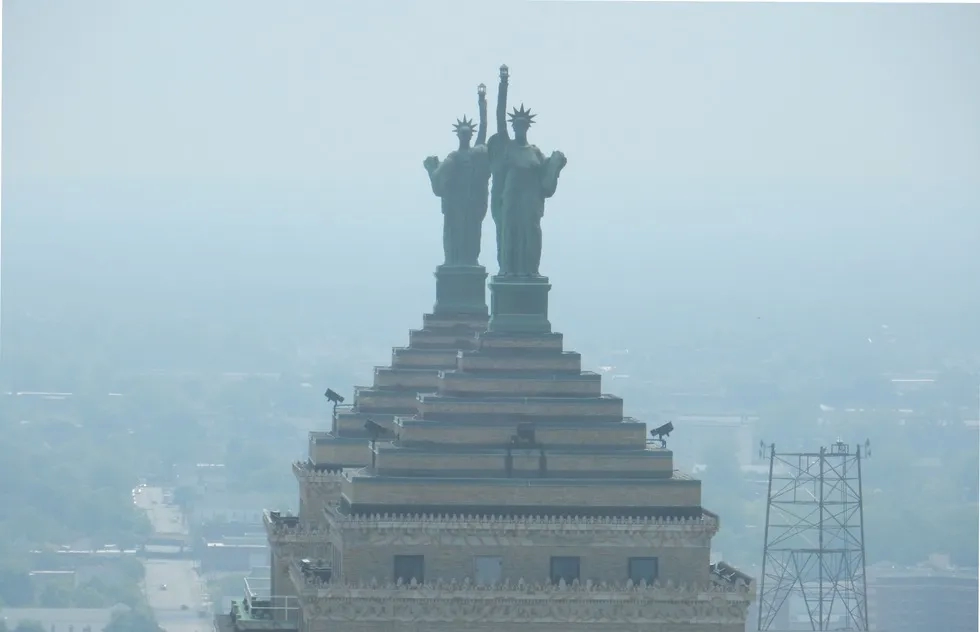 If you're a fan of civic design, Buffalo can feel like the Rip Van Winkle of cities—it fell asleep during its glory days and could easily spring back fully to life. City Hall is just one of the magnificent frozen-in-time relics left behind by the boom years. Ascend to that building's 28th floor for its free, 360-degree observation deck overlooking Lake Erie and the city, and you can discern the radial road pattern that promised, for a while, to imbue the suburbs with Parisian style. Buffalo is still adorned with roundabouts, tree-lined avenues, and fountains that figured into a beautification plan. From the observatory on a clear day you can see the mist of Niagara Falls or even the CN Tower in Toronto, 60 miles away. Seek out also the twin versions of the Statue of Liberty placed atop the nearby Liberty Building in 1925. One faces west and the other east. That's how Buffalo saw itself in the '20s—as the gateway to the West and the nexus of American trade. In a lot of ways, it was true.
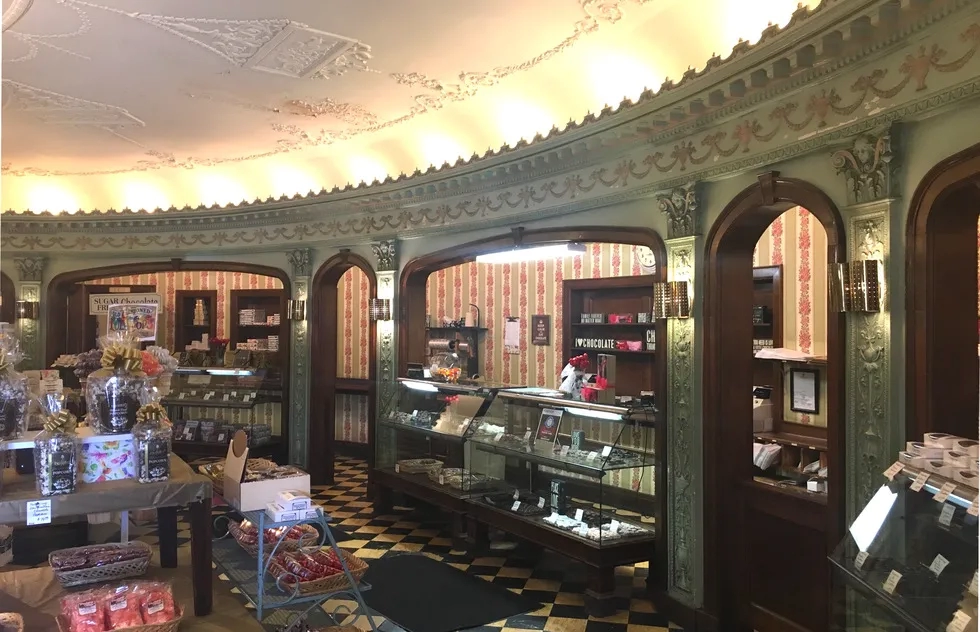 One of the benefits of missing out on most of the postwar boom is that the city is still full of old-fashioned traditions that developers never saw much financial interest in bulldozing. Parkside Candy, a beloved confectioner, is as much a jewel box today as it was when it opened in 1927. Its speciality (as it is for every chocolate maker in these parts) is homemade "sponge candy," a chocolate-covered honeycomb delight—all Western New York State grandparents grew up on it—that seems to have supplied the inspiration for the Cadbury Crunchie bar. Unlike some regional favorites, this is no acquired taste: It's addictive.
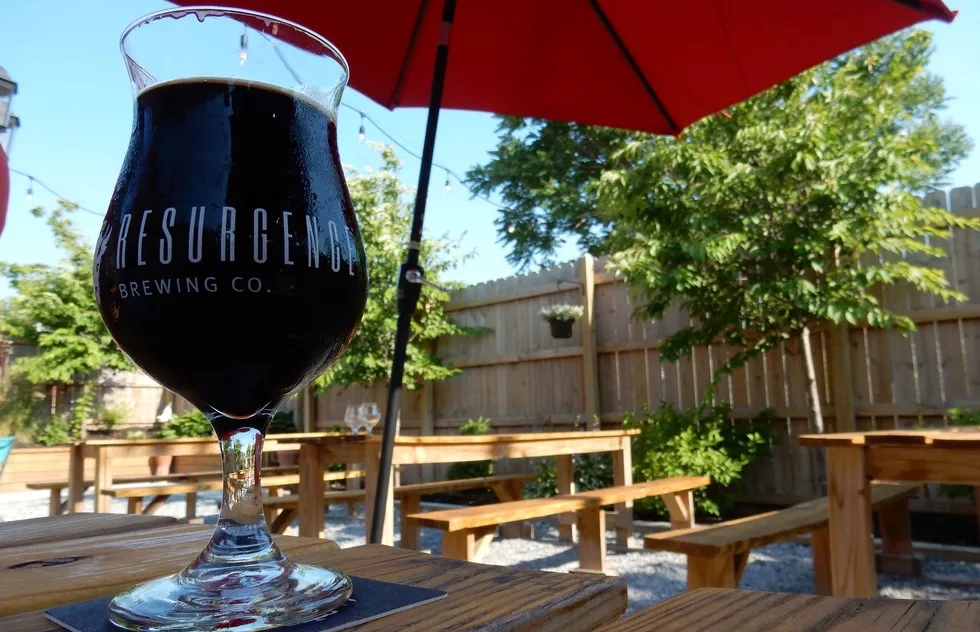 Let's just say that Buffalo residents don't share the work-all-day freneticism of, say, New Yorkers or Chicagoans, leaving plenty of afternoons free for microbrews and parlor games. This is hardly the first American city to appeal to tourists on the basis of its craft breweries (there are nearly two dozen in town). Buffalo is, however, the only place where you can find Imperial Sponge Candy Stout made from the aforementioned adored confection. Made by Resurgence Brewing Co., the beer can be enjoyed at restaurants across the area, but it's more fun to drink at its HQ near the Niagara River, where pints are paired with locally made foods, live music, and games on the cornhole board. You may lose: The beer's A.B.V. is 10%.
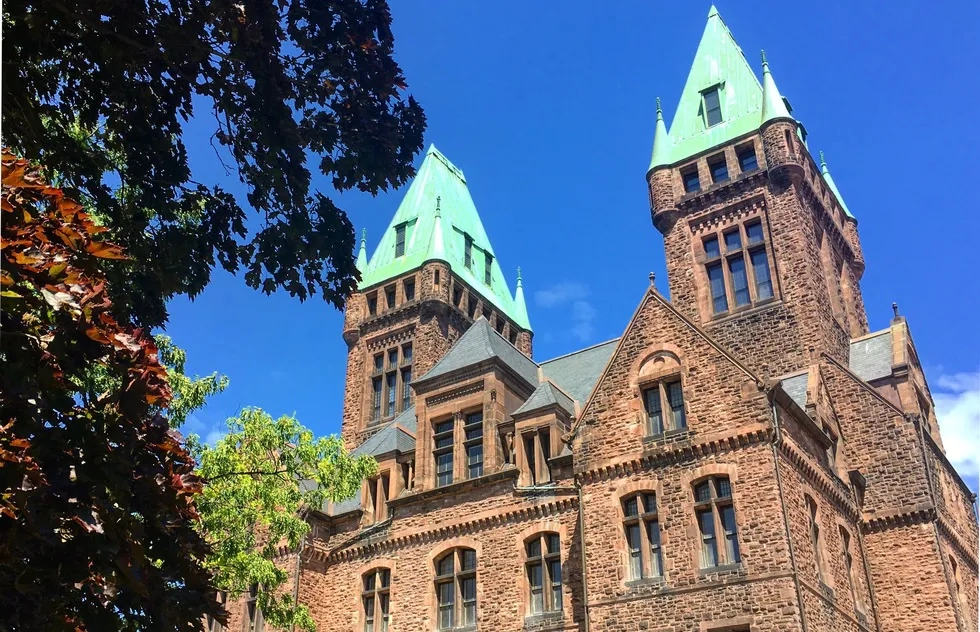 The 48-acre Richardson Olmsted Complex was established in 1870 as a mental hospital. The grounds were designed using the most cutting-edge methods by the team of Frederick Law Olmsted and Calvert Vaux. They're the guys who famously created Manhattan's Central Park out of whole cloth. But for Buffalo, they revolutionized a whole city: Their expansive system of parks and parkways put Buffalo ahead of the rest of the world in humane urban design. The lean years of the 20th century erased many of the plan's innovations and turned it into something less than an arcadian paradise, but at least a partial renaissance is upon us now that the Richardson Olmsted Complex is being turned into a boutique hotel, the Hotel Henry. It was a fight to get it done—not everyone in town is on board with embracing old things. Still, the old ideas will serve as a basis for the new at the complex's upcoming architecture exhibition center and think tank, where Buffalo could get some of its city-planning mojo back.
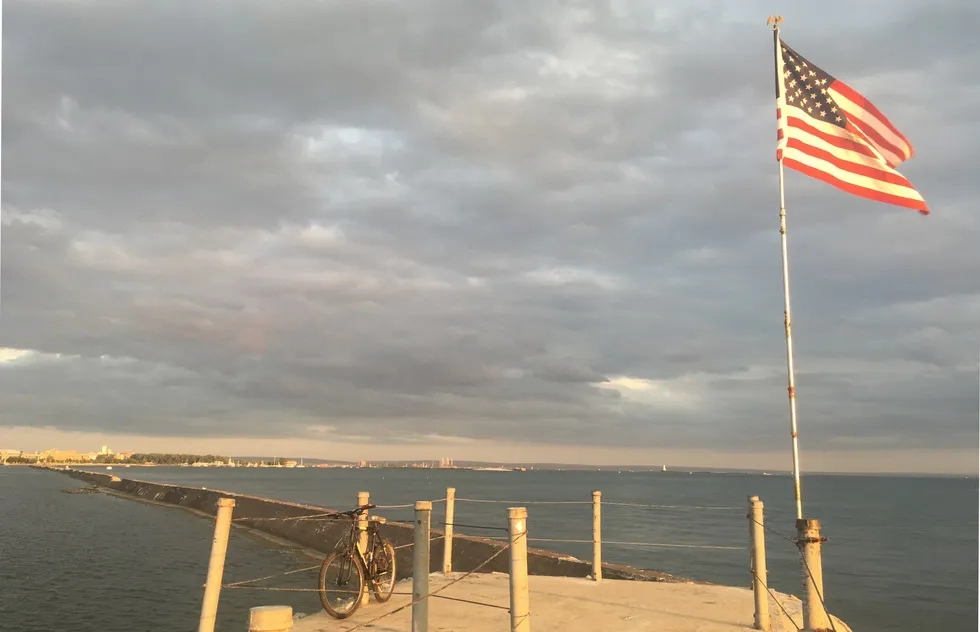 There was a time when ships and freight trains dominated the waterfront, and for years afterward, Buffalonians wouldn't think of hanging out by the lake. Today they've got Canalside, a post-industrial revitalization of the old canal basins at the Buffalo River. You might be directed to the spot by locals, who are proud that they got it built, but actually it tends to be interesting only during temporary festivals. Head instead to Unity Island at the western end of Ferry Street, right across the water from Canada, where you can stroll on the breakwater between the Black Rock Canal and Niagara River as it churns and rushes north to meet its fate on the Falls. The jetty passes a Frank Lloyd Wright-designed boathouse and pokes deep into Lake Erie.
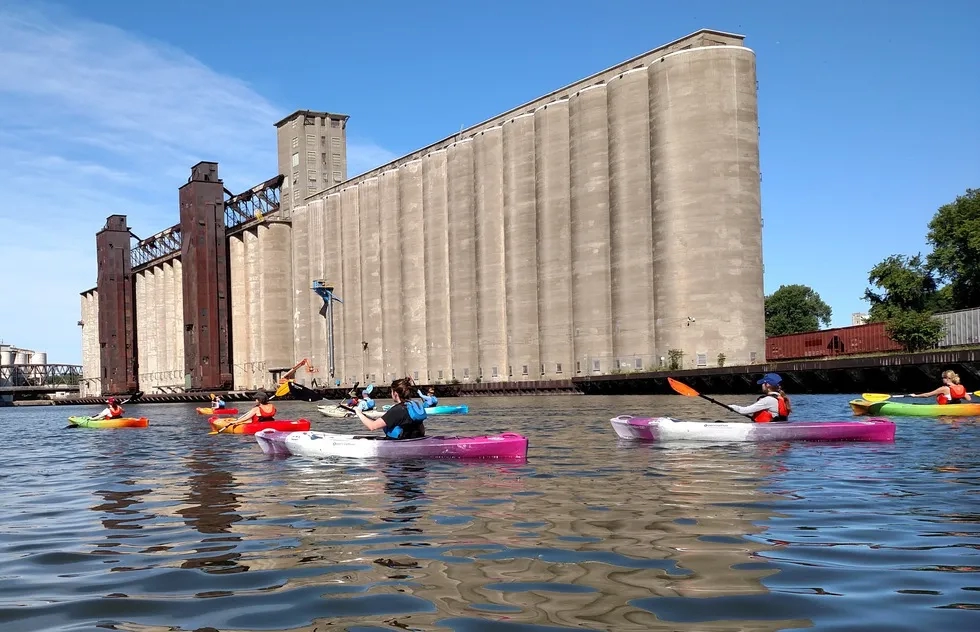 Most heavy industry left town with the westward bound ships. For generations, the sprawling warehouses and factories near the waterfront sat abandoned, with not enough population to re-use them effectively. That's changing. Larkin Square, reborn around the warehouses of the once-mighty Larkin Soap Company, is now where young Buffalo hangs out for food trucks, pubs, and breweries. The best way to see the waterways is on a kayak tour past the grain elevators of "Elevator Alley"—Buffalo once transported more grain than any port in the world—more than London, Rotterdam, or Odessa. Plan to kayak in the hours before sunset, when reddening light splashes the city from across the lake. It's bookable through Explore Buffalo, where you can also book walking tours and bus tours.
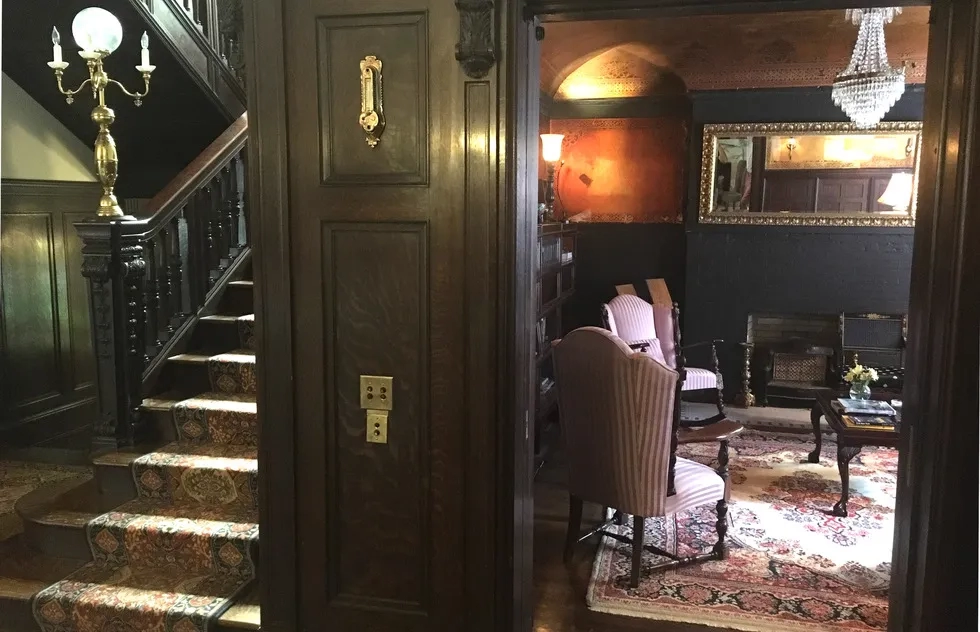 One building that's typical of the thrill Buffalo residents are getting from rediscovering the ground beneath their feet is the 1898 manse commissioned by turn-of-the-century rubber magnate H.H. Hewitt. He adorned his walls in silk, his ceilings in gold leaf and stenciling, and his windows with stained glass, but after his death, his home spent years as a boarding house. Other glorious homes were destroyed that way, but here it had the fortunate effect of covering up features rather than destroying them, and when the new owners bought the home at auction for a mere $183,000 a few years ago, they peeled away layers to reveal a time capsule of Buffalo's Beaux Arts glories. They now operate the home as the upscale and splendid Inn Buffalo, a "preservation in progress" where month by month, the finer splendors of its décor are discovered and burnished. Sit with a drink on the huge covered porch overlooking the tree-lined boulevards of Elmwood Village, a streetcar suburb from Buffalo's wealthiest years, where six-bedroom Gilded Age homes can still be purchased for less than $300,000.
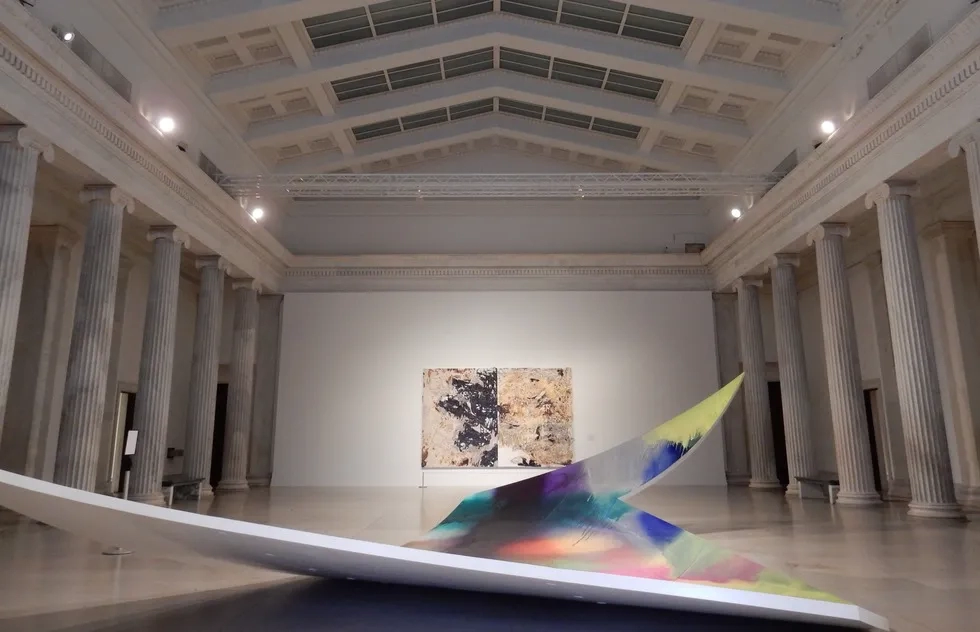 The plutocrats of bygone Buffalo showed off with more than their houses. They also set up an arts institution they could brag about: the Albright-Knox Art Gallery, which has been acquiring great works since 1890 and exhibiting them in a palatial Beaux Arts building that's periodically grafted to modern additions. As you walk the halls, you can almost visualize how, over the years, Buffalo's high society set its sights on proving its worth by purchasing paintings, year after year. There's a least one nice example from most brand-name artists since the 1800s, including Georges Seurat, Frida Kahlo, Vincent van Gogh, René Magritte, and Jackson Pollock. It makes for a scattered but still noteworthy collection and a cultured counterpoint to what many people perceive as an uncomplicated town.
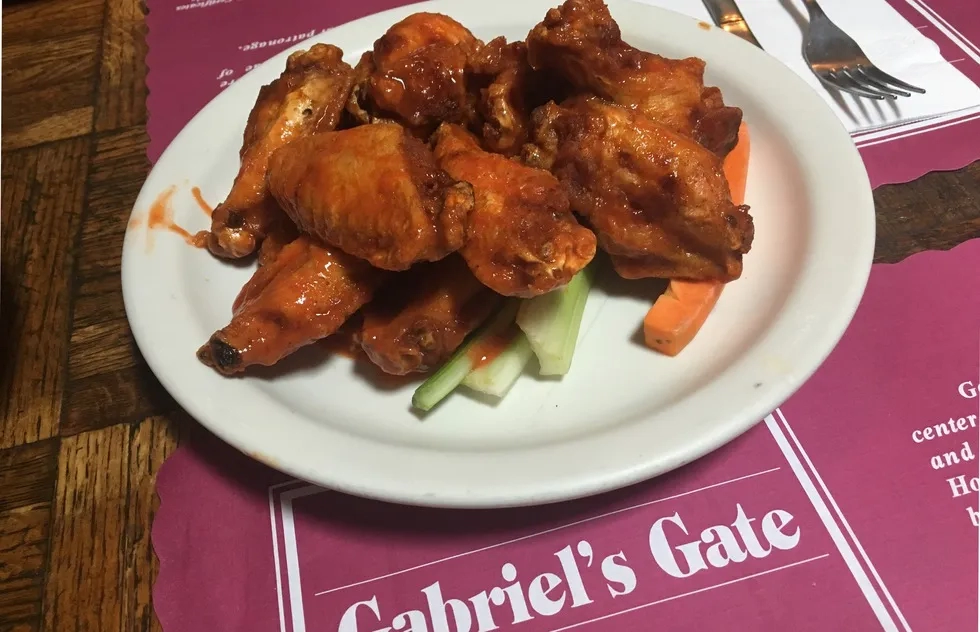 People who would never ordinarily eat junk food want to belly up to a table to sample Buffalo-style chicken wings. Tourists tend to crowd the Anchor Bar because it's famous, but locals will suggest you go to the pub-style Gabriel's Gate on Allen Street instead, where the wings are said to be better and the dining area, spread around the rooms of a former row house, is more relaxed.
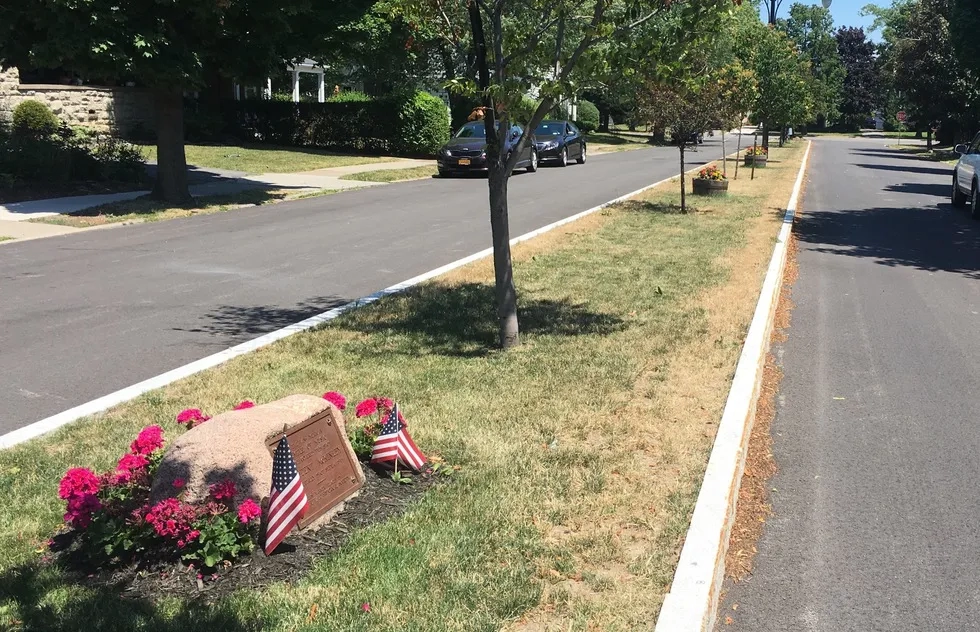 Expansionist President William McKinley survived Antietem, but he didn't survive Buffalo. He was shot in a greeting line at the Pan-American Exposition by anarchist Leon Czolgosz in the summer of 1901. Of course, it didn't happen in the median of Fordham Drive near Lincoln Parkway. This spot was then in the center of the Temple of Music, but that building was just a temporary structure made of planks and plaster, so it had to go. Authorities weren't keen on letting the location become a shrine for future anarchists—they were seen as the terrorists of their day—and plus Buffalonians were mortified that they allowed a president to be killed in their city to begin with. So the land was earmarked for development. The house where McKinley eventually expired was also demolished, although he did get an obelisk in Niagara Square, a spot he didn't have much to do with. (He was the "Victim Of A Treacherous Assassin, Who Shot The President As He Was Extending To Him The Hand Of Courtesy," it chides.) Of the places where he actually stepped, this paltry plaque is all poor Bill got. But the revolver Czolgosz used is in the Buffalo History Museum.
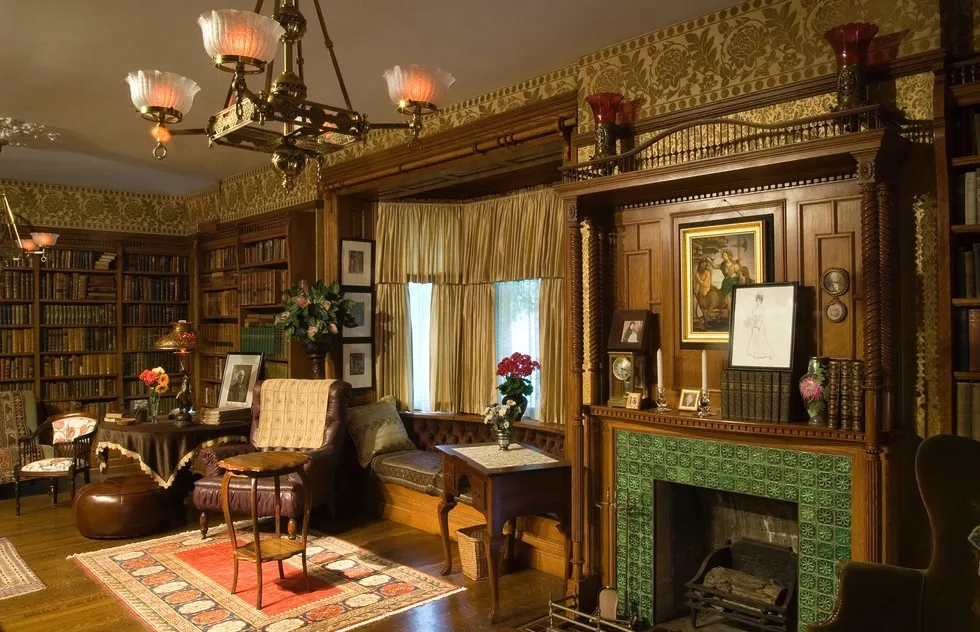 Bill McKinley's fate was TR's gain. He was inaugurated here in this library, in the house of a friend, at the spry age of 42. Like so much of Buffalo, this place was cleared away during the 20th century. The original furnishings were auctioned and for a generation, the building became the Kathryn Lawrence Tea Rooms/Restaurant, but in 1971, the fateful library was re-created as the Theodore Roosevelt Inaugural National Historic Site. The center table is the spot where Roosevelt stood for the big moment, and the chandeliers are also original. Touring is a strange experience—the docent pretends it's the morning of the hurried ceremony, asking you to imagine him sipping his coffee (the aroma is piped in), and then dives deep into assumptions of what was happening in TR's mind, with scant mention of anarchist terror—but odd theatrics aside, it's one of the city's most essential historical stops.
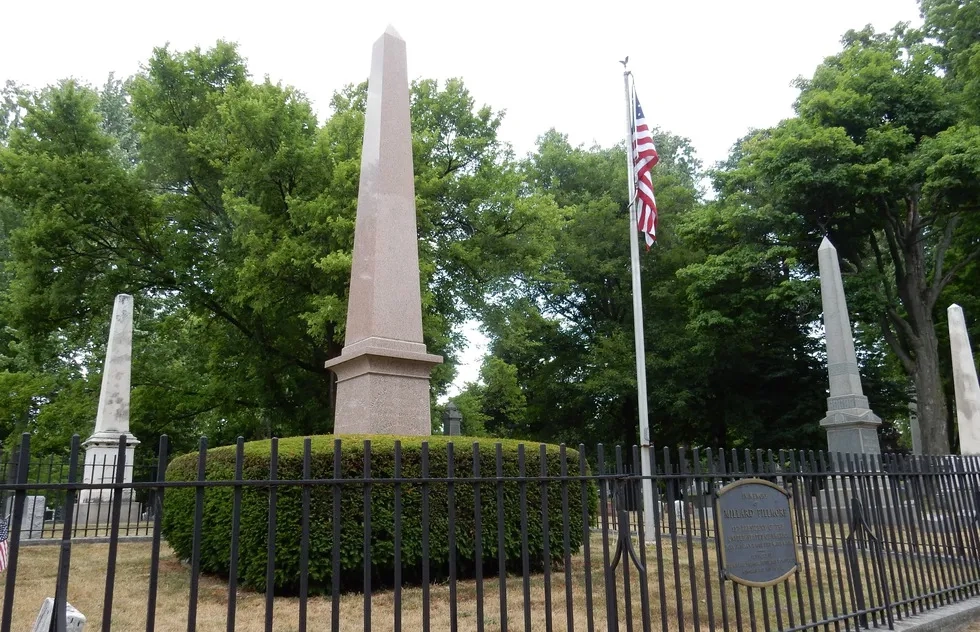 William McKinley was laid to rest in Ohio, but Millard Fillmore, U.S. president number 13 for only two and a half years, is a permanent resident of Buffalo at the 269-acre Forest Lawn cemetery, which dates to 1849. Granted, his grave won't teach you more than what you already know about this standard-issue politician, which is probably nothing. You can find out more, though, because the cemetery mounts good tours that also include visits to the resting places of Congresswoman Shirley Chisholm, soul singer Rick James, and North Pole explorer Dr. Frederick Cook.
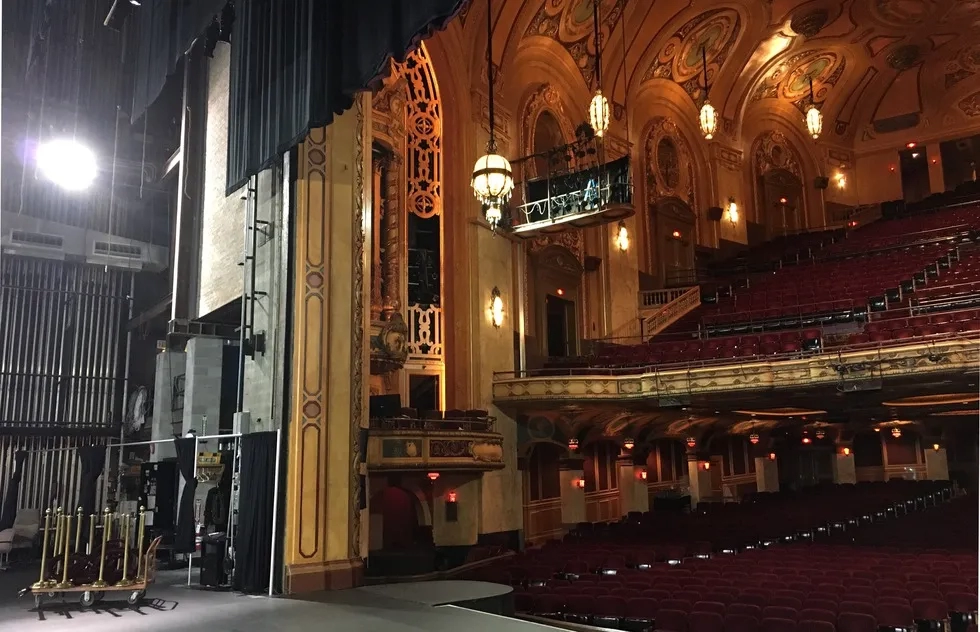 Shea's Performing Arts Center, built in 1926 and recently given an ideal restoration, has one of the last theater organs still in operation—a Wurlitzer, made right up the road in Tonawanda. It was on this stage that Frank Sinatra quit the Harry James Orchestra to join Tommy Dorsey, thus launching the career of a superstar. Now Shea's hosts a steady schedule of concerts and traveling Broadway shows, but guided tours (offered by appointment on days when there's not a show booked) explore every area, including backstage where there's still a running order signboard left over from vaudeville. Ask to see the sockets for the theater's built-in vacuum tube network, which was the latest in popcorn-sucking technology in the 1920s and still works.
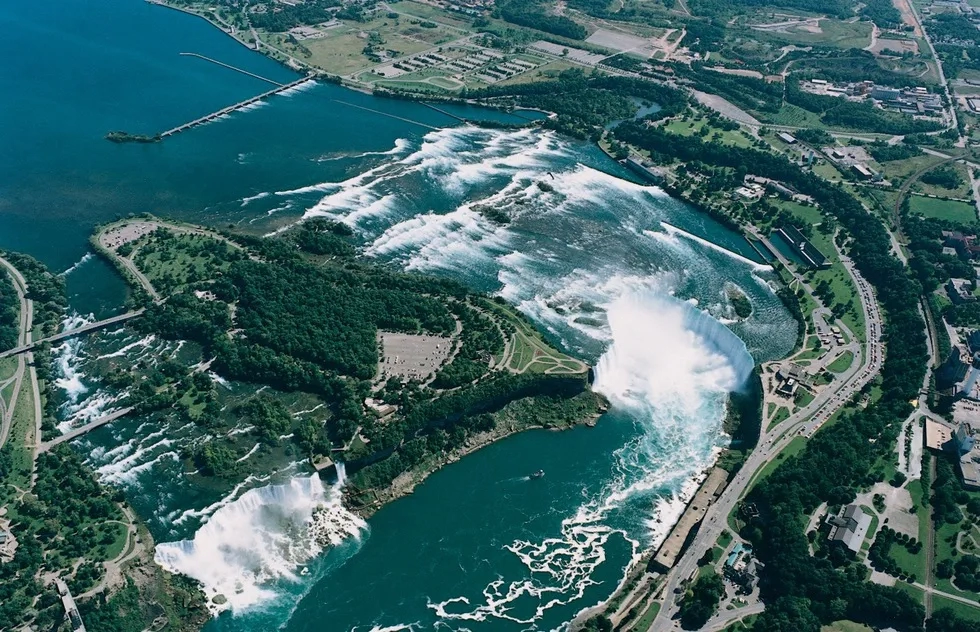 Niagara Falls, just a 20-minute drive north of the city, is one of the greatest natural wonders of North America, although its location between Canada and the United States sadly prevented the U-shaped cascade from being properly preserved as a national park. The American side is in a state park in a beat-up, ripe-for-redemption town also called Niagara Falls, which lately has put a lot more energy into constructing parking lots and casinos than into appealing to tourists. The main magnet on the American side, seen in the bottom of the photo, is the exciting Cave of the Winds route on wooden catwalks where the raging waters crash into the gorge. But have your passport ready to stroll across the Rainbow Bridge to check out the much more touristy Canadian side. Believe it or not, the falls you see today are a trickle of what nature intended: As much as 75% of the water is diverted just upstream to generate hydroelectric power. Even the 25% you see is terrifyingly beautiful.
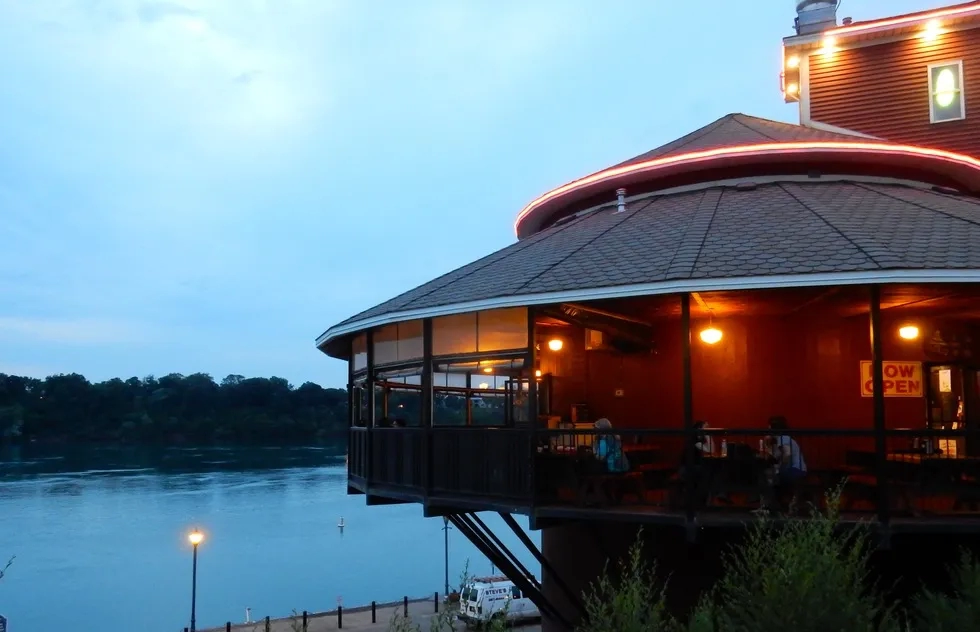 Some of the best city-based hiking in America is a few minutes' drive north of the Falls at Whirlpool State Park, where a path along the shoreline of the gorge meanders alongside furious Class 6 rapids, which no boat could survive. (Bring water, because there are a lot of steps down to the river.) A few miles downstream of the Falls, hit the Silo, in Lewiston, for a meal. Steamers used to load coal here for their ferry trips north to Toronto, but now, the old storehouse was converted to an ideal vantage point for sunset. The speciality is the Haystack, which is ribeye steak piled with melted cheese, hash browns, and mayo on a hoagie. The Niagara River flows below you even as your own arteries clog. It wouldn't be a bad way to go.
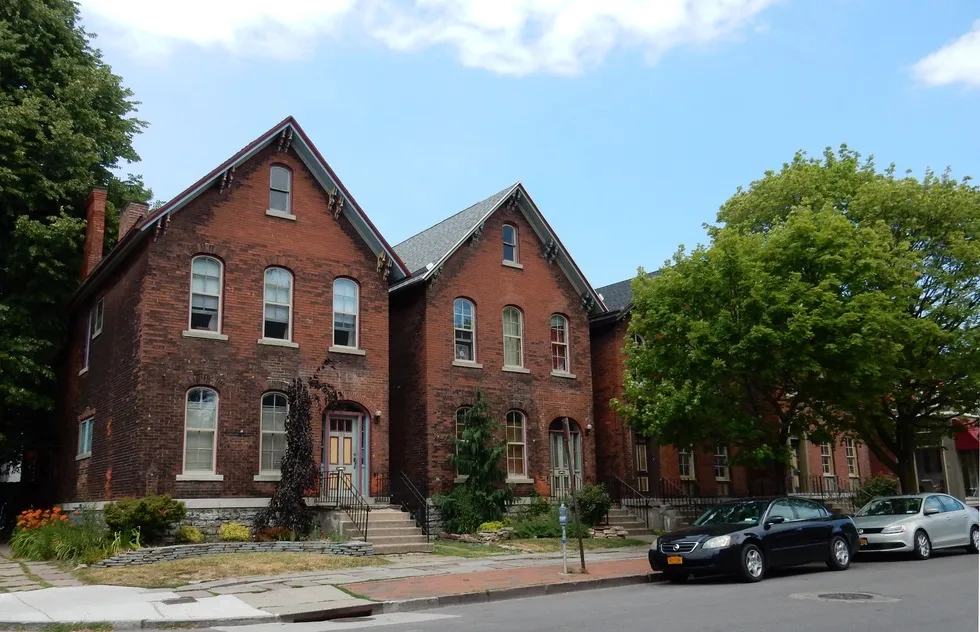 As you can imagine, young artists like Buffalo's combination of low living expenses (you can find two-bedroom apartments for under $1,000) and high passion for revitalizing old buildings. You won't tour long before meeting someone who has moved here from a more expensive city to pursue their craft. You also won't go far into a rediscovered neighborhood like Allentown (pictured), north of downtown, without encountering coffee shops papered with fliers for art exhibitions and theater pieces, or antique shops where the owners don't inflate prices but will actually let you score a bargain. Buffalo isn't quite as cool as Austin just yet—and that's what keeps it approachable.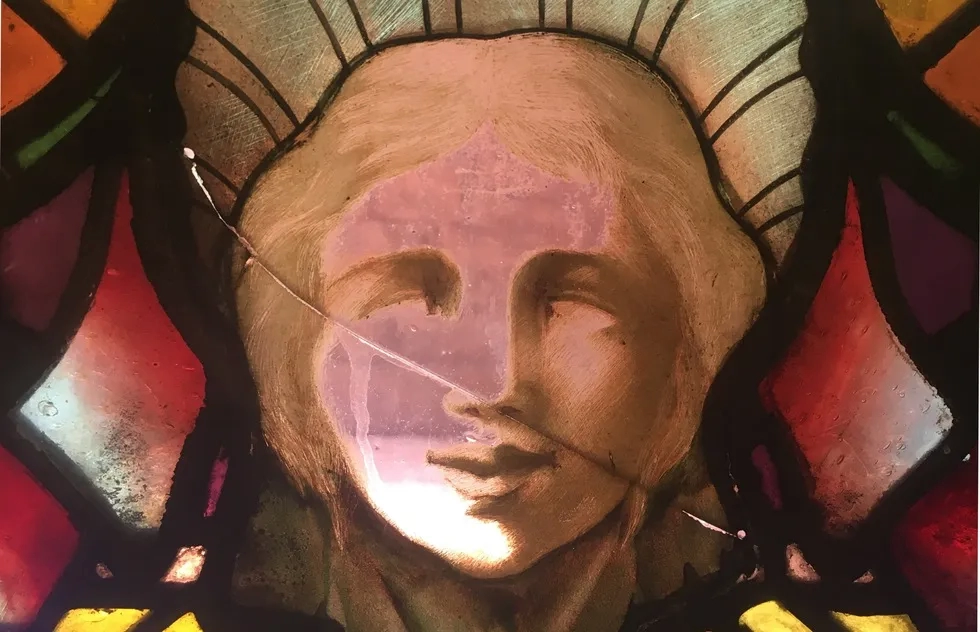
By mid-century—as in many of America's Rust Belt towns—it had all come crashing down. But although wealth and industry might have passed Buffalo by, the city isn't mourning what used to be, but learning to celebrate it again. As Buffalo redefines itself for the current age, is it worth another look from travelers?