

Tourism Shizuoka
Tokyo to Hakone to Kyoto is such a popular itinerary for first-time travelers to Japan that it’s often called the “Golden Route.” It covers the modern vibrancy of Tokyo, the historic serenity of Kyoto, and the relaxing hot spring resorts (onsen) with views of Mt. Fuji, south of Tokyo in Kanagawa Prefecture’s Hakone. But it’s not the only way to experience these sides of Japan. There is an interesting, less crowded, and still easily accessible alternative to Hakone: the eastern part of Shizuoka Prefecture, specifically Atami, Mishima, and Shuzenji.
Mt. Fuji, named a UNESCO World Cultural Heritage Site in 2013, is one big mountain (pictured). At 12,389 ft., it is the highest peak in Japan and often used as the symbol of the country. While well-trod Hakone offers one view of the iconic peak, on the other side, the Shizuoka Prefecture side, you can see the mountain sometimes in even more brilliant light. For this reason, Shizuoka even calls itself “The Home of Mt. Fuji.” Therefore, instead of taking the Kodama Shinkansen bullet train to Odawara Station in Kanagawa Prefecture, like everyone else does, use your JR Pass (here’s information on how to purchase that in Japan) to explore Fuji from the other side—the Shizuoka side.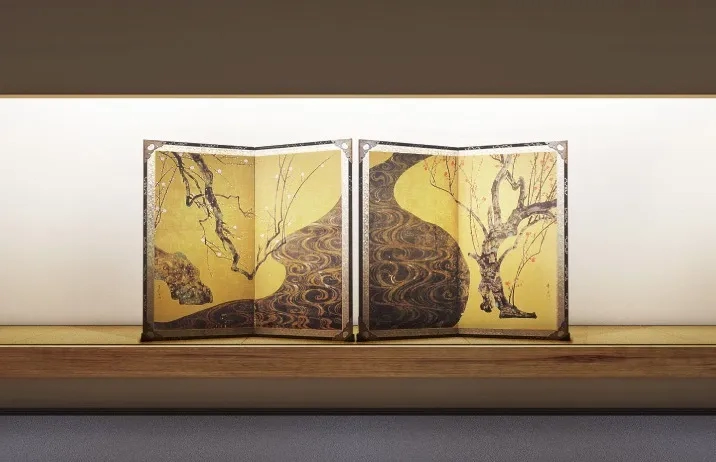 Take the Hikari Shinkansen bullet train to Atami in Shizuoka Prefecture (40 minutes from Tokyo Station). In Atami, the fabulous MOA Museum of Art has reopened after a renovation with a new café, research library, lobby, and more expressive exhibition space to enhance the beauty of the art objects (pictured), which include Japanese and Chinese ceramincs, textiles, lacquerware, and metalwork
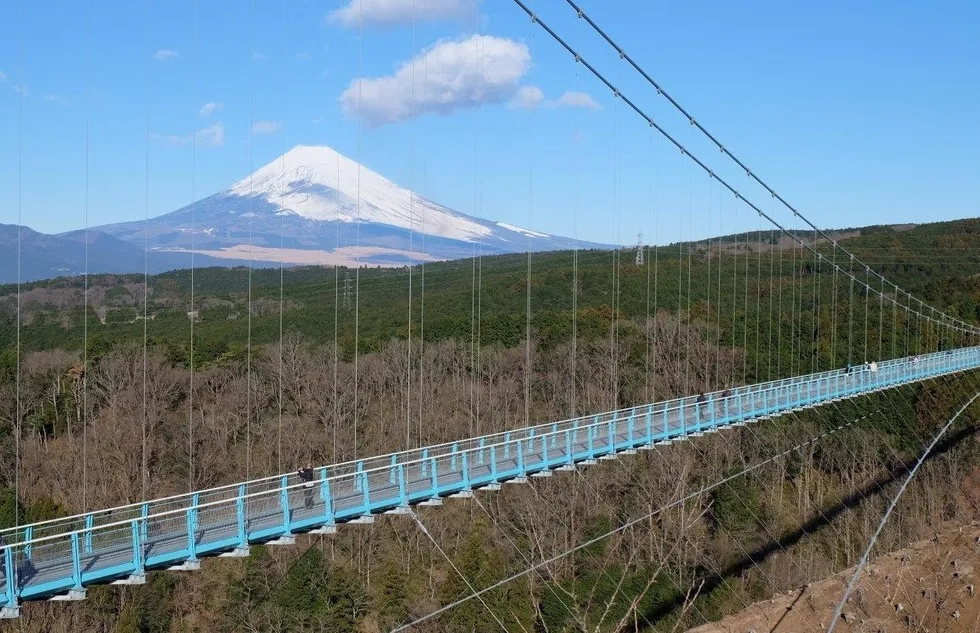 From Atami, continue to Mishima, just 7 minutes on the Kodama Shikansen bullet train. This is where you can walk the Mishima Skywalk (20-minute taxi or 25-minute bus ride from Mishima Station). With a distance of 400 meters, it’s Japan’s longest pedestrian suspension bridge. Open 9 am to 5 pm, 365 days a year, the 232-foot- (70.6 m.-) high steel overpass offers spectacular views of the Izu mountains, including, of course, Mt. Fuji, but also Suruga Bay, Japan’s deepest bay.
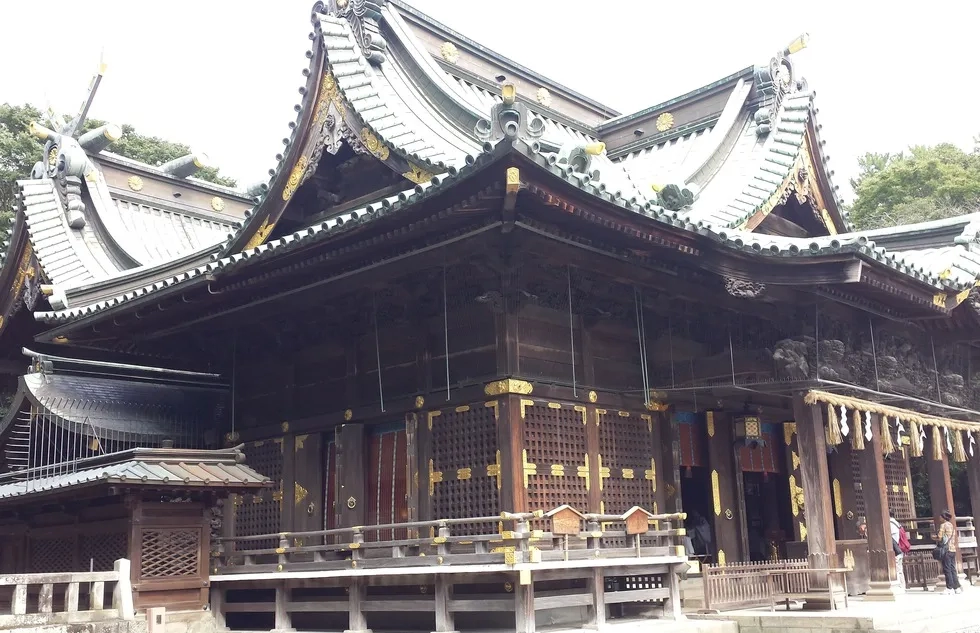 Before or after the bridge walk, don’t miss this necessity: Mishima Taisha (Mishima Shrine), considered the third-most important Shinto shrine in Japan, after Ise Shrine in Mie Prefecture and Meiji Shrine in Tokyo. The shrine is revered for its floral blossoms; from February, when a rare plum (ume) tree "omoi-no-mama" opens its petals in four different colors of red, white and pink, through April, when 200 cherry trees, in 15 varieties, bloom. In addition, annually on August 16, it attracts visitors to its Yabusame festival: This archery on horseback dates back to Japan’s 12th to 13th Century Kamakura Period, when the shogun, Minamoto no Yoritomo, who was worshiped at Mishima Shrine, became alarmed at the poor archery skills of his samurai.
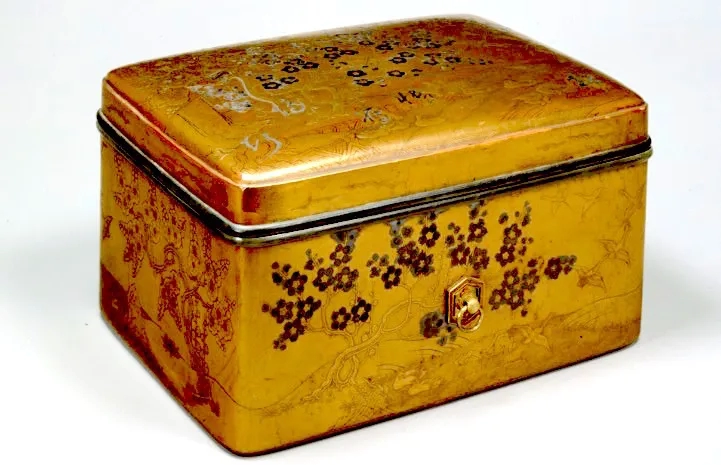 Given the shrine's importance as a hanami (blossom viewing spot), it’s no wonder that the most important object in the shrine museum’s collection is a late Heian period (12th Century) lacquerware box with inlayed gold leaf (maki-e) design of plum blossoms that is deemed a National Treasure of Japan. Also on the grounds, a 1,200-year-old fragrant osmanthus tree is protected by the national government as a natural monument.
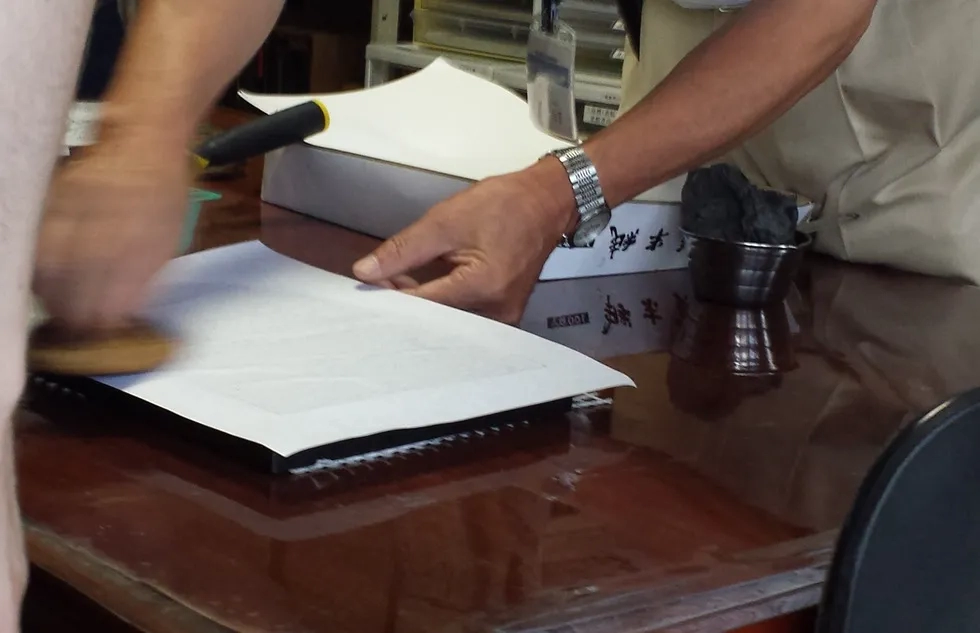 During the Edo period (1603–1868), Mishima Taisha was the main shrine of the post town of Mishima that prospered as a major pilgrimage stop on the Tōkaidō highway between Edo (present day Tokyo) and Kyoto. Mishima Taisha’s torii gate was even depicted in an ukiyoe by Ando Hiroshige. A calendar issued by the shrine was carried home by pilgrims from all over Japan, and was known as the “Mishima Calendar.” The house of the Mishima Lunar Calendar Publisher still makes them and can be visited a short walk away.
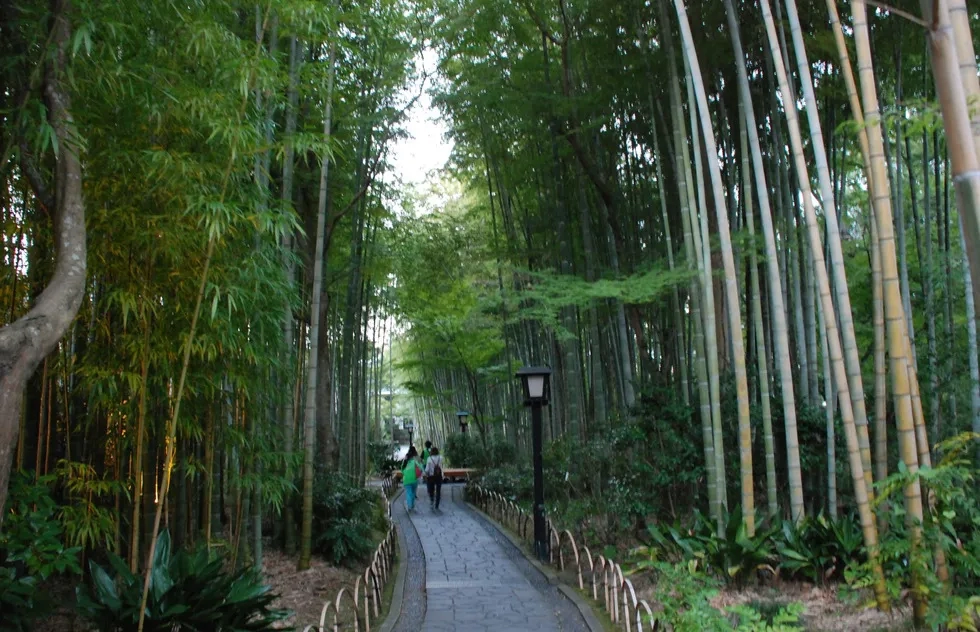 After exploring Mishima town, return to Mishima Station and hop on the Izuhakone Railway’s Sunzu line for Shuzenji. (This train is not included in the JR Pass.) Shuzenji is a 1,200-year-old onsen town, founded by the monk Kobodaishi. The town is slightly hilly with cobblestone streets, some lined with bamboo groves, alongside picturesque waterfalls. Look for numerous antique shops, craftspeople making bamboo baskets, and ubiquitous places where you can purchase food products made with the local crop: wasabi. You’ll find wasabi salad dressing, wasabi white chocolate, and even wasabi soft serve ice cream (it’s actually good). And, don’t forget to stop by Baird Brewery Gardens for some local craft beer made famous by Ohio native Bryan Baird and his Japanese wife, Sayuri. Ask if their wasabi infused brew is available on the day you’re there.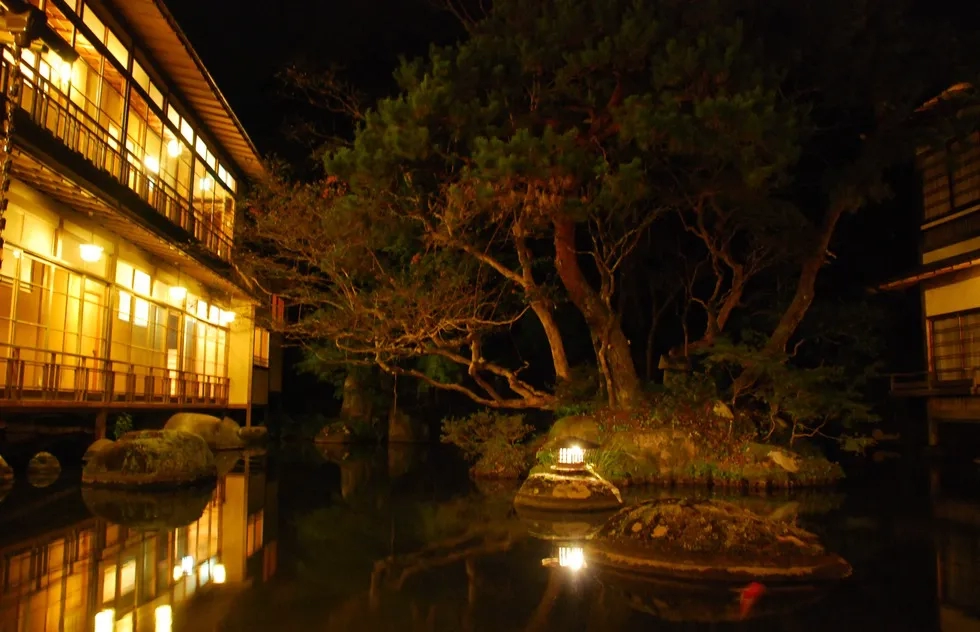
Mt. Fuji, named a UNESCO World Cultural Heritage Site in 2013, is one big mountain (pictured). At 12,389 ft., it is the highest peak in Japan and often used as the symbol of the country. While well-trod Hakone offers one view of the iconic peak, on the other side, the Shizuoka Prefecture side, you can see the mountain sometimes in even more brilliant light. For this reason, Shizuoka even calls itself “The Home of Mt. Fuji.” Therefore, instead of taking the Kodama Shinkansen bullet train to Odawara Station in Kanagawa Prefecture, like everyone else does, use your JR Pass (here’s information on how to purchase that in Japan) to explore Fuji from the other side—the Shizuoka side.