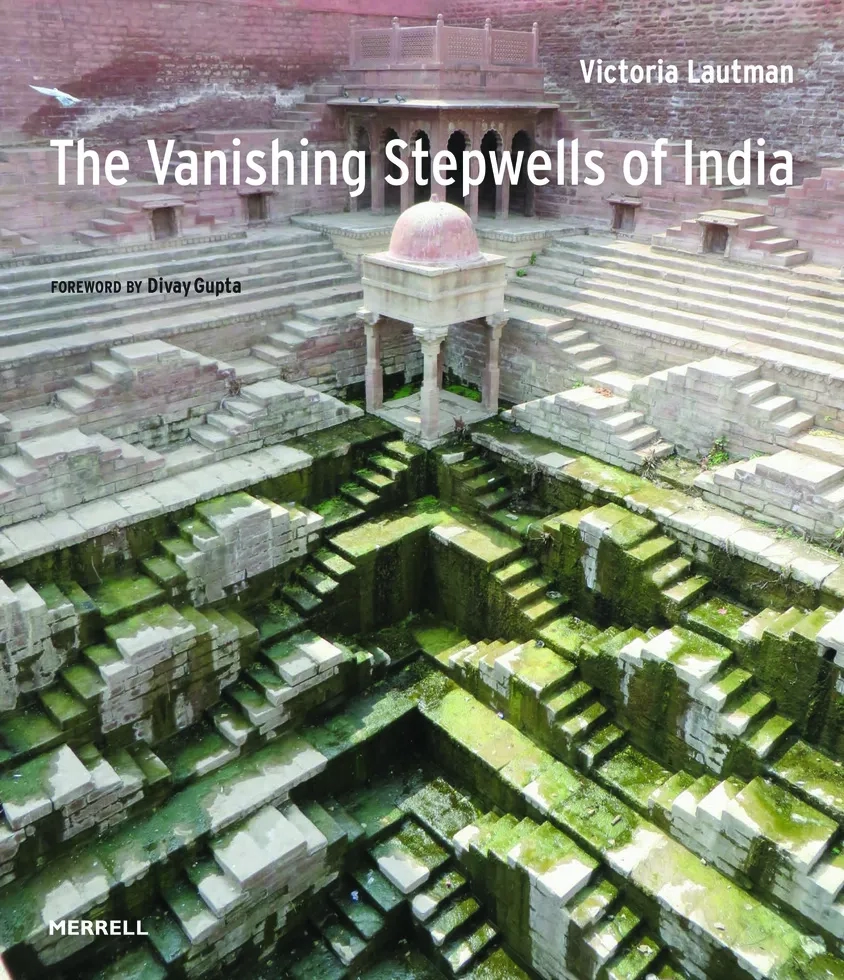
Journalist Victoria Lautman is the author and photographer of The Vanishing Stepwells of India (Merrell Publishers).
India’s unique subterranean stepwells are an endangered architectural species. All but unknown even to locals and rarely appearing on tourist itineraries, these beautiful and enigmatic structures provided year-round water throughout the country for more than a millennium. Flights of steps allowed access to fresh water during long dry seasons—and in areas where the water-table was up to nine stories underground. During the rainy monsoon season, the stairs would gradually submerge as the water table rose.
First appearing around 1,600 years ago, stepwells are thought to have numbered in the thousands by the 18th century. By the year 800, they had evolved into astonishing marvels of architecture, engineering, and art that served many other functions than simply providing water. They could be active subterranean temples, cool rest stops along trade routes, private retreats, or simply social gathering places. But there’s little documentation about these fascinating structures. Despite their former importance, most stepwells have sunk into obscurity, even though many are close to popular tourist destinations. In my recent book,
The Vanishing Stepwells of India, I trace the history and wide-ranging styles of these incomparable edifices. What follows is a sampling of some of the most fascinating.
Victoria Lautman
Chand Baori, Rajasthan
One of the oldest, deepest, and most dramatic stepwells in India, Chand Baori can be found just off a busy highway linking two important tourist meccas,
Jaipur and
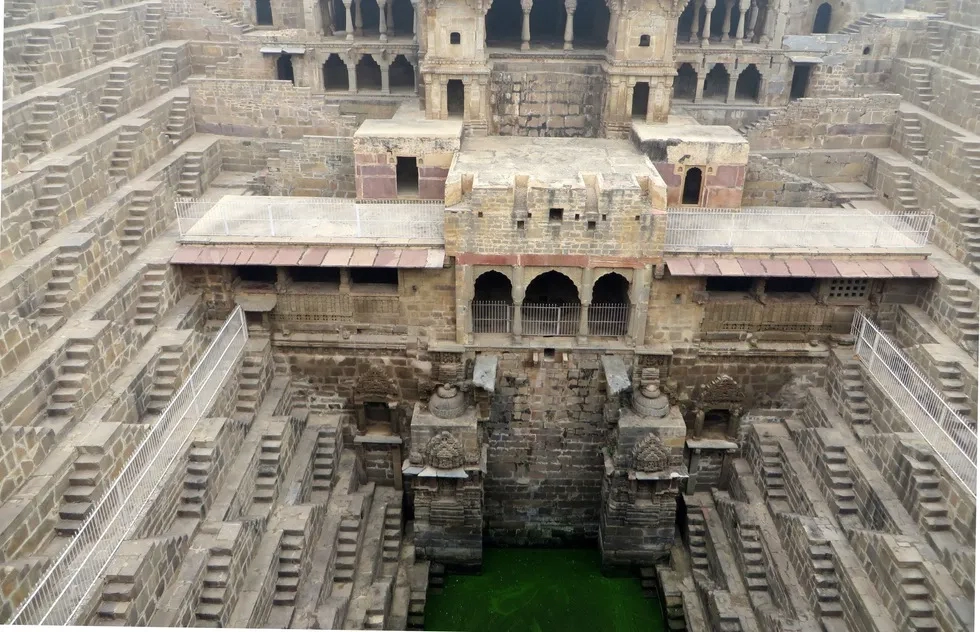
Agra, yet the site is often devoid of visitors. Featuring a dizzying array of some 3,500 steps, the steps have a triangular arrangement and funnel-like form typical of a "kund" stepwell. Thirteen vertiginous levels plunge nearly vertically to an emerald green pool watched over by a pair of carved Hindu deities. Not surprisingly, Chand has been seen in several movies—most recently it played a particularly frightening prison in
Batman: The Dark Knight Returns.
Victoria Lautman
Mukundpura Baoli, Haryana
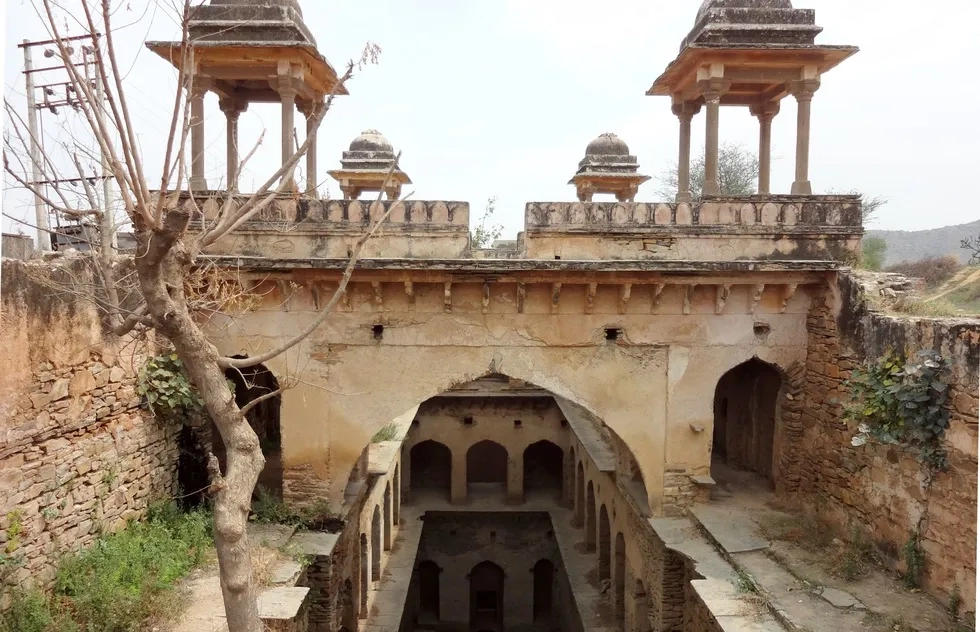
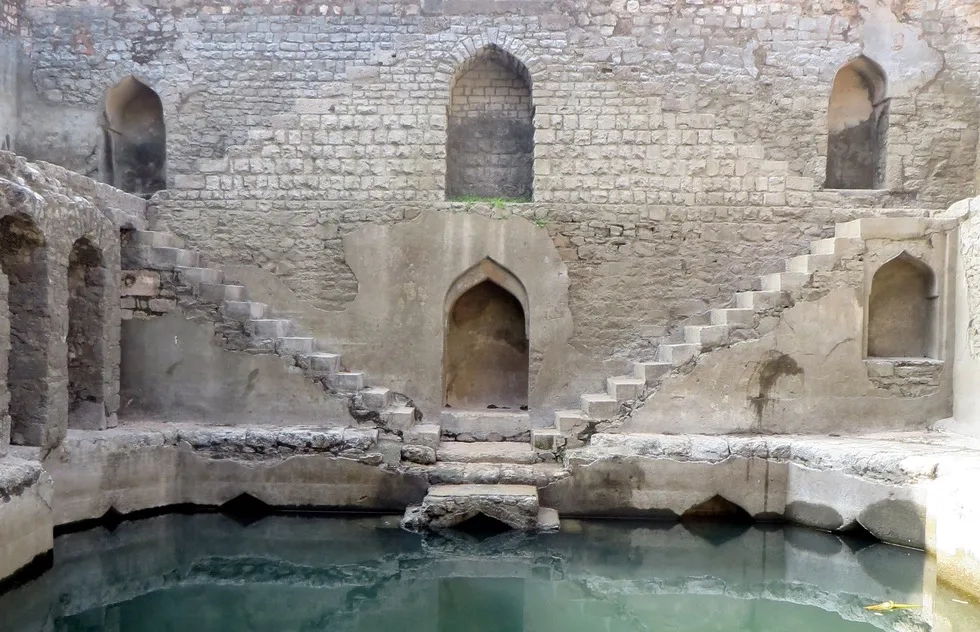
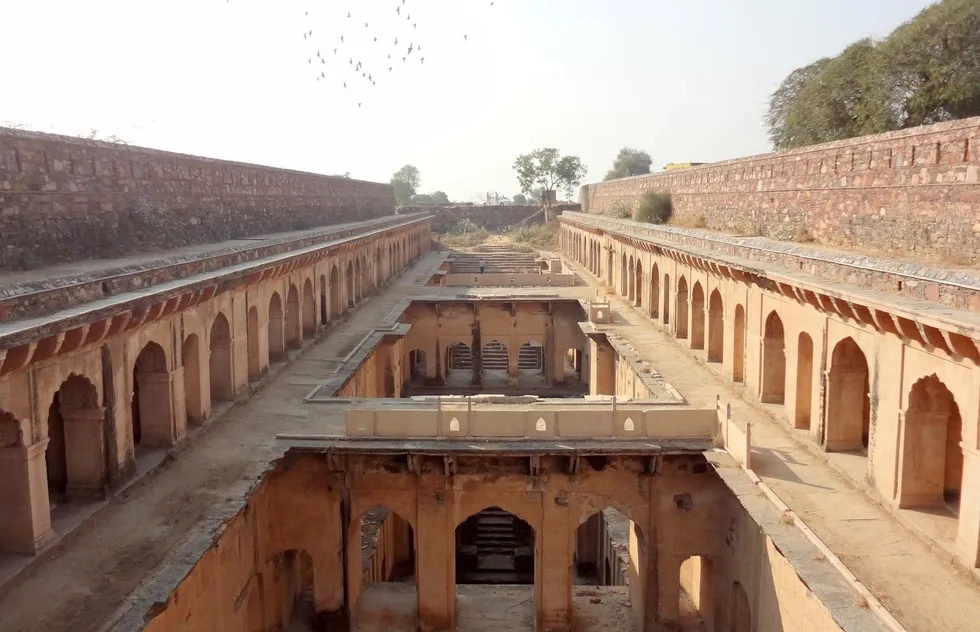
Like many stepwells, Mukundpura is tricky to locate—its four umbrella-like chattris rise above a verdant field outside a rural agricultural village. It’s believed that a wealthy landowner commissioned this relatively diminutive structure centuries ago as a charitable gift to the local community. The Islamic flourishes of pointed arches and delicate domes lend the site an almost jaunty air. Unfortunately, as with so many nonfunctioning stepwells, there’s no incentive for the community to maintain it, so vegetation is creeping in.
Victoria Lautman
Rani Ki Vav, Gujarat
Gujarat, like other arid states in India, has many stepwells (known locally as
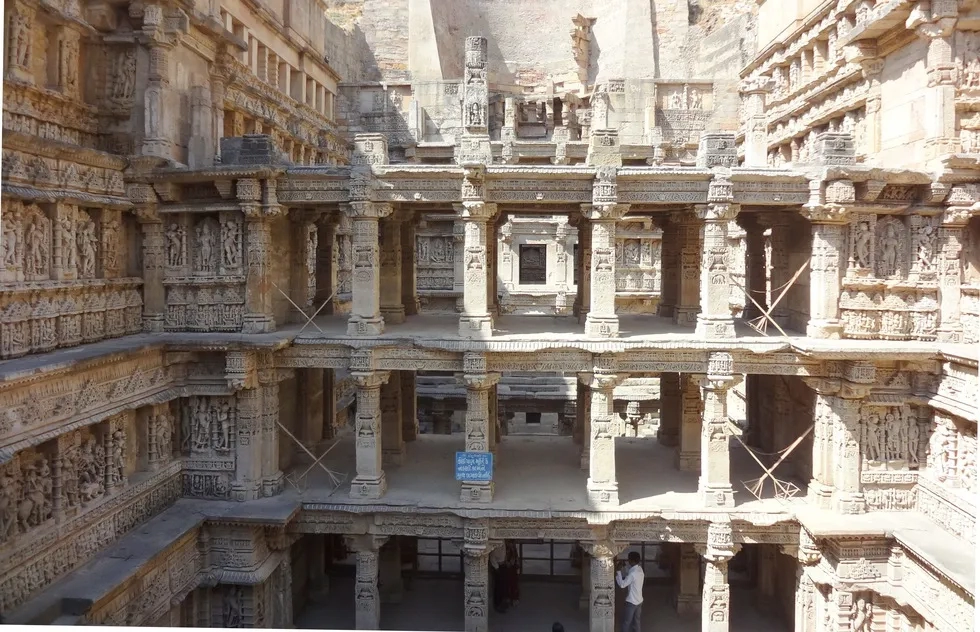
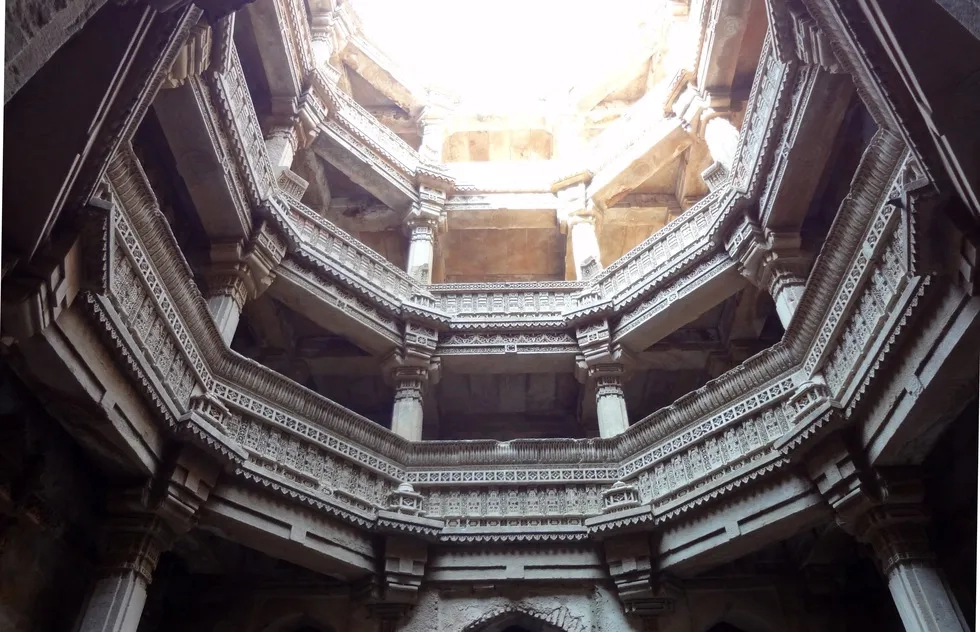
vavs), including some of the oldest in the country. Because they also were important Hindu temples, many are heavily ornamented with sculpted deities, foliage, and a variety of animals. But Rani ki Vav is by far the most extravagant, encrusted with over 600 finely detailed figures including within the well cylinder itself. This sandstone colossus was commissioned in the 11th century by Queen Udayamati to honor her deceased husband. That practice was common—it's thought that a quarter of all stepwells had female patrons. Soon after completion, a nearby river flooded Rani ki Vav, causing a partial collapse that left the well buried in silt for nearly a millennium. Fully excavated in the 1980s, it was designated a UNESCO World Heritage Site in 2014.
Victoria Lautman
Rudabai Vav, Gujarat
Another stepwell in Gujarat, Rudabai descends five stories into the earth, where diffuse light, hushed sounds, and cool air contrast dramatically with the noisy, hectic activity above ground. Typical of many stepwells, there’s little nearby to advertise it. Several myths are associated with this 16th-century beauty, the most common of which describes how Queen Rudabai was coerced into marrying the conquering king who had murdered her own husband. Rudabai acquiesced on the condition that she could build a stepwell dedicated to her former love. When it was finally completed, the queen consecrated the structure by throwing herself in. Today, it’s a popular and tidy spot, with rituals still performed in its shrines.
Victoria Lautman
Sai Nath Ki Baoli, Rajasthan
Over the course of centuries, the celebrated city of
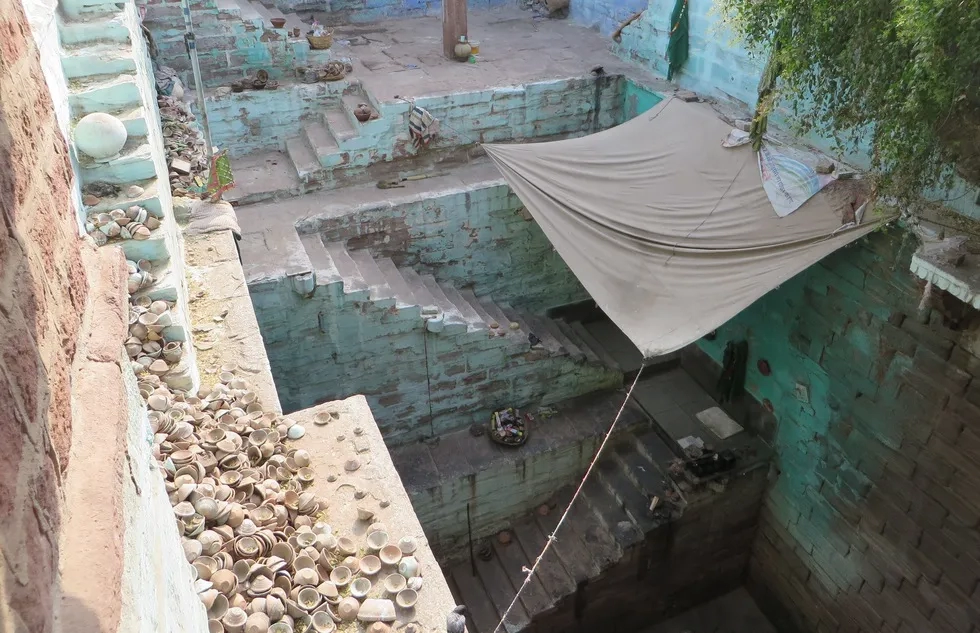
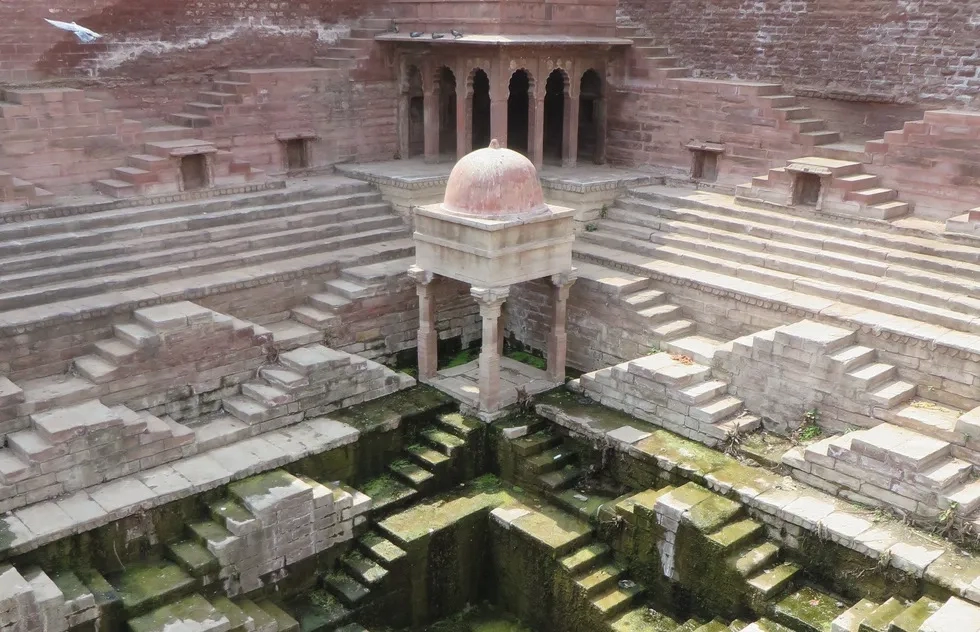
Jodhpur established a complex system of water-harvesting structures that were so efficient they managed to keep the desert kingdom from becoming parched. Many of these subterranean edifices still dot the area. This curious little one in a public park, with its zigzagging steps and lively colors, is a perfect example. The plentiful water continues to be pumped for irrigation, but it’s also a significant spot for Hindus and Muslims alike. Eroded stone markers are carved with deities, and you can see clay vessels used in rituals. A tarpaulin shades a small Muslim shrine bedecked with flowers. Here, the two faiths are juxtaposed—something not unheard of in India.
Victoria Lautman
Adi Kadi Vav, Gujarat
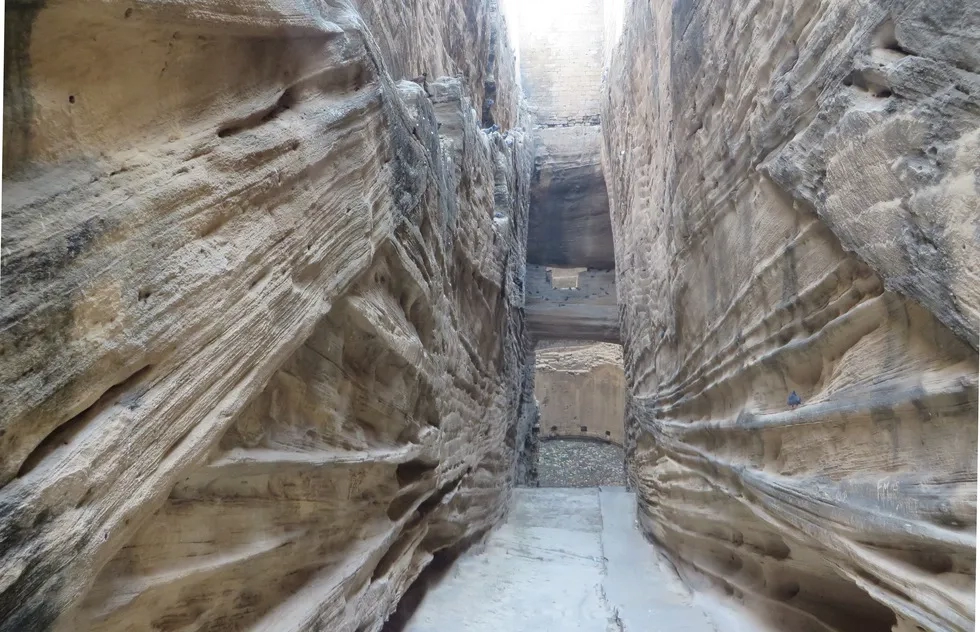
There are plenty of macabre stories associated with stepwells, usually featuring ghosts, curses, suicides, or sacrifices. An example of the latter pertains to this well, where two virgins named Adi and Kadi are said to have been drowned to ensure the uninterrupted flow of water. Since this stepwell was built at the imposing Uparkot Fort in Junagadh, that was of particular concern—sieges often lasted many years and people couldn't venture far for hydration. The structure is extraordinarily simple. It's just a long, narrow, open corridor with shallow steps, all carved directly into the local limestone and terminating in a watery pool. But it’s a singularly eerie place, where the towering, deeply eroded limestone walls and the echoes of flapping pigeons could easily stimulate nightmares or ghostly tales.
Victoria Lautman
Navghan Kuvo, Gujarat
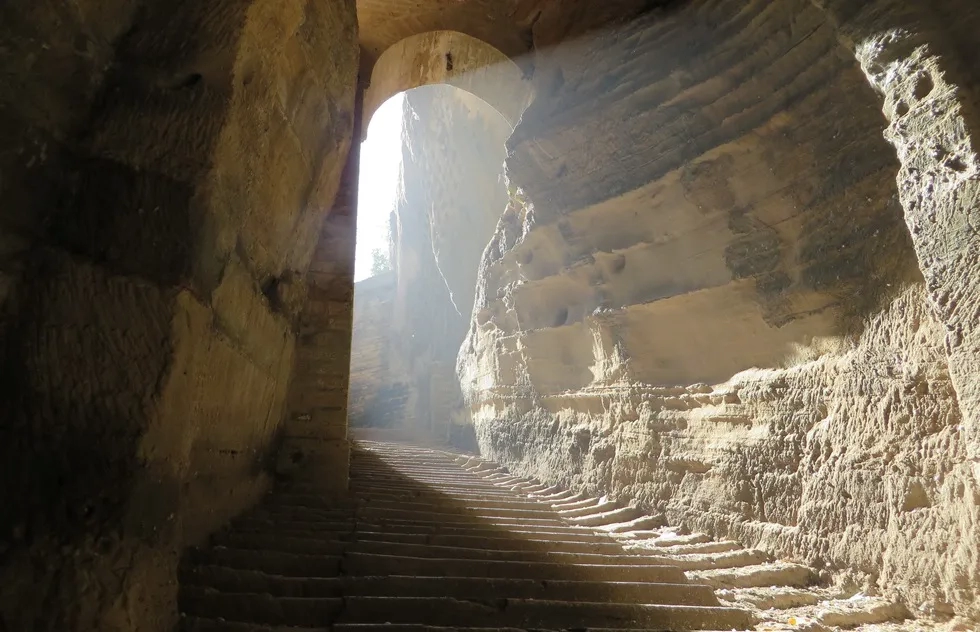
Close to Adi Kadi in Uparkot Fort, Navghan Kuvo stepwell was excavated from the same solid rock, with no structural features or adornments to help identify its age. But unlike its neighbor, this well descends in a steep spiral winding around an open shaft, the stairway completely enclosed like a tunnel. The original steps have been worn down from centuries of use, and while a more recent set has been added, the murky light does little to illuminate anything. Some visitors find the space too creepy or claustrophobic. It’s a wonder there’s no frightening myth associated with the spot.
Victoria Lautman
Agrasen Ki Baoli, Delhi
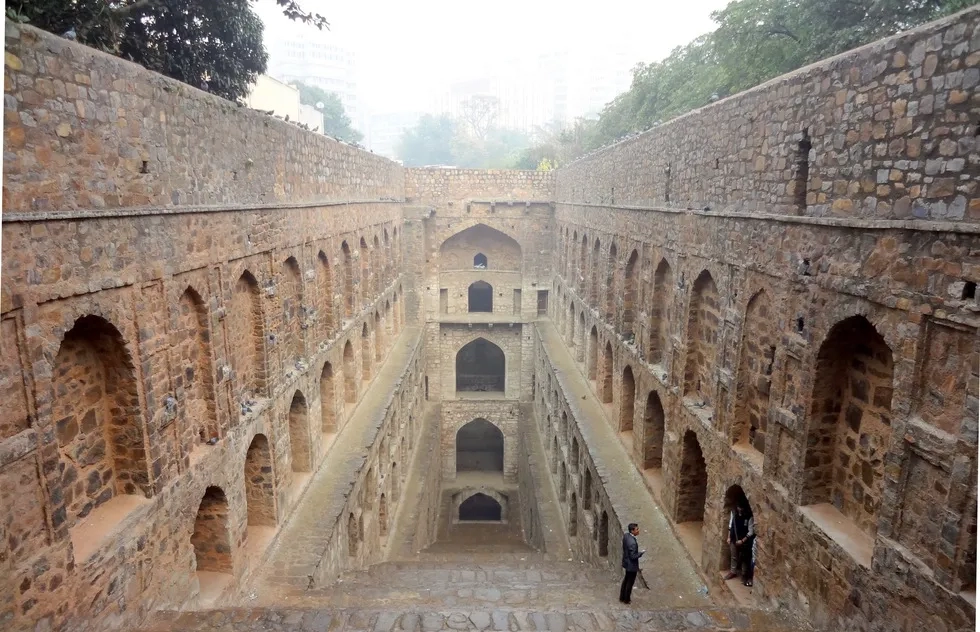
Although it’s surrounded by modern high-rises and the clamor of city traffic in India's capital city, Agrasen ki Baoli was originally located far from the center of what was then medieval
Delhi. An innocuous stone wall following the curve of a peaceful residential street offers no clue to the stunning structure on the other side; the proximity of five-star hotels and a teeming shopping area seem nearly unbelievable in this tranquil oasis. Long corridors with arched alcoves offer shelter and shade. Recently, Agrasen has once again become a popular hangout thanks to its appearance in a hit Bollywood movie.
Victoria Lautman
Assi Khambha, Madhya Pradesh
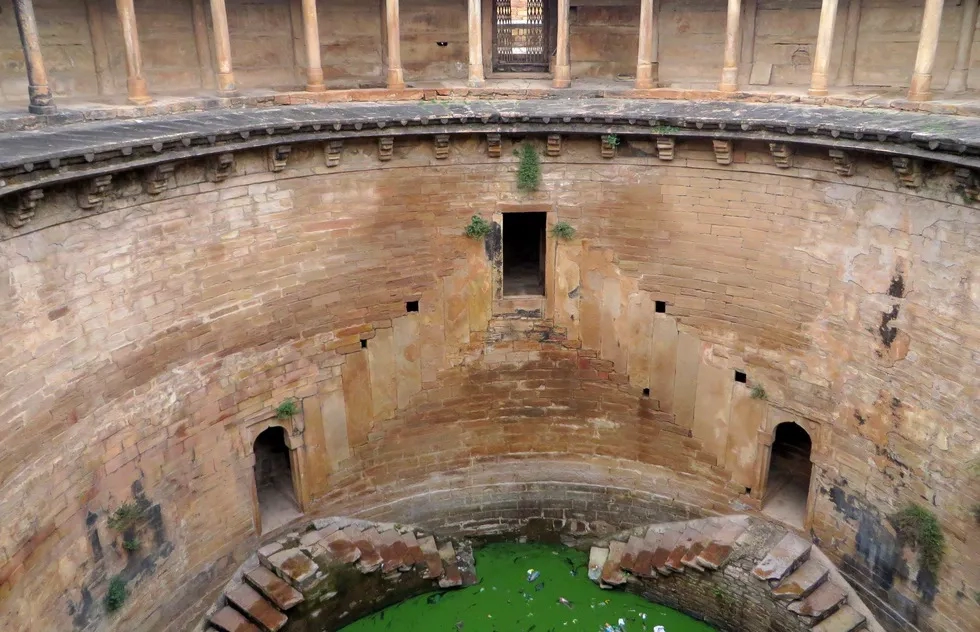
It’s common for stepwells to adopt simple, descriptive names reflecting some aspect of their past—for instance, how much they cost to build or even what they smelled like. Assi Khambha simply means "Eighty Pillars," in reference to the pretty gallery surrounding this handsome well. Though they're not the norm, circular stepwells aren’t unknown; this one sits near the royal palace at the famous
Gwalior Fort. There’s limited access to the structure, and its interior stairways make it feel confined—perfect for the exclusive use of the royal family. This was probably a private well, perhaps used only by women practicing the social seclusion known as
purdah, removed from the gazes of men and strangers.
Victoria Lautman
Mahila Baag Jhalra, Rajasthan
The multi-hued Mahila stepwell lies adjacent to a road leading into the oldest section of Jodhpur. It’s said that a wealthy concubine of the local maharaja commissioned the lovely structure, which was originally set in a garden (or
baag). Since then, the history of its water level has been written directly on the rich, red sandstone that was also used to construct many of
Rajasthan’s most beautiful monuments: Green moss confirms the presence of water; white mineral scaling indicates the high-water mark; the rosy walls show off the original vibrant color. Unfortunately, since this photo was taken, unauthorized and overzealous sanding "cleaned" (and also damaged) the steps, denuding the surface. In time—perhaps centuries—the colorful striations will return.
Victoria Lautman
Ujala Baoli, Madhya Pradesh
Though all forts in India required sophisticated, multifaceted water systems, the sprawling fort at
Mandu required more reinforcement than most since it occupies an imposing, 9-mile long plateau. The fort’s history is as bloody and violent as the stepwell is tranquil and sedate, located far from the tourist area where cows graze nearby, with no guideposts to show the way. It’s unclear which of Mandu’s many rulers was responsible for its construction, but whoever they were, their creation is stunning. Narrow steps spill down in an X-pattern to surprisingly clear water, and although the site is sadly dilapidated, it’s remarkably clean.
Ujala translates to "light" or "sunny," and this stepwell certainly lives up to its name.
Victoria Lautman
Rataba Vav, Gujarat
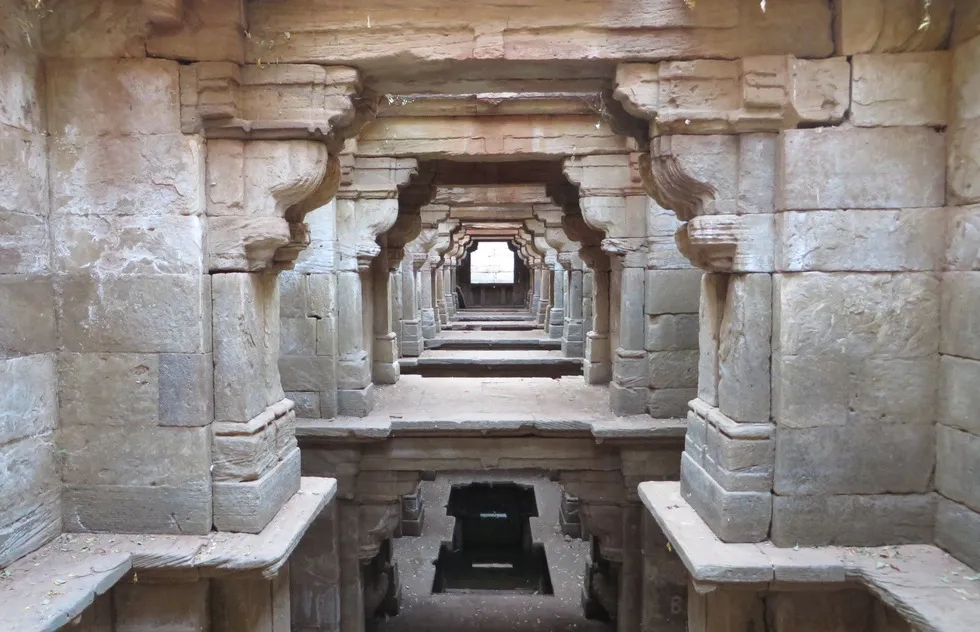
The view to the end of Rataba stepwell is so relentlessly long and narrow it feels as though the eye is rocketing into space. The structure, like most in Gujarat, was built of monolithic blocks to hold the loamy earth at bay, each perfectly hewn slab seamlessly fitted against the next like a puzzle. It’s a testament to the region's stonemasons that Rataba continues to stand after 500 years and several earthquakes—although the walls are deeply eroded, pillars dangerously awry, and parts of the exterior collapsing. But risky as it seems, this active temple and pilgrimage site still performs its duties, with help from local religious leaders.
Victoria Lautman
Panna Meena Ka Kund, Rajasthan
In the high season, thousands of tourists make their way each day up to Jaipur’s crowded
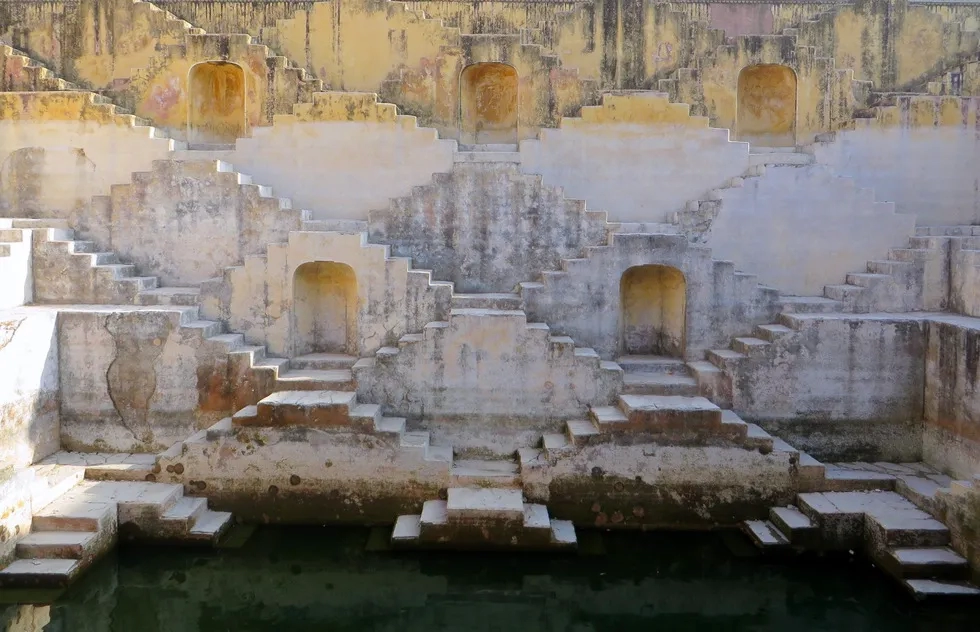
Amer Fort, whether riding elephants to the main entrance or vehicles to the back route. In that case, every one of them must pass the Panna Meena ka Kund, a hidden gem nestled off to the side of the narrow road. It has a tangled history that may or may not include a wealthy eunuch of the royal court as its patron. White and ochre paint, peeling plaster, mineral scaling, and hints of red sandstone don’t detract from the charming structure, where turtles and fish inhabit the emerald green water. Monkeys can also be seen scampering up and down the steps, and locals still swim in the pool when the weather is hot.
Victoria Lautman
Neemrana Baoli, Rajasthan
Considering the Neemrana stepwell's immense scale, alarming depth, and magnificent engineering, it’s bewildering that the site doesn’t appear on tours or in history books. It adjoins a village lane halfway between Delhi and Jaipur, and nothing can be more startling than the gaping maw of this behemoth suddenly appearing behind a wall. Descent is not for the faint-hearted: There are nine subterranean levels with steps that are often cracked and unstable. Rows of corridors and alcoves must have been a welcome refuge to caravans plying Rajasthan, even though today the overwhelming structure is marred by graffiti, trash, and rubble. Large colonies of bees hang from the eaves, while the vocal, rose-ringed green parakeets common to India nest in the walls. This stepwell is worth a detour.
Merrell Publishers
The Vanishing Stepwells of India