Cornwall is undergoing an artisanal food boom. Thanks to a mild temperature and extensive coastline, this picturesque county in the southwest of England already has a bounty of food, from high-quality local seafood and produce to top dairy products and traditional baked goods both sweet and savory. The best of Cornish cuisine is spreading out from traditional country pubs into upscale cafes, bakeries, and restaurants—here are some of our favorite places for tasting and understanding Cornwall’s modern culinary cred.
Amy Sherman
Clotted Cream
While the debate eternally continues about whether clotted cream originated in Cornwall or Devon, it’s popular in both counties. This rich, spreadable cream is made by heating full-cream cow's milk until it thickens and clots—hence its name.
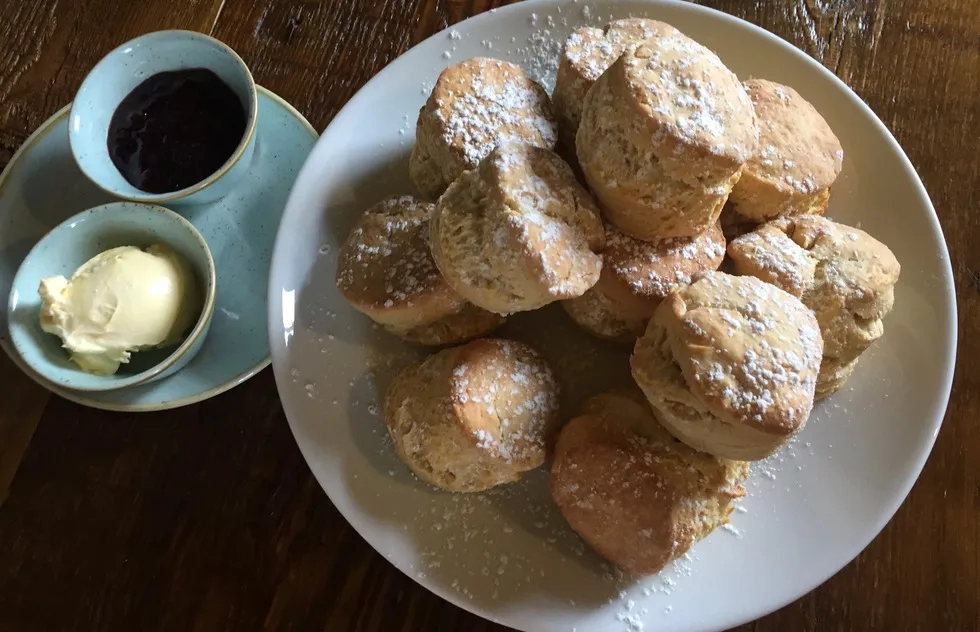
Rodda’s Clotted Cream, one of the top local brands, is served with scones and jam at
Loveday’s restaurant on Quay Road in Charlestown, a charming port village, but you’ll find it on the table in many places where afternoon tea is served. In Cornwall, scones are served with jam and topped with cream, in Devon the order in which you apply the jam and cream is reversed, but either way it’s a perfect mid-afternoon treat.
Amy Sherman
Heavy Cake
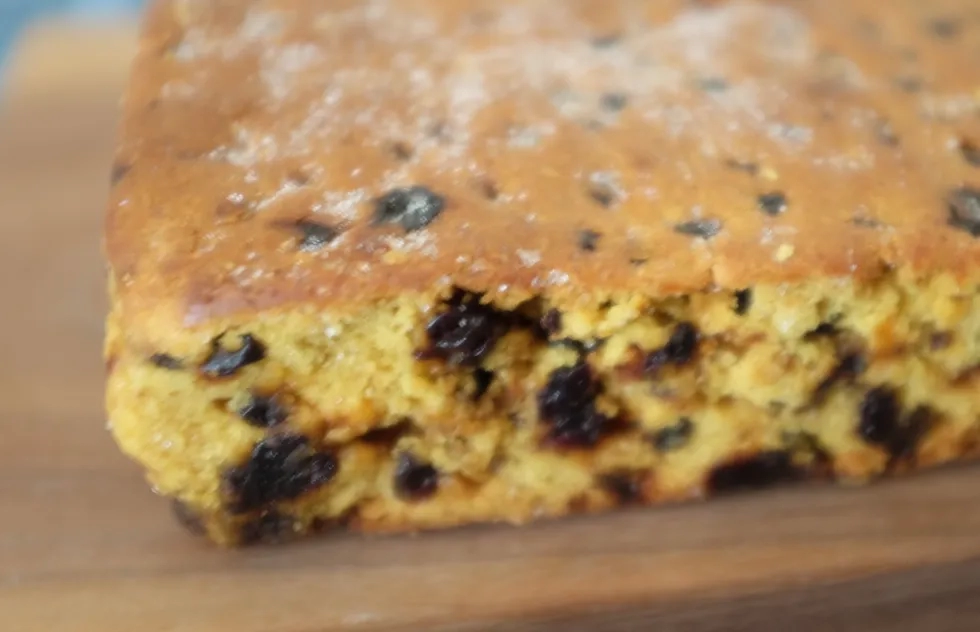
In Cornwall heavy or “hevva” cakes are made from flour, lard or butter, milk, sugar, and raisins and they originated from the fishermen who catch pilchard, a small, sardine-like fish. The cake’s name comes from the tradition of calling “hevva, hevva” whenever a shoal of fish was spotted from the shore. When the wives of the fishermen heard the call, they knew the men would soon be home, so they would make this cake for tea time. Today,
Portreath Bakery near the water in Portreath makes classic heavy cake as well as saffron heavy cake, which uses a spice brought to England by Spanish traders.
Callestick Farms
Clotted Cream Ice Cream
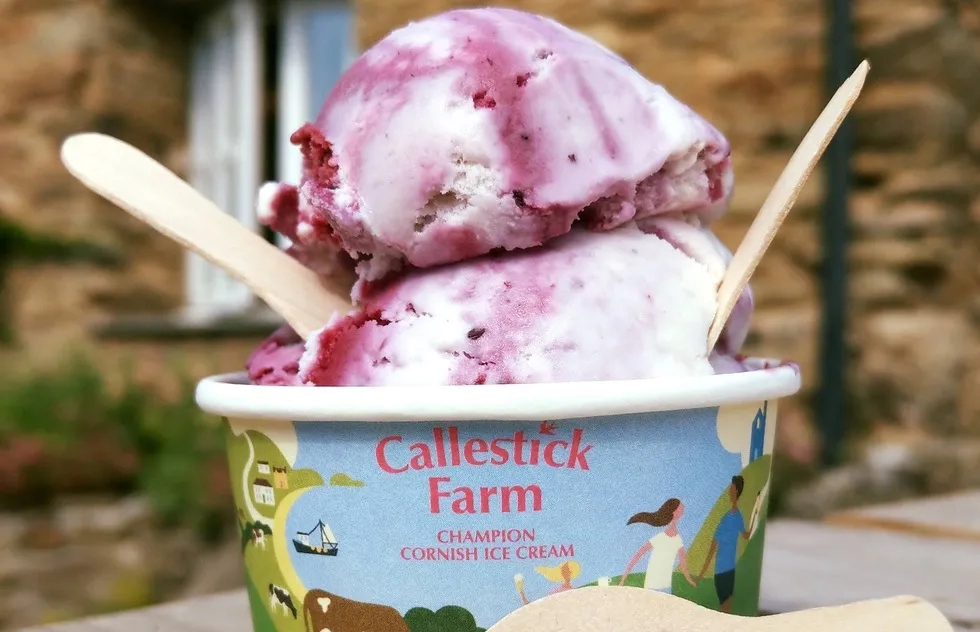
Dairy has a long tradition as a basic staple in Cornwall, but recently, some farmers have expanded to create treats such as clotted cream fudge, cheese, and ice cream—which in Cornwall is often made with clotted cream, making it a particular specialty you won’t find elsewhere. The grass-fed cows at
Callestick Farm produce a wide range of award-winning ice cream flavors including blackcurrant, rhubarb, and fudge.
Amy Sherman
Cornish Pasties
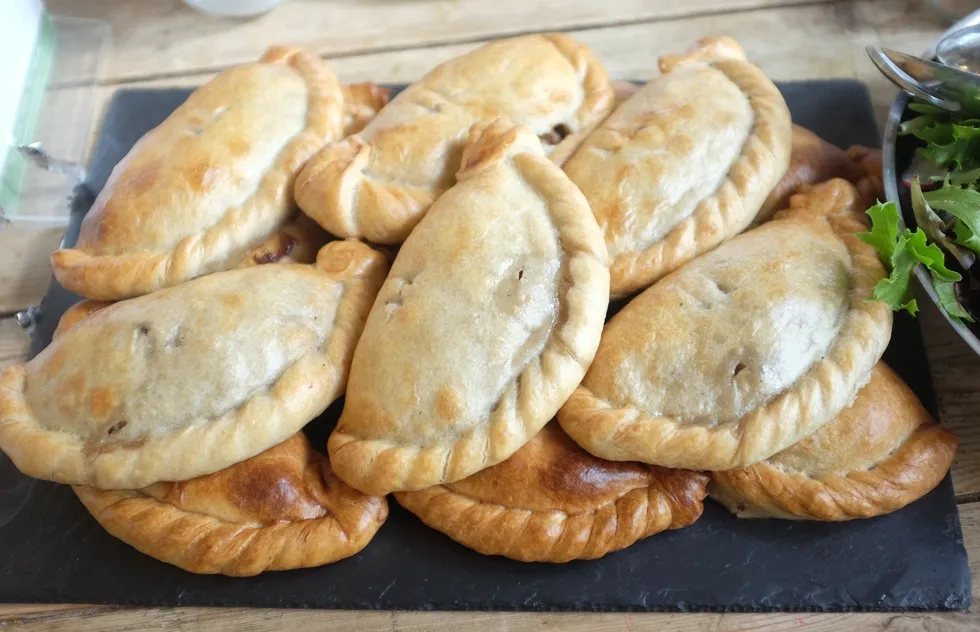
Cornish pasties were a traditional lunch originally made for coal miners. Each pasty would contain meat and vegetables in one end and fruit in the other, and wives marked their husband's initials on the side of the pastry casing in order to avoid confusion at mealtime. Today, pasties tend to stick to one flavor per pie and are enormously popular in cafes and bakeries. While they are no longer marked with your monogram, they still make for a cheap and delicious lunch or snack.
Redruth’s Baker Tom’s is a popular source where you can watch the bakers at work in an open kitchen.
Amy Sherman
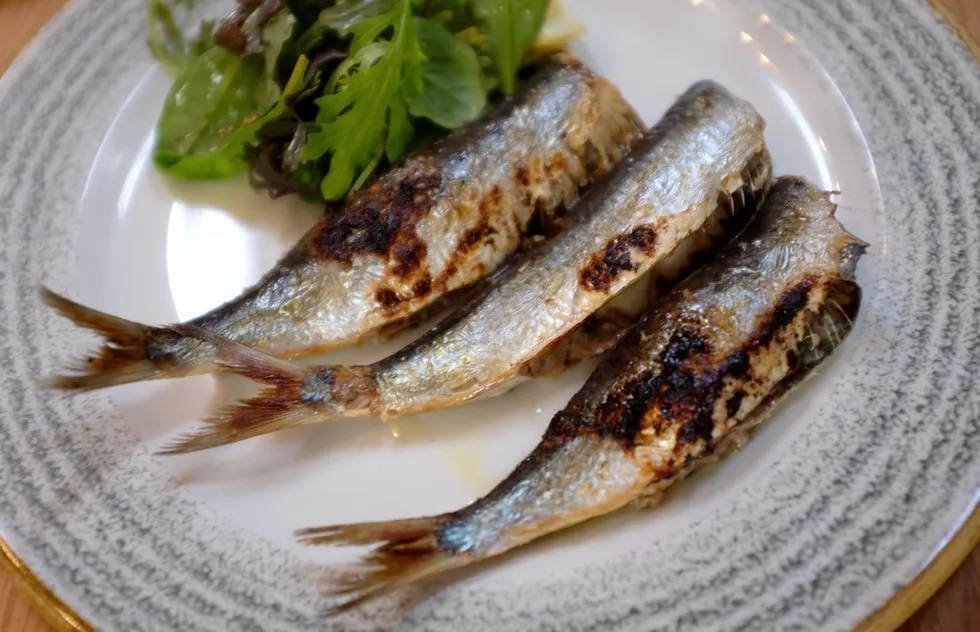
Pilchards at Hooked!
Fishing is a mainstay of the Cornwall economy. Pilchard fishing and processing thrived from the mid 1700’s and peaked in the late 1800’s, but after a long decline, it has returned. The small, oily fish is part of the herring family—young pilchards are referred to as sardines—and while they were once a staple for the common man, now they are served in the area’s best seafood restaurants. At
Hooked! in Truro, they are available as a special and served tapas-style, grilled and served with fresh lemon.
Rick Stein’s, Padstow
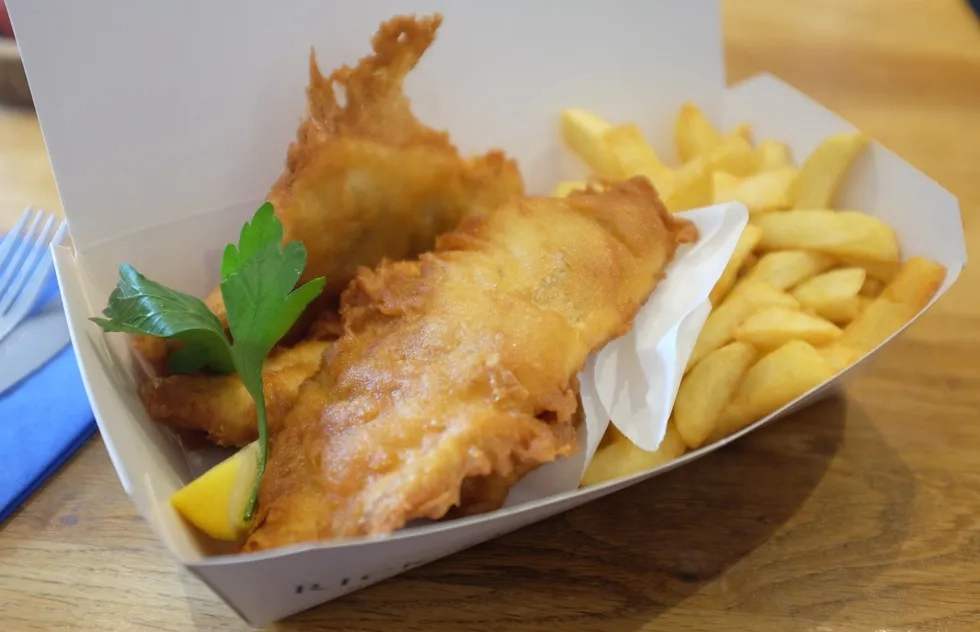
Fish and chips
Rick Stein, a celebrity chef in England, has hosted several cooking and travel shows on the BBC and calls Cornwall home. In Padstow overlooking the Camel estuary just past the harbor, you’ll find his
casual fish and chips shop. As with most fish and chips shops, there’s a choice of fish including a range of local options like hake, plaice, haddock, and lemon sole. When battered and deep-fried in beef drippings, it becomes shatteringly crisp and is then served classically with thick fries, mushy peas, and a mayonnaise-based tartar sauce.
Amy sherman
Gin
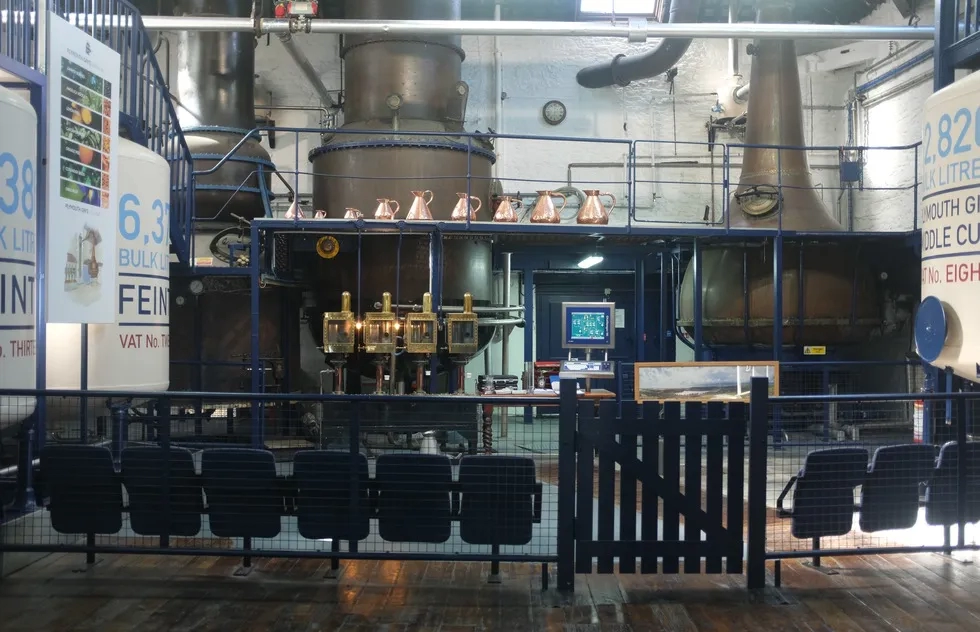
Plymouth is technically in Devon on the border with Cornwall, but
Plymouth Distillery, the oldest working distillery in England, is considered a local icon and, luckily, is also open for tours. Housed in what was once a monastery, the distillery runs a shop where you can purchase the classic strength, stronger “navy” strength, or sloe gin, plus you can buy vintage cocktail recipe books for making forgotten classic drinks. The logo for the Plymouth Distillery is the famous Mayflower ship—the pilgrim fathers spent their last night in England in the former monastery and stepped off English soil for the last time at the waterfront a few hundred yards away.
Camel Valley Copyright © Camel Valley Wines
Sparkling Wine
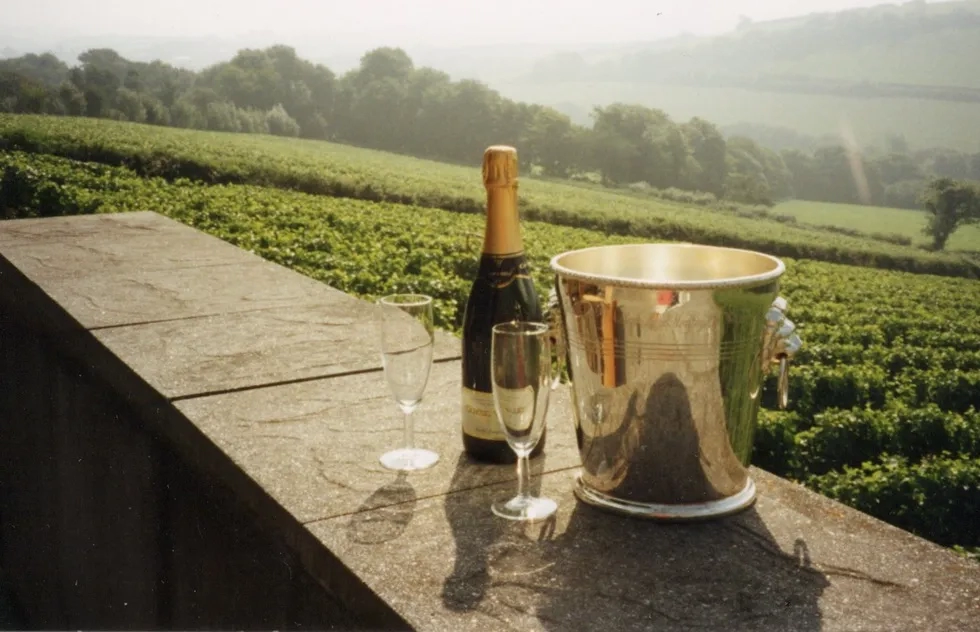
It may be surprising news, but Cornwall produces award-winning sparkling wine from Seyval Blanc, Chardonnay, and Pinot Noir grapes.
Camel Valley, a family-run vineyard for three decades, is a traditional Champenoise-method producer. Soak in great views of the vineyards from its winery in between tours and tastings. It’s the first English wine to be awarded a Royal Warrant, meaning it’s certified as regularly purchased by the Royal household. The winery also rents two cottages in the countryside to vacationers.
Polgoon
Cider
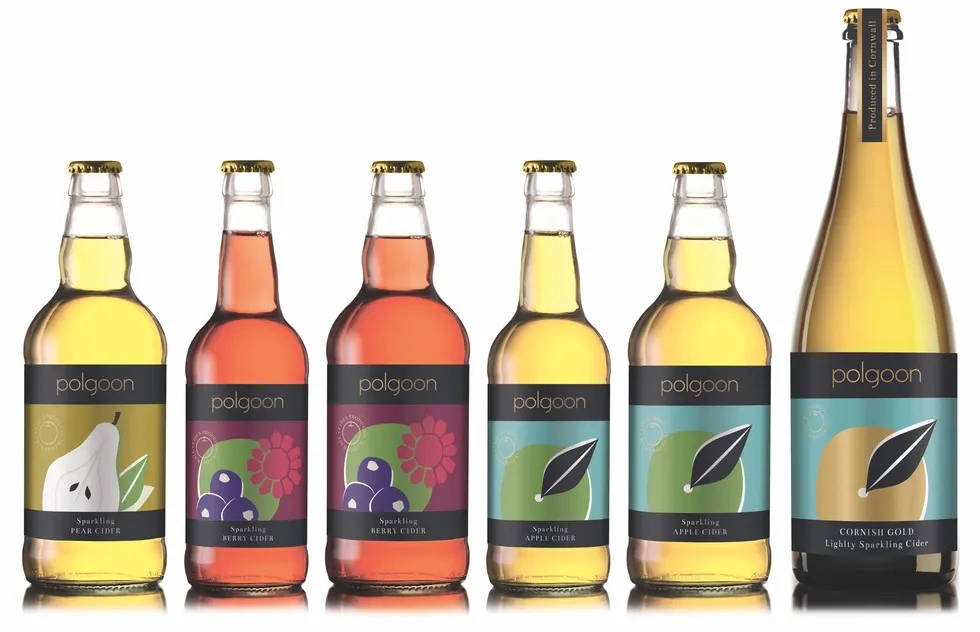
Historians aren’t sure how long cider has been made in Cornwall, but it may date back to the Roman era. More recently in this region, farm workers received cider as part of their pay. Today, there are about 20 cider producers in Cornwall, including
Polgoon. The Coulson family once made wine at Polgoon, but after some bad harvests, the family turned to making cider and today it produces both wines and ciders. From March through September, visit the orchard for a tour or tasting—be sure to try its sparkling pear cider.
Amy Sherman
Cornish Fairings