

A major U.S. carrier has recently updated its baggage policy in a very specific way following two similar incidents that caused minor stirs and delays.
“Southwest Airlines does not allow human-like or animal-like robots to be transported in the cabin or as checked baggage, regardless of size or purpose,” reads the new policy implemented this month.
As one might expect, there’s a story behind the change.
Earlier this May, Aaron Mehdizadeh, founder of The Robot Studio, purchased a seat on a Dallas-bound flight for Stewie, the company’s 3.5-foot bipedal dancing automaton that it rents out for corporate events.
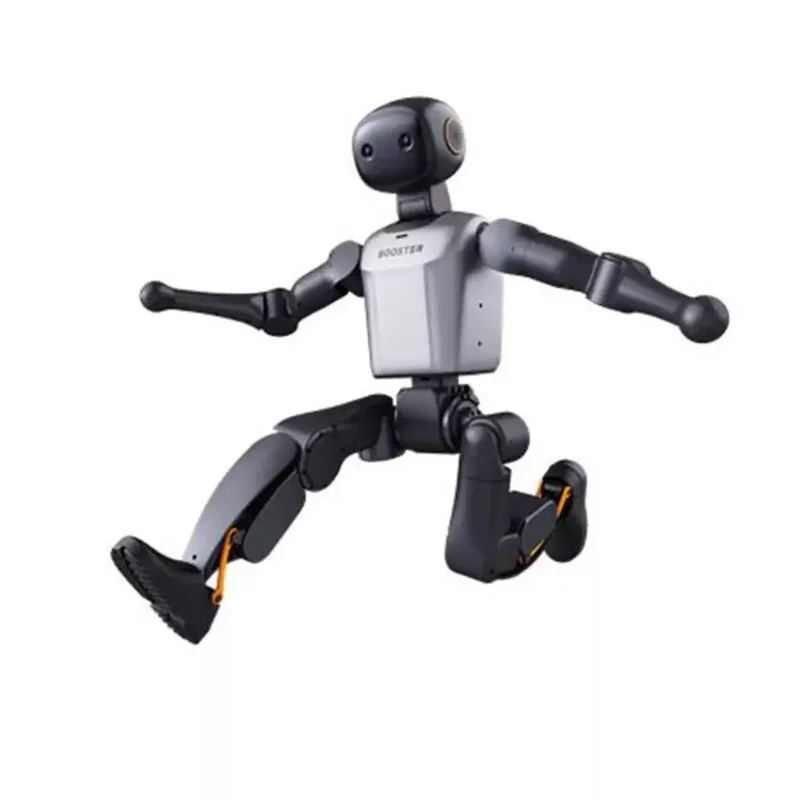
Mehdizadeh reported in a company blog post that passengers in the concourse were amused by and laughed at the bot’s little waves, “Michael Jackson dances,” and waddles down the terminal. The screeners at the Transportation Security Administration checkpoint, however, were less amused.
“Most agents were curious immediately, but one TSA employee gave me a pretty hard time about bringing Stewie through security,” wrote Mehdizadeh. “After explaining everything and speaking with a supervisor, though, things smoothed out.”
On the flight itself, Stewie attracted similar curiosity from passengers and skepticism from flight crew.
Days later, Southwest issued its bot ban.
The airline told CBS News Texas that the new policy is to ensure compliance with its existing lithium battery rules. But Mehdizadeh pushed back on that, claiming modifications were made to ensure Stewie’s power source maxed out at 94 watt-hours, definitely below Southwest’s threshold of 100.
The incident follows a similar kerfuffle last month when Eily Ben-Abraham of Elite Event Robotics boarded a different Southwest flight, this one bound for San Diego, with a cute 4-foot robot named Bebop, causing a not at all cute 1-hour delay.
Southwest’s policy defines a “human‑like" or "animal-like" robot as a creation designed to resemble or imitate a human or animal in appearance, movement, or behavior.
Other robots, including toys, are permitted but must be able to fit within a carry-on bag and must comply with existing battery and baggage requirements.
If we had to guess, we’d venture that Southwest is less interested in a Kubrickian debate about what constitutes a humanoid robot versus a toy and more interested in keeping onboard promotional stunts—no matter how adorable—to a minimum.
No word yet on whether Bebop and Stewie have had the opportunity to commiserate—or whether they’ll be traveling on Amtrak next.