

The following conversation was taken from the Frommer's Travel Show podcast. It has been edited for length and clarity.
Click here to listen to the entire episode. Or, if you'd prefer to watch the interview, click here.
Pauline Frommer: It is autumn, which means it's razzle-dazzle season in New England. A lot of people head there to see the leaves turn. And I would say that many probably think of Newport, Rhode Island, or perhaps the seashore. But in doing that, they are missing out on a real treat. I'm talking about the capital of Rhode Island: Providence.
To discuss that, I have Alexis Gorriarán, the executive director of the Providence Tourism Council. Hey, Alexis, thank you so much for coming to discuss your beautiful city.
Alexis Gorriarán: Thank you, Pauline. And it is certainly a beautiful time of year to visit Providence. But Providence—and Rhode Island—really is an all-seasons destination. It blends that small-town, historic New England charm with that big city vibe and a culinary culture and art scene. We're really fortunate that we're home to some of the best educational institutions in the country, and we have some beautiful architecture that really complements that artistic landscape.
WaterFire events
Frommer: Let's talk about some of the specific reasons to come. And the reason I want to come, something I've never gotten to see but it sounds extraordinary, is WaterFire.
Gorriarán: Yeah, WaterFire has really become an international phenomenon for Providence. It's a signature art installation on our rivers.
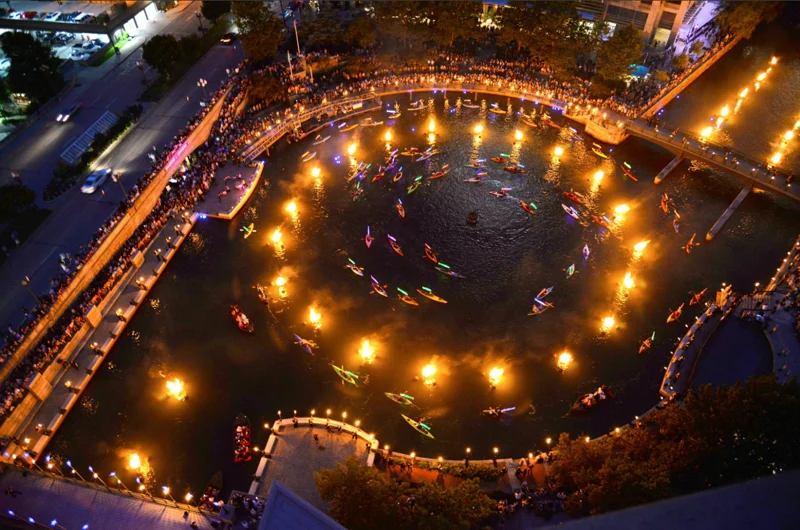
We have these floating braziers—bonfires—that are filled with cedar wood and are lit on fire along the river at sunset, accompanied by music and artisans on the shore.
The beautiful thing about this is it engages all the senses. So you have cedar wood that is being burnt in the braziers—that’s the sense of smell, the burning wood. And then all these artists are performing on the banks of the river.
You can take a gondola up and down the river during WaterFire. There's also riverboats; the Providence River Boat Company does tours on the river.
We have people from near and far that come visit for this event.
Frommer: It happens like 10 times a year or so, correct?
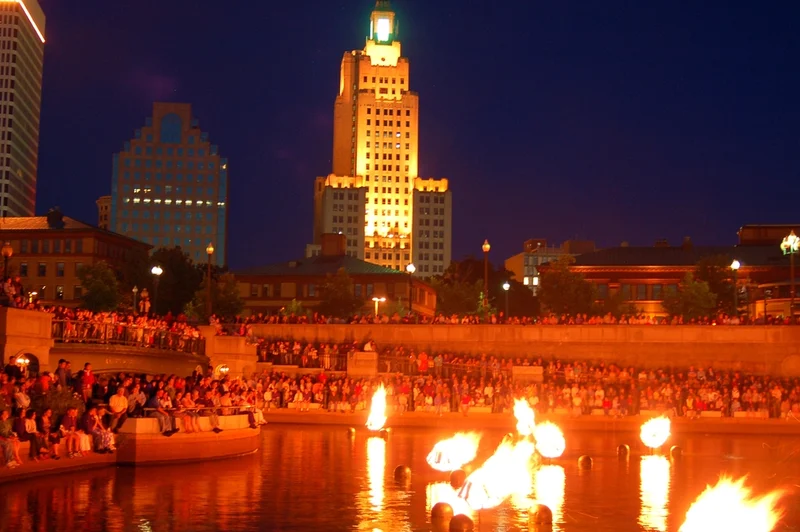
Gorriarán: Yeah. We just had a WaterFire called Flames of Hope, which is building awareness for breast cancer. And then we have a WaterFire in November for Veterans Day. There's also one that has an education theme, paying homage to our teachers and the educational institutions in the city.
We have some that are tied to PVDFest, our art festival. The number [of WaterFires] varies from year to year depending on the themes and the sponsors. [WaterFire season] typically will run from May to New Year's Eve. We have a smaller lighting for New Year's Eve. And we produce our Illuminate PVD New Year's Eve celebration with fireworks.
A transforming downtown
Frommer: If you could see Alexis right now, he's in front of a beautiful scene of Providence showing their brand-new bridge.
It reminds me of a story I heard from a dear friend of mine named Dar Williams. She's a well-known folk singer who's been touring around the United States for 30 years. And 30 years ago, when she went to many cities, what she saw was quite depressing because these were cities that used to have major industrial hearts to them. They had factories where everybody worked. The factories then closed, causing great suffering.
[She wrote a book about how] today many of those [formerly industrial] areas have been totally reconceived, especially around waterfronts, and that’s made many cities better. [A similar project inspired] the bridge behind you, right?
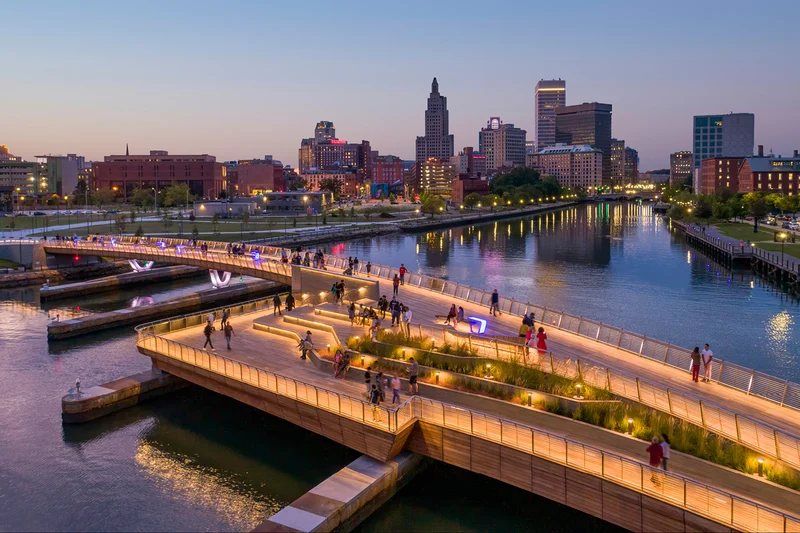
Gorriarán: Yes. Providence was the jewelry manufacturing center of the world at one time. [The U.S.] Industrial Revolution started here in Rhode Island. So you have a lot of mill buildings throughout the city. And many have now been converted into artists' lofts and residences.
The picture behind me is the pedestrian bridge and District Park. The highway actually used to go through there, but now it’s been reimagined and become a beautiful social experiment in our community. You get some of the most beautiful sunset views from this bridge.
The bridge has an amphitheater built into it, so there's live music, lots of festivals, and performances. There’s the beer guild there. There's always activities going on on the bridge or in the surrounding parks.
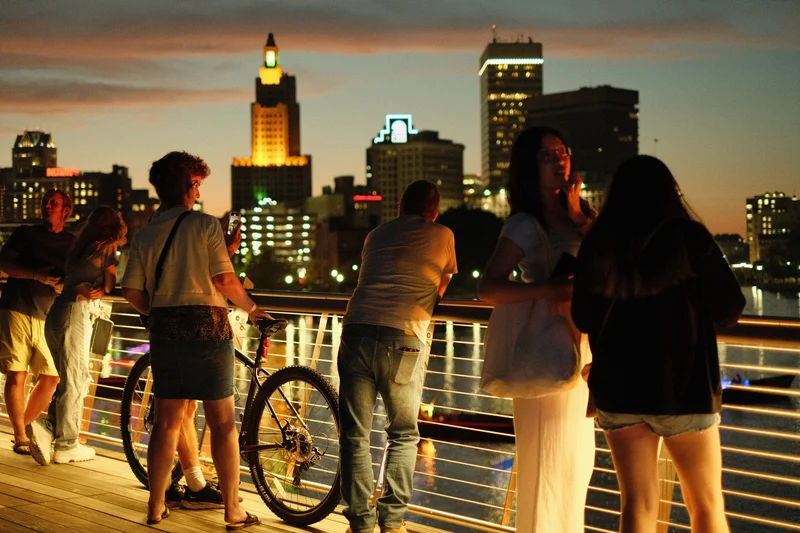
The bridge connects the Downtown Corridor, with its galleries and whatnot, to the East Side, which is home to historic homes and colonial-era homes. That really contributes to the vibrancy of this entire district, because it connects different neighborhoods of the city.
There’s a lot of development happening in the area—new construction of hotels, restaurants, and residences.
Arts and culture in the Creative Capital
Frommer: Providence calls itself the Creative Capital because it's the capital city of Rhode Island, and it's probably a heck of a lot more creative than other state capitals. Let’s talk about the arts scene.
You are the home to the Rhode Island School of Design, RISD, which has one of the best art museums in all of New England. They have some real masterpieces in that museum. What are the other parts of the art scene that visitors can explore?
Gorriarán: We do have a thriving art scene in Providence. You start off with RISD, the number-one art school in the country. They offer free admission to their museums on Thursdays and Sundays.
And that ties into a program [called] Gallery Night every third Thursday of the month, [when] you have guided and self-guided tours of the different galleries, with a hop-on and -off trolley to experience the galleries, the murals, the museums, and some experiential opportunities in our art scene.
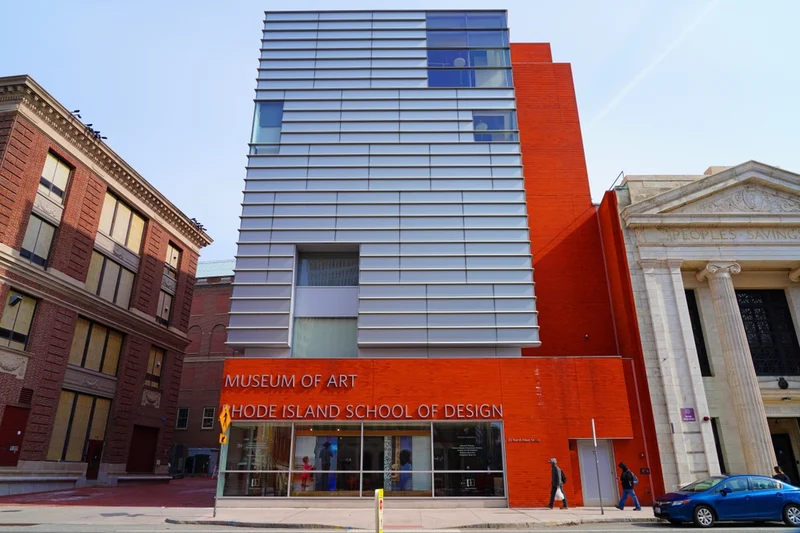
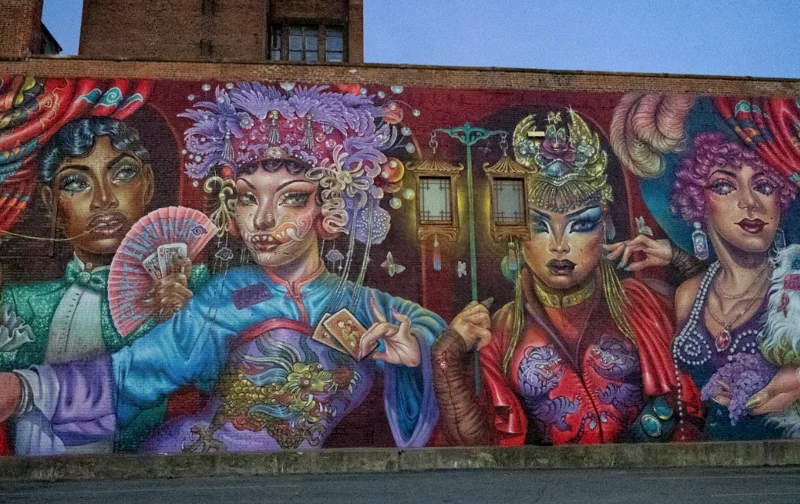
We have, over the past 10 years, a growing [number] of murals throughout the city, created by local and international artists. These large-scale murals and sculptures have really transformed Providence into an open art museum. They’ve been shaped by some of the diverse cultures that are here, and you see different social issues [referenced in] some of the murals.
There’s organizations like the Avenue Concept that will do guided walking tours [to the murals].
But you have other cultural institutions like the Steel Yard that does an iron pour every fall. It’s an artist studio in the Valley Street neighborhood where you have all these artists and makers creating things, whether it's sculptural art or leather-making or steel.
Frommer: Wow, that must be a hard material to work with.
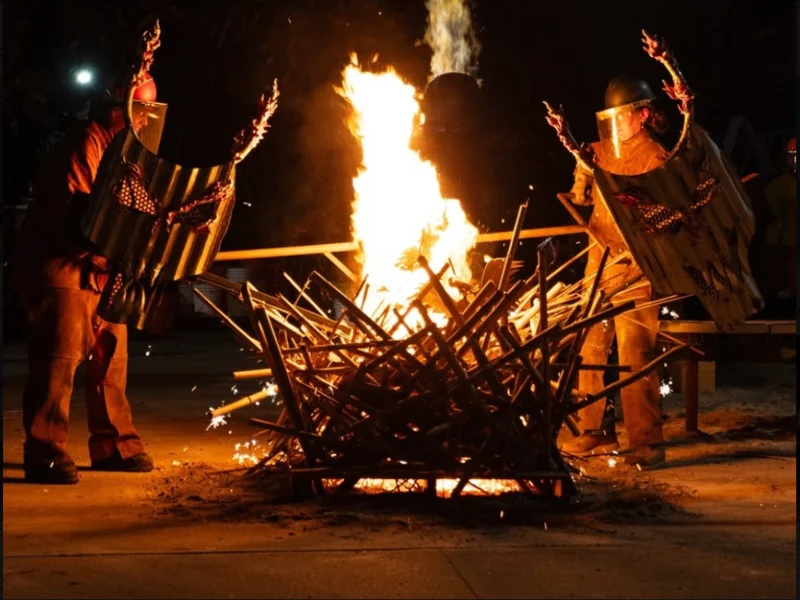
Gorriarán: That’s the iron-pour part of it. They have a festival every fall where they're literally pouring the iron as part of a festival activation in the neighborhood. You can get a front-row seat and see how the molds and the sculptures are being made.
If you go to the Steel Yard you'll see all those metal sculptures in their yard and in the gallery—different artists that have made them through the years. That’s a pretty unique experience. It's a lot of fun. Think Burning Man on a smaller scale in Providence.
The culinary scene
Frommer: There's nothing more creative than the culinary scene right now.
Gorriarán: We are very lucky to have many James Beard nominees and winners in Providence, [maybe because of our] proximity to all the New England farms. We have that New England farm-to-table experience but also access to all the local seafood, being on the ocean.
One recent James Beard winner was Loma, which was named the best new bar in the country. They really offer a unique experience.
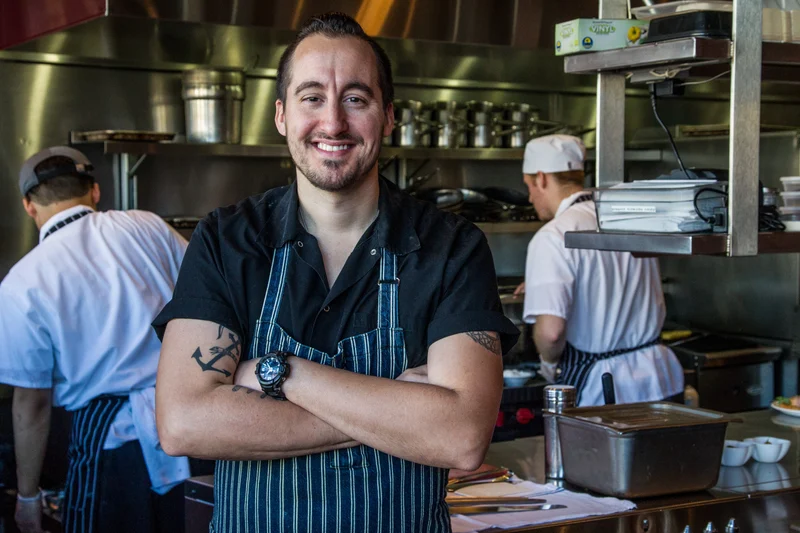
Then we've had consistent nominees like Nicks on Broadway. They've been nominated as a finalist for best chef in the Northeast.
Frommer: What kind of food is that?
Gorriarán: When I talk about that New England farm-to-table experience, [chef Derek Wagner of Nicks, pictured above] really nails it. And he's constantly changing the menu based on what he's sourcing from the farms or from our waters here in Providence.
Great brunch, but then they also have a great dinner service. It's a really unique restaurant, and the menu is constantly changing.
You'll see variations of seafood in a lot of our restaurants, being on the ocean. Gift Horse is another one worthy to be mentioned because it was named best chef in 2025 by the James Beard Awards.
And there's some other ones, some classics in Federal Hill. So Federal Hill is traditionally our Italian American neighborhood, but has evolved as a multicultural hub of cuisine.
Then in the Downtown Corridor you have great restaurants like Al Forno, which is known for their wood-grilled pizzas, and Gracie's and Persimmon, which are fine dining.
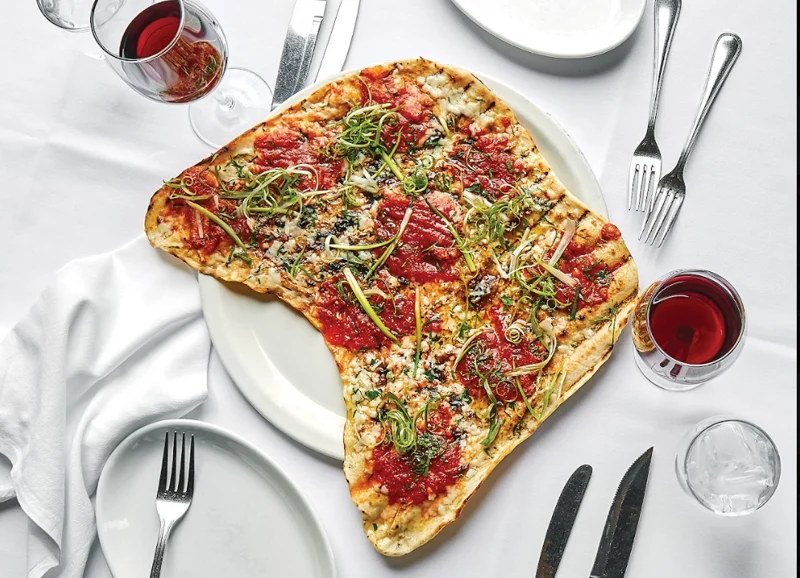
One of the newer restaurants on the scene is Claudine, which I highly recommend. It has a prix fixe menu—a truly unique experience. You walk in there and you do not feel like you are in Providence at all. You think that you are in a restaurant in New York or in L.A. I challenge you, Pauline, to come and try it—to challenge that New York stereotype of Providence.
Frommer: I've always eaten well in Providence!
Gorriarán: You can't go wrong in the food scene here. [Consider the] cultural influences: Italian and we have a big Portuguese community here, we have a big Latin community—Dominican, Puerto Rican, Argentinian, Guatemalan. You see all those cultural influences in the restaurants and the menus. What they're creating on the plate there is also an artistic experience.

We’re also home to Johnson and Wales University, one of the top culinary schools in the country. We see these young, up-and-rising chefs feeding into our culinary scene here in Providence. And some of them end up either working in all the different restaurants here or creating their own restaurants.
Bite-sized museums
Frommer: In the last decade or so, you're seeing a blossoming of many bite-sized museums, which I think is kind of the favorite type of museum for many people who get museum fatigue if they have to be in one for several hours.
Let’s talk about some of the new museums that have popped up, and the subjects that they're covering.
Gorriarán: Yeah, bite-sized museums, I think, is the right description and the model. You can learn some of the local history and the impact that it has had regionally and nationally and beyond.
We have a few that have popped up over the past year or so. One of them is AAPI, and that is the first-ever Asian American Pacific Islander history museum in the United States.
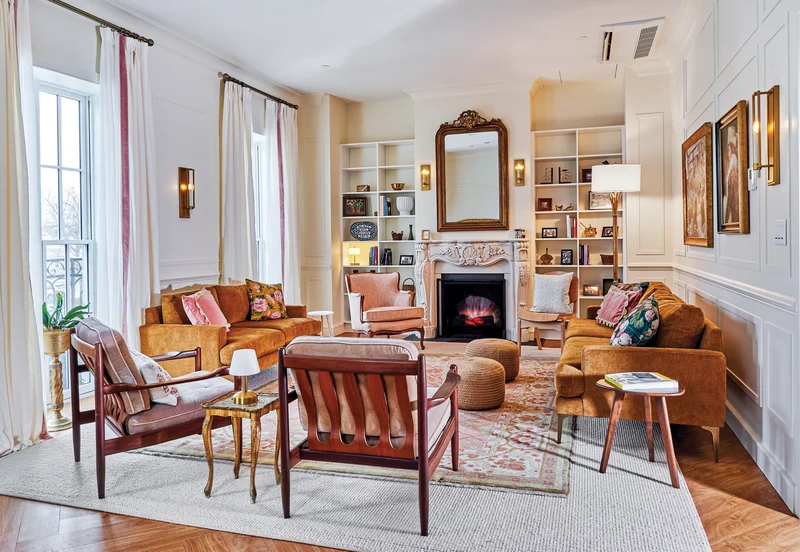
And then we have the African American Museum of Rhode Island that opened up just recently too. And also one more that I'd like to mention (and there's more), is the Alcove (see above), which is a new gallery and library that celebrates some of the unknown stories and history of women locally and their impact internationally.
And then you have some of the quintessential, long-standing museums like the Children's Museum and the WaterFire Arts Center, [which] has a gallery and rotating exhibits.
Blending that mix of history and art and museums and community gathering is really what a lot of these new experiences in Providence are—snackable bites of history and culture. And honestly, you can go visit them for an hour and hop on to your next place.
There’s also so much history here.
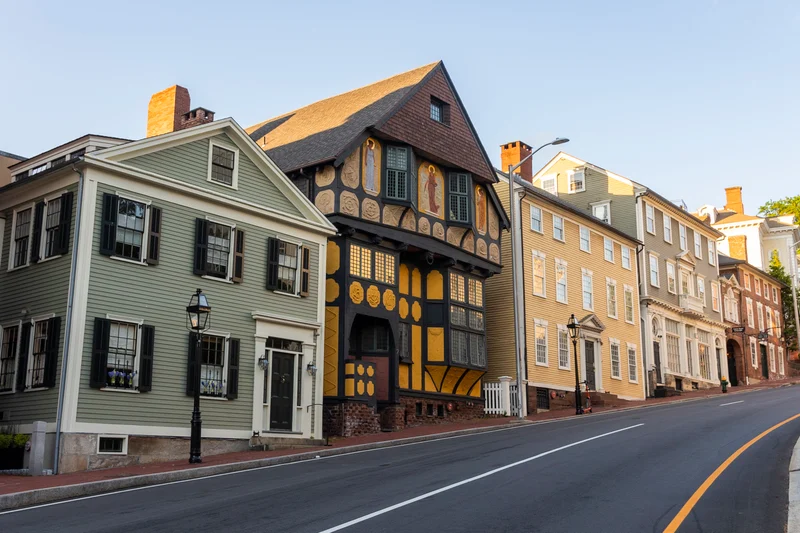
Frommer: Are there walking tours that people can take of the historic sites?
Gorriarán: A lot of them are self-guided tours. There's online information on the different neighborhoods and all the different historical areas.
And then there are a number of different tour companies that you can sign up for a curated tour as well. We have the Providence River Boat Company that provides tours from the riverways. We have a network of rivers in the downtown area that opens up to our bay. And they do a mix of different tours throughout the season [April to November].
So you can do a mix of both [guided and self-guided tours]. But I think the nice thing about the self-guided ones is that, Providence being such a walkable city, you can see it at your own pace.