

As the characters of Downton Abbey reminded us incessantly, the times are changing and we must change with them.
For fans of the ITV/PBS historical soap, which ran for five seasons and three theatrical films, there's no more definitive change than an ending. Downton Abbey: The Grand Finale, as the third and final theatrical movie of the franchise, is your last chance to say goodbye to the beloved inhabitants of that stately English country house and their ever-supportive, often-suffering servants.
At least, it's the last chance on screen. In real life, the locations where the franchise was filmed will endure as tourist sights, because the goings-on of the opulent house called Downton has created a cottage tourist industry for fans who wish to see the real places for themselves.
The stories of the Granthams and the people in their orbit may finally be in the books, but for travelers, the tradition of treading in their footsteps is only beginning.
Highclere Castle
Downton itself is actually Highclere Castle, located about 65 miles west of London near the market town of Newbury, Berkshire. Most of the "upstairs" scenes—library, dining room, foyer, hall, and some bedrooms—were filmed here.
Highclere joined the tourist circuit more than a decade ago when the TV series first caught on, and the estate remains a hugely popular stop for visitors, who come to explore the house and its grounds on the days when it's open. Highclere is still occupied as a home, but just as Lord Grantham did on the series, the hereditary owners make extra money for Highclere's considerable maintenance expenses by opening it to the public on select days. There's even a cafe and souvenir shop attached to the home, although they're always concealed from the cameras by angles and greenery.
You can visit on one of the open days, generally in spring, summer, and around Christmas, on your own (we explain how to buy tickets and how to get there here), or, for easier but more crowded arrangements, purchase a group bus tour from Premium Tours that picks you up in London.
The "downstairs" scenes involving the working quarters of the servants were shot on a soundstage. In the actual Highclere, the cellar spaces contain a museum of Egyptian archaeological artifacts—one of the house's former masters funded Howard Carter’s 1923 looting of King Tut’s tomb in Luxor.
Bampton, Oxfordshire
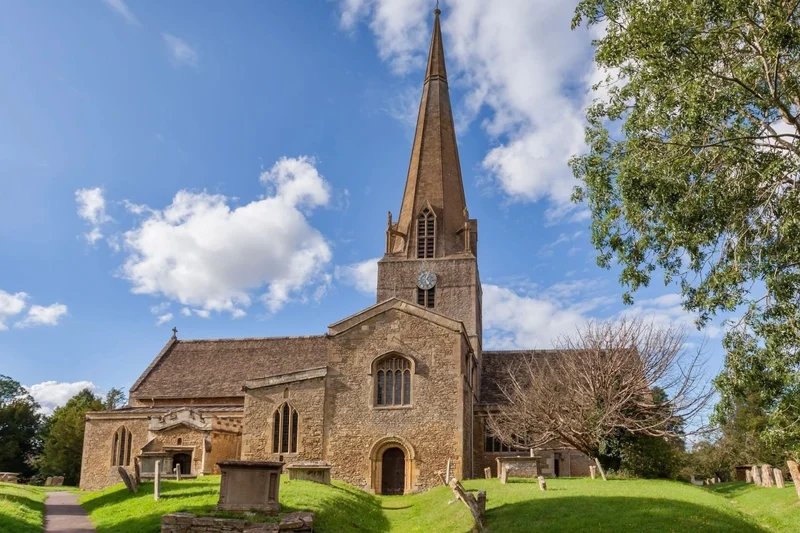
As it did throughout the series, the village of Bampton, about a half-hour's drive west of Oxford in Oxfordshire, plays the part of the local village in the last Downton Abbey movie.
St Mary's Church, with its bulging burial ground, has been the setting for many a joyous occasion and many a mournful ritual on Downton. The surrounding stone-lined village streets, particularly Church View Lane, have witnessed many episodes of gossip.
In Downton Abbey: The Grand Finale, that's where Anna slyly lets slip to the locals that Noël Coward, that urbane symbol of English modernity, will be paying a call to the house.
Richmond Theatre, London
Many early scenes of Downton Abbey: The Grand Finale are set in London during what the wealthy elites called their "London season." Near the top of the film, several characters converge on a performance of Coward's latest play.
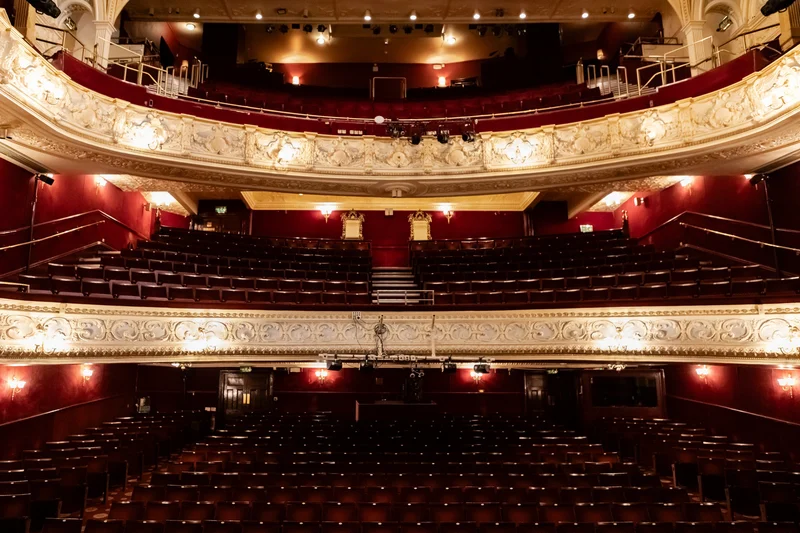
The movie plays loose with the actual layout and buildings of Piccadilly Circus and Shaftesbury Avenue, where the show is presumed to be. The actual facade and auditorium used, however, belong to the Richmond Theatre in southwest London. Although it's a suburban theatre, it has always been a top-of-the-line gathering place for London, having been designed and built in 1899 by one of the city's most important architects, Frank Matcham. The theatre stays busy year-round with a lively variety of talks, concerts, plays, and, at holiday time, one of London's most popular annual pantomime shows.
Fortnum & Mason, London
Lady Mary and Edith dabble in the majestic and exclusively priced food halls of Fortnum & Mason on Piccadilly in London. Even without Downton's help, F&M is already a magnet for tourists, who come for its world-famous tea blends, jams, and confectionary.
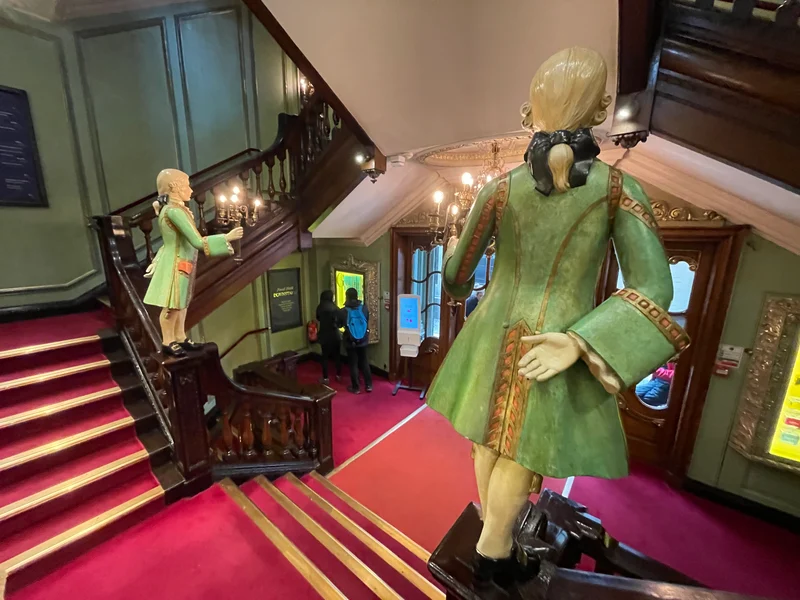
The staircase used by the sisters in the film, bracketed by whimsical statues of the department store's founders, is on the building's west side, facing Duke Street St James.
Piccadilly Arcade, London
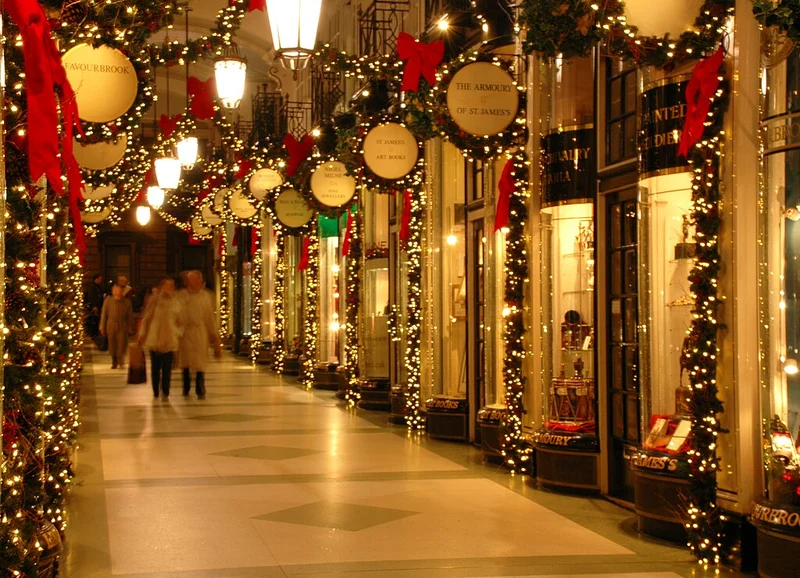
Mary and Edith encounter a gossip of their own on the next block west on Piccadilly from Fortnum & Mason, in Piccadilly Arcade.
The Arcade has been a London shopping landmark since 1909. These covered, window-lined corridors are what sheltered big-spending shopping sprees long before the concept of shopping malls was invented. The boutiques that line this arcade are still priced for Mayfair budgets.
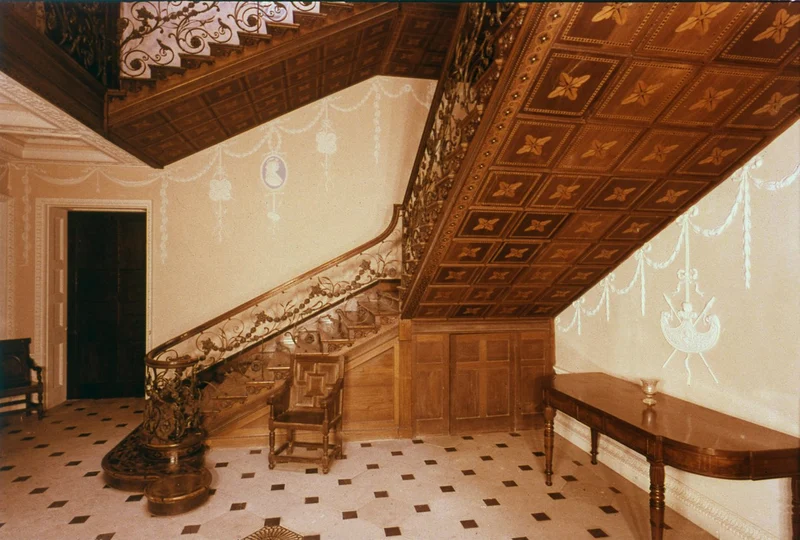
Claydon, Buckinghamshire
For the scene in which Lady Mary and her parents are confronted at a London party, the stairs beneath which they hide is actually in Buckinghamshire, about 13 miles from Aylesbury.
Claydon was selected for its particularly pulchritudinous staircase. Britain's National Trust manages the property and opens it for visitors. Although it would be hard to beat the ravishing red gown worn by Lady Mary (and designed by Anna Robbins) in that scene, Claydon does happen to contain one of the most important collections of historic fashion, and you'll get to explore that on a visit there.
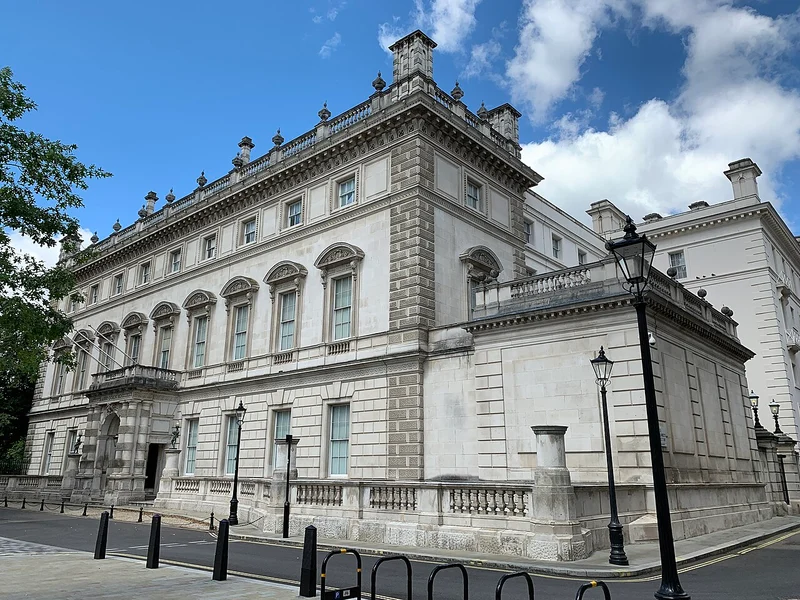
Bridgewater House, London
The Grantham family's London abode, Grantham House, is the focus of some scrutiny in the plot of The Grand Finale. The building's exterior is actually that of Bridgewater House at 17 Cleveland Row in the ritzy neighborhood of St James, just east of the Green Park.
If you're a fan of British historical drama, you might have also seen the structure pretend to be Marchmain House in 1981's Brideshead Revisited.
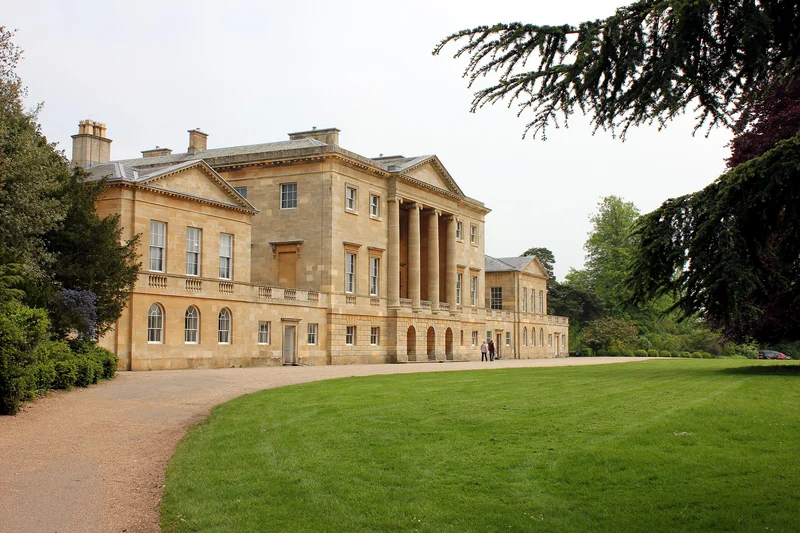
Basildon Park, Berkshire
The interiors of Grantham House were shot much closer to Highclere Castle at Basildon, near the city of Reading.
Like Thomas Barrow, Basildon has worn many masks throughout Downton's history. The location was also used in the series' 2013 Christmas special as well as at the end of Season 5, when Lady Rose married Atticus Aldridge there—not that we saw much of those characters ever again.
Basildon is also a National Trust property and, as such, visitors are welcome most days of the year.
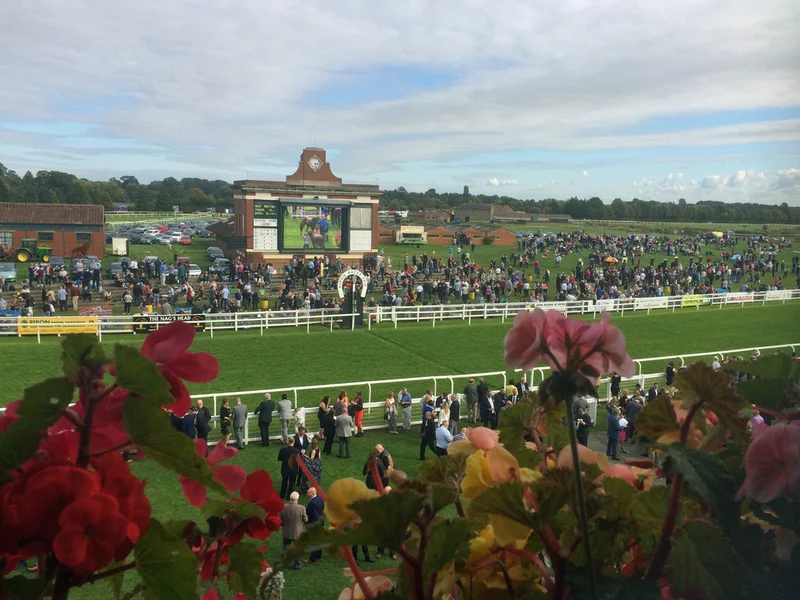
Ripon Races, Yorkshire
Alas, Ascot is not Ascot in Downton Abbey: The Grand Finale. That racecourse was rebuilt in modern times, so it doesn't look era-appropriate anymore. Instead, the producers turned to Ripon Races, a course for thoroughbreds that dates to 1900 and still looks the part.
In truth, Ripon Races and the Great Yorkshire Showground—the setting for the film's county show—were the only Grand Finale filming locations in the same county as the fictional Downton Abbey. Find both in Yorkshire, a 2-hour train ride north of London, just as the Grantham manse is said to be.