

Dining in Italy may seem like a casual, carefree pursuit, but in reality it’s a complex game of manners, with origins dating to at least the 16th-century publication of Giovanni Della Casa’s Galateo: Treatise on the Rules of Polite Behavior—Italy’s answer to Emily Post.
Whether you’re having lunch at the humble country house of your long-lost prozia (great-aunt), enjoying a morning coffee at the bar, or eating dinner in a modest trattoria, an unwritten set of long-adhered-to, strictly followed food rules govern everything from raising a toast to the time of day for a cappuccino.
Breaking any of them won’t get you kicked out of the country, but respecting them will make the difference between a bella or brutta figura (a good or bad impression). Or at least prevent you from annoying your waiter.
Don't worry—it's not a total minefield. We'll give you one well-known supposed rule that you can toss right out the window.
Wait for the “Buon appetito!”
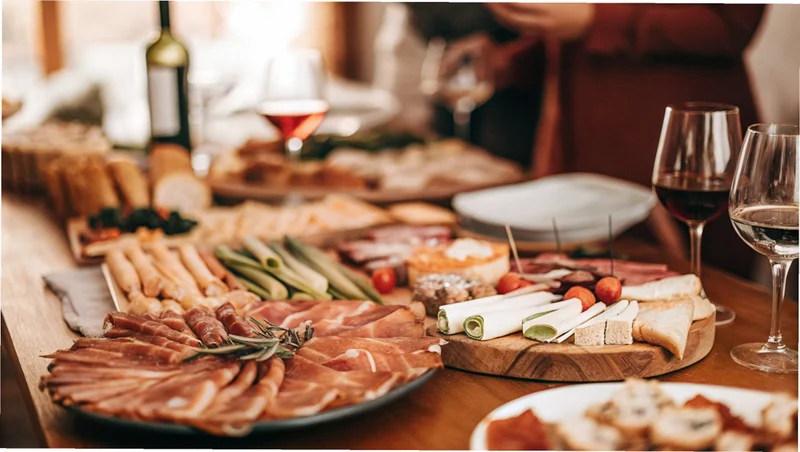
When you’re invited to lunch at someone’s home, you may well be seated and making small talk, plates of tempting antipasti spread before you, for several hungry, excruciating minutes before anyone starts eating or even pouring wine or water. That’s because everyone is waiting for someone else to say "Buon appetito!," the Italian equivalent of “Let’s eat!” Wait for this cue, then dig in.
The exception to this rule usually occurs at a restaurant, when your pasta dish arrives and others at the table are waiting for their secondi, or meat course. It’s a sin to let hot food get cold, so you’ll likely be encouraged to start eating. But do announce that you’re doing so as a polite means of asking permission.
 (Credit: Elizabeth Heath)
No underhanded pouring
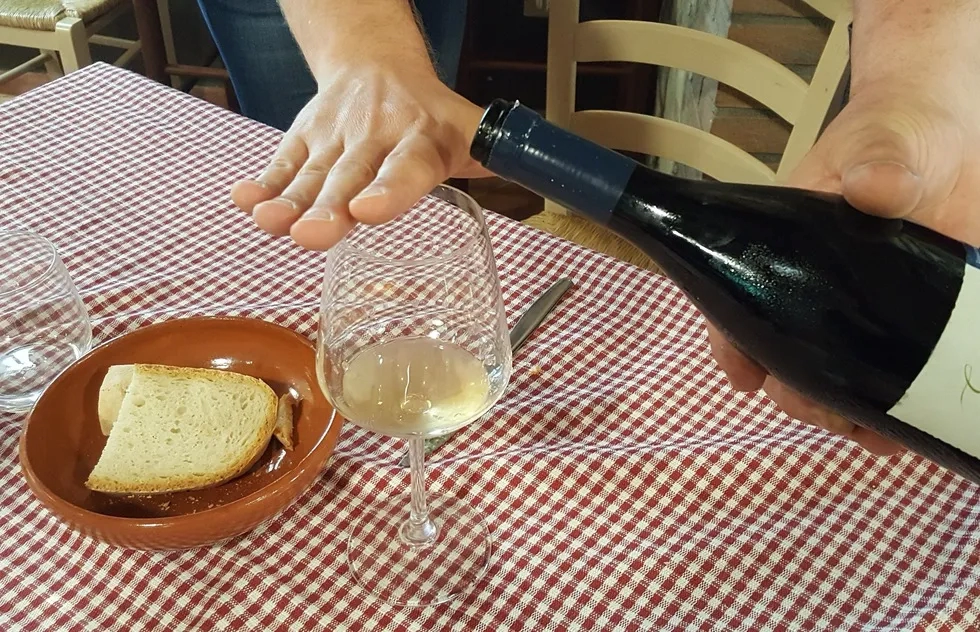
The person to your right has an empty wine glass. The bottle just happens to be in your right hand. You want to be polite, so you turn to refill her glass. Whatever you do, resist the instinct to pour underhanded, no matter how much less awkward it is than switching hands.
The reason? Underhanded pouring is the mark of a traitor, harkening to the cloak-and-dagger days of poison rings and papal assassins. An Italian will probably refuse the underhanded wine anyway, but don’t pull a Lucretia Borgia—just switch hands.
Mind the toasting etiquette
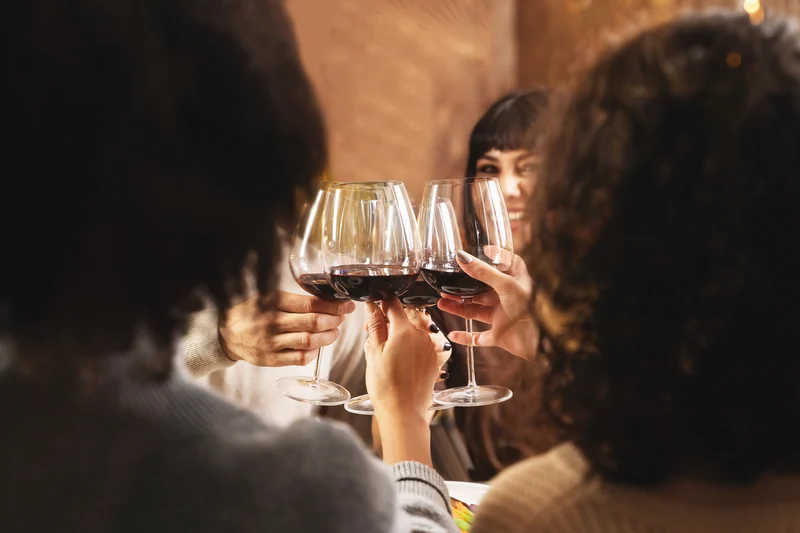
In Italy, where there’s wine involved, there’s usually a toast, often just a simple salute! to the health of those present. It’s important that you clink glasses with everyone at the table, even if that means standing up to reach them, and to make eye contact with your fellow toasters.
It’s essential that when clinking with someone on the other side of the table, you not cross the clinking glasses of two other guests—doing so brings bad luck. Either all clink together, or wait for the green light before entering the toasting intersection.
 (Credit: Elizabeth Heath)
It’s rarely OK to share
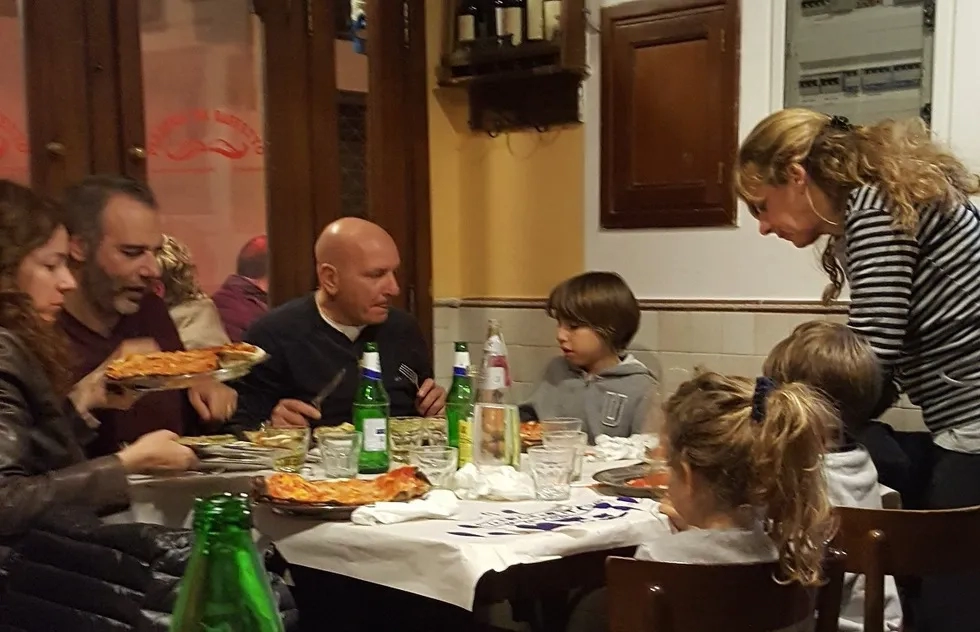
Sharing plates—or saying, “We’ll order one plate of pasta for the three of us"—just isn’t done in Italy, though some restaurants will prepare a mezzo porzione (half portion) if you ask nicely.
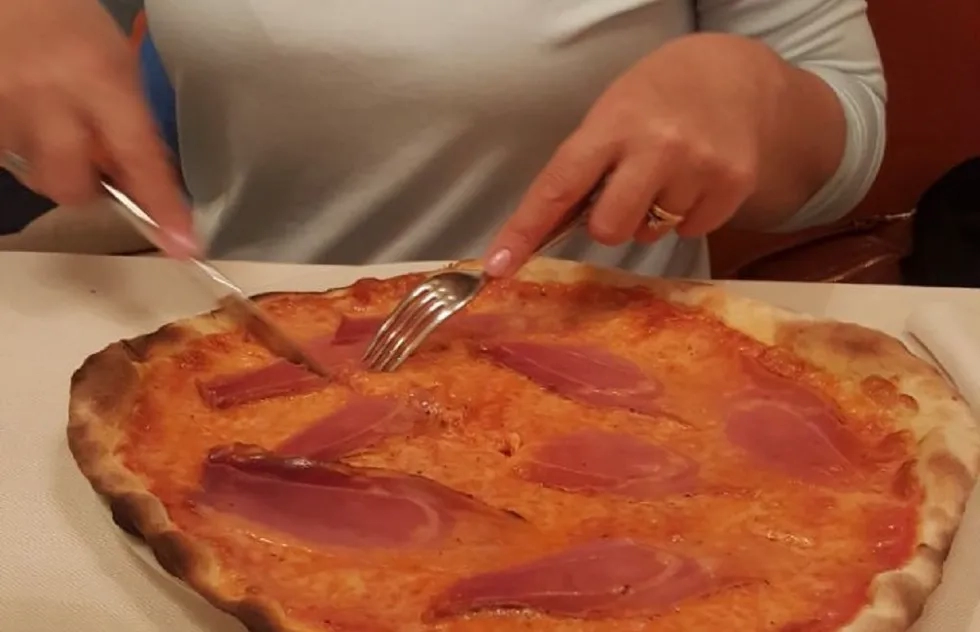
The same holds true for pizza. Pies only come in one size and everyone at the table is expected to order their own. Only little kids can get away with sharing.
For adults, the exceptions to the no-sharing rule go for antipasti platters and desserts, both of which are OK to share.
 (Credit: Elizabeth Heath)
Bring the kids, even if it's late
Children are almost universally welcomed and catered to in Italian restaurants, including in most high-end establishments. If you’ve got an unadventurous eater or one with crashing blood sugar, your waiter will happily place a rush order of pasta al pomodoro (pasta with tomato sauce) or a pizza margherita (cheese pizza) and get it to the table lickety-split.
It doesn’t matter if it’s well after dark—Italian kids stay up late. It’s not at all unusual to see families with young children finishing up a meal at 11pm or later.
 (Credit: Elizabeth Heath)
That bread isn't for dipping
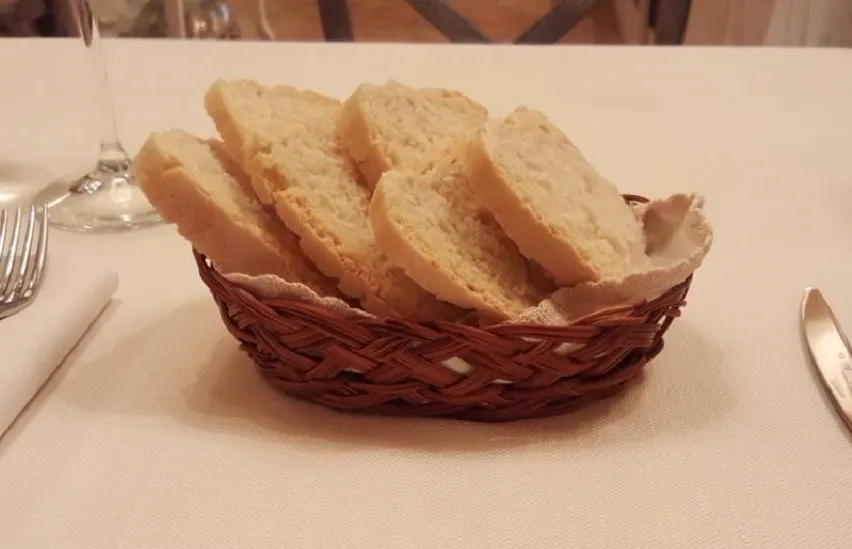
In Italian restaurants, a basket of bread will usually be placed on your table before your first course arrives. What you won’t see is a bread plate or any olive oil for dipping—it’s simply not the practice here.
While the famished may snack on a piece of plain bread before the antipasti is served, the purpose of the bread is to serve as a vehicle for prosciutto or other cured meats, or as a scarpetta, a “little shoe” with which to sop up the last of that scrumptious sauce from your plate.
The restaurant will decide if you need cheese on your pasta
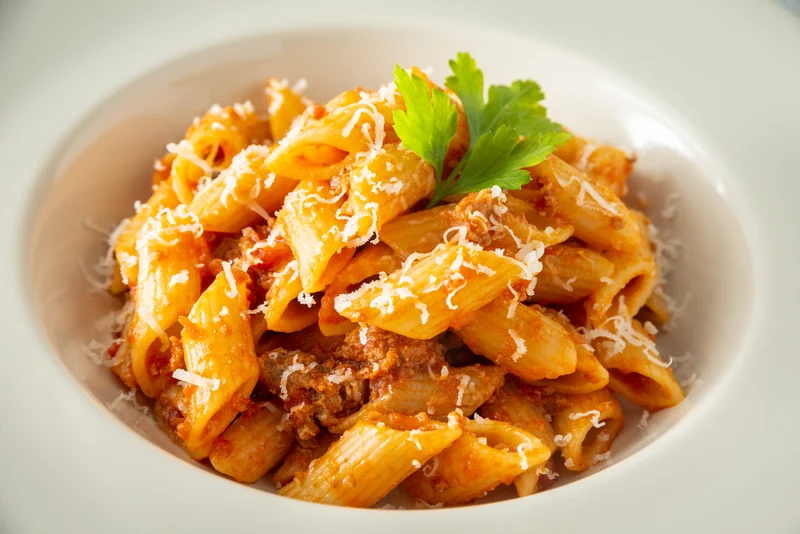
Not all pasta dishes are meant to be sprinkled with cheese, and pizzas never get a dusting of grated cheese on top. If your server brings you a little cheese cellar with a spoon, it’s because your pasta calls for parmesan. If you don’t receive any, that's because your pasta is not to be eaten with cheese.
For pastas with ragu (meat sauce) or mushrooms, cheese is a go. For pastas with fish, seafood, or truffles, it’s an unimaginable culinary tragedy.
 (Credit: Elizabeth Heath)
Let someone buy you a caffè
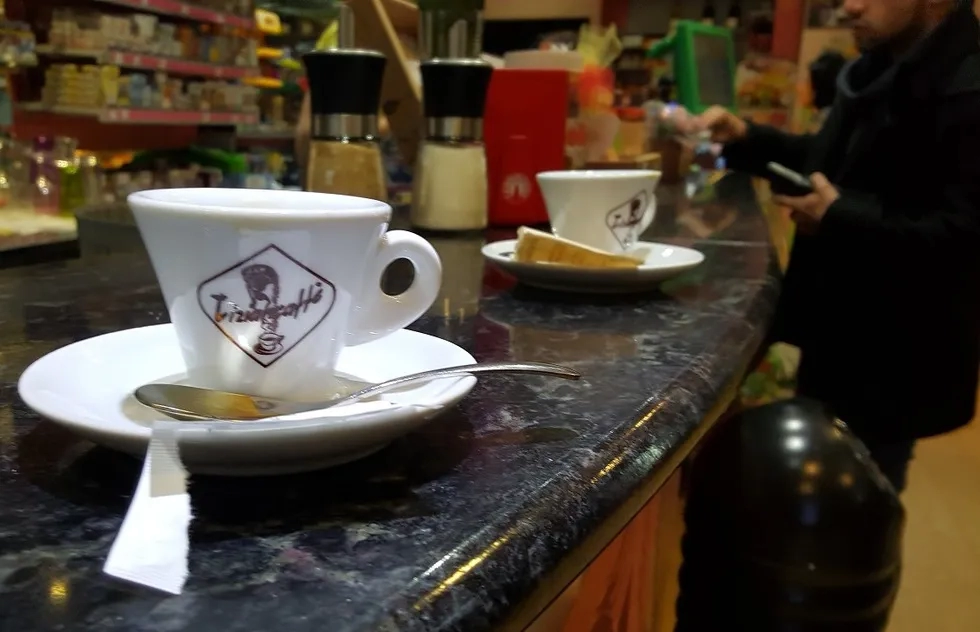
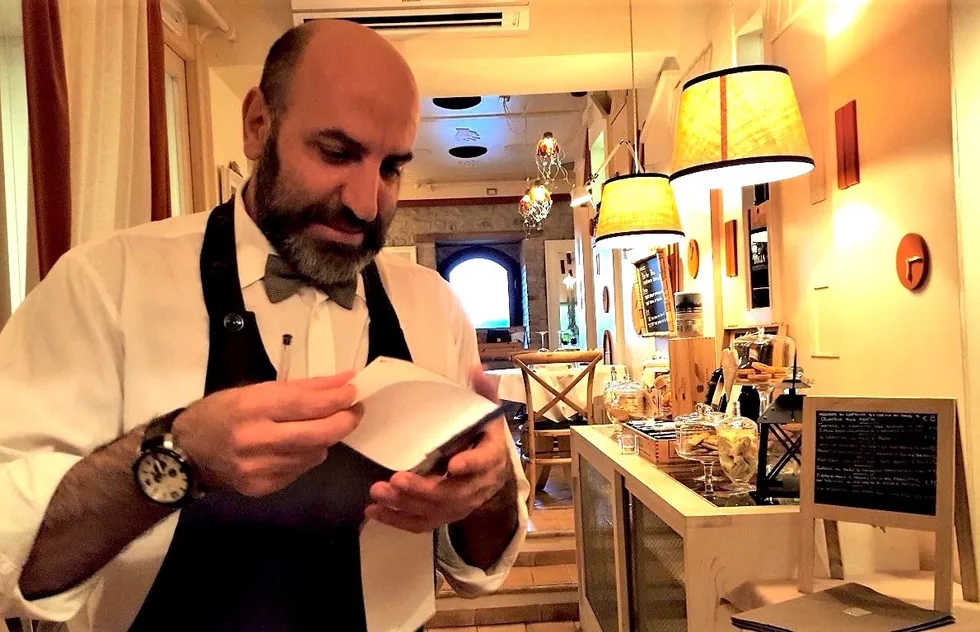
If you’re in a bar and a friend (or a stranger with whom you’ve exchanged pleasantries) offers to pay for your coffee or glass of wine, graciously accept.
Rejecting the courtesy or arguing over who will pay is considered bad manners and unfriendly—and implies that you don’t think that person has enough money to buy you a cup of coffee, thus creating a brutta figura. Next time, you buy.
 (Credit: Elizabeth Heath)
No separate checks, please
Few things will fluster or infuriate an Italian server more than your party of eight asking for eight (or four, or two) separate checks. Your bill will as often as not be handwritten, and requesting separate tabs during a busy lunch or dinner shift is a time-consuming imposition.
Likewise, don’t thrust multiple credit cards in the server's direction when it’s time to pay. Just work out the totals among the people in your party, and put the tab on one card.
Also, unless someone has eaten or drunk a whole lot more than other members of the group, Italians don’t itemize a check. They just divide the tab by the number of people at the table (not counting little kids), no matter who ate what.
And that one rule you can feel free to break?
 (Credit: Elizabeth Heath)
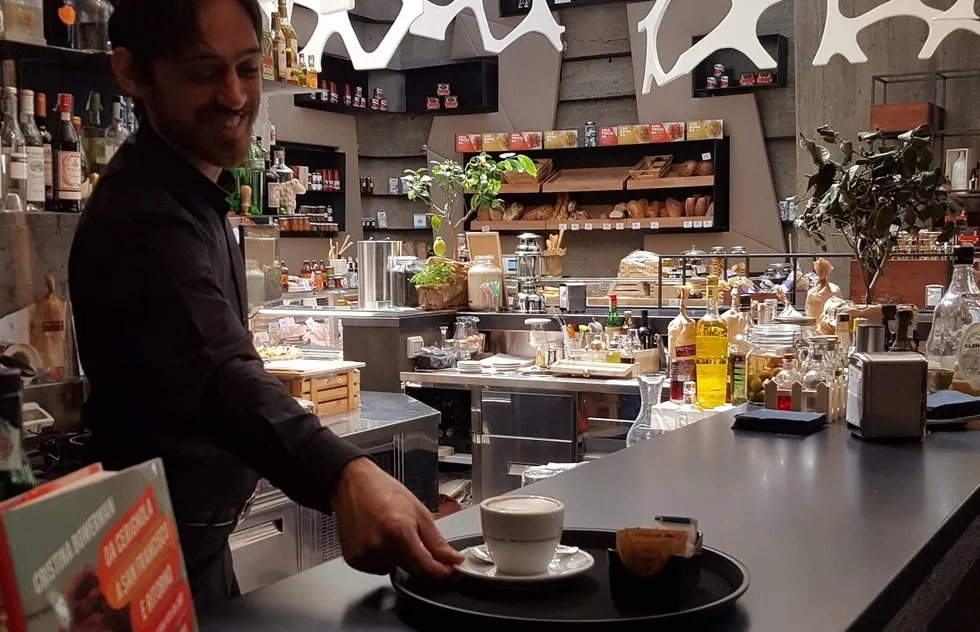
Go ahead and have a cappuccino after 11am
You’ve probably heard this one before. Italians only consume milk at breakfast, usually in the form of a cappuccino or caffè macchiato, which is an espresso with a splash of milk.
The rule stems from the idea that milk impedes the digestion of food, which is why no one orders a cappuccino after lunch or dinner. But we say if you want to have a cappuccino after dessert, at 4 in the afternoon, or at midnight, go ahead and order it.
Sure, you’ll be marked as a tourist, but your accent already gave you away anyway.

Frommer's Italy 2026
Frommer’s books aren’t written by committee, by A.I., or by travel writers who simply pop in briefly to a destination and then consider the job done. We use seasoned, locally-based journalists like Elizabeth Heath, Donald Strachan, and Michelle Schoenung, plus long-time Italy experts Stephen Brewer ...
Get the bookFrommer's Italy 2026
Frommer’s books aren’t written by committee, by A.I., or by travel writers who simply pop in briefly to a destination and then consider the job done. We use seasoned, locally-based journalists like Elizabeth Heath, Donald Strachan, and Michelle Schoenung, plus long-time Italy experts Stephen Brewer ...