

Most nations in the world no longer retain much of their pristine wilderness. Most societies built over their wild places long before any of us were born.
But the United States is different. Our leaders decided that our country will always protect its best untouched regions so that nature could thrive, so that hunters and fishers could have places to roam, and so any person could explore and treasure our most untouched wonders. The U.S. wilderness is the birthright of every American and the envy of the world.
The Roadless Rule, established in 2001 after much public discussion, is a critical regulation that prevents road construction and timber harvesting on nearly 60 million acres of those precious American public lands.
"These wild places—which happen to be the kind that backpackers, hunters, and fishermen alike seek out—are the heart of our public lands," says Jeremy Miller in the Sierra Club's Sierra magazine.
Yet with this one short statement, United States Secretary of Agriculture Brooke L. Rollins announced the government will discard the Roadless Rule: "Rescinding this rule will remove prohibitions on road construction, reconstruction, and timber harvest on nearly 59 million acres of the National Forest System." (For the Forest Service's inventory of roadless areas by state—there are 39 states affected, plus Puerto Rico—click here.)
Rollins and the Trump government say that killing the protections will open up land for timber harvesting, and they see the liquidation of our land as a good thing.
Rollins also claims that removing the Roadless Rule will assist fire prevention.
Large numbers of forestry experts say that's not true. A recent letter to Congress signed by more than 150 conservation groups countered that claim: "Punching more roads into the backcountry will increase the risk of human-caused fires, with research revealing that '94.9% of human-caused wildfires in the conterminous US (lower 48 states) occur within 800-meters (about a half mile) of the nearest road.'"
Adding access and industry to the forests to Southern California's roadless areas, including Angeles National Forest and San Bernardino National Forest, would dramatically increase the risk of carelessly started fires to the millions of residents who live among them.
To force the Trump government's radical revision through, citizens were given only three weeks to object.
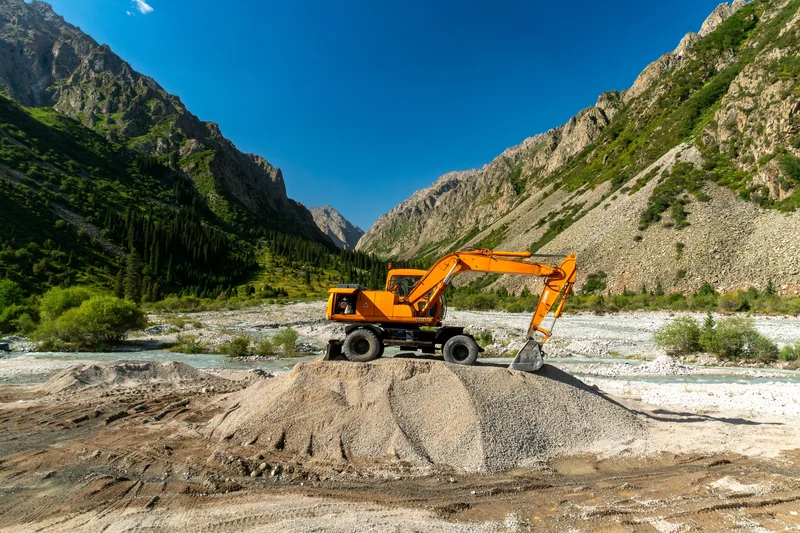
Change to Roadless Rule railroaded at breakneck speed
We have only until September 19 to send our comments to keep the important Roadless Rule in place.
Compare Trump's speedy effort to destroy the Roadless Rule to when it was being considered 24 years ago. Then, the decision was subject to about 600 public meetings.
Out of respect for the American people, every angle was examined. About 1.6 million comments poured in from citizens. It's said that Americans don't agree about much, but 95% of the comments were in support of the Roadless Rule, so it was implemented.
A key reason so many people are fiercely protective of the Roadless Rule is that preventing road construction and commercial activities on wilderness also safeguards the watershed used by tens of millions of Americans for their drinking water. This wilderness is also an undisturbed habitat for vast ecosystems fish and wildlife, and a repository for evidence of thousands of years of human habitation.
The Roadless Rule protects national parks, too. "Without it, parks like Grand Teton, Sequoia and Kings Canyon, and Dinosaur National Monument could see oil rigs on their horizons or mines polluting the rivers that sustain them," says Beau Kiklis of the National Parks Conservation Association.
Kurt Repanshek of National Parks Traveler reports that "17.5 million acres of inventoried roadless areas are within 30 miles of national park lands and support the greater national park ecosystems."
And, of course, these lands are vital vacationlands for travelers from America and abroad.
"There are some ways that the Roadless Rule could be improved, but the wholesale repeal of this key conservation tool goes against the best available science and overwhelming public opinion," said David Willms of the National Wildlife Federation.
There have been periodic attempts to erode the protections, particularly during periods of Republican control.
But under Trump control, the attacks are supercharged. Just two months after Utah Senator Mike Lee's effort to hand public lands to a small group of insider investors was tossed out of the "Big Beautiful Bill" after a public uproar, this new onslaught was launched.
This land grab is being railroaded on the American people at breakneck speed.
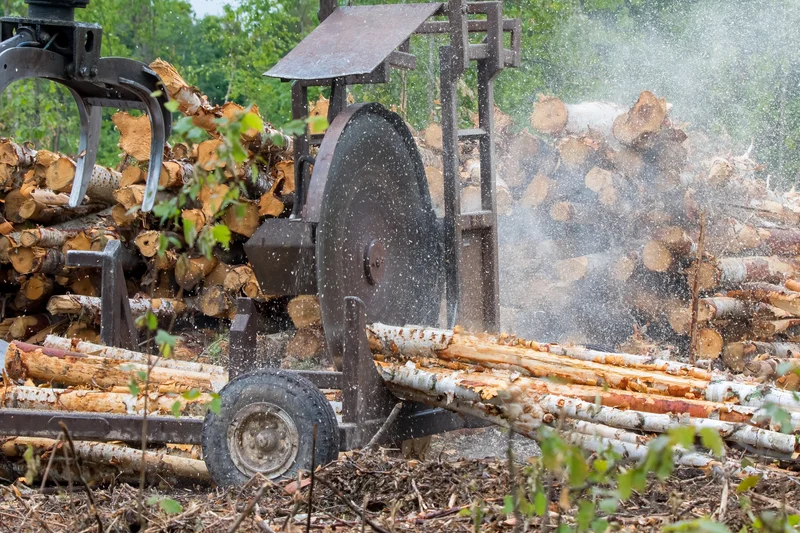
Does the Roadless Rule work?
In 2011, a decade after the Roadless Rule went into effect, the Wilderness Society, a nonprofit group established in 1937, assessed its impact: "Despite a barrage of legal and political attacks, the Roadless Rule has generally succeeded in protecting national forest roadless areas from destructive energy development, mining, logging, and road building. Roadless areas continue to be havens for wildlife, sources of pure drinking water, scenic backdrops for communities, great places for people to recreate, and an increasingly vital part of our nation’s defense against global warming."
This time, the Wilderness Society says, Americans have "an outrageously short time frame for the public to meaningfully comment on protections for forests in 39 states."
If we open up protected land to profit, we can never claw back the decision. In the space of a few months, the U.S. government will have soiled and ruined lands that our ancestors managed to leave unaltered for us.
What kinds of places are we talking about? Nolan Fisher explores the United States' roadless areas on foot and by drone on his superlative thePOVChannel on YouTube. Most of Fisher's videos celebrate roadless lands that are at risk, and he recently posted an edition expressly about public lands that are at risk of exploitation by politicians.
The potential destruction of the Roadless Rule is only one piece of an attack on public land management that's happening simultaneously.
On September 10, the Department of the Interior announced it also intends to remove the BLM Public Lands Rule (also known as the Conservation and Landscape Health Rule), which only went into place last year. That's a rule that says that conservation of some 245 million acres of the Bureau of Land Management's public lands should be undertaken in balance with commercial interests—that every party should get fair and equal consideration.
Getting rid of the rule would favor drilling and mining companies and give profit more power than preservation. There will be a 60-day period to try to stop that effort to liquidate our lands. You can send your comment through the government’s notice portal under the docket FS-2025-0001 (click here).
How to oppose the rollback of the Roadless Rule
If we are loud enough, it might also be possible to keep the Roadless Rule through Congress.
A proposed bill, H.R. 3930, known as the Roadless Rule Conservation Act of 2025, would make the 2001 rule permanent.
The Western Watersheds Project, which was organized to help advocate for protection of the natural sources of American water, is collecting comments for members of Congress, but you can also write or call your House representative using the Congressional web hub.
Since January 2025, the government effort to hand our public lands over to private developers and profit-seekers has been relentless. The people shut down one gambit, and then someone else in the Trump Administration tries to reignite the theft using a different method.
Before any action is taken, the American people must demand proper, adequate, and exhaustive inquiry about the effects (and the financial beneficiaries) of what irreparable damage the Trump government is about to do in the name of money.